









Painted Plaster Sculpture
These painted plaster sculpture pieces bring tactile character and historic subjects into a room, offering an accessible route into period decorative art.
Painted Plaster Sculpture
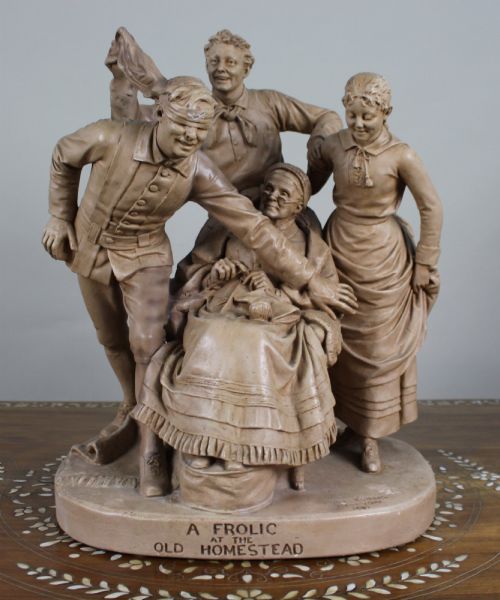
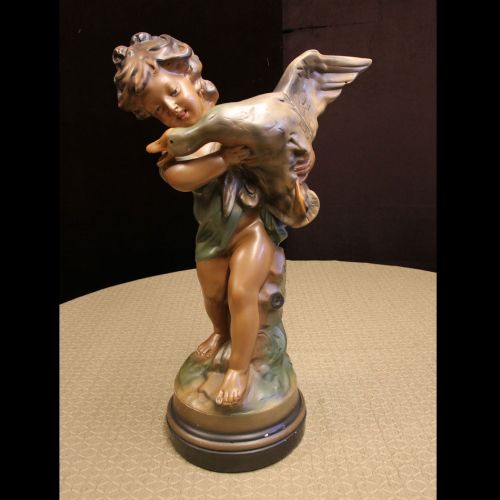
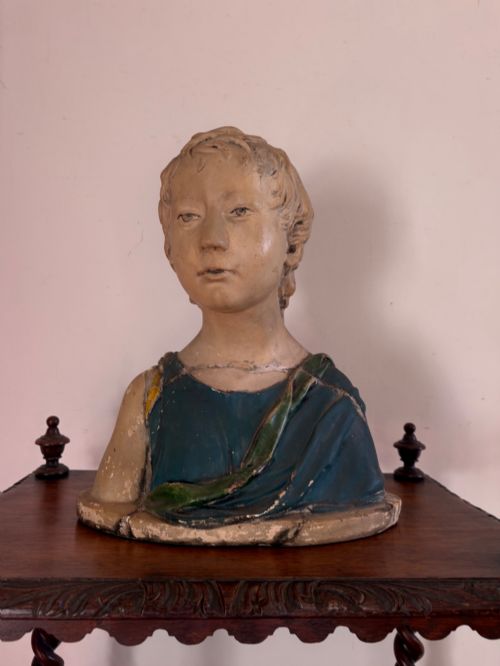
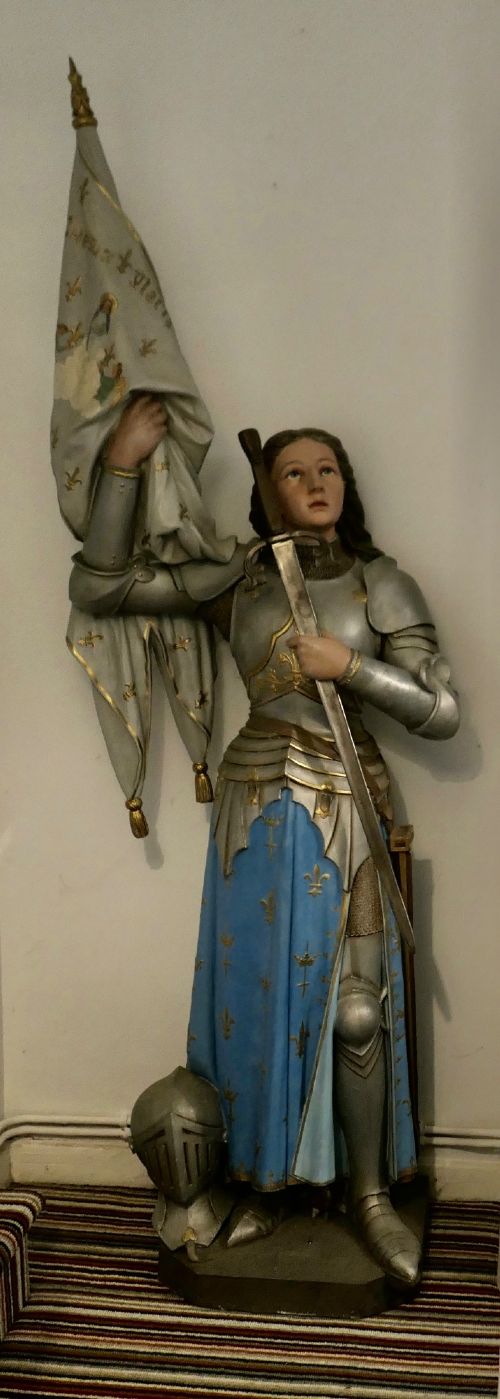
When you search for painted plaster sculpture, you find figural busts, animal studies, and decorative statues spanning from the nineteenth century through the Art Deco era. The selection ranges from classical muses and naval gentlemen to Orientalist figures and botanical models.
You are most likely to meet twentieth-century Art Deco figures and nineteenth-century portraits finished in pigment, gold leaf, or polychrome. These objects often served as domestic ornaments or architectural pedestals in European interiors.
How They Were Made
Some pieces mimic heavier materials like bronze or marble through surface treatment alone. Pigments were applied by hand to dry plaster grounds, resulting in matte or satin finishes that aged alongside the underlying material.
Painted Plaster Sculpture Retail Price Guide 2026
Typical asking prices for painted plaster sculpture among the pieces listed under this phrase on Sellingantiques today, from the lower quarter to the upper quarter. They describe what is for sale here now, not the wider market.
Among the men, muses, and horses sits an exceptionally earnest life-size pug dog waiting quietly in plaster.
What Varies in Quality
The distinction between ordinary and exceptional works lies in the crispness of the original cast and the skill of the hand-painted surface. Finer examples retain subtle facial expressions, clean anatomical lines, and carefully layered polychrome or metallic leaf.
The integrity of the underlying plaster and the preservation of early surface coatings dictate the standing of a piece. Later overpainting can obscure original details, whereas well-preserved nineteenth-century and Art Deco surfaces display authentic depth.
Rouillard Angers
The Painted Plaster Sculpture Glossary
- Plaster
- A workable composition based on gypsum that hardens into a solid mass. It provides an economical medium for detailed sculptural casting.
- Polychromed
- Decorated in several colours. This treatment brings realism and depth to figural and architectural plaster works.
- Art Deco
- A design style emerging in the interwar period characterised by streamlined forms and stylised motifs. Pieces from this era often depict dancers, children, or modern geometric subjects.
- Neoclassical
- A revival style drawing on classical Greek and Roman antiquity. It appears in busts, muses, and architectural pedestals.
- Orientalist
- Nineteenth-century artistic style depicting themes from the Middle East and North Africa. These works often feature elaborate costume and dramatic poses.
Painted Plaster Sculpture: Frequently Asked Questions
How do I clean a painted plaster sculpture?
Dust surfaces gently with a soft, dry brush or microfibre cloth. Avoid using water or liquid cleaners, as moisture can soften the plaster and lift historic paint layers.
Keep pieces away from direct sunlight and damp environments to protect the pigment and prevent the plaster from degrading over time.
Were these sculptures made for interiors?
Most painted plaster pieces were designed strictly for indoor display as mantel ornaments, library busts, or decorative statues. Their composition makes them vulnerable to frost and moisture if placed outdoors.
Plinths, pedestals, and wall brackets listed alongside the sculptures typically supported these same interior decorative schemes.
How can I tell the age of a plaster bust?
Examine the surface finish, wear patterns, and any maker marks or stamps pressed into the base. Nineteenth-century examples often display denser plaster and mellowed pigment, while 1930s pieces lean towards Art Deco stylisation.
Construction clues, such as integrated wooden armatures or metal fixings hidden within the core, also offer hints regarding the period of production.
Are these pieces solid plaster?
Many larger sculptures and busts are cast with hollow interiors or built around internal frames of wood or metal to reduce weight. This technique was standard practice for life-size figures and botanical models.
Solid casting was generally reserved for smaller statues, plaques, and decorative reliefs where weight was not a structural concern.