
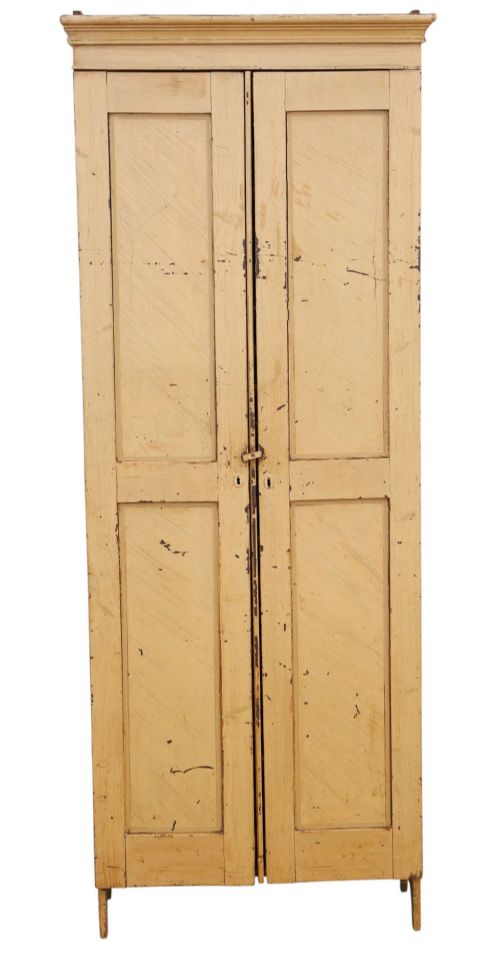
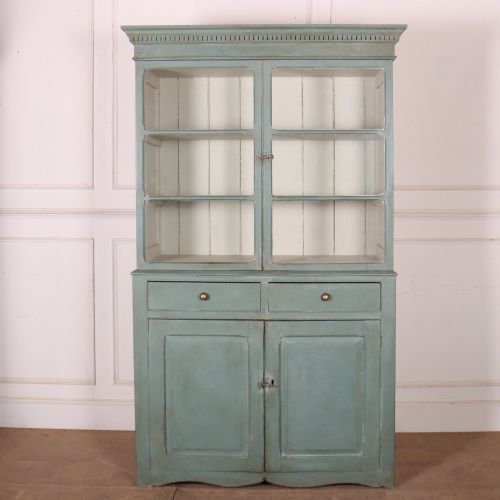
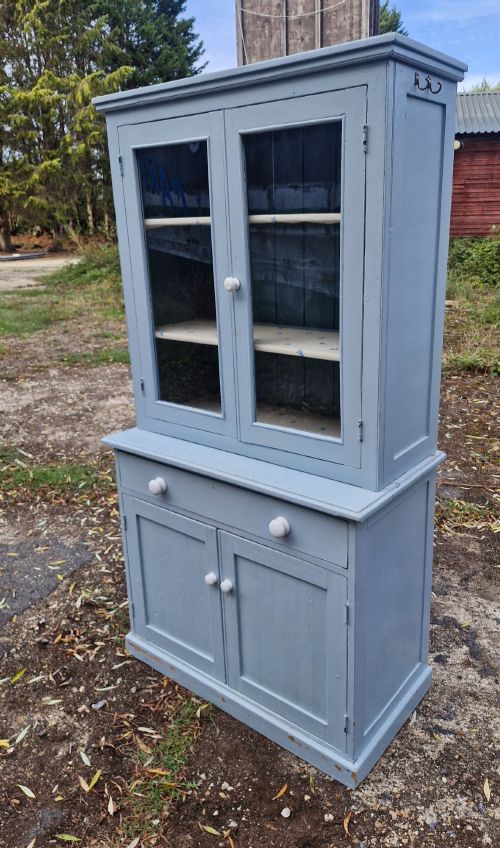
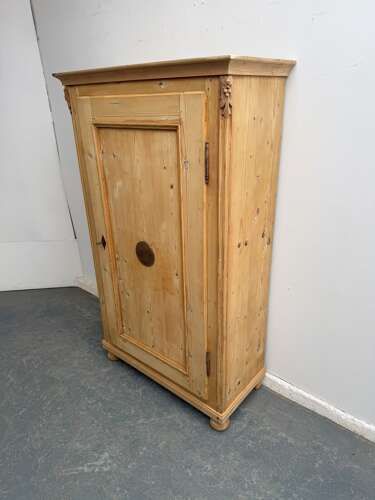
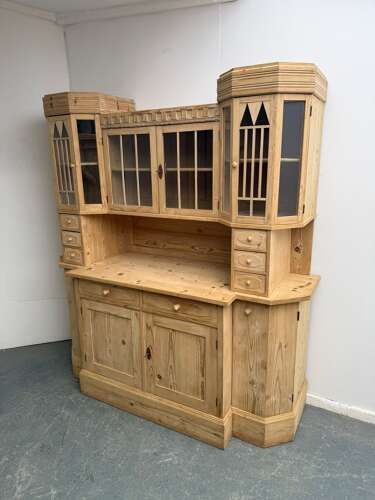
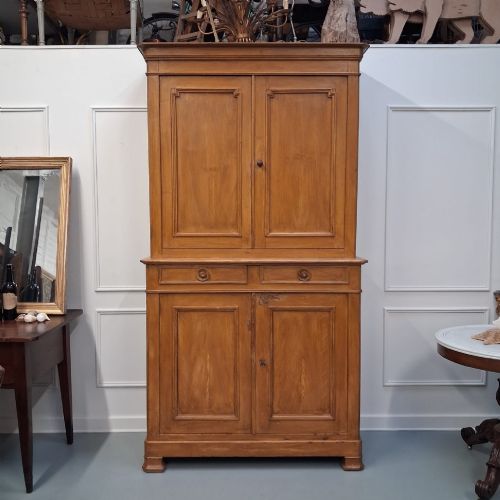
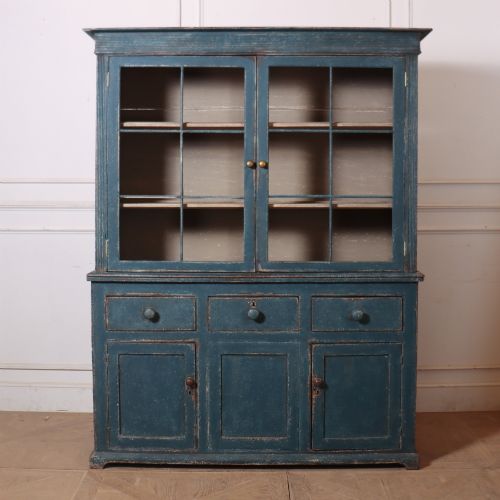
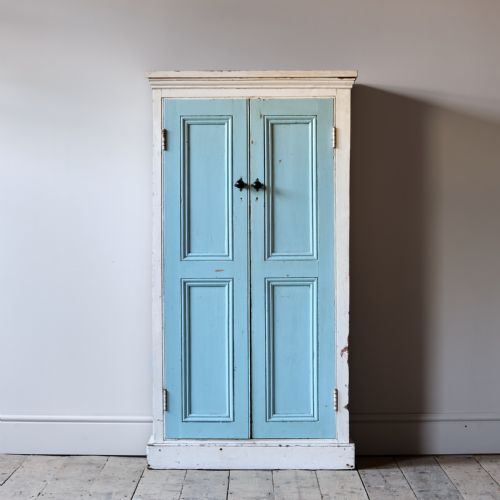

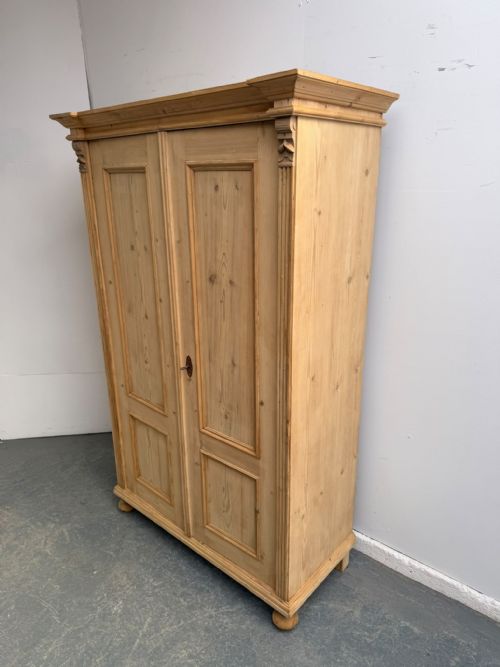
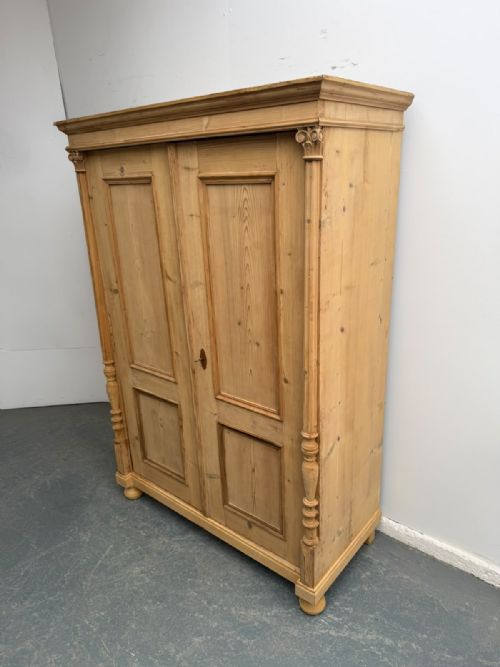
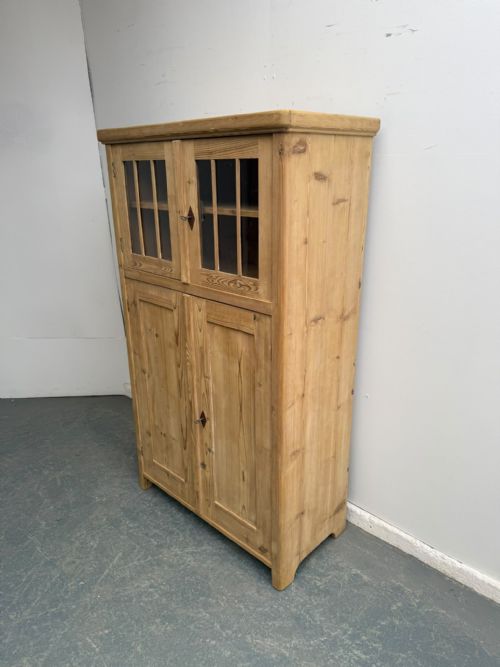
Painted Pine Larder Cupboard
These painted pine larder cupboard examples bring honest domestic storage into a room, offering deep shelving and period character.
Painted Pine Larder Cupboard
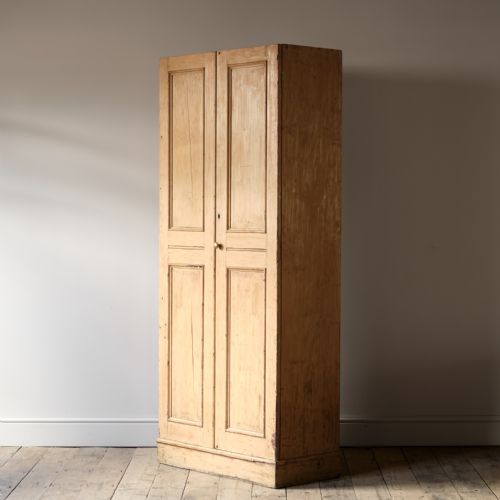
A painted pine larder cupboard serves as a functional storage piece originating mainly from the Georgian, Victorian and Edwardian eras. These domestic cabinets emerge in various regional British and continental styles, including English Country and Scandinavian Country.
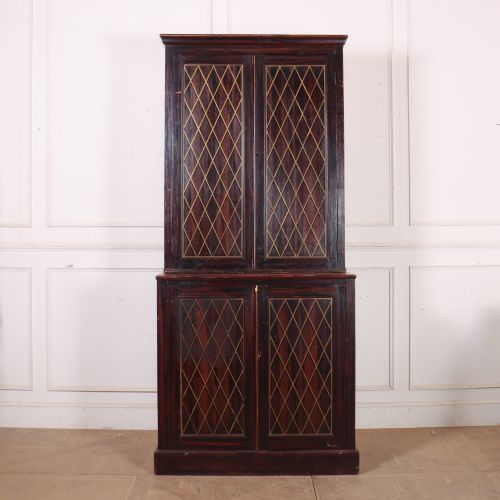
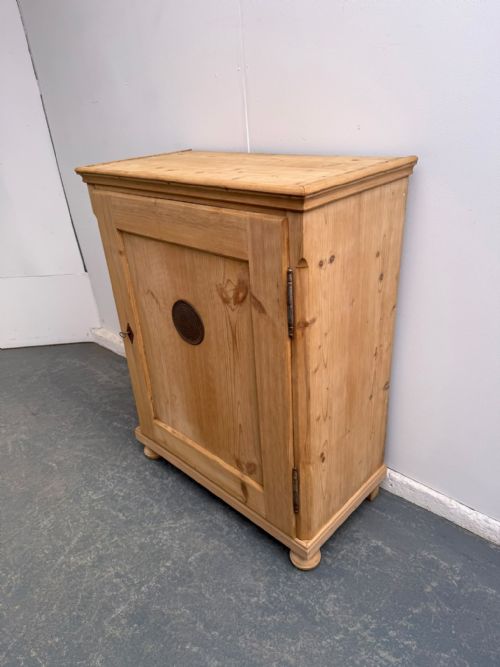
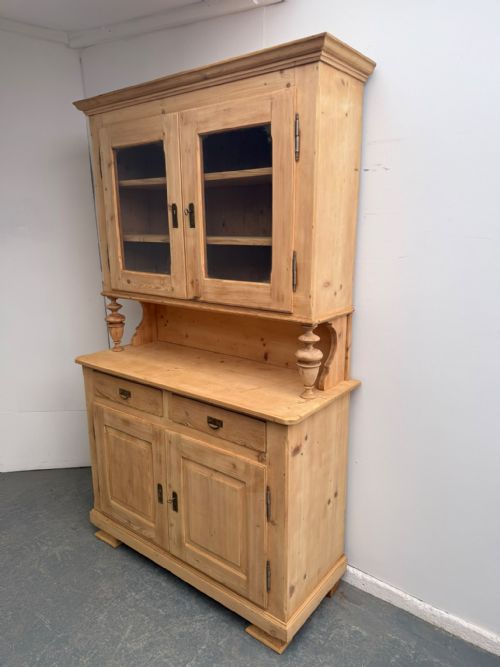
Buyers encounter single and multi-door configurations, often featuring ventilation panels, drawers, or glazed upper sections. Housekeeper cupboards and kitchen dressers frequently appear alongside dedicated food storage cabinets.
Most examples wear either weathered old paint surfaces or later coats applied over soft softwood timber. Tall narrow formats and substantial two-part units both populate the available selection.
How they were made
Carpenters constructed these cupboards using native softwoods, primarily pine, jointed with traditional methods to withstand daily household use. Iron and brass hinges, latches, and pulls provide the opening mechanisms.
Surfaces received layers of protective paint, sometimes featuring original colours or later decorative treatments. Vented sections incorporated wire mesh or pierced wooden panels to allow air circulation for perishable goods.
Many a Victorian larder door still holds the faint aroma of stored Cheddar and flour.
What varies in quality
Construction heft and the survival of original painted surfaces dictate the standing of individual pieces. Proportion, such as shallow depths or tall narrow profiles, affects desirability among collectors.
The integrity of internal shelving, original hardware like iron latches, and untouched timber framing distinguish superior examples from heavily altered utility pieces.
The Painted Pine Larder Cupboard Glossary
- Pine
- A softwood timber utilised widely for domestic furniture due to its availability and workability. It takes paint and wax finishes readily.
- Housekeeper Cupboard
- A large storage cabinet traditionally used for linens, dry goods, and household provisions. These tall units often feature multiple doors and internal shelving.
- Vented Cupboard
- A storage piece incorporating mesh, pierced boards, or slats in the doors for air movement. This design kept food cool and fresh before refrigeration.
- Fielded Panel
- A raised central portion of a wooden door panel, bevelled at the edges to fit into a grooved frame. This traditional technique accommodates wood shrinkage.
- Bread and Cheese Cupboard
- A specific regional food storage cabinet featuring perforated panels for ventilation. They held dairy and baked goods securely in traditional kitchens.
Painted Pine Larder Cupboard: Frequently Asked Questions
How are these cupboards cleaned?
Maintenance involves dusting with a dry cloth and avoiding harsh chemical cleaning agents that damage old paint surfaces.
Wax finishes benefit from occasional gentle feeding to preserve the soft sheen of the softwood timber.
Where did these cupboards originate?
These pieces come from various domestic settings, including farmhouses, country houses, and rural workshops across Britain and continental Europe.
Regional variations appear in the proportions, paint colours, and ventilation methods used by local joiners.
Can these cupboards hold food?
Many historical examples served to store dry goods, bread, and dairy items in domestic kitchens before modern refrigeration.
Today they function effectively as pantry units, linen storage, or general display cabinets in modern rooms.
How do I date a cupboard?
Dating relies on examining construction traits, hardware types, joinery methods, and the layering of paint surfaces.
Georgian pieces often display different proportions and mouldings compared to later Victorian or Edwardian utility furniture.