

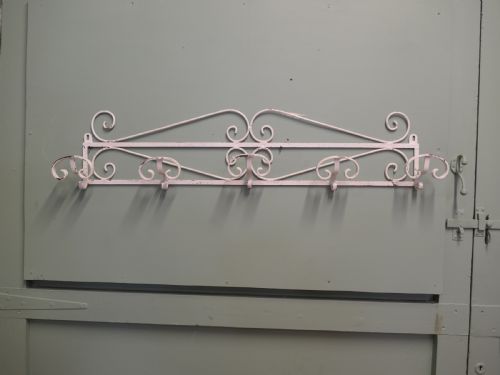
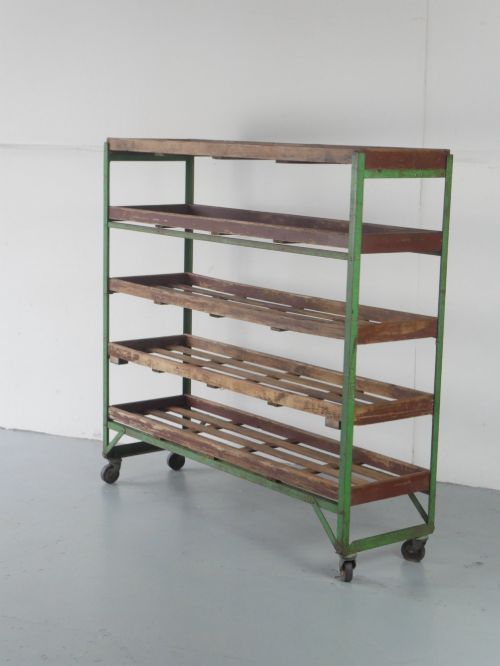
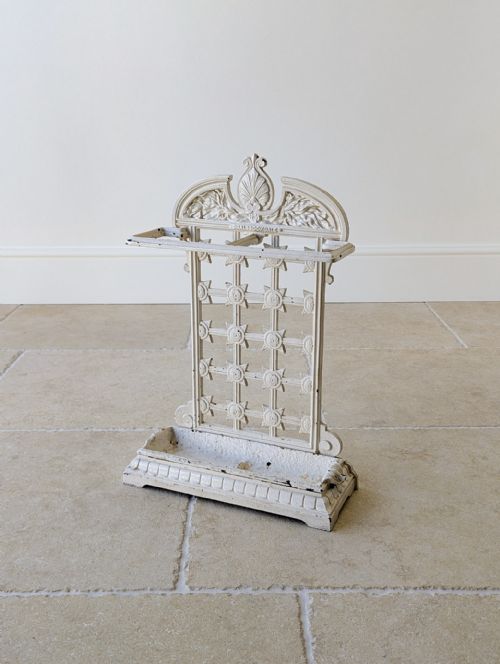

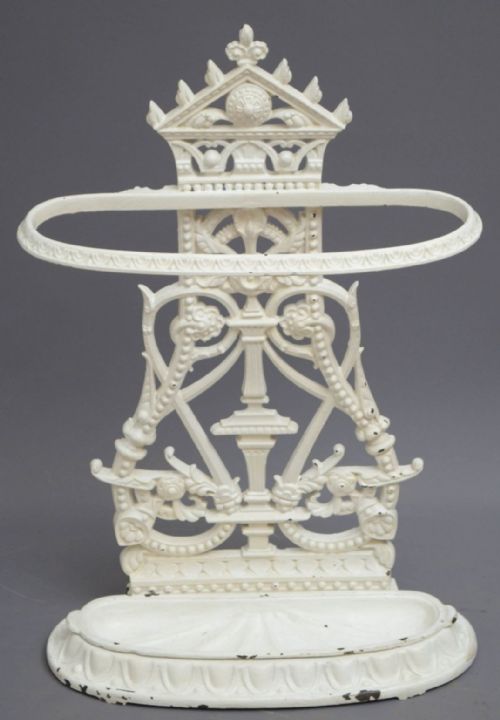


Painted Metal Rack
A painted metal rack brings utilitarian strength and distinct character into a room, offering practical storage through durable construction and surface colour.
Painted Metal Rack
A painted metal rack is a functional item designed for domestic organisation, spanning various forms such as coat stands, shelving units, umbrella stands, and pot stands. When searching for a painted metal rack, buyers encounter diverse domestic objects built from iron and steel rather than lightweight modern equivalents.
The pieces appearing on this page originate predominantly from the Victorian era and the early twentieth century, incorporating periods like 1890, 1900, 1910, and 1920 alongside broader nineteenth-century examples. Formats range from wall racks and kitchen dressers to floor-standing stick stands and industrial shelving.
Styles associated with these items reflect both utilitarian purpose and decorative intent, including Industrial, French Country, Gothic Revival, and Victorian Aesthetic Movement designs. Buyers are most likely to meet cast iron stick stands and wrought iron wall racks among the current selection.
How they were made
Construction relies primarily on robust metals such as cast iron, wrought iron, sheet metal, and painted steel, occasionally combined with secondary materials like pine or incorporating painted finishes and toleware decoration. Founders shaped molten metal in sand moulds for cast iron elements, whilst blacksmiths forged wrought iron bars into structural frames.
Surfaces received protective and decorative coats of paint, frequently applied in white, monochrome, or polychrome schemes that now exhibit varying degrees of natural distressing and patination. Metal components were joined through riveting, welding, or traditional mechanical fixings suited to heavy daily domestic use.
Painted Metal Rack Retail Price Guide 2026
Typical asking prices for painted metal rack among the pieces listed under this phrase on Sellingantiques today, from the lower quarter to the upper quarter. They describe what is for sale here now, not the wider market.
Listings feature items dated across the Victorian period, 1890, 1900, 1910, and 1920.
What varies in quality
Quality in a painted metal rack rests upon the crispness of the original metal casting or the skill of the blacksmith's forge work, distinguishing mass-produced utility items from finer decorative examples. Heavier gauge ironwork and sophisticated decorative motifs, such as faux bamboo or floral-decorated toleware, indicate superior workshop origins.
The integrity and character of the painted finish heavily influence desirability, with original surface layers showing authentic wear outperforming later repaintings. Structural completeness, particularly retained drip pans on stick stands or original wooden elements on dressers and shelving, determines the piece's standing.
Coalbrookdale
The Painted Metal Rack Glossary
- Cast iron
- A hard, brittle alloy of iron and carbon poured into moulds to create rigid forms. It allowed makers to produce ornate umbrella stands and hall stands with complex relief patterns during the Victorian period.
- Toleware
- Lacquered or enamelled metalware, typically tinplate, decorated with painted or gilt motifs. Items of this type bring colourful floral decoration to domestic stands.
- Faux bamboo
- A decorative technique simulating the joints and rings of natural bamboo on metal or wood surfaces. This style was popular during the Victorian Aesthetic Movement.
- Stick stand
- A household furnishing designed for holding walking sticks and umbrellas, often featuring a metal grid top and a base tray to catch water.
Painted Metal Rack: Frequently Asked Questions
What rooms suit a painted metal rack?
These pieces fit naturally into hallways, kitchens, and boot rooms where practical storage is required. Their robust metal construction handles damp coats and heavy utensils with ease.
Floor-standing umbrella stands and coat racks serve entryways, whilst wall-mounted shelving and spoon racks suit kitchen and dining spaces.
How do I care for the painted surface?
Maintenance requires gentle cleaning with a dry or lightly dampened cloth to remove dust without damaging the historic finish. Avoid harsh chemical cleaners that strip aged paint.
Allowing the natural patination and minor losses to remain preserves the authenticity and visual depth of the object.
Are these racks sturdy enough for daily use?
The heavy iron and steel construction of nineteenth and early twentieth-century pieces ensures substantial durability for everyday domestic tasks. They are built to bear significant weight from coats, cast iron pots, or heavy walking sticks.
Checking that wall fixings or floor bases remain stable guarantees safe operation in busy household environments.
How can I tell a Victorian stand apart from later ones?
Victorian pieces frequently display distinct foundry marks, Gothic Revival motifs, or aesthetic movement styling such as faux bamboo moulding. Cast iron elements from this era exhibit sharp relief work and heavy section profiles.
Later items from the 1910s and 1920s tend towards industrial utility, featuring simpler sheet metal and steel construction intended for functional workspaces.