



Painted Metal Figurine
A painted metal figurine brings tactile character to a desk or mantelpiece through small-scale foundry work and careful polychrome finishing.
Painted Metal Figurine
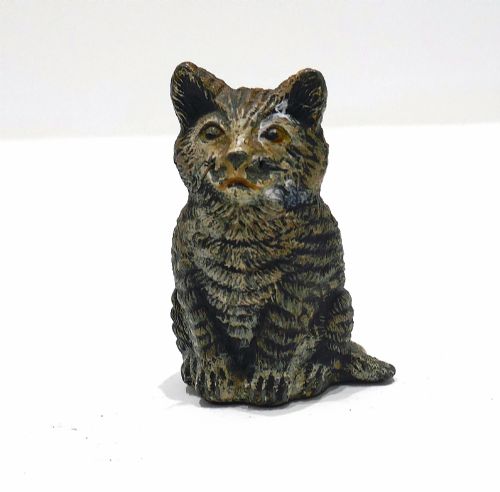
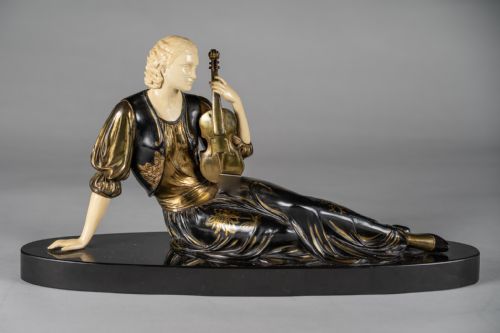
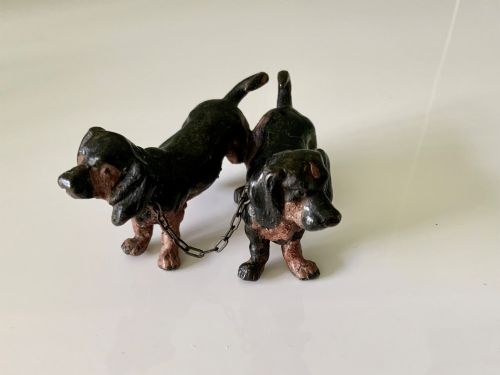
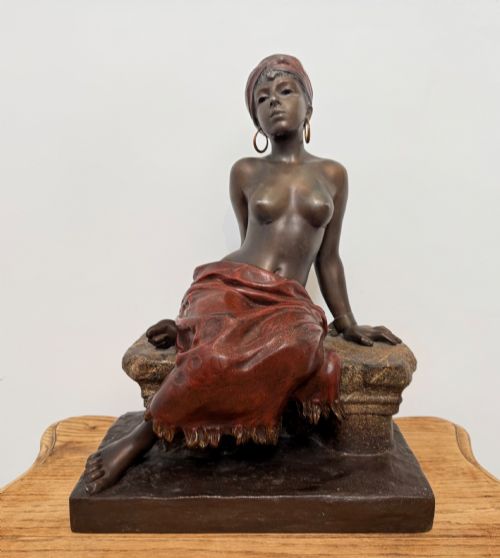
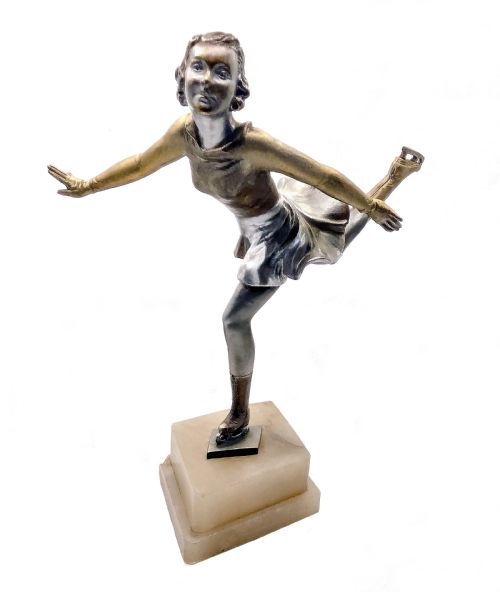
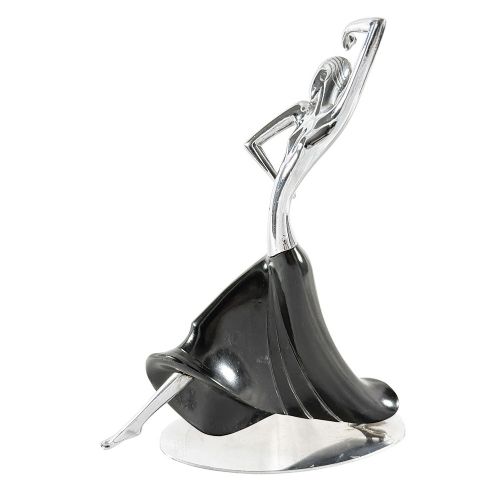
A painted metal figurine ranges from tiny animal studies and desk accessories to larger human figures cast in bronze, spelter, cast iron, or tin. You are most likely to encounter Austrian cold-painted bronzes from the late nineteenth and early twentieth centuries, alongside Art Deco spelter dancers on onyx bases.
The selection on this page stretches from the Victorian period through the Edwardian era into the 1930s. Forms include domestic animals, desk tidies, inkwells, match strikers, and figural sculptures reflecting Orientalist and European design trends.
Materials and casting methods
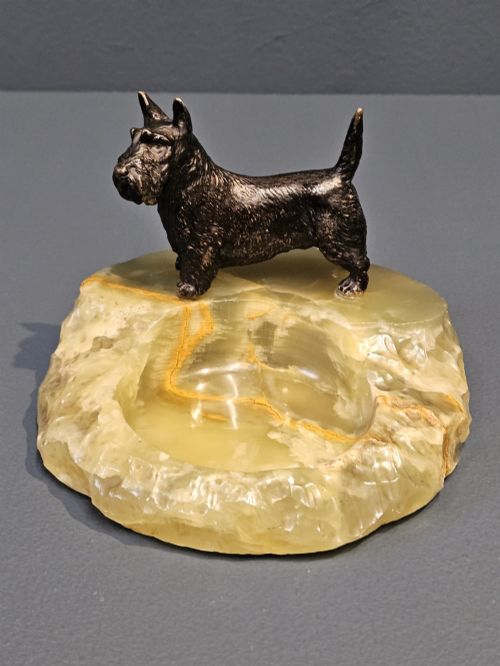
Foundries utilised bronze, spelter, cast iron, and tin as base metals, often employing traditional lost-wax casting for detailed bronzes or die-casting for later alloy figures. Onyx frequently served as a heavy, polished plinth material for desk pieces and animal studies.
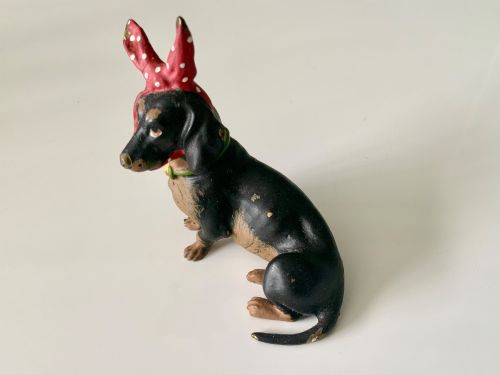
Surface colour was applied using cold-painting techniques where layers of pigment adhered to the metal without high-temperature firing. This method required steady brushwork to delineate feathers, fur, and garments on miniature and cabinet-scale sculptures.
Painted Metal Figurine Retail Price Guide 2026
Typical asking prices for painted metal figurine among the pieces listed under this phrase on Sellingantiques today, from the lower quarter to the upper quarter. They describe what is for sale here now, not the wider market.
Listings span the Victorian era, the Edwardian period, and the 1930s, featuring bronze, spelter, cast iron, and onyx.
Assessing quality and finish
The preservation and original complexity of the polychrome surface dictate visual success. Retained layers of subtle shading on feathers, coats, or clothing indicate careful studio work, whereas thick or flat overpainting obscures the underlying metal detail.
Josef Lorenzl·Franz Bergman·E Villanis·Jennings Brothers·Geo Maxim·Stephan Buchinger
The Painted Metal Figurine Glossary
- Cold-painted bronze
- Bronze sculpture finished with unheated oil or gouache paints applied directly to the metal surface. This technique was widely utilised by Viennese foundries for small animal and human figures.
- Spelter
- A zinc alloy commonly used as a less expensive alternative to bronze during the nineteenth and twentieth centuries. It accepts metallic plating and paint readily but possesses a softer structure than bronze.
- Vienna bronze
- Small, highly detailed bronze figures produced in Austrian workshops during the late nineteenth and early twentieth centuries. They frequently depict animal subjects, sporting scenes, and Orientalist figures.
- Desk tidy
- A functional desk accessory incorporating compartments, pin cushions, or figural ornaments designed to hold stationery. These items combine utility with decorative metal casting.
- Onyx base
- A polished natural stone plinth used to mount heavy metal sculptures and inkwells. It provides stability and a contrasting textural background for the cast figures.
Painted Metal Figurine: Frequently Asked Questions
What is a cold painted bronze?
A cold painted bronze is a metal sculpture finished with paint applied without kiln firing. The pigments rest upon the prepared bronze surface, capturing fine details in naturalistic tones.
Over decades, handling can cause the paint layers to show light wear. Collectors value pieces that retain their original untransformed pigment.
How do I distinguish bronze from spelter?
Bronze is a dense copper alloy that feels heavy and cool to the touch with a resonant ring when tapped. Spelter is a softer zinc alloy that often shows a greyish metal tone beneath chips in the surface finish.
Many Art Deco figures utilise spelter mounted on heavy stone bases. Bronze examples tend to hold sharper cast details in the hair and clothing folds.
Were these figures meant for desks?
Many metal figurines served practical roles as inkwells, match strikers, pin cushions, and desk tidies. Artisans integrated small sculptures into everyday stationery items to adorn Victorian and Edwardian studies.
Other pieces functioned purely as cabinet ornaments or mantel decorations. Animal groups and human figures were displayed on wooden shelves and onyx plinths.
How should I clean painted metal figures?
Dust these pieces gently with a dry, soft brush to protect the delicate pigment layers. Moisture and chemical solvents can lift cold-paintwork from the metal substrate.
Keep figures away from direct sunlight and high humidity to prevent the paint from fading or flaking. Stable indoor conditions preserve the original surface finish.