

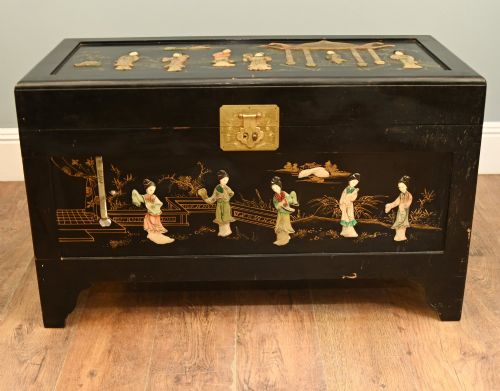
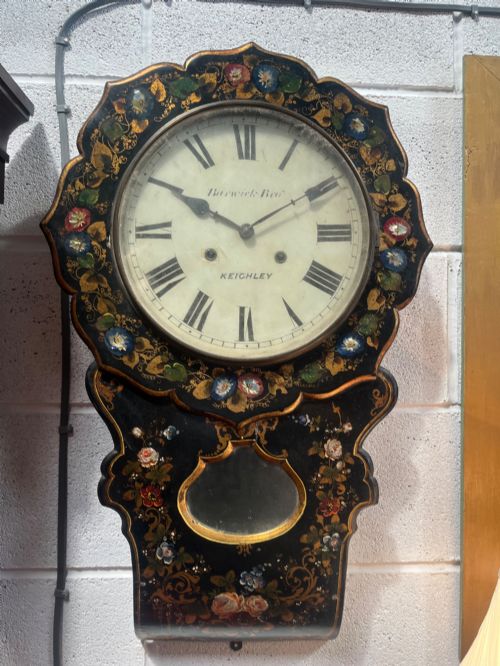
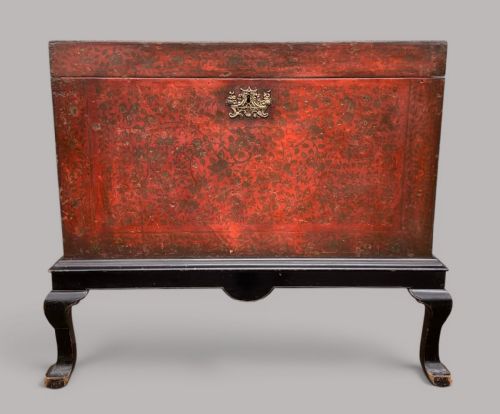
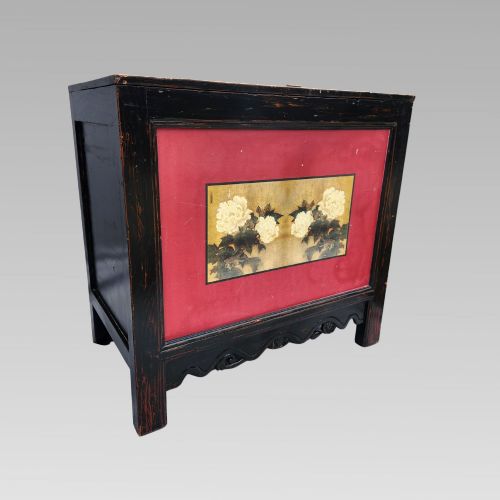


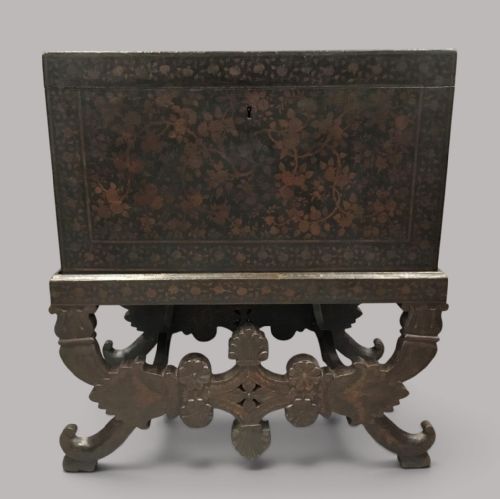


Painted Lacquer Trunk
These painted lacquer trunks are robust storage chests and coffers finished with pigment and varnish, offering decorative utility for any interior.
Painted Lacquer Trunk
When you search for a painted lacquer trunk, you find storage pieces ranging from large coffers to travelling cases and chests on stands. The pieces seen here span the nineteenth century, nineteen hundred, nineteen twenty, and nineteen thirty, drawing on diverse origins.
The forms include Chinese wedding chests, black lacquer storage boxes, and Indian red lacquered chests on stands. You also encounter Qajar cashier boxes and Victorian campaign cases among the varied object types.
Regional styles dominate the selection, encompassing Anglo-Indian, Chinese export, Republic period, and traditional Chinese aesthetics. These trunks serve as functional containers while displaying intricate hand-painted decoration across wood and ebonised surfaces.
How they were made
The construction relies on solid wood foundations, sometimes ebonised or utilising papier-mache alongside standard timber. Artisans apply multiple layers of lacquer to seal and protect the structure before adding surface detail.
Decoration involves applied pigments, hand-painted floral chinoiserie, and occasionally soapstone inlay or glass elements. Metal fittings such as brass hardware secure the corners, edges, and locking mechanisms on travelling and campaign pieces.
Painted Lacquer Trunk Retail Price Guide 2026
Typical asking prices for painted lacquer trunk among the pieces listed under this phrase on Sellingantiques today, from the lower quarter to the upper quarter. They describe what is for sale here now, not the wider market.
Some nineteenth-century trunks spent their youth carrying cashiers' ledgers before retiring to a quiet life holding spare blankets.
What varies in quality
Quality rests in the intricacy of the hand-painted decoration and the preservation of the lacquer surface across the panels. Pieces featuring detailed pictorial scenes or complex floral chinoiserie demonstrate superior artistic execution compared to plain finishes.
The structural integrity of the underlying wood and the retention of original brass hardware influence the standing of each chest. Refined joinery, such as that seen on chests on stands or campaign cases, distinguishes higher-grade examples from standard storage boxes.
The Painted Lacquer Trunk Glossary
- Lacquer
- A durable resin finish applied to wood surfaces in multiple coats to create a smooth, protective, and often glossy exterior.
- Chinoiserie
- European interpretations and adaptations of Chinese artistic traditions, frequently featuring landscapes, figures, and floral motifs.
- Coffer
- A sturdy wooden box or chest traditionally used for storing valuables, linens, or documents.
- Campaign case
- Portable furniture designed for travel, typically fitted with flush brass handles, reinforced corners, and robust locking mechanisms.
- Ebonised wood
- Timber treated with stain or finish to imitate the dark, dense appearance of ebony.
Painted Lacquer Trunk: Frequently Asked Questions
How were painted lacquer trunks used historically?
These chests served primarily for storing clothing, wedding trousseaus, documents, and valuables within domestic or travelling settings. Sturdy construction protected contents from dust, moisture, and pests during transit or long-term storage.
Portable versions like campaign cases facilitated transport for travellers and officials. Stationary coffers and chests remained in rooms as both furniture and secure storage.
Where do these trunks originate?
The pieces originate from diverse cultural traditions, including Chinese export workshops, Indian regional makers, and Qajar Persian sources. Each region utilised distinct decorative palettes and construction methods.
Styles range from traditional Chinese black lacquer to Anglo-Indian red lacquered surfaces on stands. This variety reflects global trade and cross-cultural aesthetic influences during the nineteenth and early twentieth centuries.
How do I care for a lacquer surface?
Keep painted lacquer trunks out of direct sunlight and away from heat sources to prevent the finish from drying and cracking. Maintain a stable room temperature and humidity level.
Dust gently with a soft, dry cloth and avoid using chemical cleaners, polishes, or abrasive cloths that can damage the pigment and varnish layers.
How do I distinguish between periods?
Dating relies on examining the construction techniques, hardware styles, and the specific characteristics of the painted decoration. Victorian and nineteenth-century pieces often display traditional joinery and heavier brass fixtures. <div></div> Pieces from nineteen twenty and nineteen thirty frequently show shifts towards Republic period motifs or distinct regional Chinese styling. Comparing the ageing of the wood and lacquer provides further chronological clues.