





Painted Kitchen Cabinet
A painted kitchen cabinet brings honest utility and time-worn character to a room, offering practical storage wrapped in layers of history.
Painted Kitchen Cabinet
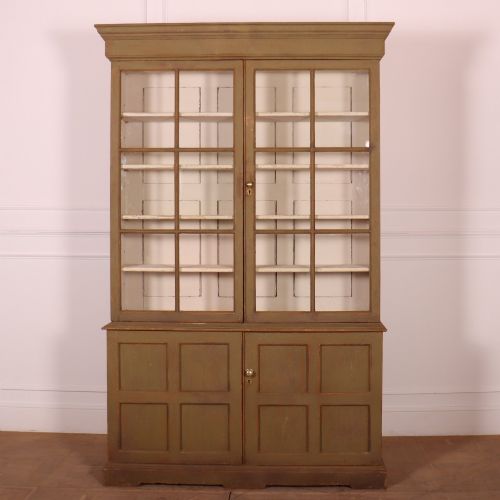
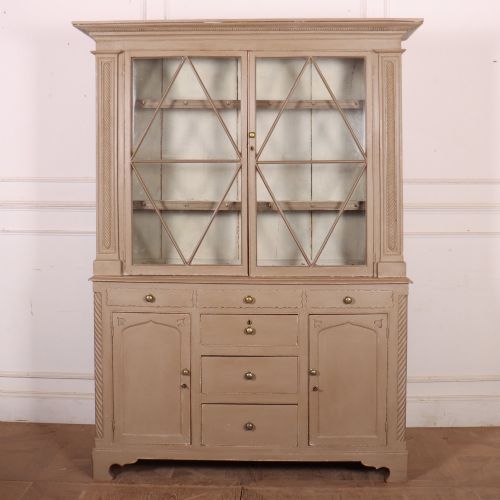
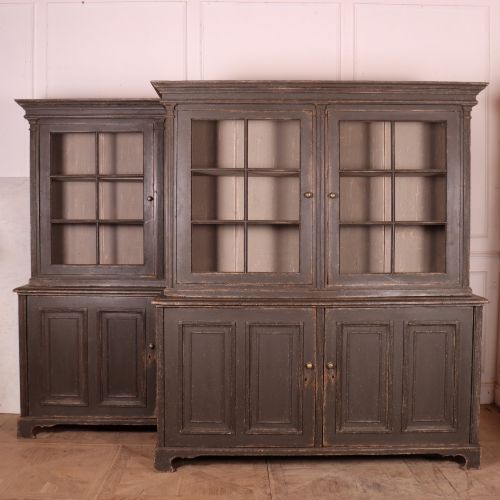
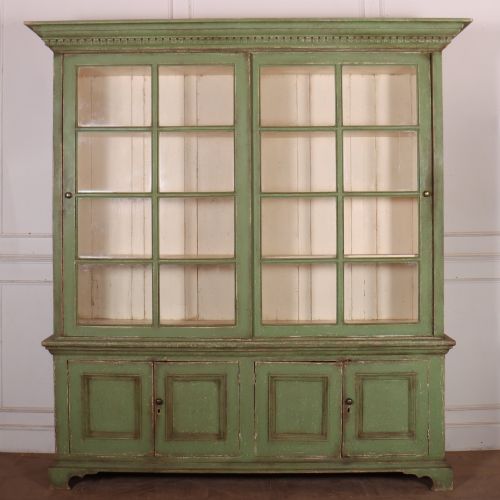
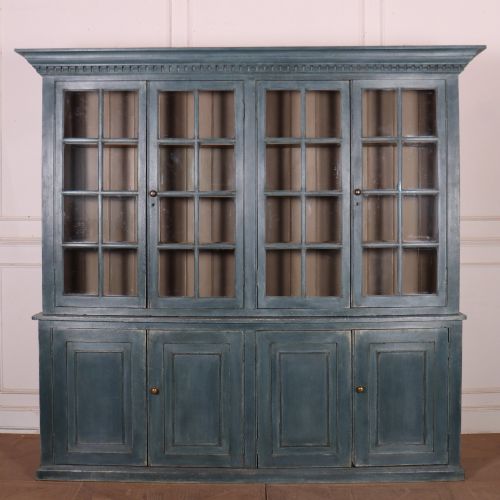
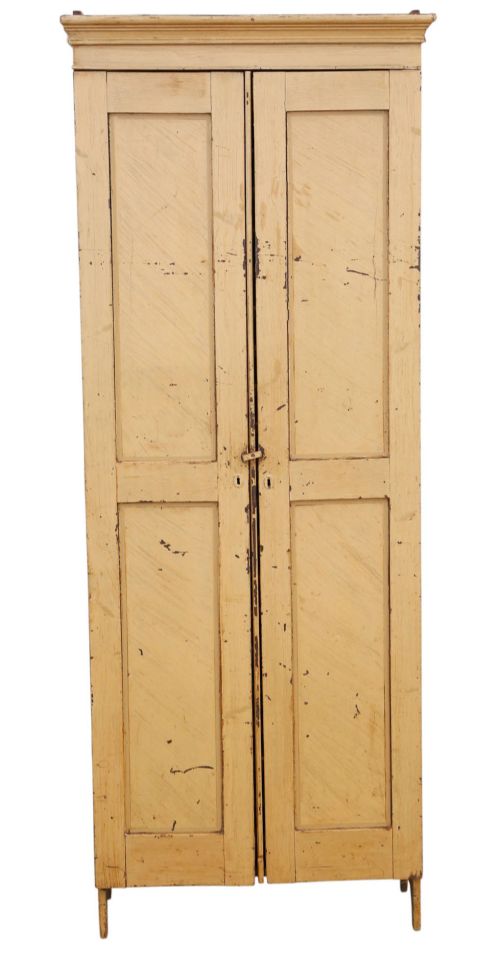
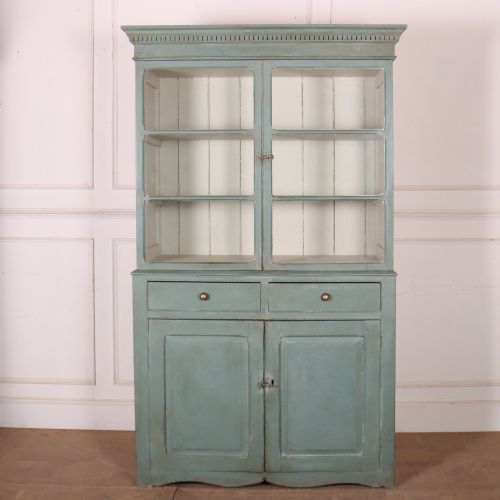
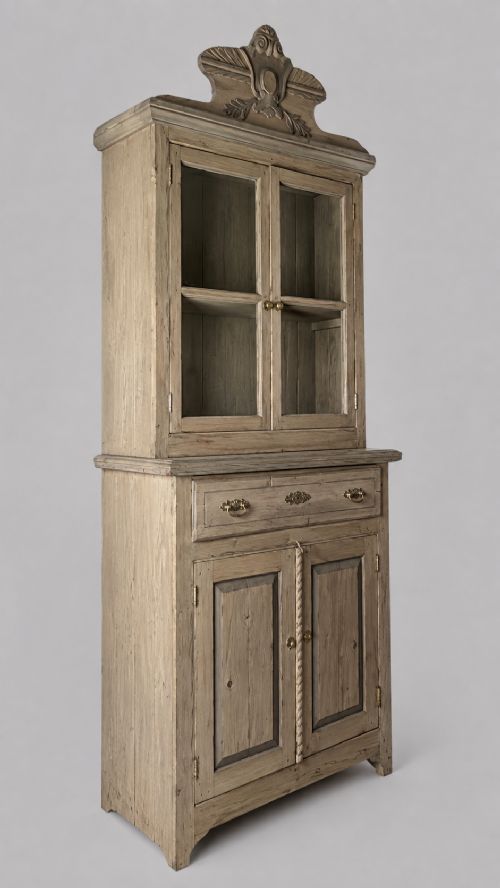
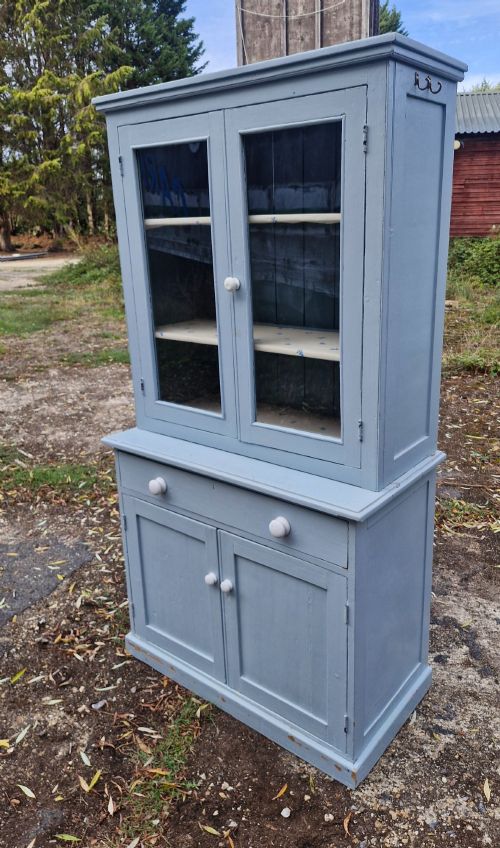
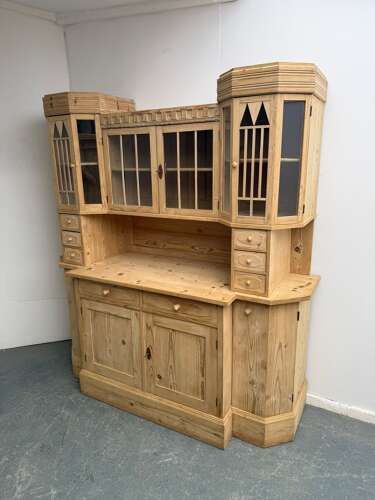
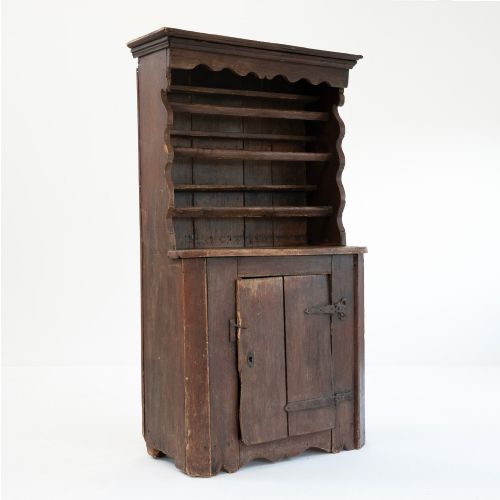
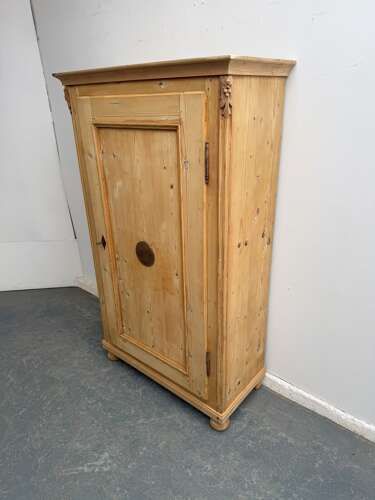
When you search for a painted kitchen cabinet, you meet sturdy storage furniture built to serve hardworking domestic spaces. The pieces appearing here span from the eighteenth century through the Edwardian era, taking forms such as tall housekeeper's cupboards, multi-part dressers, and glazed display units.
You are most likely to encounter nineteenth-century and Victorian pine examples shaped by regional traditions. English country pieces sit alongside French provincial, Scandinavian, and Hungarian variations, each showing the specific proportions and storage needs of its origin.
The layout typically combines open plate racks, deep base cupboards, and enclosed shelving designed to hold kitchen provisions and tableware. Some pieces arrive in original historic paint, while others retain surfaces ready for waxing or custom finishing.
How They Were Made
Local joiners constructed these cabinets primarily from solid pine, utilising timber chosen for structural strength and everyday utility. Carcasses were joined using traditional methods suited to heavy daily use in busy farmhouse kitchens.
Iron and brass hardware such as hinges, latches, and drawer pulls secured the heavy doors and drawers. Glass panels appeared on upper display sections, while surfaces received layers of protective paint and natural wax over decades of service.
Painted Kitchen Cabinet Retail Price Guide 2026
Typical asking prices for painted kitchen cabinet among the pieces listed under this phrase on Sellingantiques today, from the lower quarter to the upper quarter. They describe what is for sale here now, not the wider market.
Listings feature pine furniture spanning multiple eras, including Georgian, Victorian, and Edwardian periods, across English, French, and Scandinavian styles.
What Varies in Quality
Quality rests upon the integrity of the original construction and the survival of authentic surface finishes. Pieces retaining undisturbed historic paint schemes hold greater character than those stripped or repeatedly recoated.
Proportion and scale distinguish finer regional workshop pieces from utilitarian utility furniture. Well-balanced cornices, panelled doors, and original hardware indicate careful attention from the maker.
The Painted Kitchen Cabinet Glossary
- Housekeeper's cupboard
- A large storage piece traditionally used for linens and dried foods, featuring tall upper doors above base cupboards. These imposing items formed the backbone of large country house domestic service.
- Dresser base
- The lower section of a kitchen dresser, functioning as a sideboard with cupboards and drawers. They provide substantial surface area and enclosed storage without upper shelving.
- Bread and cheese cupboard
- A specialised ventilated food safe designed to keep perishables fresh through air circulation. Perforated panels or vented doors allowed cool air to move through the timber enclosure.
- Confiturier
- A French jam cupboard made to store preserved fruits and provisions in stoneware pots. These compact single-door cabinets fit easily into modest kitchen spaces.
- Original paint
- A surface coating applied during the period of manufacture that has survived without modern repainting. Traces of historical wear on the pigment reveal the genuine age of the furniture.
Painted Kitchen Cabinet: Frequently Asked Questions
What is a housekeeper's cupboard?
A housekeeper's cupboard is a tall, large-scale storage unit designed for domestic provisions and household linens.
These pieces typically feature multiple doors enclosing deep shelves, offering substantial capacity for modern kitchens.
How do I care for original painted surfaces?
Original painted surfaces require gentle cleaning with a soft, dry cloth to remove dust without disturbing historic pigment.
Avoid harsh chemical cleaners and excessive moisture, applying occasional clear wax only if the timber feels dry.
How can I tell a Georgian piece from a Victorian one?
Georgian cabinets often display simpler, restrained architectural lines and older construction joints like hand-cut dovetails.
Victorian pieces frequently lean towards heavier proportions, bolder mouldings, and more varied regional country styles.
What are vented kitchen cupboards used for?
Vented cupboards were built with perforated panels or slatted doors to store food safely before refrigeration.
Air circulation kept perishable items cool, making them practical for bread, cheese, and dried goods.