


Painted Iron Double Bed
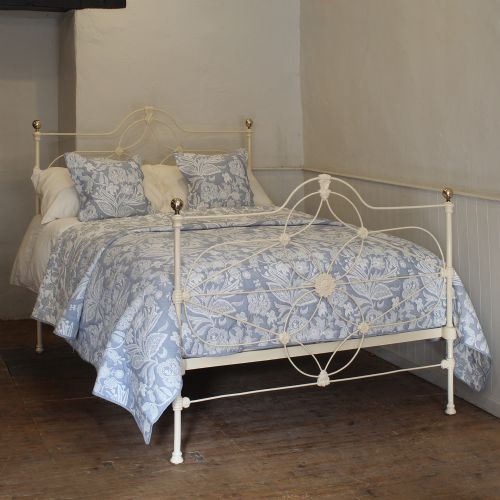
A painted iron double bed brings enduring metalwork and original colour to a bedroom, offering sturdy proportions and historic character.
Painted Iron Double Bed
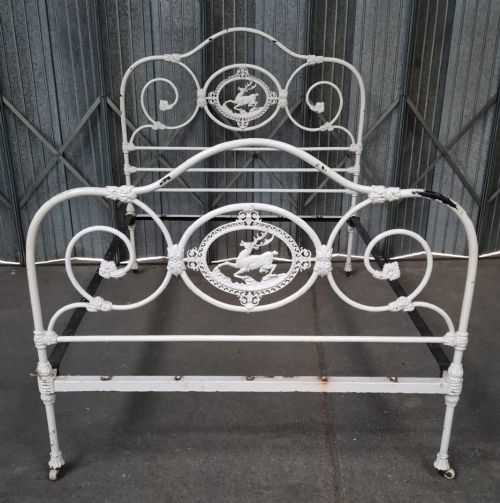
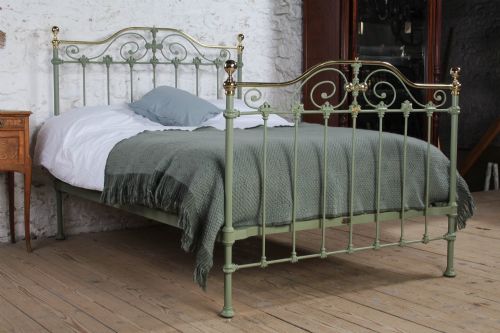
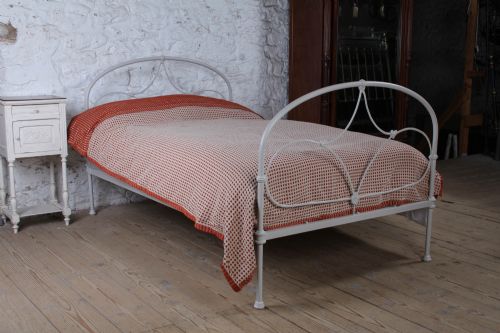
A painted iron double bed stands as a sturdy metal frame designed to fit two sleepers comfortably while displaying the decorative tastes of the nineteenth and early twentieth centuries. These pieces appear in forms ranging from plain iron rails to elaborate frames incorporating brass details, half testers, and footboards of varying heights.
Most examples encountered here date from the Victorian era through to the early twentieth century, spanning decades such as the 1870s, 1880s, 1890s, 1900s, 1910s, and 1920s. Buyers frequently select between French, Irish, and standard British designs, which incorporate specific stylistic nuances such as Celtic revival motifs or simple cast iron pillars.
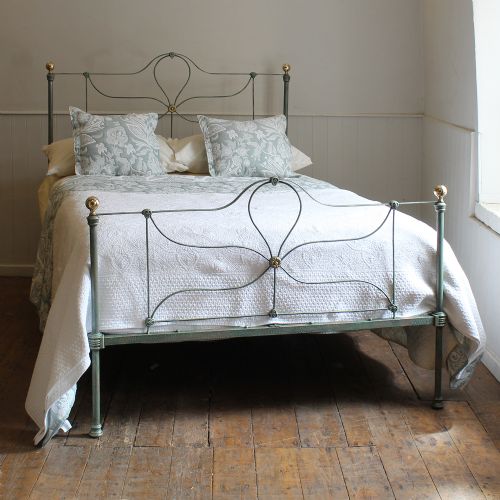
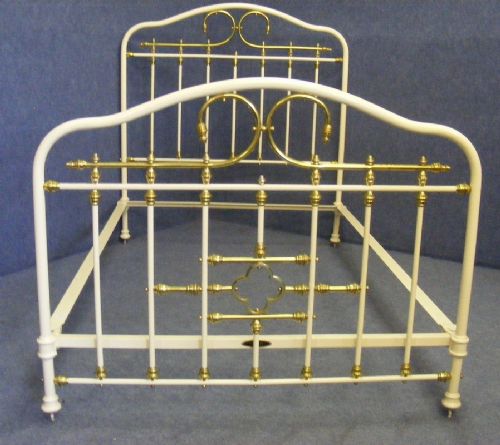
The construction typically combines cast iron, forged or wrought iron, and brass components, finished with painted surfaces in cream, green verdigris, ivory, white, or original black. These frames accommodate various sizing standards including standard double, small double, and occasionally king sizes or larger dimensions.
Materials and construction
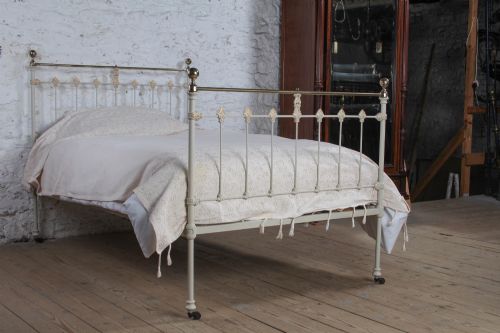
Manufacturers built these bedsteads using robust cast iron for structural components and decorative castings, paired with wrought or forged iron bars for framework and stability. Brass fittings, finials, and rails provided ornamental contrast against the dark or painted iron bodies.
Surfaces received protective and decorative coats of paint, utilising heritage shades or original pigments that survive in cream, green, white, and black finishes. Many frames incorporate functional elements such as side irons and castors to ease placement within a room.
Some nineteenth-century sleepers enjoyed the luxury of a half tester canopy above their painted iron headboard.
Judging quality
Quality rests upon the crispness of the iron castings and the finesse of the brass detailing, where finer beds display intricate decorative work rather than plain mass-produced joints. The presence of original paint effects and untouched surfaces separates superior examples from those with later overpainting.
Structural integrity depends on the robustness of the forged ironwork and the survival of matching side irons and original castors. Frames that retain their complete configuration without replacement components represent the higher tier of surviving pieces.
The Painted Iron Double Bed Glossary
- Cast iron
- Iron poured into a mould to create rigid structural parts and decorative motifs. This material forms the solid foundation of many nineteenth-century bed frames.
- Wrought iron
- Iron heated and hammered into shape by hand, resulting in tough, fibrous metal. Forged iron elements often appear in the simpler or more curvilinear bed designs.
- Half tester
- A canopy that projects partway over the head of the bed from the wall or headboard. These frames support drapery above the sleeping area.
- Dip rail
- A headboard or footboard rail that curves downwards in the centre. This profile creates a distinct silhouette characteristic of specific Victorian bedstead designs.
- Verdigris
- A green patina formed naturally or artificially on copper, brass, or iron surfaces. This finish appears on several listed beds to provide an aged decorative effect.
Painted Iron Double Bed: Frequently Asked Questions
Will a standard modern mattress fit these beds?
These historical frames were manufactured to nineteenth and early twentieth-century dimensions, which can vary slightly from modern standard sizes. Checking the exact interior measurements between the side irons ensures a proper fit for contemporary mattresses.
Many buyers use custom-made mattresses or simple slatted wooden bases placed inside the frame to support modern bedding securely.
How do I assemble an antique iron bed?
Most antique metal beds utilise a straightforward wedge-and-socket system where the side irons slot directly into the headboard and footboard brackets. Tapping the joints gently with a rubber mallet settles the tapered fittings firmly into place.
No complex tools are usually required, though having two people makes aligning the heavy cast iron components much easier and safer.
Are these beds sturdy enough for daily use?
Constructed from heavy cast and forged iron, these frames offer exceptional structural durability that often surpasses modern mass-produced furniture. The thick metal pillars and secure iron side rails support regular weight without difficulty.
Ensuring all original joints remain tight and stable provides a reliable sleeping platform for everyday household use.
How should I clean the painted iron surface?
Painted iron surfaces require gentle dusting with a dry or slightly damp cloth to prevent the accumulation of dirt. Strong chemical cleaners and abrasive pads should be avoided to protect the integrity of the historic paint.
Preserving original paint finishes involves minimal intervention, using only soft cloths to maintain the aged lustre of the surface.
How can I tell the Victorian beds from later ones?
Victorian examples typically date from the 1870s to the end of the nineteenth century and often feature heavier brass embellishments and distinct casting marks. Stylistic cues like Celtic revival patterns or specific dip rail designs point towards nineteenth-century manufacture.
Early twentieth-century pieces, including Edwardian and 1920s frames, often present simpler lines or different paint treatments, such as unique European finish effects.