






Painted Iron Chest
A painted iron chest brings rugged utility and folk artistry together, offering secure storage wrapped in historical character.
Painted Iron Chest
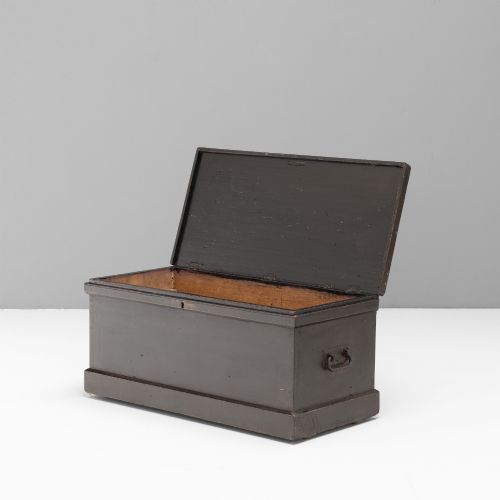
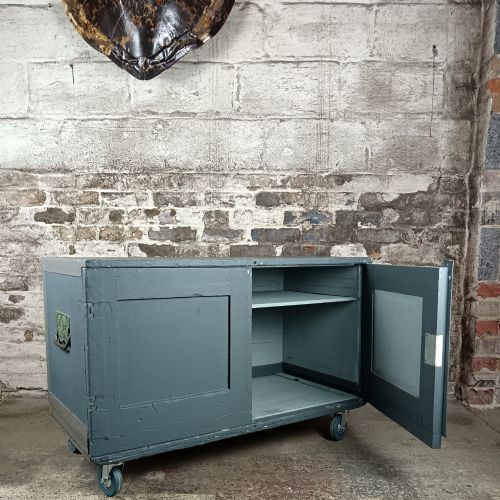
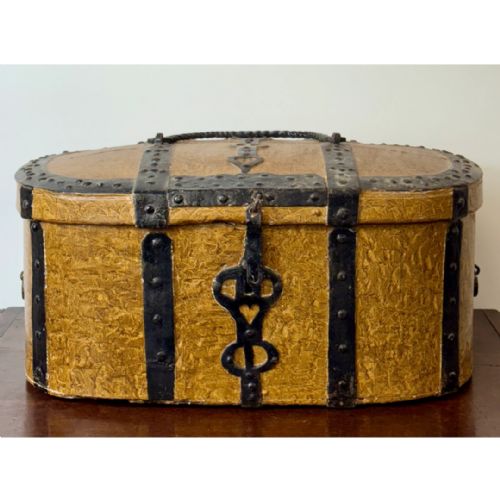
When searching for a painted iron chest, buyers encounter robust storage containers originating from periods spanning the seventeenth to the early twentieth century. These objects combine metal reinforcement with timber construction, often finished with decorative pigment or folk art motifs.
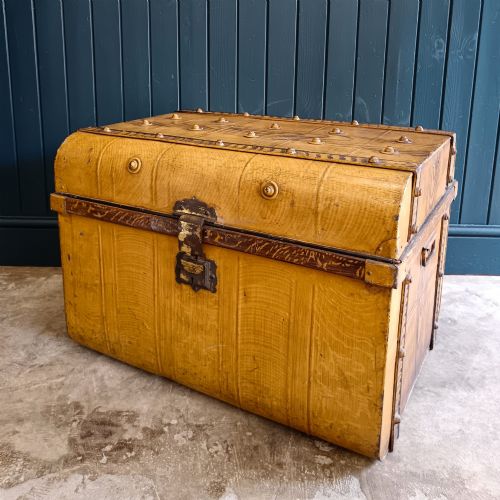
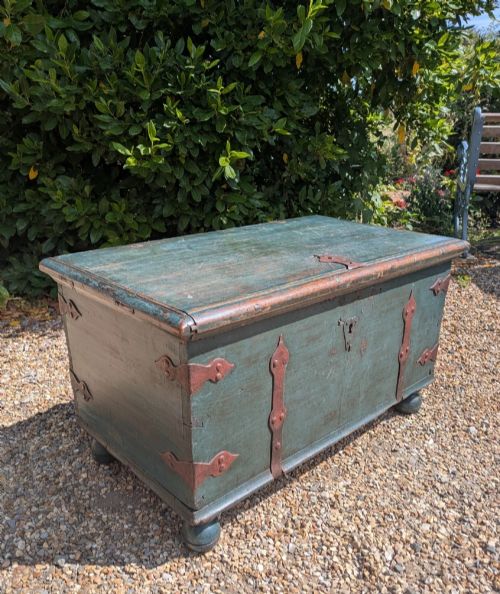
The most common examples on this page are nineteenth-century Scandinavian pine pieces, alongside dome-top coffers, strong boxes, and military campaign trunks. Many items originate from Swedish traditions, showcasing hand-painted surfaces and hand-forged iron strapwork.
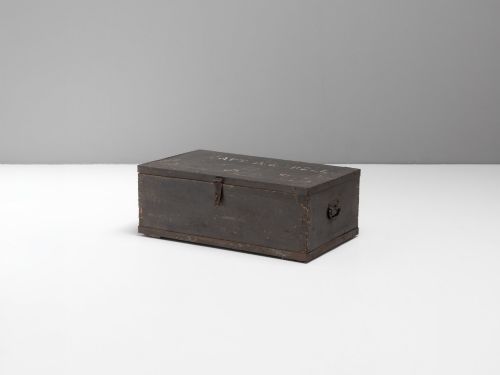
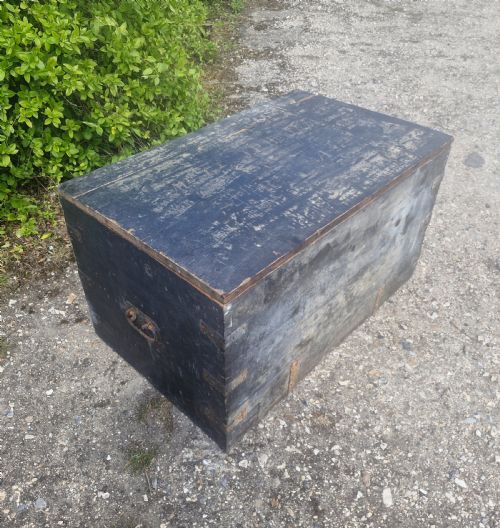
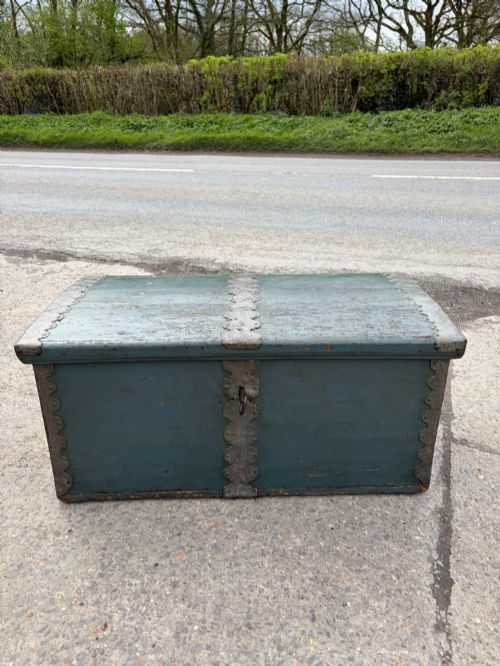
Forms range from small oval boxes to large storage trunks and heavy strongboxes. Each piece served a practical purpose for travel, security, or domestic organisation before becoming a decorative item.
How they were made
Construction relies on solid timbers such as pine and oak, joined to form trunks, coffers, and boxes. Smiths shaped iron and wrought iron into hinges, corner brackets, and heavy strapwork to reinforce the wooden bodies.
Surfaces received layers of paint, pigment, or faux-wood finishes, sometimes executed in distinct folk art or maritime styles. Brass elements and tin components appear on specific items like travelling trunks and toleware boxes.
Painted Iron Chest Retail Price Guide 2026
Typical asking prices for painted iron chest among the pieces listed under this phrase on Sellingantiques today, from the lower quarter to the upper quarter. They describe what is for sale here now, not the wider market.
Listings include nineteenth-century Scandinavian folk art pieces, military campaign chests, and Victorian strongboxes constructed from pine, oak, and iron.
What varies in quality
Quality rests in the preservation of original paint and the integrity of the ironwork. Pieces retaining their earliest pigmented surfaces command greater interest than those stripped or repainted later.
The sophistication of the hand-forged strapwork and the complexity of the decorative painting distinguish standard utility trunks from exceptional folk art pieces. Structural survival of the underlying wood and metal fittings also defines the standard.
George Price
The Painted Iron Chest Glossary
- Strapwork
- Metal bands or strips applied to the exterior of a chest to reinforce the wooden panels. These are frequently hand-forged and decorative.
- Coffer
- A heavy wooden chest, often with a dome top, used historically for storing valuables and documents. They typically feature robust iron locking mechanisms.
- Toleware
- Metalware coated with lacquer or paint, often associated with domestic boxes and containers from the nineteenth century. The technique creates a smooth, coloured surface.
- Strongbox
- A secure container built primarily from iron or metal-bound wood to protect money and documents. Many include complex internal locking mechanisms.
- Folk art
- Artistic work created within a traditional culture by self-taught makers, often seen in the decorative painted surfaces of Scandinavian chests.
Painted Iron Chest: Frequently Asked Questions
What were painted iron chests used for?
These containers served varied domestic and travel purposes, from storing blankets and garments to securing valuables and important documents. Strongboxes protected money, while campaign trunks transported belongings during military service.
Over time, many transitioned from utilitarian storage to decorative household furnishings, valued for their distinct visual presence.
How do I date a painted iron chest?
Dating relies on examining the construction methods, nail types, hinge styles, and the composition of the wood and metal. Seventeenth and eighteenth-century examples often display heavy hand-forged ironwork and simpler plank construction.
Nineteenth-century pieces frequently feature Scandinavian folk art painting, specific lock designs, or factory-produced metal components that help narrow the period.
How should I clean a painted surface?
Original painted surfaces require gentle dusting with a soft, dry cloth to remove loose dirt. Avoid liquid cleaners, solvents, or abrasive materials that can strip or damage historical pigments.
Preserving the aged finish maintains the historical character and visual integrity of the piece.
Where do Scandinavian folk art chests originate?
Many of these pieces originate from rural Sweden, where local craftsmen and painters decorated pine furniture with regional motifs and rich pigments. These boxes often marked significant life events such as marriages.
The tradition produced distinctive dome-top coffers, strong boxes, and blanket chests featuring vibrant green, red, and blue paint.