



Painted Glass Bottle
When you handle a painted glass bottle, you hold centuries of applied enamel and delicate hand work.
Painted Glass Bottle
A painted glass bottle encompasses diverse vessels from the eighteenth, nineteenth, and mid-twentieth centuries, ranging from functional serving containers to cabinet miniatures. The selection brings together Georgian Bristol blue decanters, Victorian Mary Gregory ewers, and folk art schnapps flasks.
Buyers encounter distinct regional traditions within this group, including Bohemian opaline pieces, Dutch gin decanters, and Chinese inside-painted snuff bottles. Serving vessels and small scent containers dominate the physical forms found in these archives.
How they were made
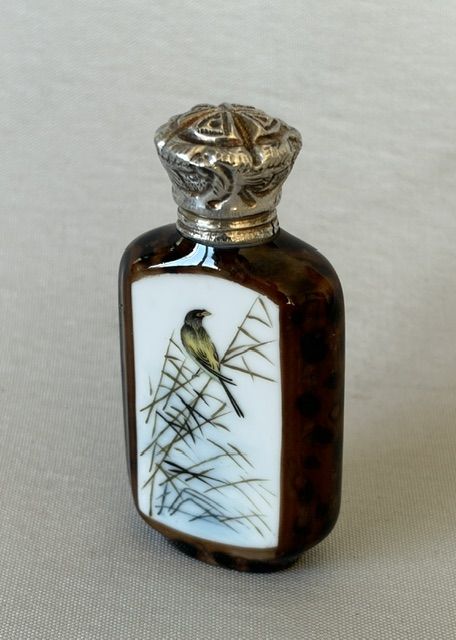
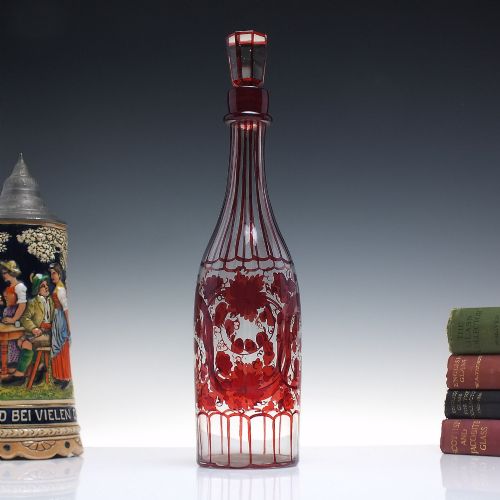
Makers shaped glass through blowing and moulding, utilising clear, white opaline, satin, or coloured metal to form the body. Artisans then applied enamel, oil paint, or gold leaf directly to the exterior or, in specific Asian traditions, through the narrow neck using bent implements.
Firing fixed the polychrome pigments and enamel details to the glass surface, while stoppers and mounts incorporated pewter or crystal elements to complete the functional design.
Painted Glass Bottle Retail Price Guide 2026
Typical asking prices for painted glass bottle among the pieces listed under this phrase on Sellingantiques today, from the lower quarter to the upper quarter. They describe what is for sale here now, not the wider market.
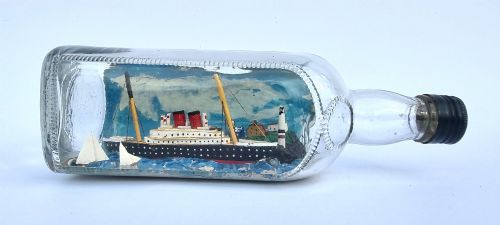
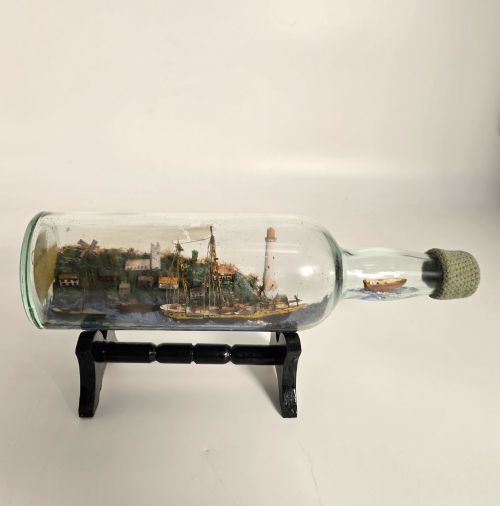
Several miniature bottles contain entire steam ships meticulously assembled inside through a narrow glass neck.
What varies in quality
The sophistication of the brushwork dictates the standing of each piece, distinguishing hurried folk art applications from refined miniature painting. Precision in the enamel detail and the preservation of original gilding significantly affect the integrity of the object.
The clarity and weight of the underlying glass vessel, alongside the correct match of an original stopper or mount, separate standard production from superior examples.
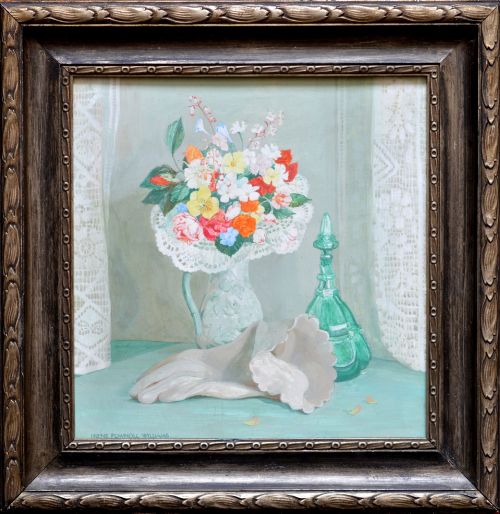
Irene Christobelle Pownoll Williams·Guyue Xuan mark·Yong Shoutian
The Painted Glass Bottle Glossary
- Enamel
- Opaque glass or metallic flux fused to the surface by heat. This technique provides durable colour decoration on eighteenth and nineteenth-century vessels.
- Opaline glass
- An opaque or translucent glass popular in nineteenth-century decorative wares. It provides a pale white ground well suited for polychrome painting.
- Decanter
- A stoppered glass bottle used for serving wine, whiskey, or spirits. Examples range from plain Georgian glassware to heavily enamelled Victorian specimens.
- Snuff bottle
- A small container designed to hold powdered tobacco. Chinese examples frequently display intricate painting applied to the interior surface.
- Ewer
- A large jug with a flared spout and handle used for water or wine. Victorian versions often feature contrasting green or blue glass decorated with white silhouettes.
Painted Glass Bottle: Frequently Asked Questions
How do I clean a painted glass bottle?
Wash the vessel gently by hand in lukewarm water using mild soap, avoiding harsh scrubbing near painted areas. Submerging decorated glass for extended periods risks softening historic enamel or oil pigments.
Dry the interior thoroughly with a lint-free cloth and store the bottle away from direct sunlight to protect the pigments from fading over time.
Are stoppers usually original?
Many antique bottles retain their matching stoppers, though replacements occur frequently due to breakage over centuries of use. Inspect the ground glass fit and wear patterns on the neck to assess originality.
Matching colour, glass weight, and style between the body and stopper helps confirm whether they belong together from the period of manufacture.
How do I date an antique bottle?
Examine the pontil mark on the base, glass colour, and stylistic motifs to determine the manufacturing era. Georgian and Victorian pieces often show distinct pontil scars and characteristic enamel palettes.
Comparing the decorative subject matter, such as floral motifs or maritime scenes, against documented regional traditions narrows the production period further.
Can these bottles hold liquids safely?
While many historical decanters and flasks functioned for serving spirits, aged glass and delicate exterior paints require careful handling. Internal residue or hairline fractures can compromise structural integrity.
Treat most antique painted vessels as decorative display items rather than practical tableware to preserve the fragile surface decoration.