




Painted Footstool
These painted footstool examples combine useful low seating with decorative surface colour, spanning European and Asian workshops.
Painted Footstool
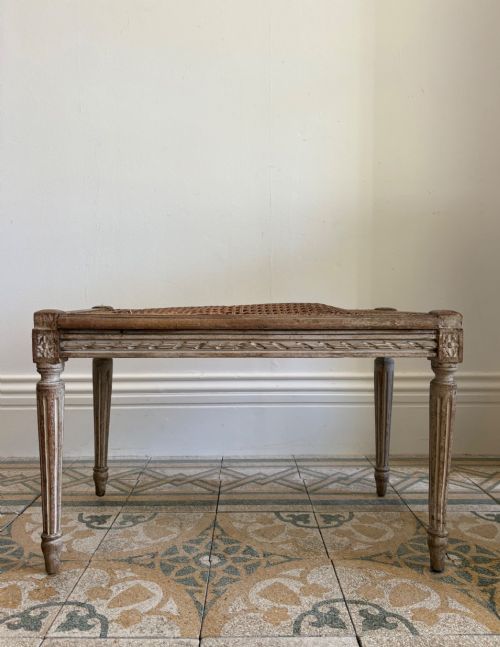
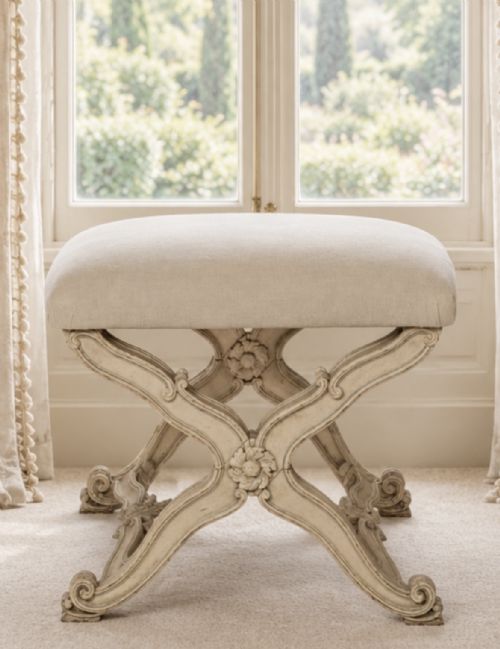
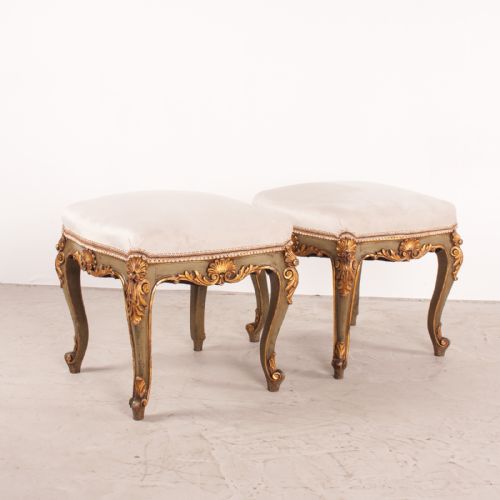
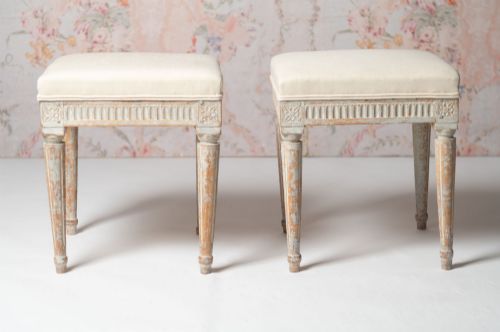
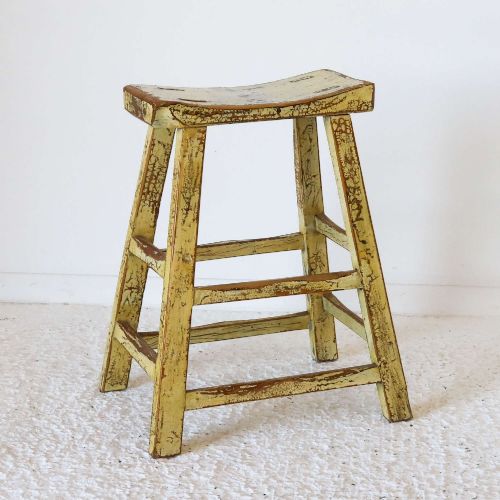
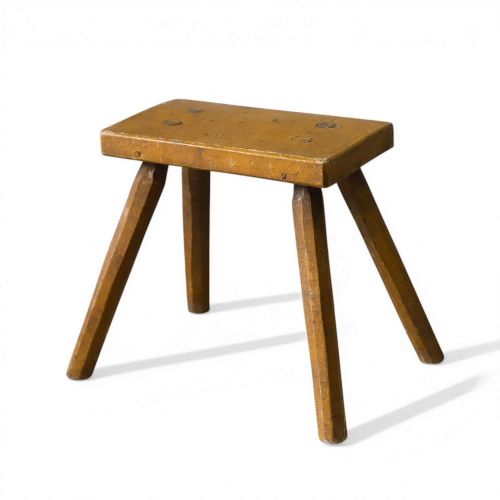
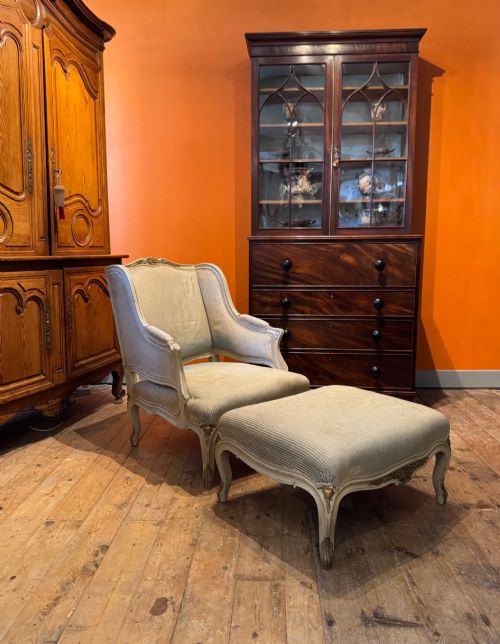
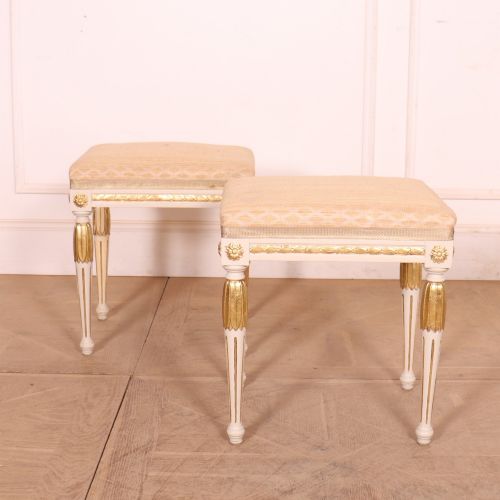
A painted footstool serves as low seating or a rest for the feet, appearing across numerous regional traditions and design movements. When you explore a painted footstool on this page, you encounter forms ranging from rustic milking stools to refined Louis XV style boudoir seats and Swedish Gustavian examples.
How they were made
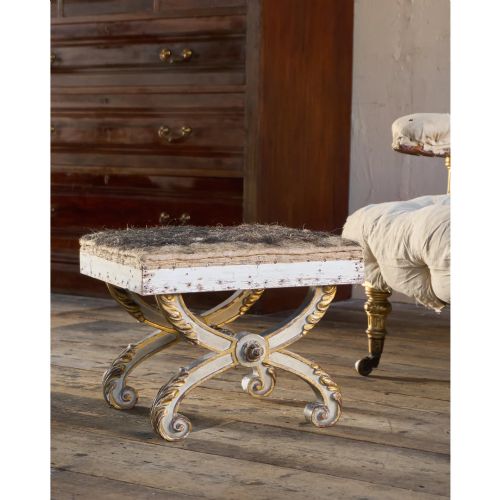
Craftsmen built these items primarily from timber such as beech, pine, elm and wood, often employing hand carving to shape X-frames, curule supports and cabriole legs. Structural joinery varied from rustic pegged construction to sophisticated cabinetmaking found in Regency and neoclassical pieces.
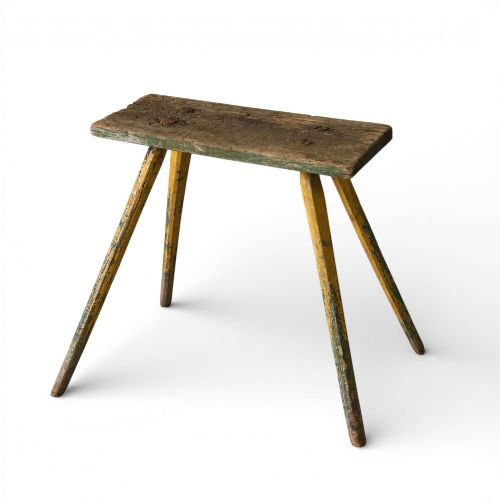
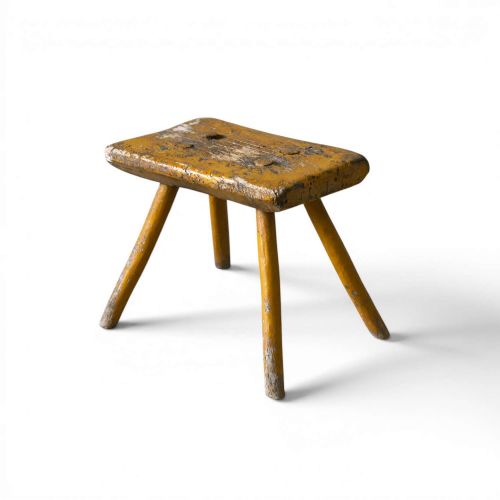
Surface decoration relies heavily on paint, gold leaf and lacquer applied to wood, sometimes paired with fabric, linen or needlework upholstery. Many examples retain original ochre, yellow, white or green finishes that record decades of decorative evolution.
Painted Footstool Retail Price Guide 2026
Typical asking prices for painted footstool among the pieces listed under this phrase on Sellingantiques today, from the lower quarter to the upper quarter. They describe what is for sale here now, not the wider market.
Several pieces double as sculptural elephant seats complete with carved tusks.
What varies in quality
The distinction between tiers rests upon the integrity of the original paint surface and the sophistication of the timber carving. Untouched regional pigments on rustic milking stools command attention for their raw character, while high-style French and Swedish pieces demonstrate refined joinery and balanced proportions.
Makers and regional workshops introduce another layer of distinction, where documented cabinetmakers or specific regional schools elevate an ordinary frame into a significant design statement. Upholstery projects and later painted surfaces diverge noticeably from items preserving their authentic early finishes.
Miles and Edwards·Whytock and Reid
The Painted Footstool Glossary
- Gustavian
- A Swedish neoclassical design style characterised by pale painted finishes, restrained carving and light proportions. It emerged during the late eighteenth century under French influence.
- Chinoiserie
- European decorative style interpreting Chinese artistic traditions. It appears on painted furniture with lacquered surfaces and Asian motifs.
- Duchesse brisée
- A long French chaise longue composed of a chair and a matching stool or footrest. It creates an extended platform for reclining.
- Milking stool
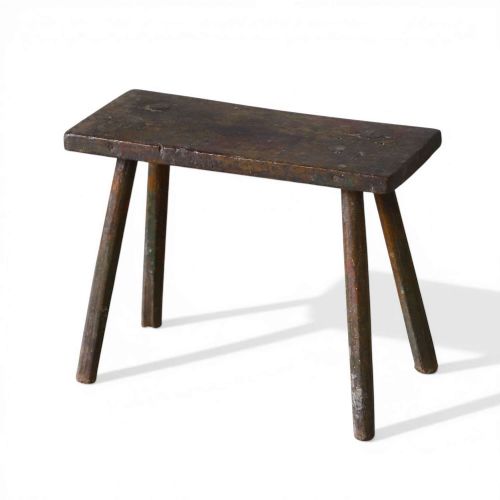
- A simple utilitarian low seat with three or four splayed wooden legs. Rural makers produced them for practical farm use.
Painted Footstool: Frequently Asked Questions
What is a painted footstool?
A painted footstool is a low wooden seat or rest finished with decorative paint, lacquer or gilt. These pieces range from simple rustic milking stools to formal neoclassical designs.
Craftsmen built them across Europe and Asia using timbers like pine, beech and elm. They served domestic functions while introducing colour and pattern to interiors.
How do I style a painted footstool?
You can position a painted footstool beside armchairs, beneath windows or at the foot of a bed. Their compact size allows them to move easily between rooms.
Pairing a brightly coloured or gilt stool with neutral furnishings highlights its painted surface. Rustic examples add texture to modern spaces, while neoclassical forms suit traditional schemes.
What periods do these pieces span?
The selection includes items from the eighteenth century, the Victorian era, and the early twentieth century. Many pieces date from the nineteenth century.
Styles range from Regency and Continental Rococo to French Provincial and Swedish Gustavian. Each period brought distinct preferences in colour and carved detail.
Are the paint finishes original?
Many listings specify original paint, such as early ochre, yellow, green or white finishes. These surviving surfaces show authentic wear and patination accumulated over generations.
Some pieces are described as upholstery projects or later decorative works. Checking individual descriptions clarifies whether a surface retains its earliest application.