



Painted Faux Bamboo
Painted faux bamboo brings the playful, inventive spirit of Regency and Victorian design into interiors through simulated wood grain and clever forms.
Painted Faux Bamboo
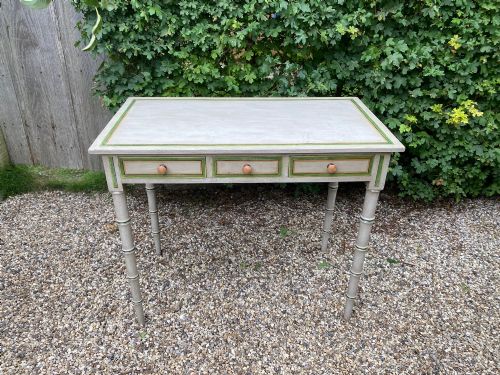
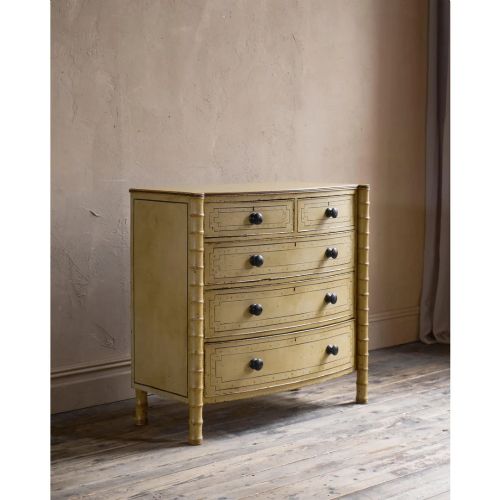
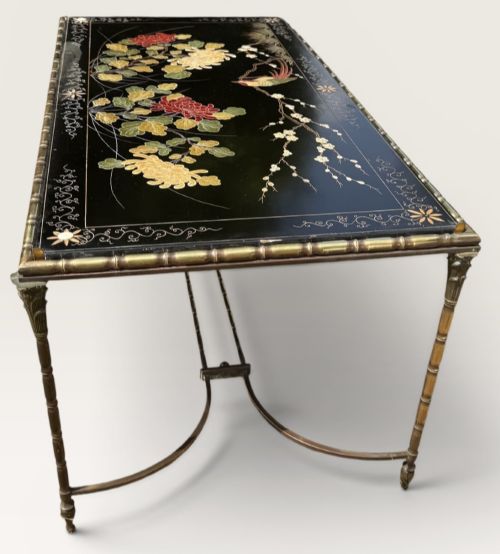
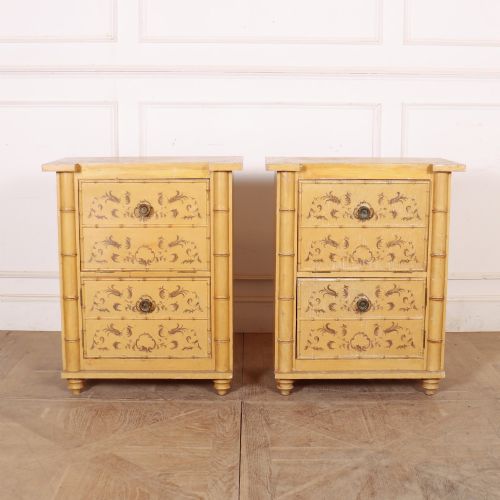
When you search for painted faux bamboo, you are looking at furniture designed to imitate the exotic look of natural bamboo using native hardwoods. The pieces appearing here span the nineteenth century, including Regency side tables, Victorian chests of drawers, and various seating forms.
You are most likely to meet side tables, armchairs, and chests of drawers finished with decorative paint schemes. These items range from early nineteenth century Regency examples to later Victorian interpretations.
The objects combine domestic utility with an eye-catching decorative finish. Whether taking the form of a bedside cabinet, an umbrella stand, or a writing table, each item employs simulated joints and rings carved or turned into the timber.
How they were made
Craftsmen utilised timbers such as pine and softwood, turning the legs and frames on a lathe to create the characteristic nodes and rings of natural bamboo. Paint was then applied over the wood, often building up layers to mimic lacquered or grained finishes.
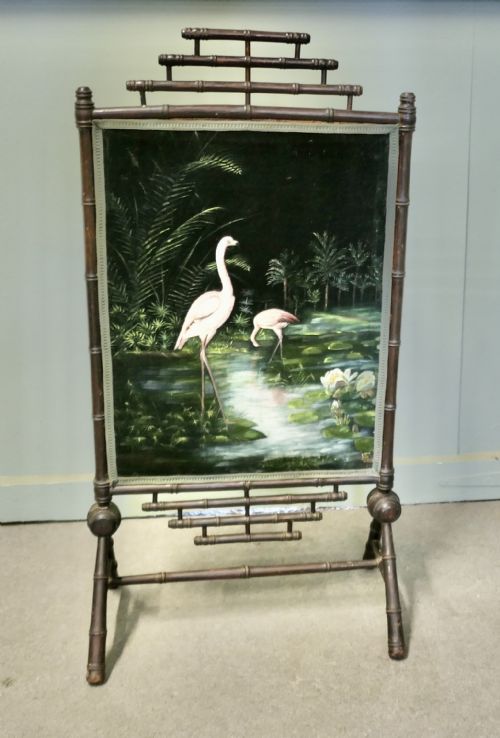
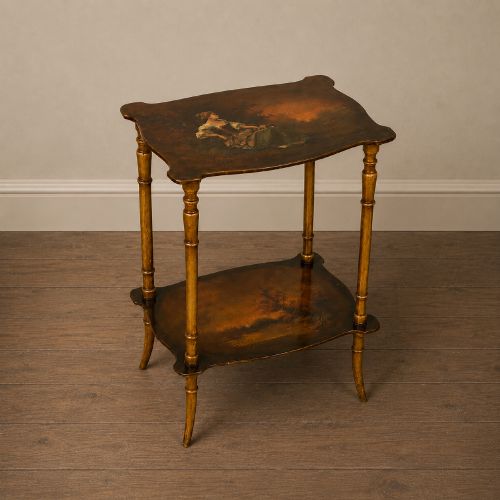
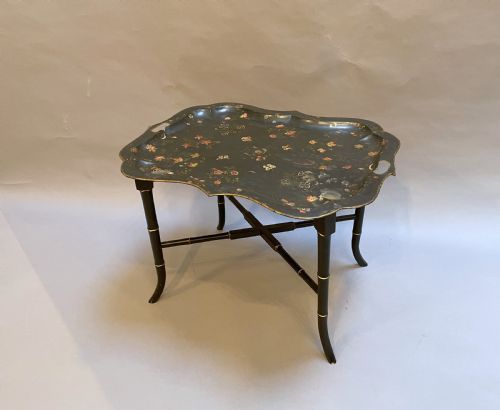
Surfaces frequently received secondary decoration in the form of gilt highlights, floral motifs, or oriental scenes. Some items incorporate rush seating or brass details to complete the decorative effect.
Painted Faux Bamboo Retail Price Guide 2026
Typical asking prices for painted faux bamboo among the pieces listed under this phrase on Sellingantiques today, from the lower quarter to the upper quarter. They describe what is for sale here now, not the wider market.
Some nineteenth-century makers went so far as to paint tiny joint lines on the flat surfaces just to ensure nobody missed the bamboo joke.
What varies in quality
Quality rests primarily in the fidelity of the turning and the preservation of the original paint surface. Pieces retaining their early ochre or black lacquer decoration show superior integrity compared to those subjected to later repainting.
The crispness of the simulated bamboo joints carved into the wood distinguishes finer cabinet work from simpler vernacular pieces. Proportion and the subtlety of any accompanying gilt or painted detail further separate the best examples.
Maison Bagues·Ah Hee Studio
The Painted Faux Bamboo Glossary
- Faux bamboo
- Wood turned and painted to resemble natural bamboo stems. This technique became popular during the Regency and Victorian periods for fashionable interior decoration.
- Toleware
- Painted sheet metal used for trays and decorative objects. It often appears on stands within nineteenth-century decorative schemes.
- Étagère
- A set of open shelves for displaying small objects. These multi-tiered side tables are found in lighter decorative woods.
- Chinoiserie
- European artistic styles reflecting Chinese motifs. This aesthetic heavily influenced the painted decoration on nineteenth-century furniture.
Painted Faux Bamboo: Frequently Asked Questions
What is painted faux bamboo furniture?
Painted faux bamboo furniture consists of wooden pieces turned and painted to imitate natural bamboo. Cabinetmakers created these items during the nineteenth century to satisfy fashionable tastes for exotic designs.
Such pieces include side tables, chairs, and chests of drawers finished with decorative paint schemes. The style draws on Regency, Victorian, and Chinoiserie aesthetics.
How do I date a piece?
Dating relies on examining the underlying construction timber, turning style, and the character of the paint surface. Nineteenth-century examples often display period-specific pigments and joinery methods.
Comparing the form to documented Regency or Victorian pieces helps narrow down the decade of manufacture. Original paint surfaces provide the clearest indicator of age.
Were these pieces used outdoors?
These items were designed strictly for indoor domestic use in drawing rooms, bedrooms, and libraries. The painted softwood and turned wood construction would not withstand outdoor exposure.
Protecting the painted finish from moisture and direct sunlight ensures the longevity of the decorative surface. They function as standard household furniture with an ornamental focus.
How do I care for the paint?
Maintenance requires gentle dusting with a dry, soft cloth and the avoidance of chemical cleaning products. Keeping pieces away from direct heat sources prevents the paint from cracking.
Preserving the original surface is essential for maintaining the historical character of the object. Wax should only be applied if appropriate for the specific type of historic finish.