
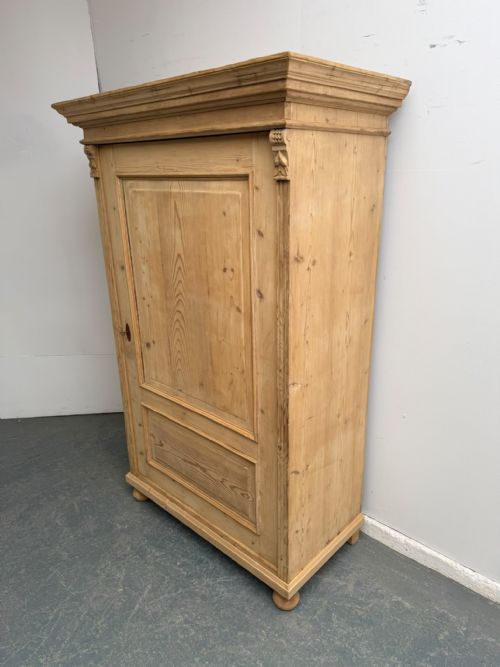


Painted Edwardian Armoire
A painted edwardian armoire brings hand-painted charm and substantial storage to a bedroom through traditional cabinet-making.
Painted Edwardian Armoire
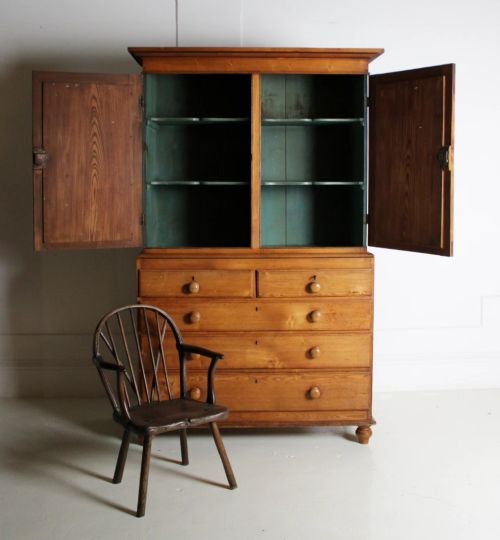
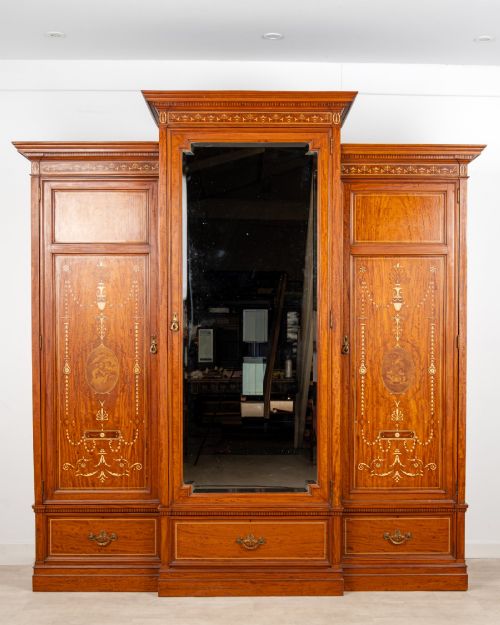
A painted edwardian armoire combines the generous proportions of early twentieth-century wardrobe design with decorative surface finishes. These large storage pieces often appear in Edwardian, 1910, and Victorian periods.
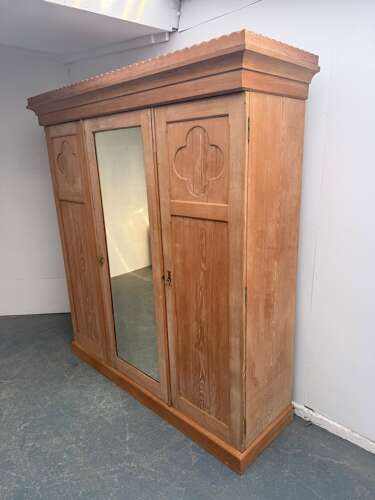
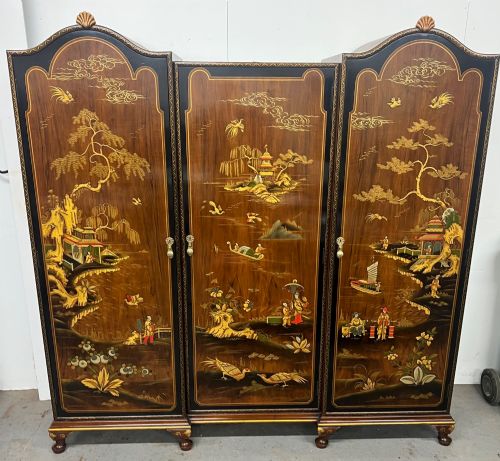
Buyers frequently encounter substantial triple wardrobes and compactum formats built to hold considerable quantities of clothing. The selection spans straightforward cupboards through to elaborate linen presses and fitted combination wardrobes.
Originating from the early nineteen hundreds, these functional furniture items reflect both utilitarian household needs and decorative arts influences of the era.
Materials and construction
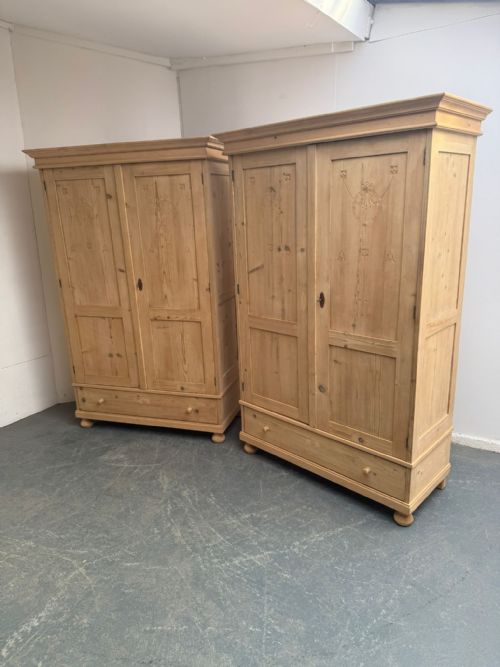
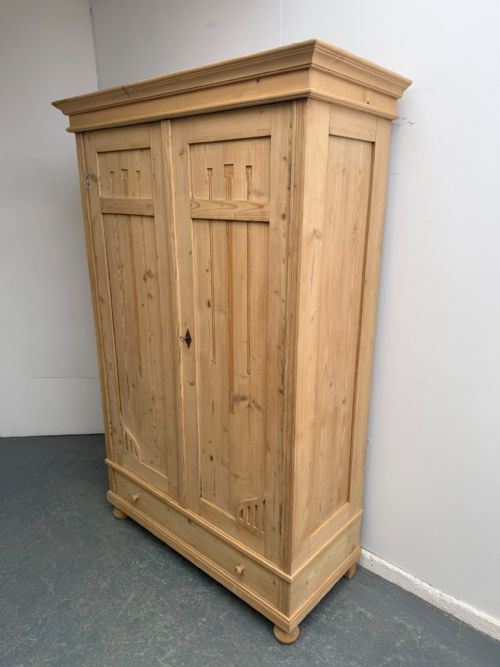
Makers utilised solid timbers such as ash, pine, and satinwood to construct the heavy carcasses of these large wardrobes. Brass fittings and glass mirrored doors frequently accompany the primary wooden structures.
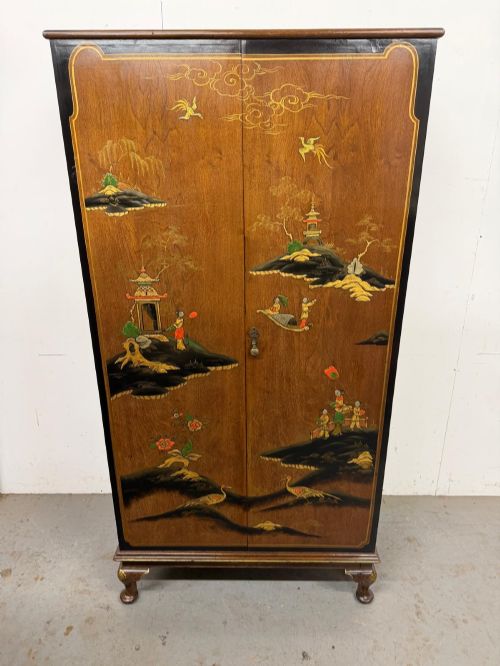
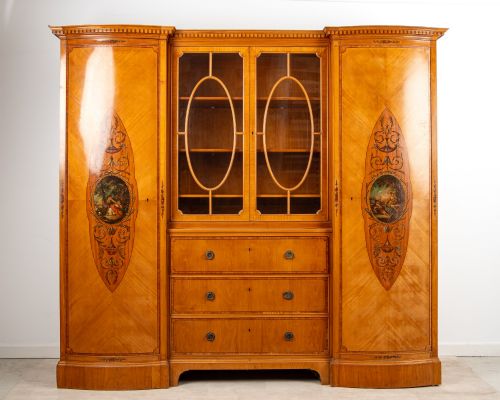
Surface decoration relies on traditional paint applications, lacquer work, and hand-painted panels that distinguish these pieces from plain wood furniture. Inlaid details and Chinoiserie revival motifs are built directly into the cabinet surfaces during manufacture.
Listings feature items spanning the Victorian and Edwardian periods, utilising pine, ash, and satinwood.
Judging quality and craftsmanship
Superior examples display meticulous hand-painted detail and intricate satinwood inlay work that remain crisp across the expansive wardrobe doors. The depth and execution of Chinoiserie panels separate ordinary painted surfaces from fine artistic commissions.
Structural integrity shows in the weight of the timber and the precision of knockdown framing, where applicable. Original brass hardware and undamaged glass mirrors indicate careful preservation of the original design.
Maples & Co.
The Painted Edwardian Armoire Glossary
- Compactum
- A multi-compartment wardrobe designed to hold various types of clothing in one organised unit. It usually combines hanging space, drawers, and shelving behind multiple doors.
- Linen Press
- A tall cabinet traditionally used for storing household linen on sliding shelves or trays. The lower section often contains drawer storage beneath the main cupboard doors.
- Satinwood
- A durable, yellowish timber prized for its smooth, satin-like sheen and suitability for fine cabinet-making. It provides a pale canvas for inlay and painted decoration.
- Knockdown
- Furniture constructed to be easily dismantled for transport and reassembled in the home. This practical feature allowed large wardrobes to navigate narrow staircases and doorways.
Painted Edwardian Armoire: Frequently Asked Questions
What is an edwardian armoire?
An Edwardian armoire is a large freestanding wardrobe produced during the reign of King Edward VII or the surrounding early twentieth-century years. These pieces provide substantial clothes storage through hanging spaces and internal shelving.
They often feature decorative painted finishes, mirrors, and fitted compartments designed for the domestic requirements of the period.
How do I use an armoire today?
Modern bedrooms utilise these large cabinets as primary wardrobes for hanging garments, storing folded clothing, or housing linens. Their deep interiors accommodate modern storage needs while serving as a prominent decorative focal point.
Positioning requires adequate wall space and ceiling clearance due to the substantial height and width of triple wardrobes and compactums.
How do I identify painted pieces?
Painted pieces exhibit historical surface finishes ranging from simple decorative paint to elaborate hand-painted Chinoiserie panels and lacquer work. Inspecting the edges of the paint layers reveals how the finish interacts with the underlying satinwood or pine.
Many examples retain their original decorative schemes applied during the early nineteen hundreds.