
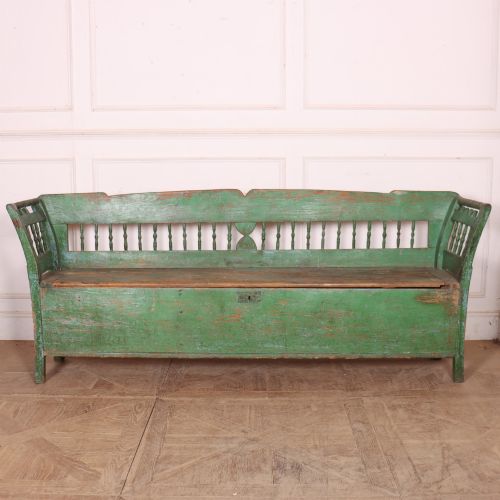
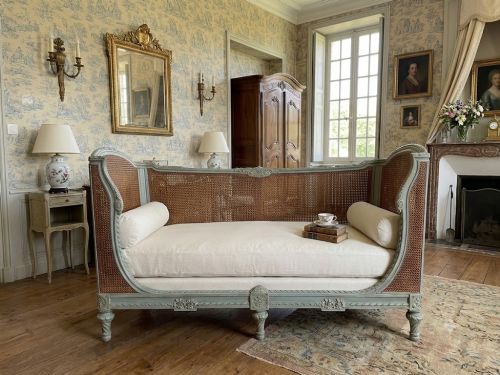
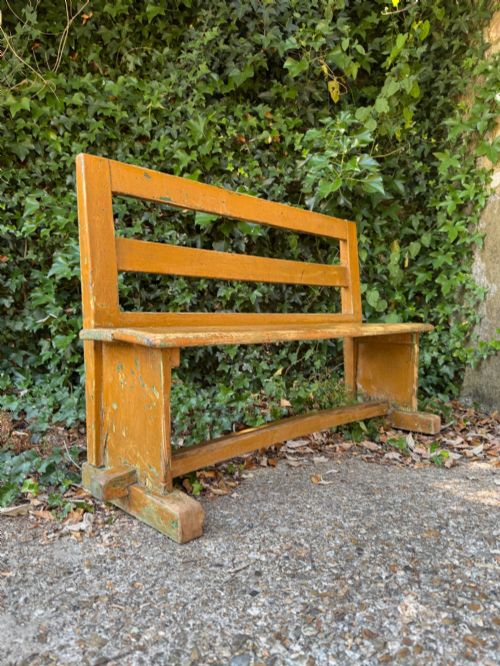
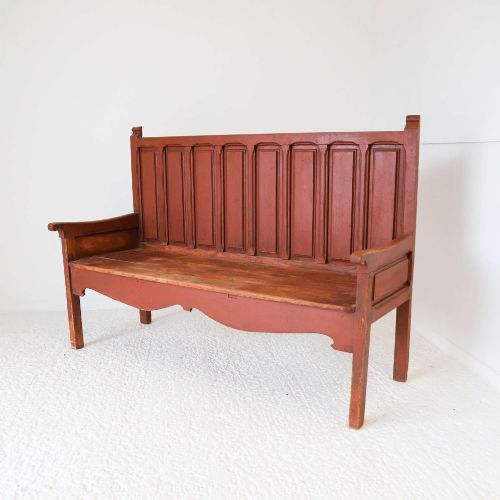
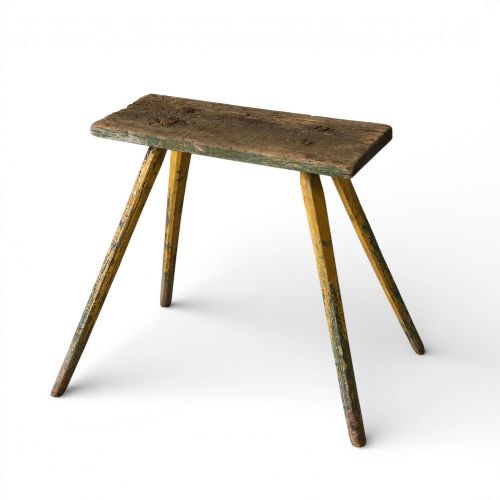
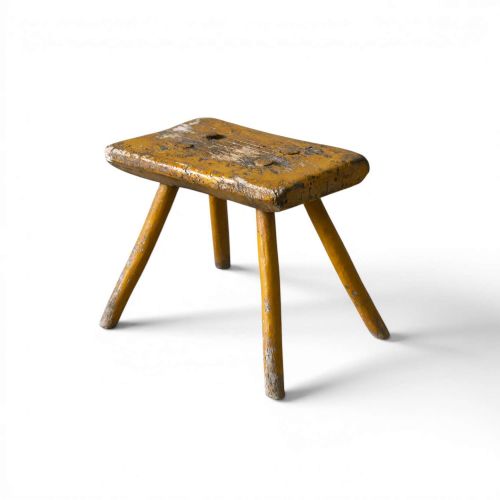
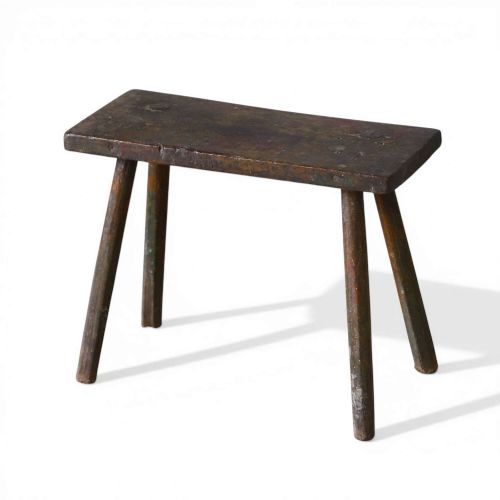
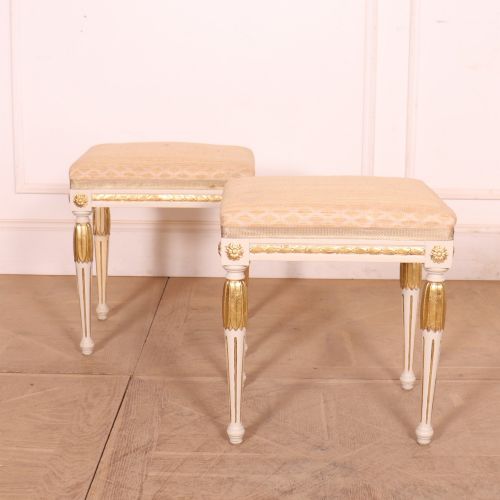
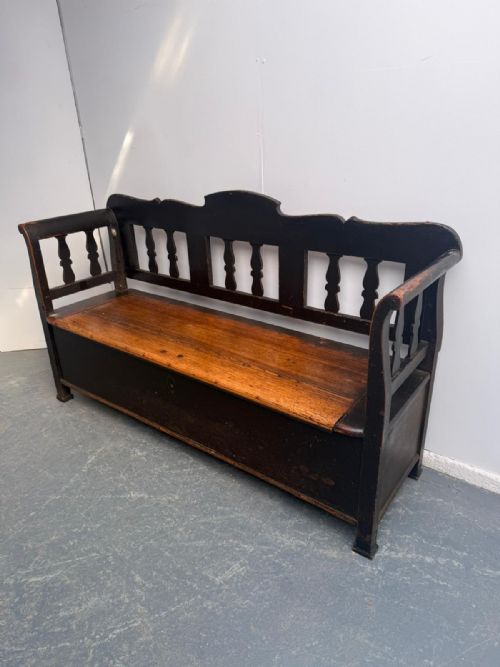
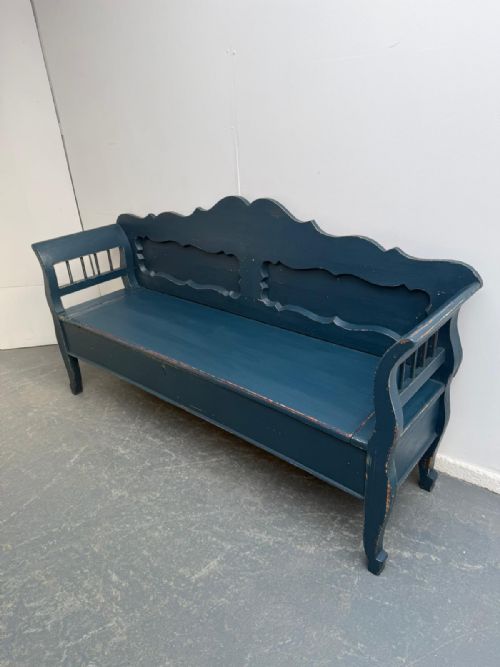


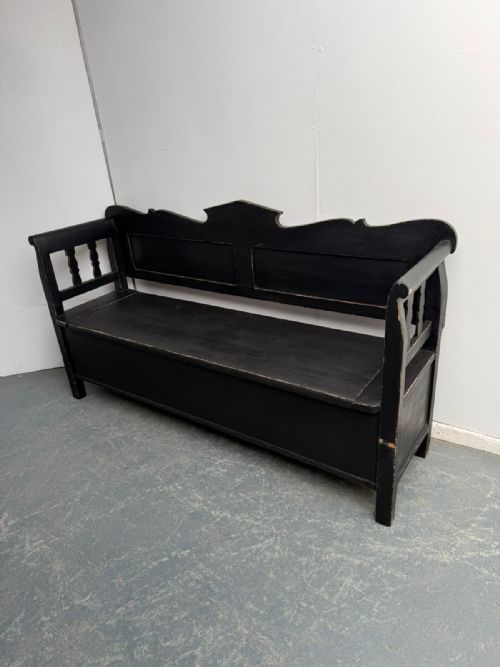
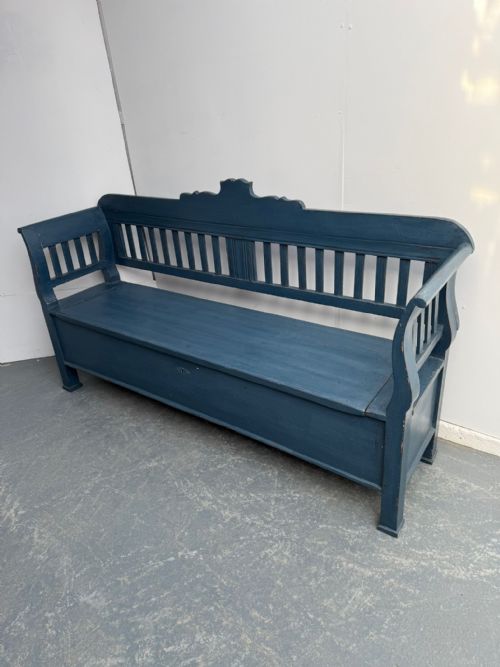
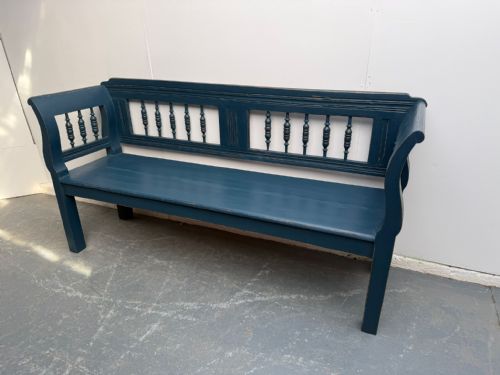
Painted Country Bench
A painted country bench brings direct utility and vernacular charm to a room, offering robust seating shaped by regional traditions.
Painted Country Bench
A painted country bench is a practical seating form rooted in vernacular domestic life, frequently taking the shape of benches, box settles, and settle benches. Buyers encountering these pieces will find formats ranging from simple two-seater configurations to large three and four-seater Hungarian and Welsh examples.
The selection draws on diverse regional origins spanning English, Welsh, Spanish, Austrian, Swedish, and French traditions. These range from high-back tavern benches to storage-focused box settles and smaller seating variants like milking stools and day beds.
Dating primarily across the eighteenth, nineteenth, and early twentieth centuries, these pieces reflect the utilitarian needs of rural households. The surviving examples showcase regional cabinet-making traits tied to their specific European locales.
Materials and construction
Constructed predominantly from timber such as pine and beech, these pieces rely on straightforward joinery suited to rural workshops. Scratch-built and vernacular construction methods ensure sturdy frames designed for everyday domestic endurance.
Surfaces bear historical layers of pigment, with many examples retaining original painted finishes in shades of blue, grey, black, ochre, and green. Additional materials like iron hardware, cane, and fabric appear across specific day beds, stools, and settees.
The inventory bridges multiple centuries, including eighteenth-century tavern benches alongside nineteenth-century box settles and milking stools.
Evaluating the pieces
Differentiation across the range rests heavily on the survival and integrity of the original painted surface. Pieces retaining their earliest pigment display greater visual character than those stripped or repainted at later dates.
Structural honesty and regional distinctiveness set finer examples apart from simpler utilitarian items. The presence of integrated storage, such as box settle compartments, adds functional complexity to the evaluation.
The Painted Country Bench Glossary
- Box settle
- A high-backed wooden bench featuring a concealed storage compartment beneath the seat. This form provided draught protection in vernacular interiors.
- Settle bench
- A rigid wooden seating structure combining a solid back and arms. These items often served near hearths in domestic or tavern settings.
- Canapé
- A French decorative sofa or settee featuring an upholstered or caned back. These pieces introduce refined stylistic elements distinct from rustic benches.
- Vernacular
- Architecture or furniture built by local craftsmen using traditional regional methods and materials. Such items prioritize local utility over academic stylistic rules.
Painted Country Bench: Frequently Asked Questions
Where did country benches originate?
These pieces originate from domestic and rural workshops across Britain and continental Europe. Each region developed distinct structural forms based on local timber availability.
Craftsmen adapted benches and settles to suit regional interior layouts and daily domestic demands.
How do I care for original paint?
Preserving historical paint surfaces requires minimal intervention and stable indoor humidity. Avoid harsh chemical cleaners that can lift or dissolve aged pigments.
Dust gently with a dry cloth to protect the underlying timber and surface layer.
What is a box settle used for?
A box settle combines seating with enclosed storage beneath the hinged seat. Historically, this space held household blankets, dry goods, or daily utilities.
The high wooden back also acted as a windbreak against draughty rooms.
Are these benches comfortable?
Vernacular wooden benches prioritize sturdy utility and upright posture over soft cushioning. Adding loose textiles or cushions can alter the seating experience.
Their primary design purpose was functional durability rather than lounge comfort.