



Painted Ceramic Statuette Group
These painted ceramic statuette group pieces bring sculptural narrative into your interior, spanning figures from eighteenth century factories to Victorian drawing rooms.
Painted Ceramic Statuette Group
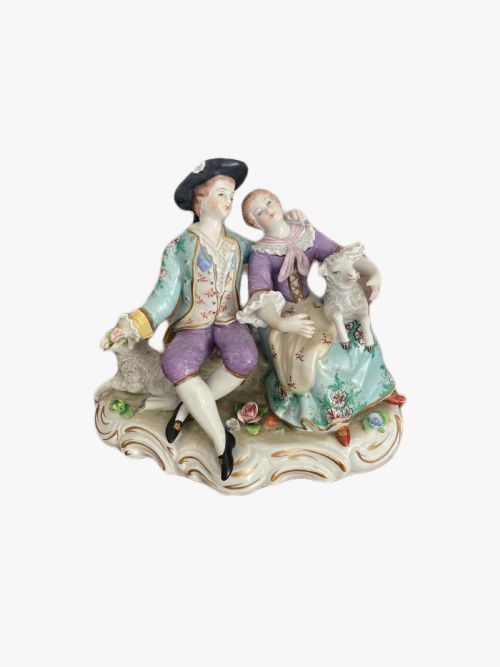
A painted ceramic statuette group represents multi-figure porcelain and earthenware scenes, most frequently encountered here in eighteenth century and nineteenth century forms. You will find Victorian Staffordshire figures, French porcelain groups by makers such as Eugene Clauss of Paris, and Meissen style garden children.
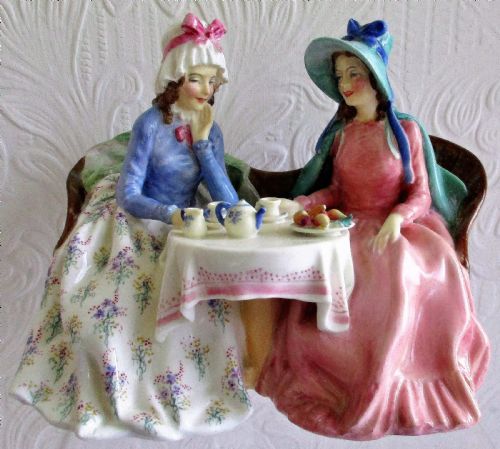
The selection ranges from early Derby figure groups depicting classical subjects like Father Time clipping Cupids wings to domestic Victorian scenes and bisque porcelain figures of fathers and children. These sculptural objects capture narrative moments, from afternoon tea to gardeners and shoemakers at work.
How they were made
Makers shaped these pieces from hard paste porcelain, bone china, bisque porcelain, and earthenware, applying detailed enamel painting and occasionally gold leaf highlights. Glaze finishes vary from the matte texture of unglazed bisque to glossy protective coatings over polychrome enamel decoration.
Painted Ceramic Statuette Group Retail Price Guide 2026
Typical asking prices for painted ceramic statuette group among the pieces listed under this phrase on Sellingantiques today, from the lower quarter to the upper quarter. They describe what is for sale here now, not the wider market.
Listings span centuries of production from the 1700s to 1940, incorporating materials such as bisque porcelain, bone china, and hard-paste porcelain.
What varies in quality
Quality rests in the finesse of the modelling and the precision of the enamel painting, distinguishing mass production from workshop masterworks. Earlier eighteenth century examples often display sharper sculptural definition in drapery and facial expressions compared to later adaptations.
The sophistication of the figural composition and the complexity of the multi-figure arrangement dictate the upper tier of the range. Finer pieces demonstrate superior control in gilding application and subtle tonal gradations across the painted surfaces.
Royal Doulton·Meissen·Eugene Clauss of Paris·Derby Porcelain·Carl Thieme Potschappel
The Painted Ceramic Statuette Group Glossary
- Bisque Porcelain
- Unbleached, unglazed porcelain with a matte, marble-like texture. It gained popularity in the nineteenth century for figures and sculptural groups.
- Hard-Paste Porcelain
- A durable ceramic composition fired at very high temperatures, made from kaolin and petuntse. It forms the body of many eighteenth century European figures.
- Bone China
- A type of porcelain incorporating bone ash, known for its high strength and milky white appearance. It is found in twentieth century English figures.
- Enamel
- Vitreous pigments applied over the glaze or body and fired at lower temperatures to achieve rich colours. It provides the primary decoration on these painted statuettes.
- Gold Leaf
- Very thin sheets of beaten gold applied to ceramic surfaces for highlights and borders. It frequently accentuates the garments and bases of finer figures.
Painted Ceramic Statuette Group: Frequently Asked Questions
What is a painted ceramic statuette group?
A painted ceramic statuette group consists of multi-figure porcelain or earthenware sculptures decorated with enamel paints. These pieces depict narrative scenes ranging from classical mythology to domestic life.
Produced across various European factories, they combine sculptural modelling with detailed hand painting. Collectors prize them for their artistic representation of historical styles and social customs.
How do I date a porcelain figure group?
Dating relies on stylistic markers, factory marks, and the specific ceramic material used in the piece. Eighteenth century examples often feature softer paste bodies and Rococo styling, while Victorian pieces tend towards denser earthenware or porcelain with distinct Victorian attire.
Examining the base and any impressed or painted factory numbers provides further clues to the period of manufacture. Comparing the modelling techniques with documented works by factories like Derby or Meissen helps narrow the date.
How were these figures displayed historically?
Historically, these statuette groups served as decorative centrepieces on mantelpieces, side tables, and within display cabinets in wealthy homes. They functioned as conversation pieces that reflected the owner's cultural interests and taste.
In grand dining rooms and drawing rooms, porcelain groups added colour and sculptural elegance to the interior decor. Their delicate nature meant they were kept away from heavy traffic areas to prevent damage.
How should I care for ceramic figures?
Care requires gentle dusting with a soft, dry brush to prevent the accumulation of dirt on delicate painted surfaces and crevices. Avoid using water, liquid cleaners, or abrasive cloths, which can damage enamel paints and gold leaf.
Display the pieces away from direct sunlight to prevent fading of the polychrome enamels. Ensure they rest on stable, vibration-free surfaces to protect the fragile limbs and projections from accidental knocks.