






Painted Ceramic Charger
A painted ceramic charger is a broad display plate that brings colour and presence to a room, ranging from blue and white tin-glazed earthenware to intricate Japanese porcelain.
Painted Ceramic Charger
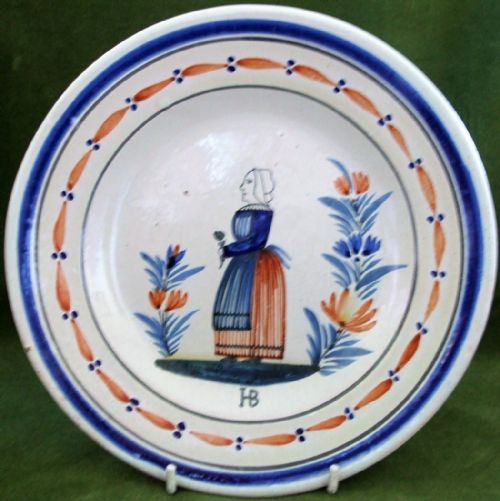
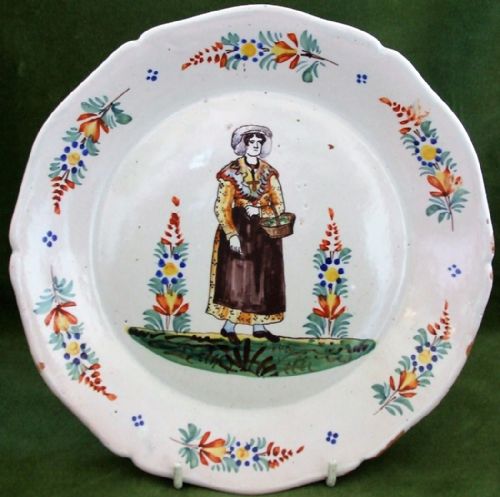
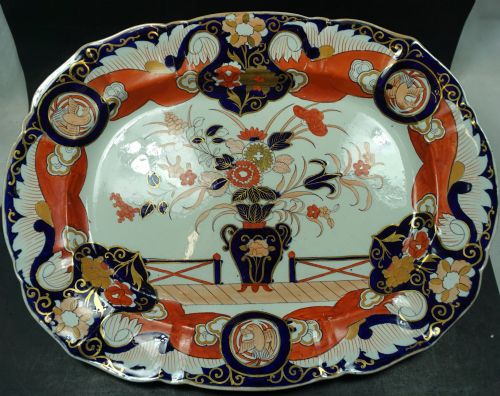
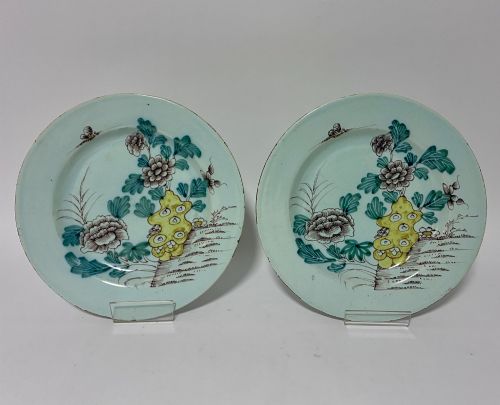
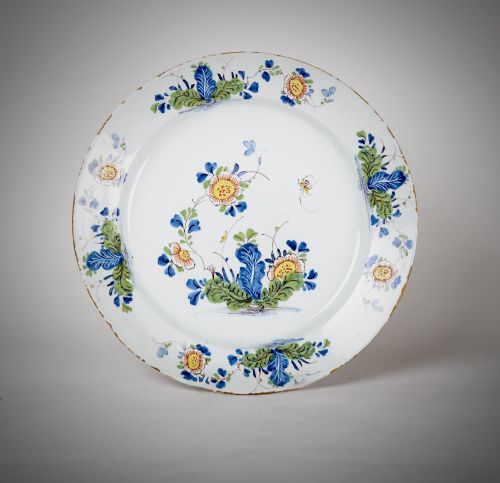
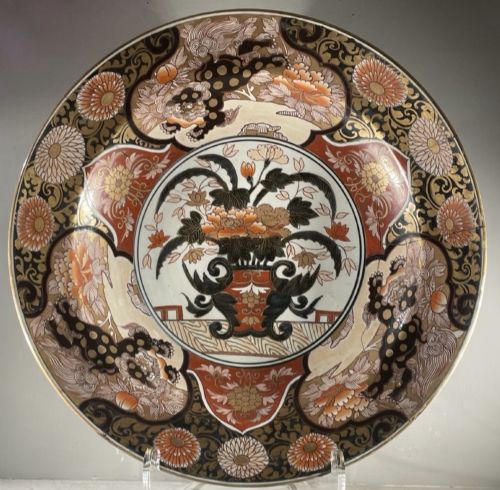
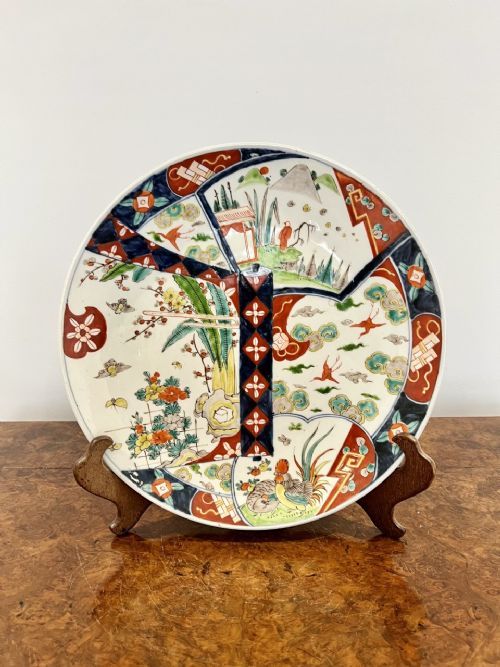
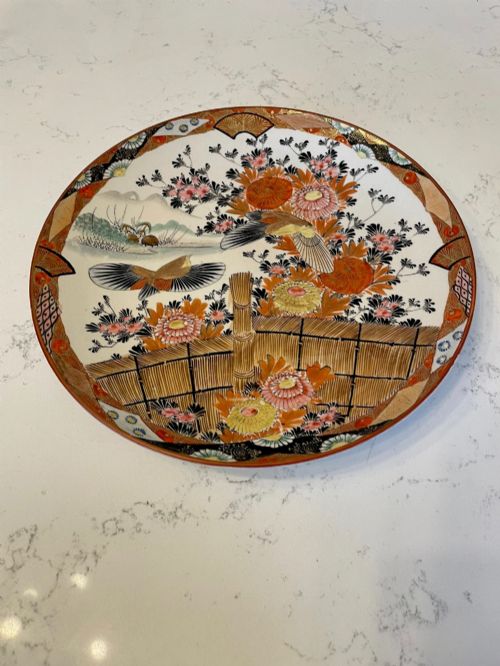
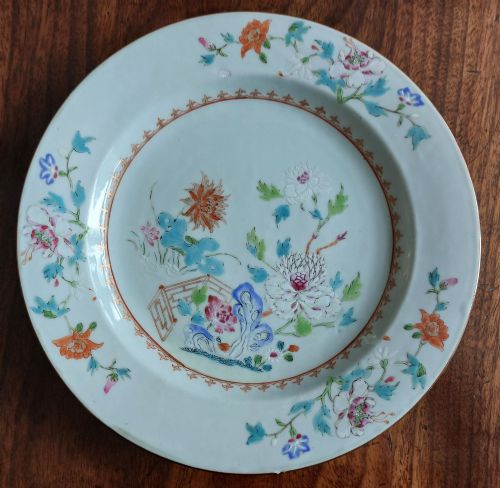
A painted ceramic charger is a large decorative dish designed for display rather than ordinary dining, appearing primarily as broad plates and shallow bowls across this selection. Buyers seeking a painted ceramic charger encounter diverse traditions, from seventeenth-century tin-glazed earthenwares to late nineteenth-century Japanese porcelains and eighteenth-century Chinese export wares.
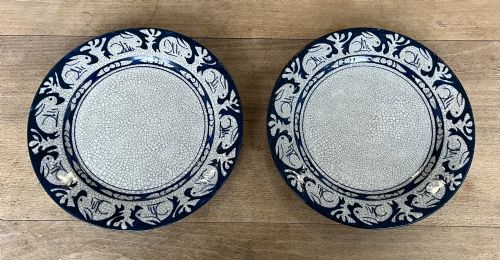
The objects span multiple periods, with eighteenth-century pieces heavily represented by Delft and Famille Rose examples alongside nineteenth-century Japanese Imari chargers and twentieth-century English cabinet plates. European manufactories, Chinese kilns, and Japanese workshops all contributed to this global category of large-scale painted plates.
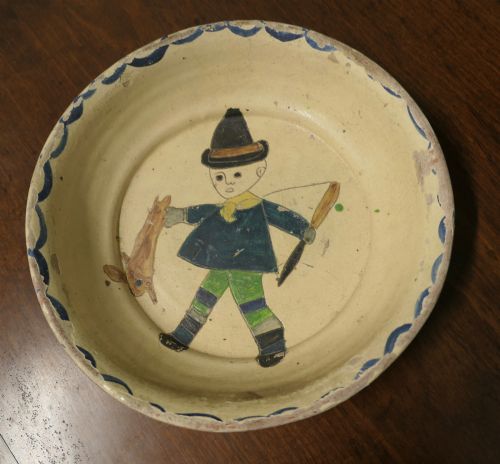
Forms vary from standard circular chargers to scalloped edges and square-shaped plates, while sizes tend to be substantially larger than typical dinnerware. These pieces serve as focal points for interior display, utilising their broad surfaces to showcase complex hand-painted scenes.
How they were made
Makers utilised ceramic body materials ranging from soft-paste porcelain and bone china to earthenware and tin-glazed pottery. Potters shaped these bodies on wheels or in moulds before applying glazes that provided a smooth base for hand painting.
Artists decorated the surfaces using pigments, enamel, and occasionally gold leaf, often employing blue and white tin glaze or polychrome palettes. Firing in kilns then fused the painted designs permanently beneath or onto the glaze layer.
Painted Ceramic Charger Retail Price Guide 2026
Typical asking prices for painted ceramic charger among the pieces listed under this phrase on Sellingantiques today, from the lower quarter to the upper quarter. They describe what is for sale here now, not the wider market.
Listings feature ceramics spanning from the 17th century to the 1940s, utilising porcelain, earthenware, tin glaze, and gold leaf.
What varies in quality
Quality in a painted ceramic charger rests primarily on the control and execution of the hand painting, where precise brushwork and balanced composition elevate a piece above standard production. The clarity of the glaze and the depth of the palette also distinguish finer works from simpler regional outputs.
The sophistication of the ceramic body itself, whether translucent soft-paste porcelain or well-potted tin-glazed earthenware, determines the refinement of the finished object. Additionally, specific artist signatures or documented factory origins add historical weight and demonstrable distinction to individual pieces.
John Ford·Royal Worcester·John Davenport·Copeland Pottery
The Painted Ceramic Charger Glossary
- Charger
- A large decorative plate or dish, traditionally used for display on a sideboard or wall rather than for serving food at the table.
- Tin-Glazed Earthenware
- Pottery covered with a white glaze containing tin oxide, providing an opaque surface for painted decoration.
- Imari
- A style of Japanese porcelain featuring vibrant underglaze blue and overglaze iron red, gold, and other colours.
- Famille Rose
- A palette of Chinese porcelain decoration dominated by opaque pink or rose enamel, introduced during the eighteenth century.
- Soft-Paste Porcelain
- A ceramic material composed of clay and glass frit, fired at lower temperatures than hard-paste porcelain.
Painted Ceramic Charger: Frequently Asked Questions
How were painted ceramic chargers used?
These large plates were primarily designed for display on sideboards, buffets, or walls rather than for daily dining.
Their substantial size and decorative surfaces made them effective centerpieces for interior decoration in domestic settings.
What is the difference between Delft and Imari?
Delft refers to tin-glazed earthenware typically featuring blue and white Dutch or Moorish inspired painted motifs.
Imari designates Japanese porcelain decorated in rich palettes of blue, red, and gold, often with intricate panel designs.
How do I date a ceramic charger?
Dating relies on stylistic evidence, factory marks, glaze characteristics, and the specific ceramic body used.
Eighteenth-century examples often show tin glazes or Chinese export Famille Rose patterns, while later nineteenth-century pieces frequently feature Meiji period Japanese designs or Victorian factory marks.
Can I hang my charger on the wall?
Many large plates and chargers were historically displayed on walls or within cabinets using specialised mounting hardware.
When hanging a heavy ceramic piece, ensure the support mechanism securely distributes the weight across the base and rim.