
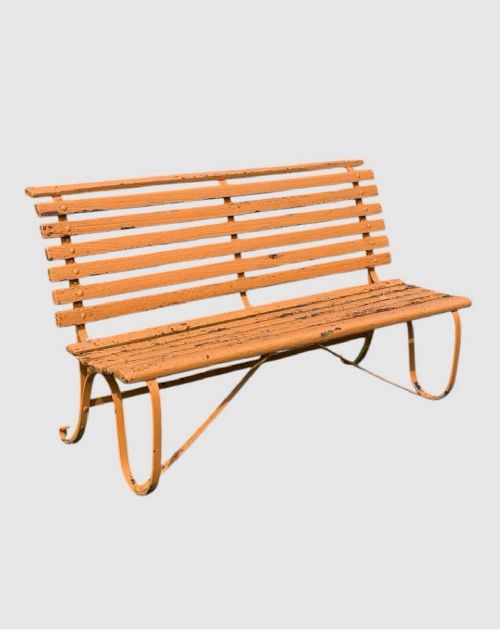


Painted Cast Iron Seating
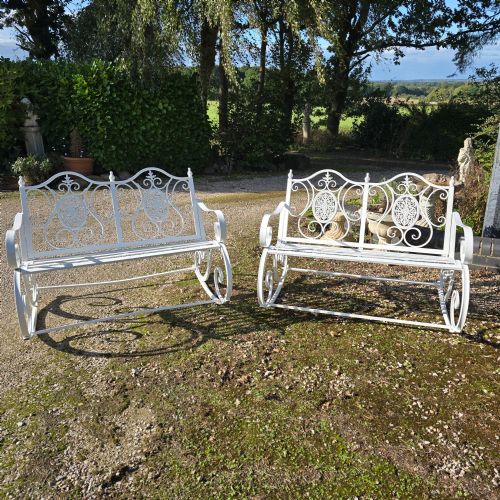
These painted cast iron seating pieces bring durable structure and botanical charm to garden lawns, conservatories, and terraces alike.
Painted Cast Iron Seating
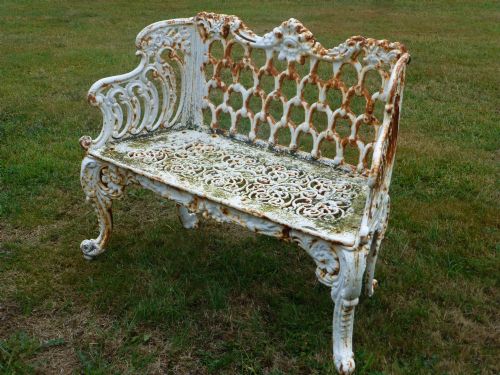
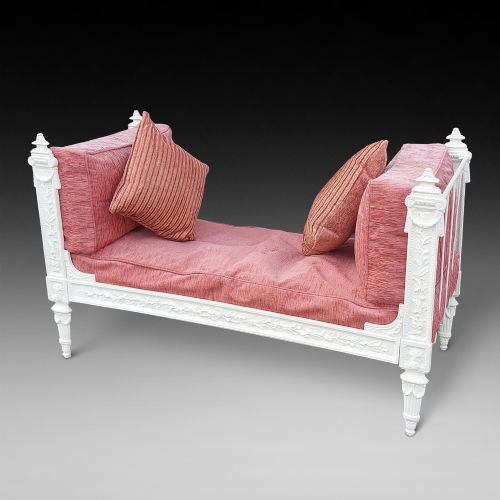
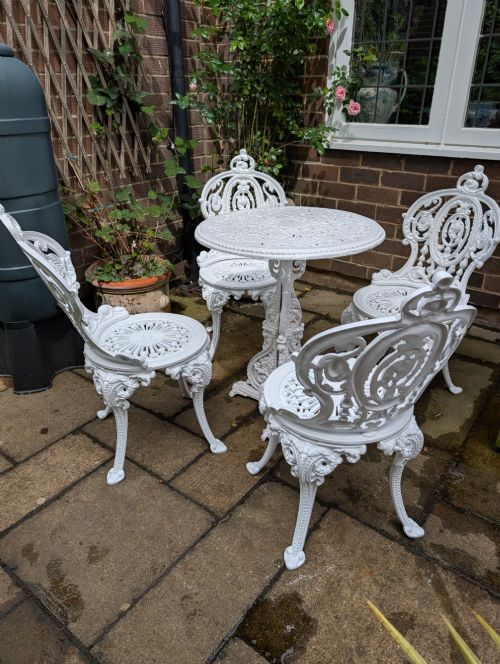
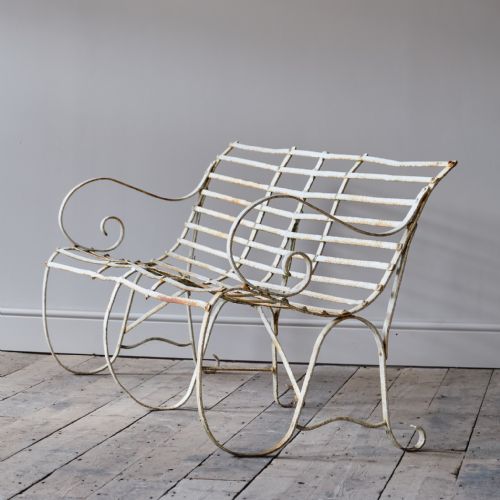
When you search for painted cast iron seating, you encounter sturdy outdoor furnishings designed to withstand the elements whilst offering intricate decorative detail. The pieces available here span garden benches, armchairs, and daybeds, predominantly originating from the nineteenth century and the Victorian era.
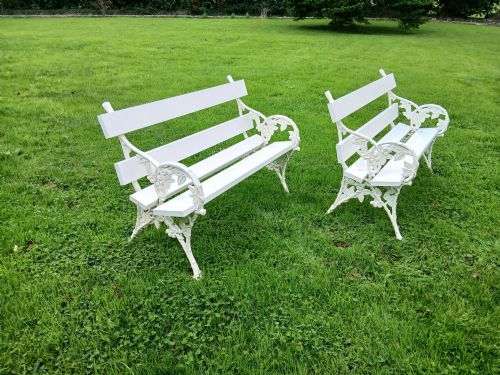
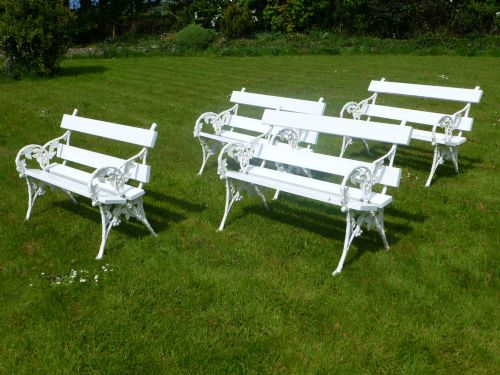
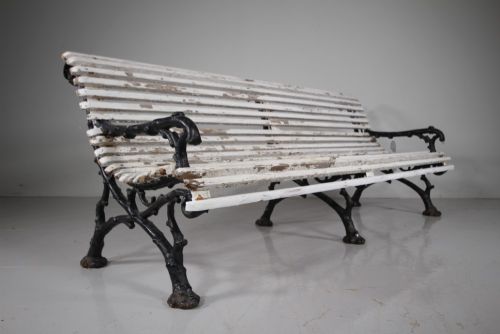
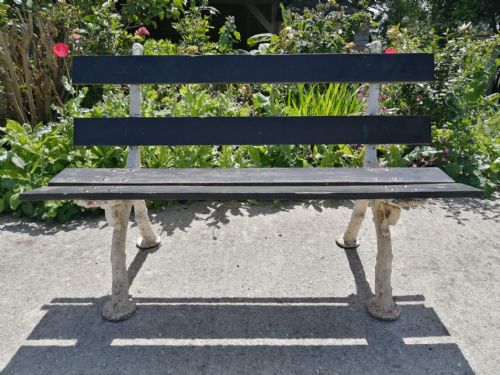
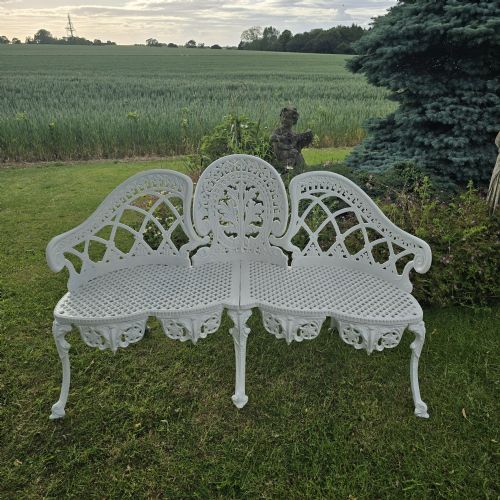
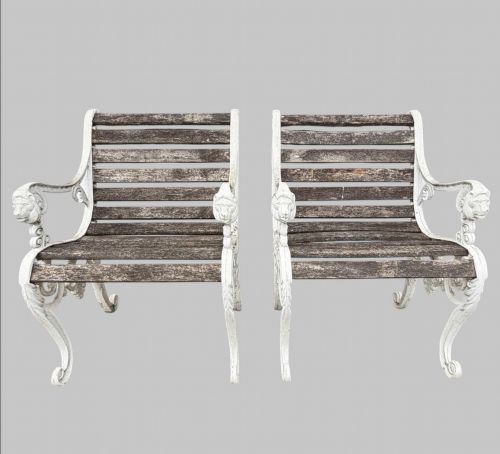
The most common forms you will meet on this page are Victorian garden benches and chairs featuring elaborate moulded motifs such as foliage, branches, and shell patterns. These heavy metal structures often combine cast iron ends with timber or wood slats to create a functional seat for outdoor use.
How painted cast iron seating was made
Foundries produced these items by pouring molten metal into sand moulds to achieve crisp, three-dimensional surface decoration like the popular blackberry and leaf patterns or faux bois bark textures. Manufacturers such as Falkirk and Coalbrookdale utilised this technique to mass-produce durable outdoor furniture with remarkable sculptural depth.
Makers frequently paired the heavy cast metal frames with wooden or timber slats for the seats and backs, securing them with iron bolts. Protective layers of paint were then applied to the iron and wood surfaces to prevent rust and weather damage in outdoor environments.
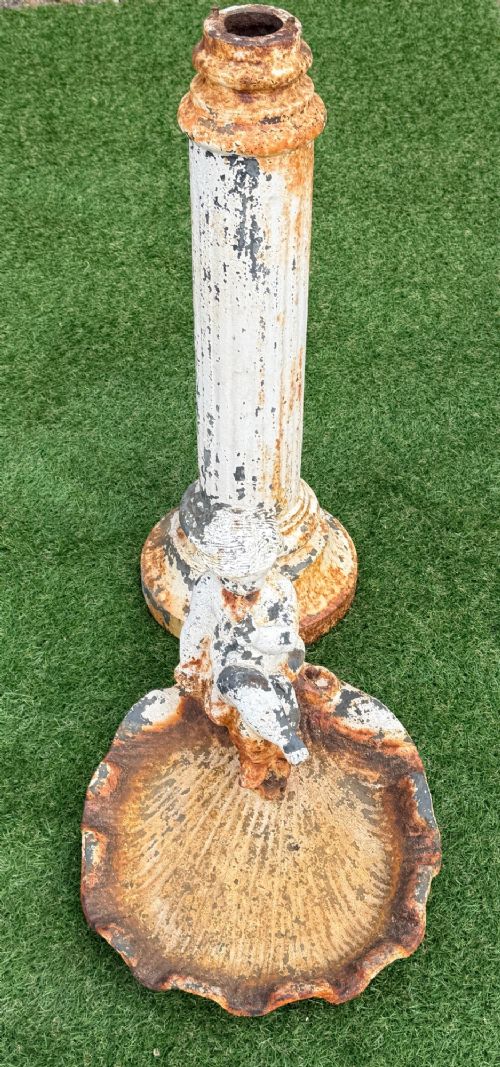
A cheerful cherub once supervised garden birds from a perch atop a late Victorian shell form bird bath.
What varies in quality in painted cast iron seating
The distinction between ordinary utility pieces and exceptional examples rests upon the crispness of the foundry casting and the complexity of the design. Highly ornate patterns featuring detailed leaves, animal masks, or figural elements demonstrate superior craftsmanship compared to plain industrial forms.
Attribution to renowned foundries like Coalbrookdale or specific designers such as Christopher Dresser elevates the standing of a piece. The survival of original structural integrity, combined with well-preserved decorative detail on the bench ends and frames, marks the upper tier of the range.
Falkirk Carron Foundry·Coalbrookdale·Christopher Dresser
The Painted Cast Iron Seating Glossary
- Faux bois
- A decorative technique mimicking the natural appearance of wood grain and tree branches. This style was particularly popular in Victorian garden furniture to blend metalwork with natural surroundings.
- Coalbrookdale
- A famous nineteenth-century ironworks foundry located in Shropshire, England. Known for producing highly decorative cast iron garden seats, benches, and architectural ornaments.
- Strapwork
- Flat bands of metal arranged in geometric patterns or interlaced strap designs. This technique appears on nineteenth-century wrought iron and cast metal garden benches.
- Bench ends
- The structural side supports of a seat that hold the backrest and seat slats together. In cast iron seating, these components usually carry the heaviest ornamentation.
- Shell form
- A decorative motif shaped like a scallop shell. It frequently adorns the backs and basins of Victorian garden seats and bird baths.
Painted Cast Iron Seating: Frequently Asked Questions
How do I clean my painted cast iron bench?
Gently wash the surfaces with mild soapy water and a soft brush to remove dirt without damaging the old paint layers.
Avoid harsh chemical strippers or power washers that might strip away the historic finish and expose the raw metal to rust.
Can these benches stay outside all winter?
Cast iron is exceptionally durable and withstands cold temperatures well, making it suitable for year-round outdoor display.
However, storing wooden slat components under cover or protecting the entire piece with a breathable sheet during harsh frost preserves the materials.
How can I tell a Victorian bench from a later copy?
Examine the crispness of the casting detail and the weight of the metal components. Nineteenth-century examples often feature sharper moulding and heavier construction.
Check the bolts and fixings for age, as older pieces typically use hand-finished screws or specific period nut and bolt assemblies.
Were these seats always painted?
Most cast iron outdoor furniture received protective coats of paint from the factory to prevent immediate oxidation in damp garden environments.
White and dark green were traditional choices that highlighted the intricate botanical casting patterns while offering a practical barrier against rust.