


Antique Cast Iron Chairs
These antique cast iron chairs are robust metal seats built for gardens, ships and workshops, offering lasting strength and distinct period character.
Antique Cast Iron Chairs
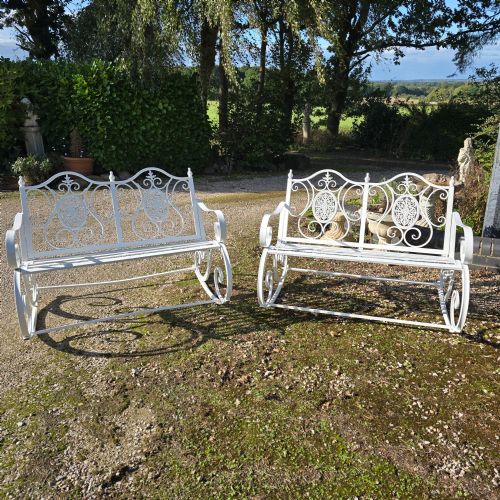
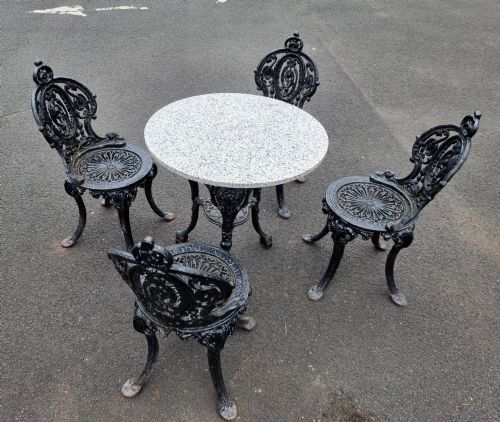
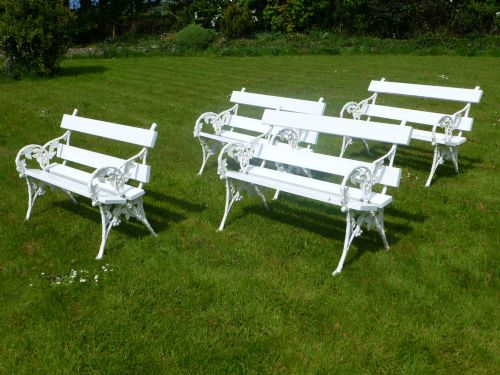
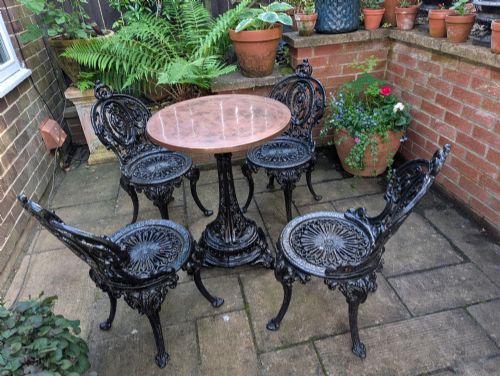
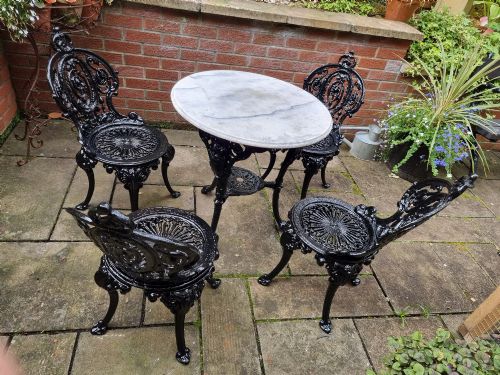
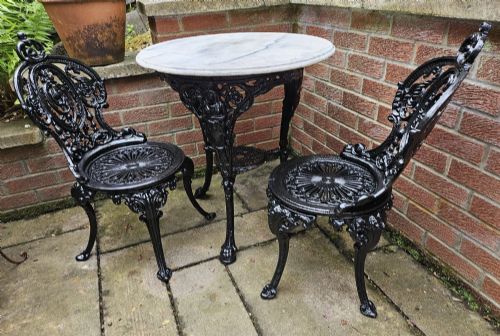
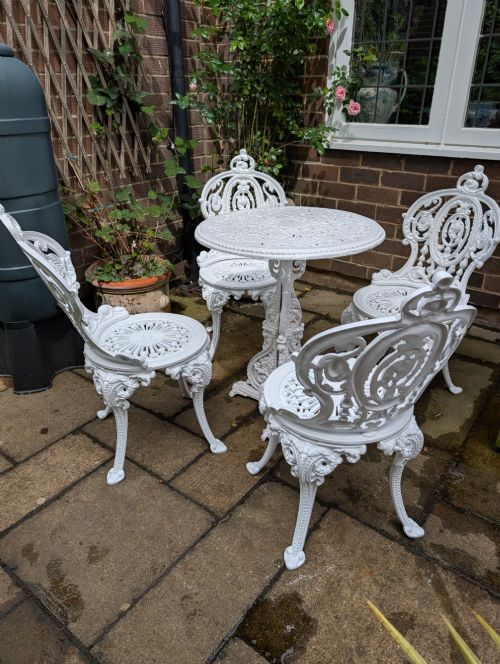
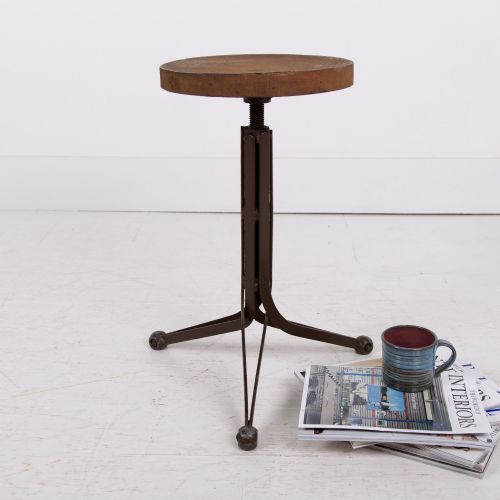
When you search for antique cast iron chairs, you encounter heavy metal seating spanning the nineteenth century through the interwar period. The versions most commonly met on this page include Victorian garden chairs, industrial workshop seats and revolving ship chairs featuring cast iron frames.
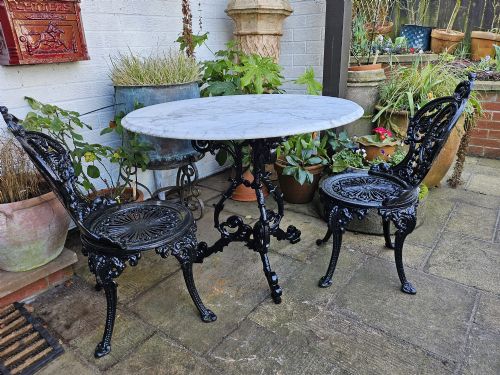
Makers produced these chairs for various functions, ranging from garden dining sets and bistro tables to office desk chairs and heavy dentist chairs. Their forms reflect specific historical contexts, such as maritime service, domestic gardens and industrial factories.
Materials and construction
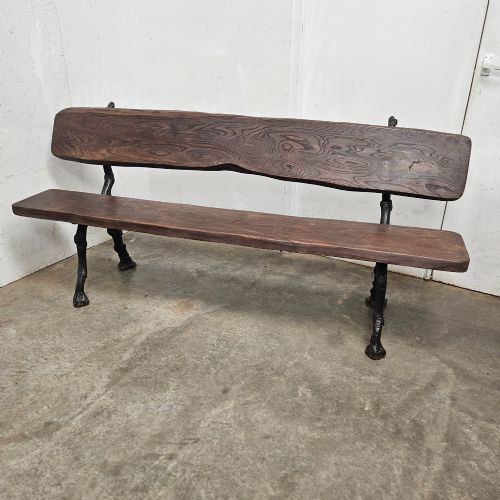
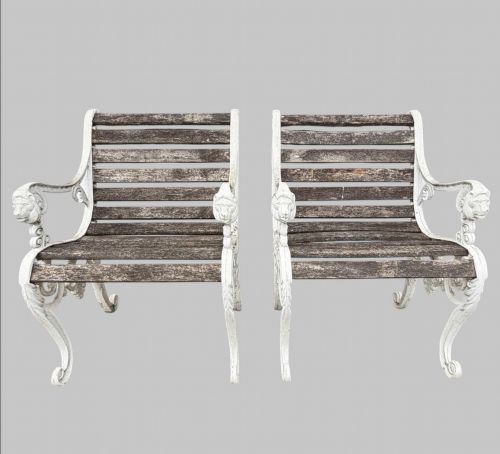
Foundries utilised durable cast iron for structural frames, bases and decorative backs, often combining the metal with timber components like oak and elm for seats and armrests. Manufacturers applied paint finishes to protect the metal from outdoor elements and wear.
Craftsmen incorporated revolving mechanisms, button-back upholstery, leather pads and marble tops into specific variants. These construction methods yielded rigid, weighty furniture designed to withstand rigorous daily use in commercial and domestic environments.
Some chairs spent their youth aboard passenger ships or inside polo clubs before retiring to quiet modern lawns.
Evaluating quality and design
Quality in these chairs rests upon the crispness of the casting detail, particularly in botanical or gothic motifs like blackberry and leaf patterns. Superior examples display intricate foundry work and well-balanced proportions rather than plain or heavily pitted surfaces.
The integrity of the mechanism in revolving or industrial models distinguishes finer pieces, alongside the harmonious pairing of iron frames with original timber seats. Retained paint surfaces and traceable foundry origins elevate the standing of a piece within the range.
Falkirk foundry·Christopher Dresser·Singer·Evertaut·Val D osne
The Antique Cast Iron Chairs Glossary
- Cast iron
- An iron-carbon alloy poured into moulds to create rigid, highly detailed structural components and decorative frames. This material forms the primary basis for the weight and longevity of these pieces.
- Faux bois
- A stylistic imitation of wood executed in metal or concrete, frequently seen in nineteenth-century garden benches and seating. It mimics natural timber grain and branch structures.
- Revolving mechanism
- A mechanical swivel assembly integrated into office, workshop and ship chairs. It allows the seated user to rotate freely without moving the heavy iron base.
- Bistro set
- A small table accompanied by matching chairs, designed originally for pavement cafes and French country settings. These sets often combine iron frames with marble or wooden tops.
- Gothic design
- An architectural and decorative style featuring pointed arches, trefoils and ornate tracery. Foundries applied these motifs to create elaborate iron garden furniture.
Antique Cast Iron Chairs: Frequently Asked Questions
How do I care for cast iron garden chairs?
Keep the metal clean and dry, inspecting the paint surface regularly for signs of wear or moisture penetration.
Apply suitable protective coatings when necessary to prevent rust from forming on the iron components.
Were all cast iron chairs meant for gardens?
No, manufacturers produced cast iron frames for various indoor and industrial applications, including workshops, offices and ship cabins.
These interior variants often featured revolving bases or wooden and upholstered seats rather than open metal slats.
How can I tell a Victorian chair from a later piece?
Victorian examples typically exhibit heavier ornamentation, such as botanical motifs or gothic tracery, reflecting nineteenth-century design aesthetics.
Later interwar pieces often align with industrial, Art Deco or streamlined workshop forms.
Are these chairs too heavy for everyday use?
Their substantial weight makes them exceptionally stable, whether placed on a lawn or around a desk.
While difficult to move frequently, this mass ensures they remain secure against wind outdoors and heavy daily wear inside.