
Painted Cabinet Plate
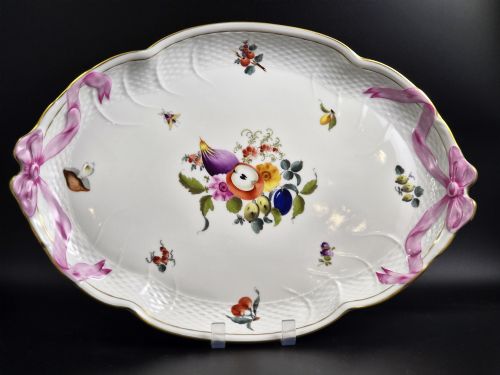
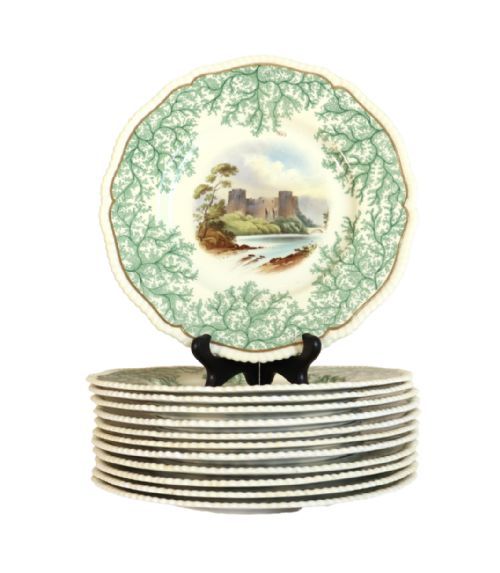
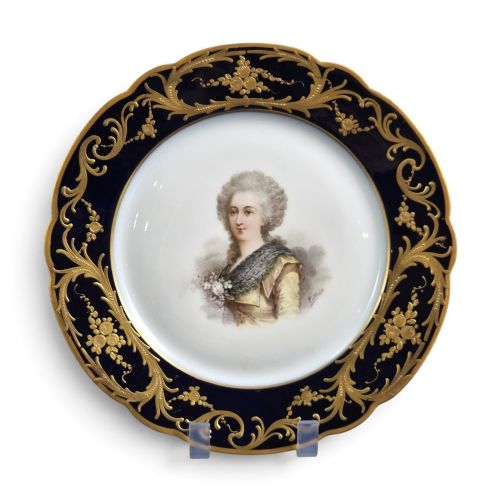
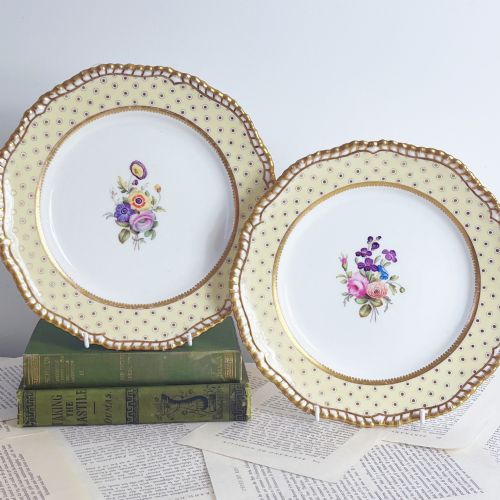
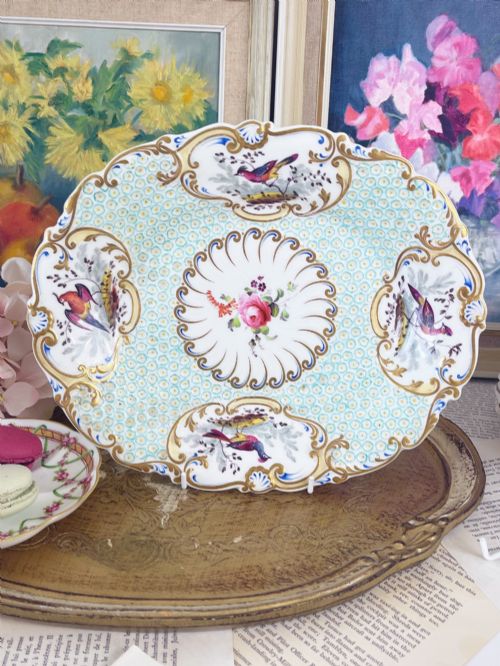
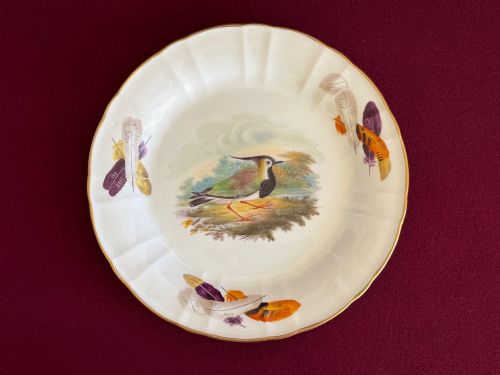
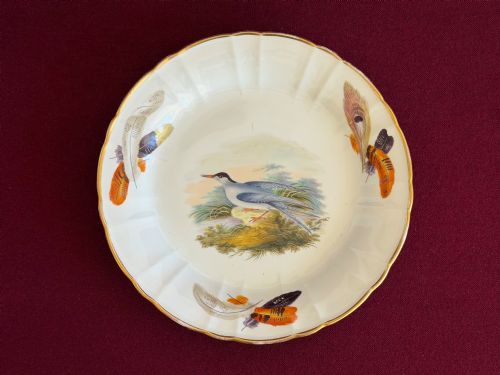
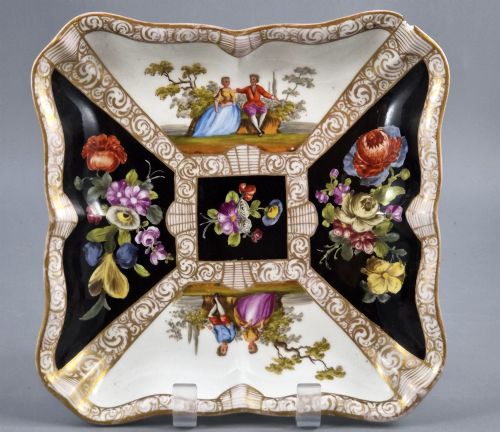
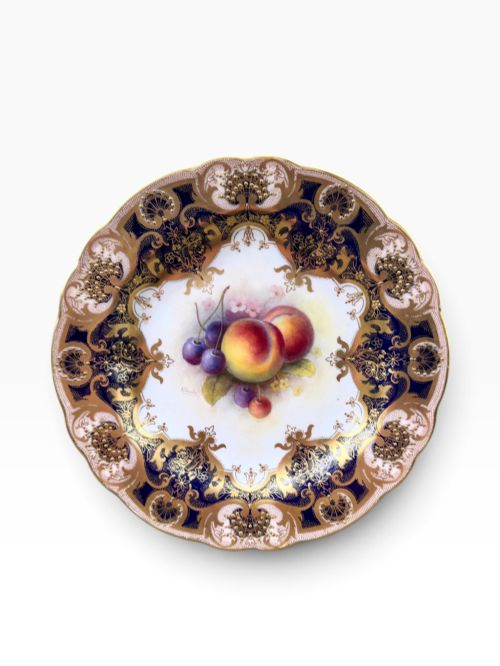
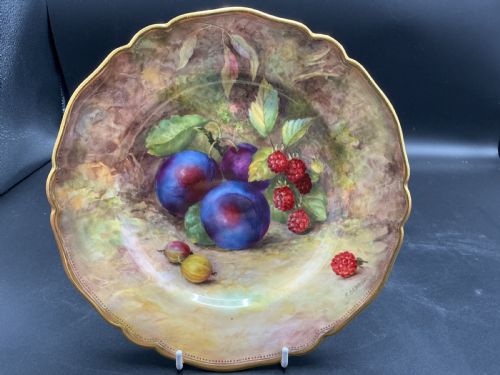
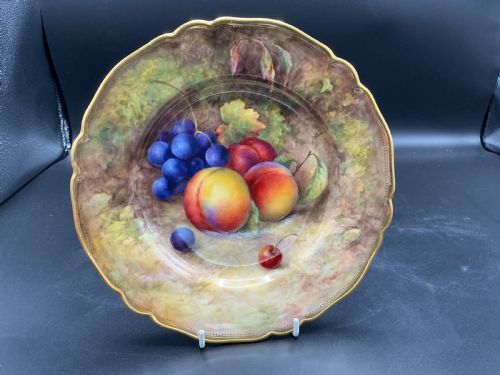
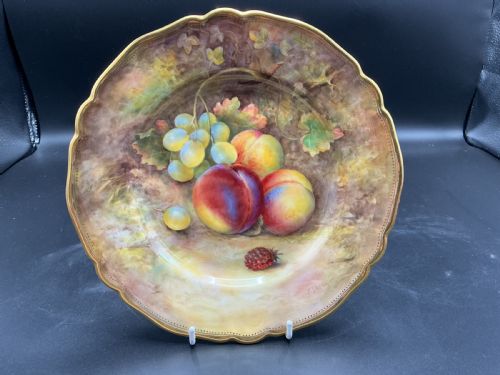
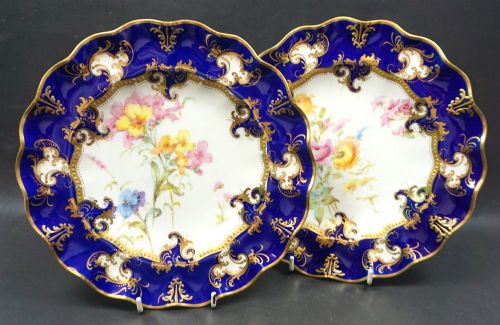
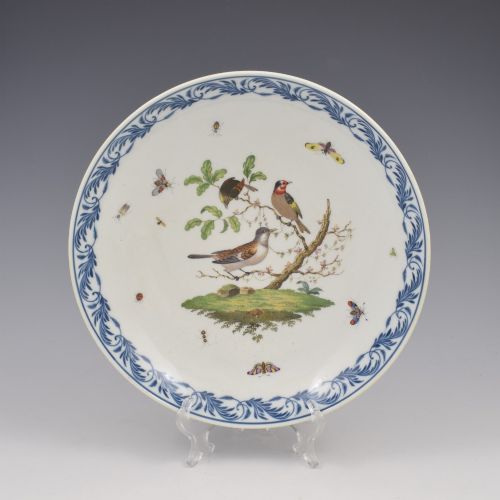
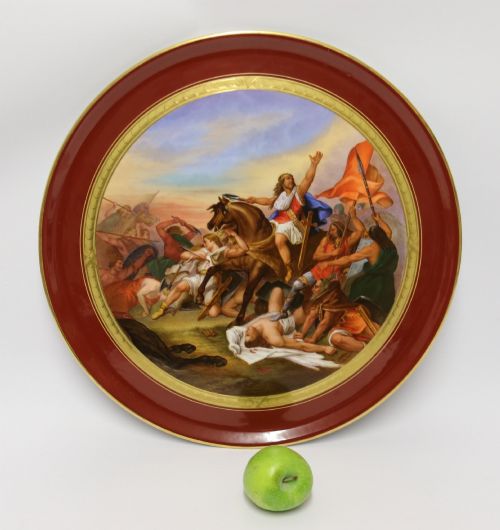
When you search for a painted cabinet plate, you are looking at fine porcelain dishes decorated by hand for display rather than dining.
Painted Cabinet Plate
A painted cabinet plate is an ornamental ceramic dish intended for display in a cabinet or on a wall rather than for practical table use. These pieces span from the late eighteenth century through the twentieth century, encompassing Victorian, Edwardian, and Art Deco styles alongside earlier Continental and English traditions.
The selections on this page commonly feature floral studies, ornithological illustrations, and hand-painted fruit scenes by named artists. You will encounter works originating from major European factories such as Royal Worcester, Meissen, Sèvres, and Minton, alongside items produced by smaller English potteries.
How they were made
The foundation of these objects is hard-paste or soft-paste porcelain, bone china, or ironstone, shaped into plates and dishes before being fired. Artisans applied hand-mixed mineral pigments directly to the glazed or biscuit surface, often executing delicate brushwork for botanical and figurative scenes.
Guilding and gold leaf accents were frequently applied by hand around the borders or rims to frame the central painted composition. Multiple firings in a kiln were required to fix the polychrome enamels and gilding securely to the ceramic body.
Several plates capture remarkably grumpy-looking birds and startled fairies peering out from Victorian foliage.
What varies in quality
The distinction between standard production and top-tier items rests primarily on the skill and reputation of the artist. Plates bearing signed work by known ceramic painters command greater attention than factory pieces decorated by anonymous hands.
Complexity of design and depth of palette also separate ordinary items from exceptional ones. Elaborate gilding, extensive hand-painting across the entire surface, and intricate pierced borders indicate a higher grade of manufacture.
Spode·Wedgwood·Meissen·Royal Worcester·Royal Crown Derby·Minton·Royal Doulton·Coalport·Aynsley
The Painted Cabinet Plate Glossary
- Cabinet plate
- A decorative ceramic dish made specifically for display in a cabinet or on a wall rather than for use at the dining table. These plates often feature elaborate hand-painted scenes and gilded borders.
- Bone china
- A type of soft-paste porcelain containing bone ash, developed in England to create a strong, brilliantly white ceramic body. It allowed makers to produce thinner walls and delicate forms.
- Gilding
- The application of gold leaf or powdered gold to the surface of porcelain. It provides metallic accents around the rims and borders of decorative plates.
- Soft-paste porcelain
- An artificial porcelain composition fired at lower temperatures than hard-paste porcelain. It produces a warm glaze texture particularly suited to fine painting.
- Ironstone
- A heavy, durable type of earthenware patented in the nineteenth century as a robust alternative to porcelain. It often carried transfer-printed or hand-painted Imari patterns.
Painted Cabinet Plate: Frequently Asked Questions
How were cabinet plates displayed?
Historically, cabinet plates were housed in specialised display cabinets or sideboards to protect them from household wear. They were also mounted on walls using wire hangers or placed upon mantelpieces.
Collectors often arranged sets by theme, maker, or artist to create a striking visual display in drawing rooms and parlours.
Who painted these porcelain plates?
Many cabinet plates were decorated by specialised studio artists employed by major factories such as Royal Worcester or Minton. Painters often signed their work discretely within the central scene or along the border.
Well-known artists like Richard Sebright, Albert Shuck, and William Bee produced highly detailed botanical and fruit studies that remain central to the collecting field today.
How do I care for antique porcelain?
Antique porcelain requires gentle handling and should be kept away from direct sunlight to preserve the vibrancy of the hand-painted enamels. Cleaning should be done strictly by hand using lukewarm water and mild soap.
Avoid abrasive sponges or soaking pieces with delicate gold leaf gilding, as these treatments can wear away the historic surface decoration over time.