



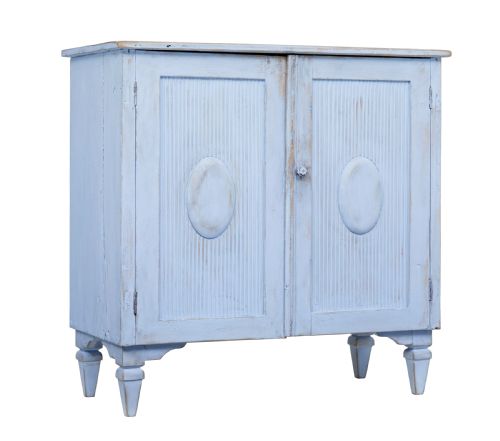


Painted Buffet Furniture
Painted buffet furniture brings character and storage to a room, spanning rustic country pieces and ornate revival cabinets.
Painted Buffet Furniture
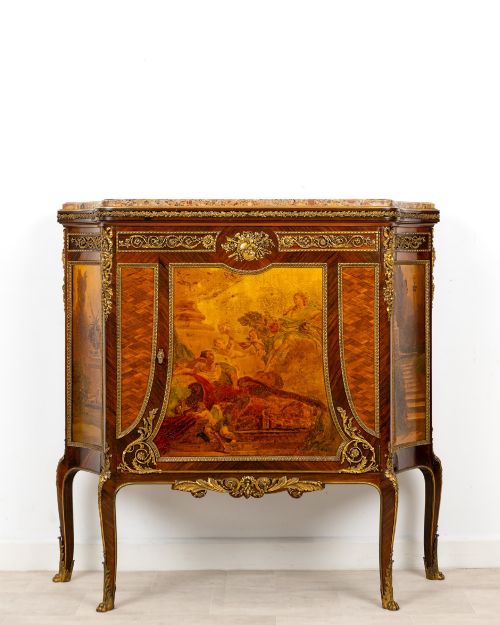
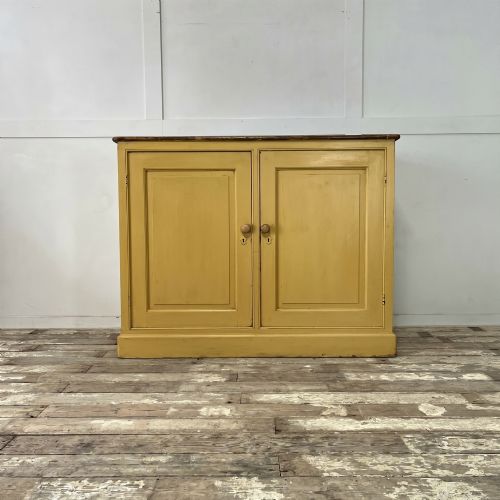
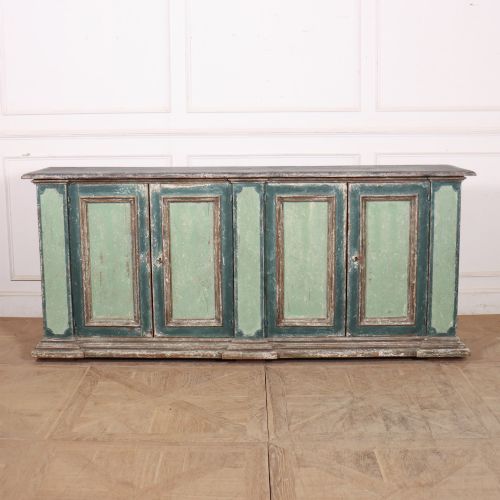
When searching for painted buffet furniture, buyers encounter a diverse selection of storage pieces spanning multiple centuries and European regions. The pieces listed here range from utilitarian kitchen cupboards and dresser bases to grand French and Italian side cabinets.
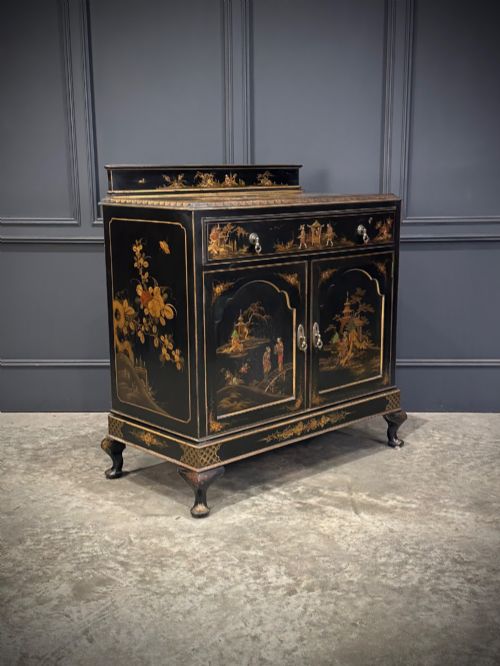
The selection leans heavily toward country interpretations, including Swedish cupboards, Scottish dairy dressers, and English pine storage cabinets. Alongside these rustic forms sit sophisticated decorative items like Chinoiserie lacquered cabinets and Venetian serpentine buffets.
How they were made
Carpenters constructed these storage items primarily from solid timber such as pine, oak, and walnut, employing traditional joinery methods suited to domestic and kitchen use. Iron and brass hardware, including hinges and handles, secured the doors and drawers.
Makers applied various surface treatments including layered paint, scraped paint, ragwork, and varnish to achieve regional aesthetic styles. Some refined pieces incorporate carved wood details, marble tops, and gilt-bronze mounts alongside specialised lacquering techniques.
Painted Buffet Furniture Retail Price Guide 2026
Typical asking prices for painted buffet furniture among the pieces listed under this phrase on Sellingantiques today, from the lower quarter to the upper quarter. They describe what is for sale here now, not the wider market.
Listings feature items from the eighteenth, nineteenth, and twentieth centuries, incorporating regional styles from Sweden, France, Italy, and England.
What varies in quality
Quality in these storage pieces depends upon the integrity of the timber construction and the authenticity of the surface decoration. Original paint finishes and period hardware elevate a piece above later adaptations or stripped timber.
The sophistication of the design dictates the tier of craftsmanship, ranging from straightforward provincial utility cupboards to elaborate works bearing maker attributions and detailed decorative motifs like Japanning.
François Linke·Melissa White
The Painted Buffet Furniture Glossary
- Buffet
- A sideboard or cabinet used for storing and displaying food and tableware. These storage pieces typically sit in dining rooms or kitchens.
- Japanning
- A European imitation of East Asian lacquerwork popular on decorative cabinets. This finishing technique involves applying layered varnishes and often incorporates Chinoiserie motifs.
- Ragwork
- A decorative paint technique where rags are used to dab or wipe colour onto a surface. This method creates a textured, mottled finish found on regional cupboards.
- Serpentine
- A furniture front or top shaped with a central convex curve flanked by concave curves. This undulating line appears on sophisticated Venetian decorative pieces.
- Dresser base
- The lower section of a kitchen or dining dresser containing cupboards and drawers. These sturdy units function independently as sideboards.
Painted Buffet Furniture: Frequently Asked Questions
How do I clean a painted buffet?
Dust the surface regularly with a soft, dry cloth to prevent dirt accumulation on the painted finish. Avoid harsh chemical cleaners that might strip or damage historical paint layers.
Test any mild cleaning solution on a hidden area before applying it to the entire cabinet. Preserving the original patina remains paramount for older decorative furniture.
Are these buffets suitable for kitchens?
Many of these pieces originated as kitchen cupboards, dairy dressers, and school storage units. Their robust timber construction makes them practical for modern culinary spaces.
Ensure placement avoids excessive moisture and direct heat sources to protect the wood and painted surfaces. They provide generous storage for tableware, linens, and dry goods.
How can I tell if the paint is original?
Examine the surface under natural light to check for natural wear patterns, craquelure, and consistency across the piece. Original paint often shows appropriate age-related softening around handles and frequently touched areas.
Look for underlying layers visible through chips or wear. Later repainting usually sits uniformly over the entire timber without the characteristic integration found in period surfaces.