

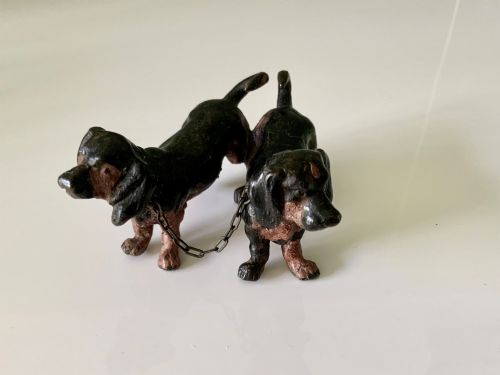
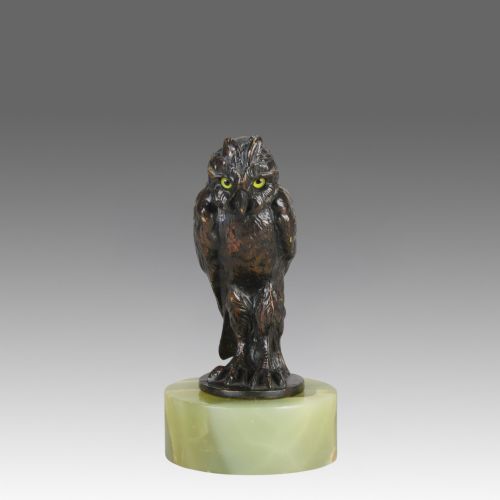
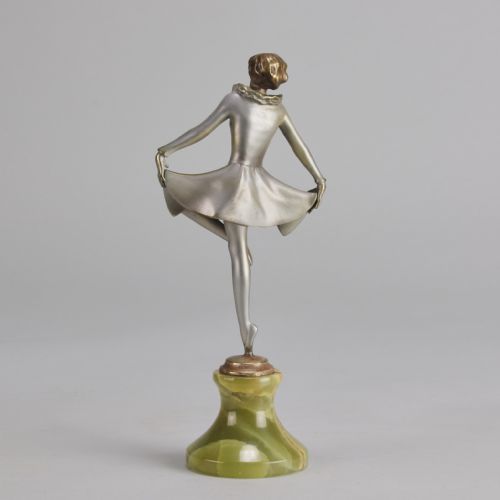
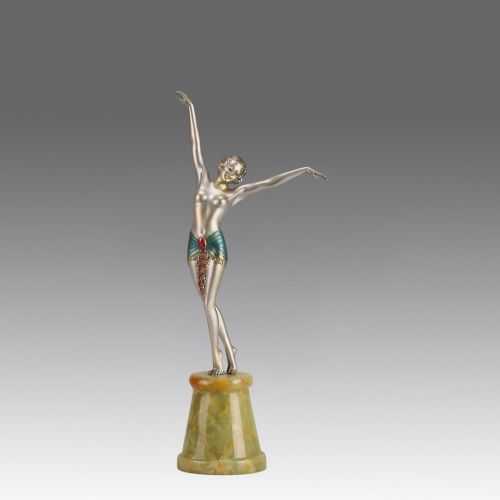
Painted Bronze Figurine
A painted bronze figurine brings character and colour to a room through finely cast metal finished with detailed enamel pigments.
Painted Bronze Figurine
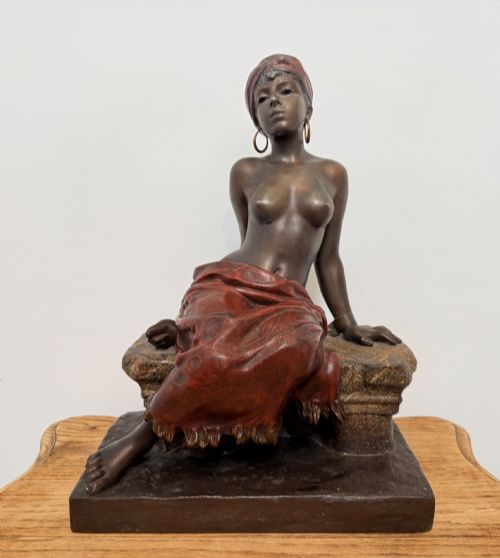
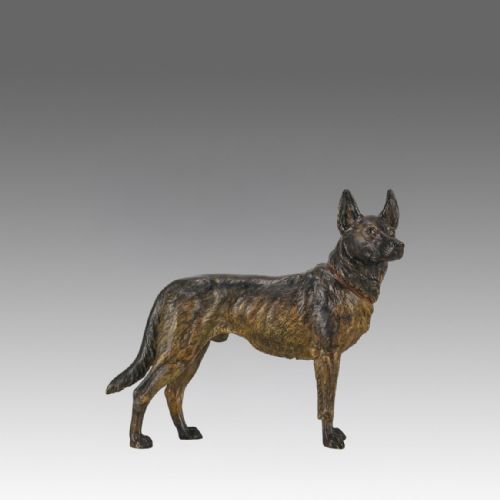
A painted bronze figurine combines metal casting with applied surface pigments to create small sculptural works of art. Collectors seek these pieces for their intricate detail, vibrant character studies, and the charm of their decorative finishes.
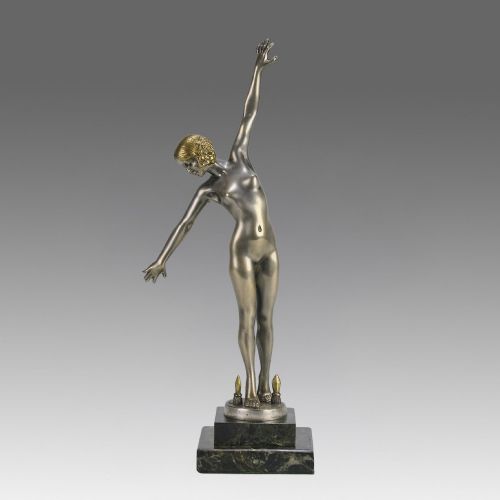
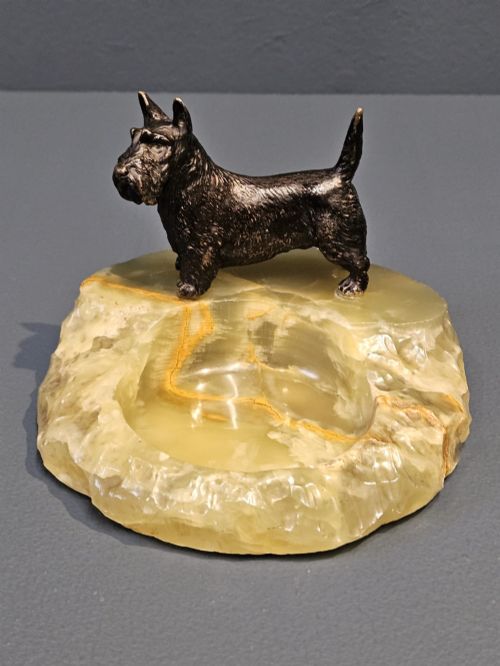
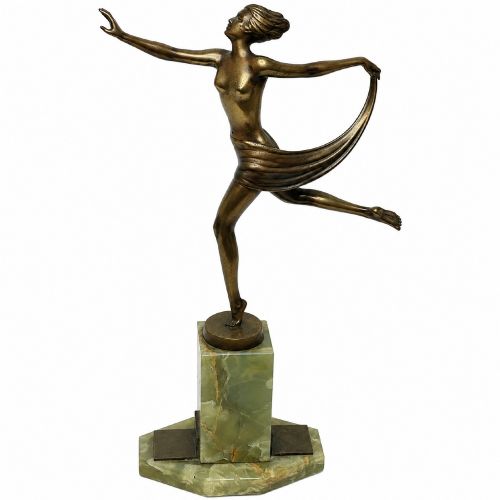
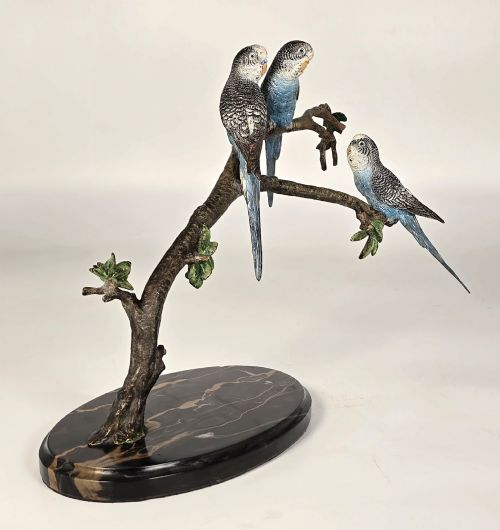
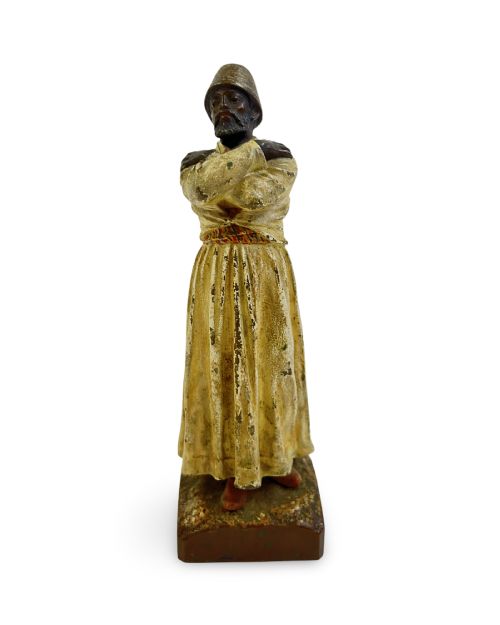
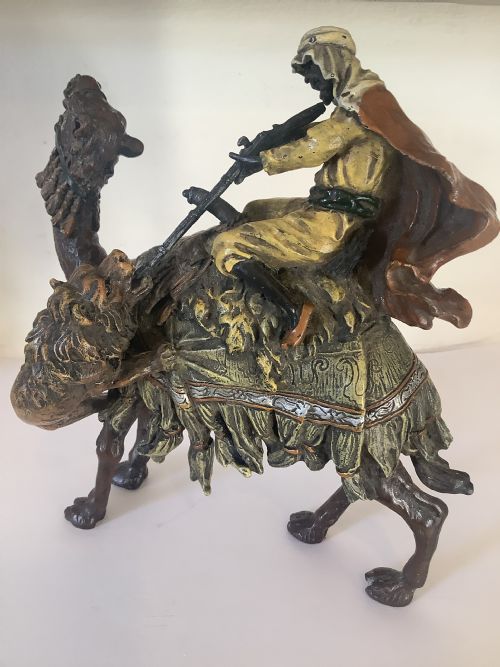
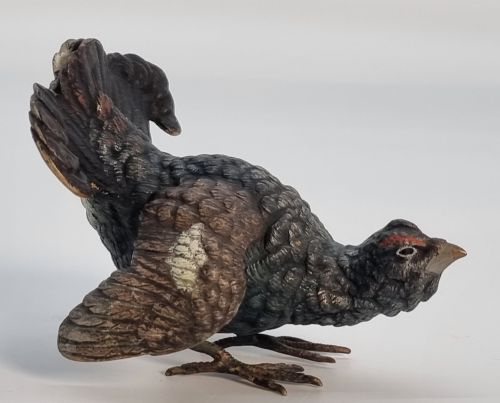
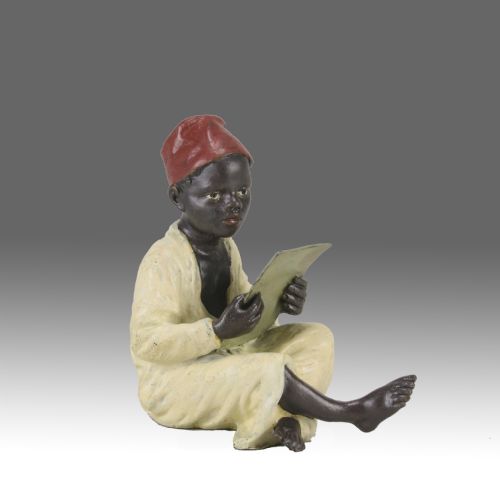
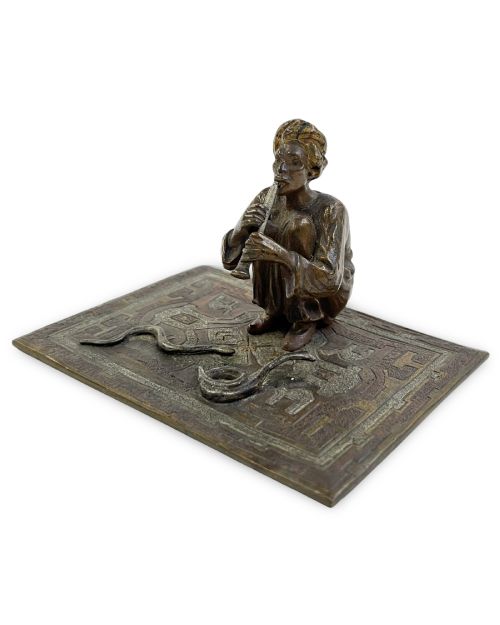
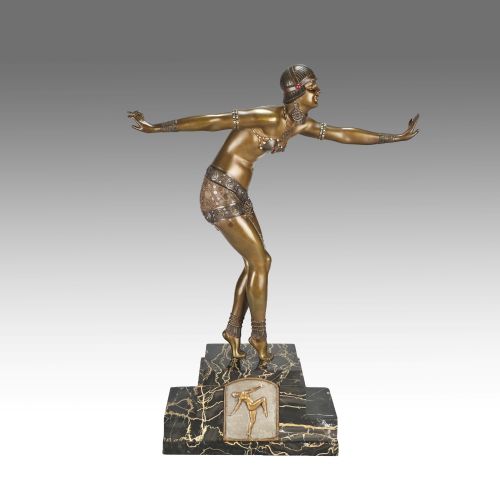
The painted bronze figurine selection on this page draws primarily from the nineteenth and early twentieth centuries. Pieces range from Victorian animal studies to striking Art Deco human figures and Orientalist subjects.
Most examples originate from European foundries, with Austrian workshops producing a significant proportion of the small animal and human bronzes found here. These works often combine bronze with bases of green onyx or marble.
How they were made
Foundries cast these figures in bronze using traditional methods before applying decorative finishes to the metal surface. Artists utilised cold-painting techniques, applying layers of oil or enamel paint directly onto the unheated or slightly warmed bronze without firing it in a kiln.
Certain pieces incorporate contrasting materials such as gilt bronze or combine the metal figures with carved bases of onyx and marble. Enamel paint provides durable colour accents on garments, plumage, and decorative details.
Painted Bronze Figurine Retail Price Guide 2026
Typical asking prices for painted bronze figurine among the pieces listed under this phrase on Sellingantiques today, from the lower quarter to the upper quarter. They describe what is for sale here now, not the wider market.
Listings feature works spanning the Victorian era through the 1930s, encompassing Art Nouveau, Art Deco, and Orientalist movements.
What varies in quality
The preservation and skill of the original painted surface heavily influence the overall standard of a figurine. Master painters achieved nuanced gradients and lifelike tones in animal plumage and human attire that elevate simpler casts into highly collectible works.
Franz Bergman·Josef Lorenzl·Pierre le Faguays·Ferdinand Preiss·E Villanis
The Painted Bronze Figurine Glossary
- Cold-Painted Bronze
- A method where enamel or oil paint is applied to a bronze casting without high-temperature firing. This technique produces rich surface colour on small animal and human sculptures.
- Vienna Bronze
- Small-scale bronze sculptures produced in Austrian foundries during the late nineteenth and early twentieth centuries. These pieces are celebrated for naturalistic animal studies and Orientalist figures.
- Orientalist
- A nineteenth and twentieth-century artistic style depicting subjects from the Middle East and North Africa. Figures in this style often feature elaborate traditional garments and narrative scenes.
- Art Deco
- A design style from the 1920s and 1930s characterised by sleek geometric forms and stylised human figures. Dancers and athletes are common subjects in bronze from this period.
- Spelter
- An alloy of zinc and lead used as a less expensive substitute for bronze in decorative figures. Makers often painted spelter to imitate the appearance of traditional bronze casting.
Painted Bronze Figurine: Frequently Asked Questions
What is a cold painted bronze figurine?
A cold painted bronze figurine is a metal sculpture finished with oil or enamel pigments applied directly to the surface without kiln firing.
This method allows for fine detail and vibrant colour on small figures depicting animals, dancers, and historical subjects.
How do I care for painted bronze?
Protect these pieces from direct sunlight and high humidity to prevent the applied paint from fading or flaking over time. Dust the surface gently with a soft, dry cloth without using liquid cleaners or abrasive polishes.
Are all these figures made of solid bronze?
Most pieces feature bronze construction, though some figures from the Art Deco period utilise spelter as an alternative metal base.
Foundries often mounted these metal sculptures onto heavier bases made from natural green onyx or marble.
What subjects are most common?
Naturalistic animal studies such as birds, dogs, and horses appear frequently alongside human figures including dancers and Orientalist characters.
Many of these designs originate from early twentieth-century Austrian and European workshops.