

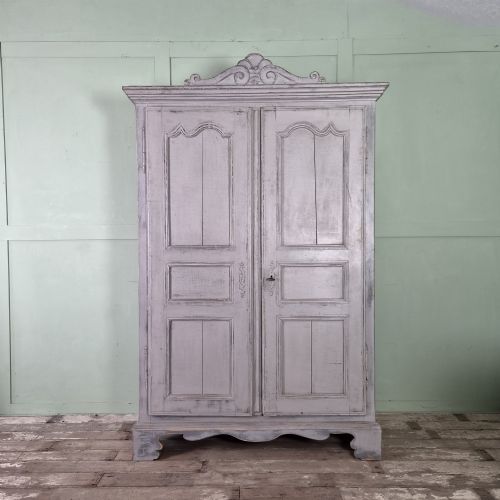
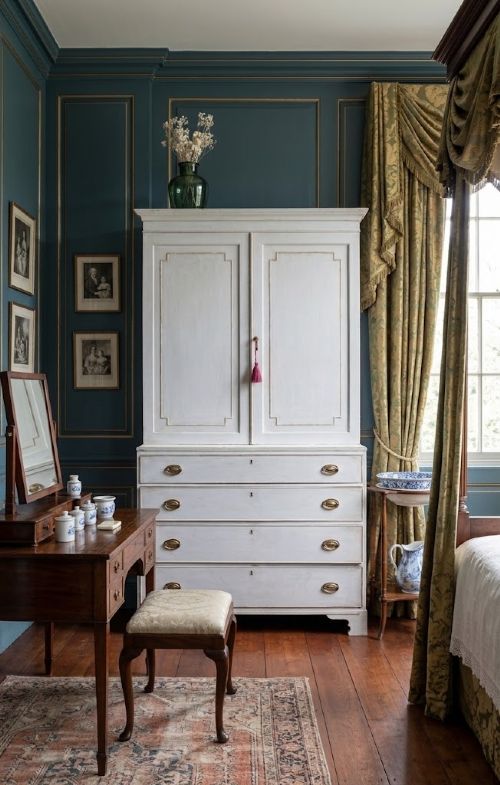
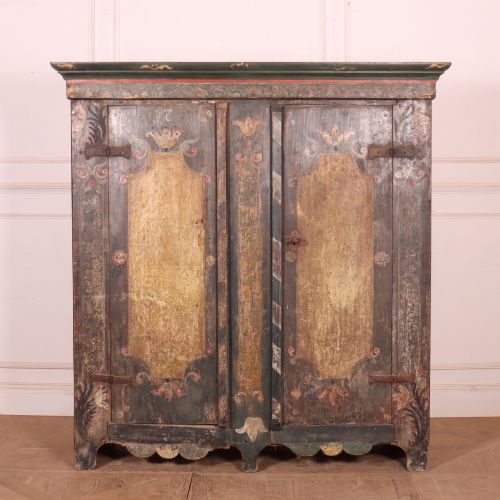
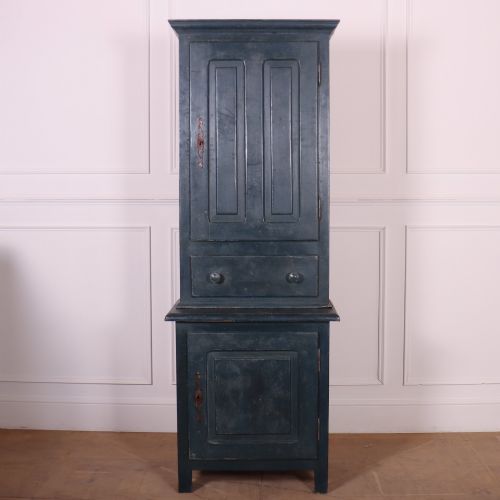
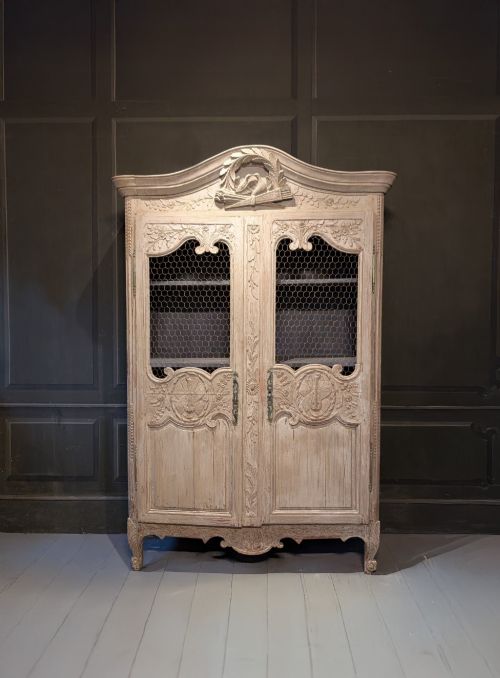
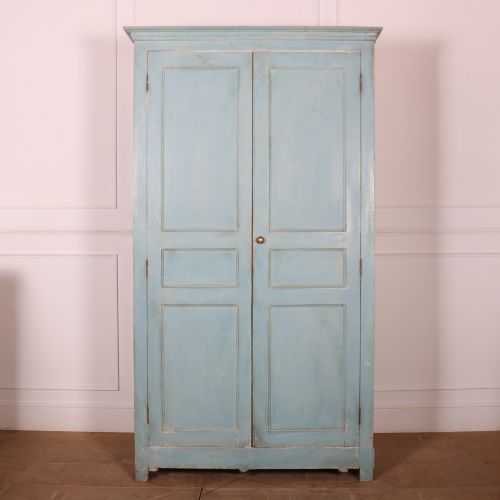
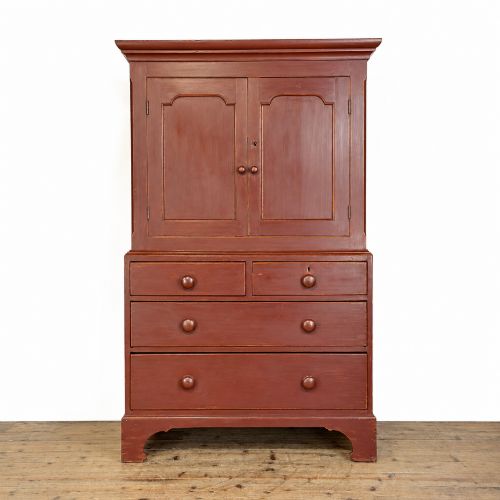
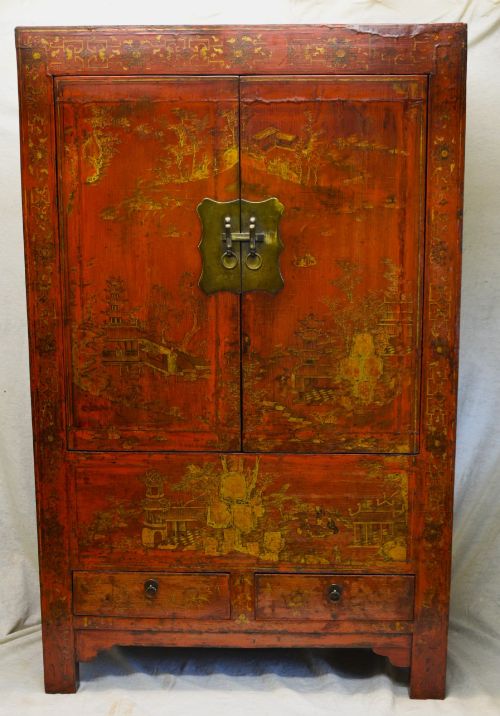
Painted Armoire Cupboard
A painted armoire cupboard brings colour and substantial storage to a room, ranging from simple country pine to ornate lacquered wedding cabinets.
Painted Armoire Cupboard
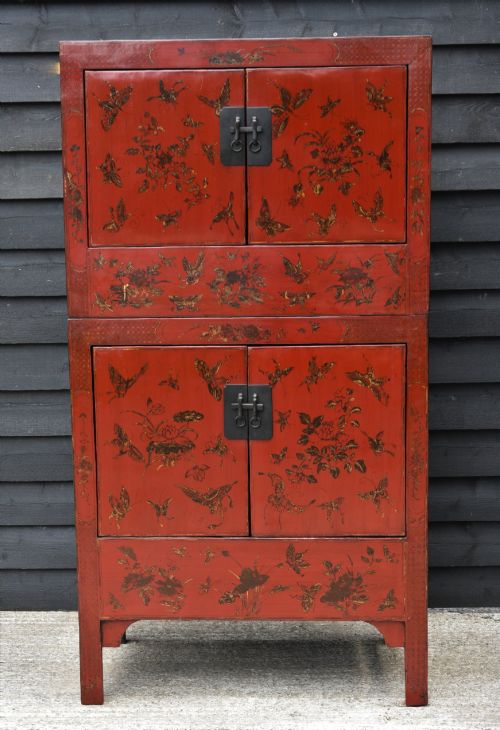
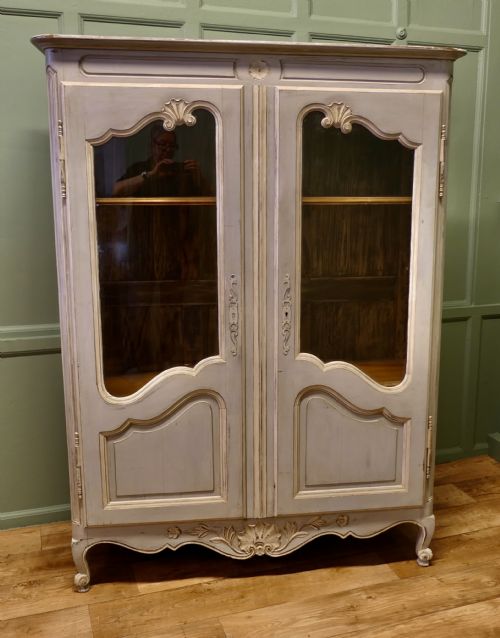
A painted armoire cupboard serves as a large storage piece for clothing, linen and household goods, taking forms such as wardrobes, housekeeper's cupboards, presses and marriage cabinets. These items originate from British, French, Scandinavian, Spanish, Chinese and Indian traditions across several centuries.
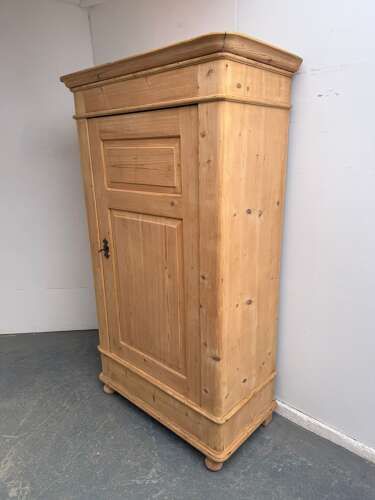
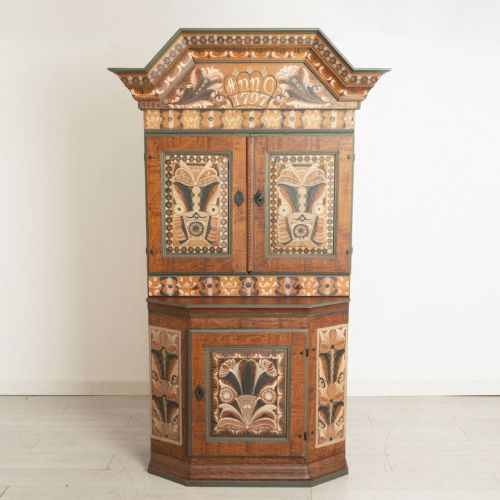
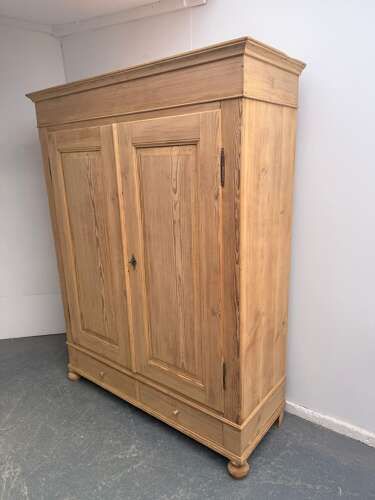
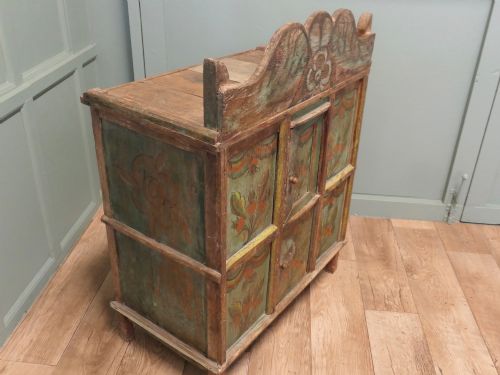
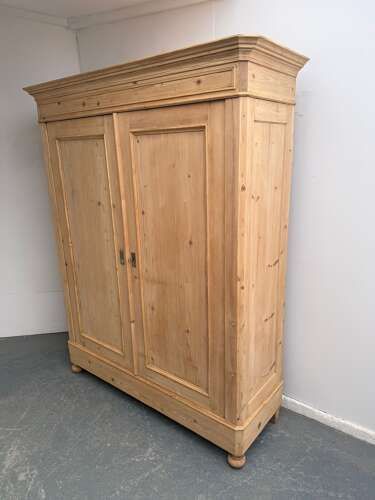
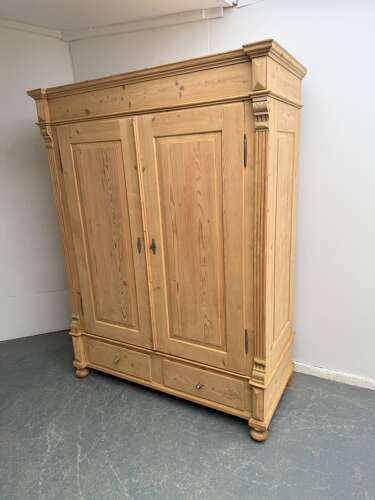
The version most commonly met on this page is the Victorian or Georgian pine wardrobe or cupboard, often supplied ready to wax or paint, alongside regional pieces finished in original folk art paintwork, scumble or Chinese lacquer.
How they were made
Construction relies heavily on solid timbers like pine, ash, elm, teak and satinwood, joined to form sturdy carcases with panelled doors and internal shelving or hanging space. Iron and brass hardware such as hinges and handles secure the heavy doors.
Surface finishes define these pieces, utilising traditional techniques including hand-painting, polychrome decoration, red lacquer and faux oak scumble paintwork applied over wood.
Painted Armoire Cupboard Retail Price Guide 2026
Typical asking prices for painted armoire cupboard among the pieces listed under this phrase on Sellingantiques today, from the lower quarter to the upper quarter. They describe what is for sale here now, not the wider market.
Listings feature items spanning the seventeenth to the early twentieth century, constructed from pine, ash, elm, teak, satinwood and steel.
What varies in quality
The distinction between ordinary and superior pieces rests on the integrity of the original construction and the preservation of authentic surface decoration. Early knockdown mechanisms, untouched folk art paint and genuine period hardware elevate a piece above standard utility items.
Proportion and scale also separate standard regional cupboards from exceptional examples, such as large Spanish Basque polychrome armoires or detailed Chinoiserie cabinets with outdoor scenes.
The Painted Armoire Cupboard Glossary
- Armoire
- A tall cupboard or wardrobe, traditionally used for storing clothes. French examples often feature double doors and generous proportions.
- Housekeeper's cupboard
- A large storage cabinet traditionally used in large houses for storing linen and dry goods. They often combine upper cupboards with lower drawers.
- Knockdown wardrobe
- A large piece of furniture designed to be dismantled into sections for ease of transport and installation. This construction method is frequently found in Victorian pine pieces.
- Scumble paintwork
- A decorative painting technique where a translucent glaze is manipulated over a base coat to imitate finer timbers like oak. It was widely used in the nineteenth century.
- Polychrome
- Decorated in multiple colours. This finish is characteristic of early pieces like seventeenth-century Spanish Basque cupboards.
Painted Armoire Cupboard: Frequently Asked Questions
How do I use a painted armoire cupboard?
These large pieces provide deep storage for bulky items such as folded clothes, bedding and household supplies. Many feature internal shelves or hanging rails adapted for modern wardrobes.
Positioning requires adequate wall space and ceiling height, particularly for tall Victorian pine or French provincial models. They serve equally well as focal storage in bedrooms or hallways.
What is a knockdown wardrobe?
A knockdown wardrobe is built to be easily taken apart into flat panels and sections for transport. This clever joinery allowed large pieces to be moved between rooms and upper floors.
Many nineteenth-century pine examples utilise this modular construction, making delivery and assembly straightforward in modern homes.
What is scumble paint?
Scumble paint is a decorative surface finish where a darker translucent glaze is dragged or brushed over a lighter base coat. Craftsmen used this method to imitate the grain of expensive hardwoods like oak.
Original scumble work provides a rich, textured appearance that has survived on nineteenth-century compactums and housekeeper's cupboards.
How do I date an antique cupboard?
Dating relies on examining construction methods, timber types and hardware. Hand-cut joints, original backboards and period hinges offer clues to the century of manufacture.
Surface decoration also indicates age, from seventeenth-century polychrome pigments and eighteenth-century Swedish folk art to Victorian pine preparation.