



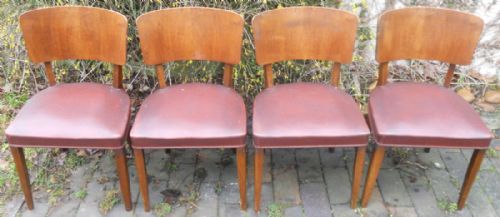


Padded Walnut Side Chairs
Padded walnut side chairs are seating pieces spanning the Georgian to Art Deco periods, offering rich timber grain and comfortable upholstery for any interior.
Padded Walnut Side Chairs
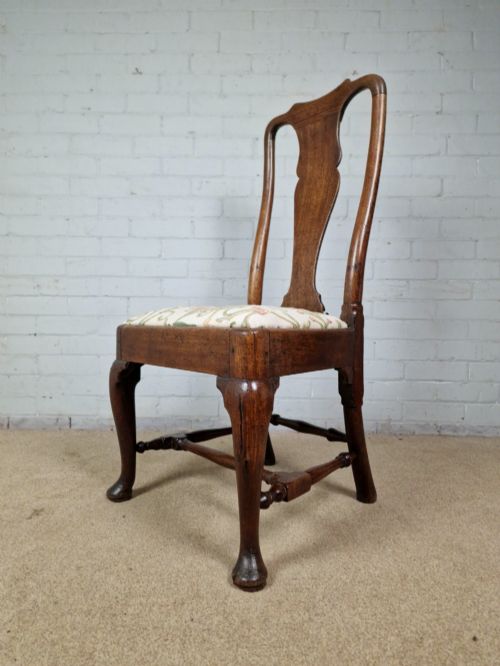
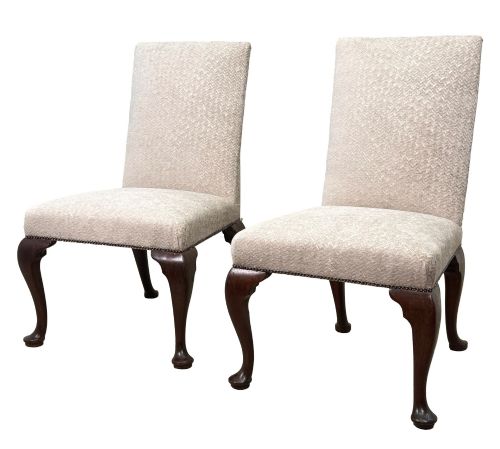
Padded walnut side chairs combine rich dark timber frames with textile coverings, serving as practical seating across dining rooms and bedrooms. These pieces emerge in styles ranging from early Georgian designs to later Victorian and Edwardian interpretations.
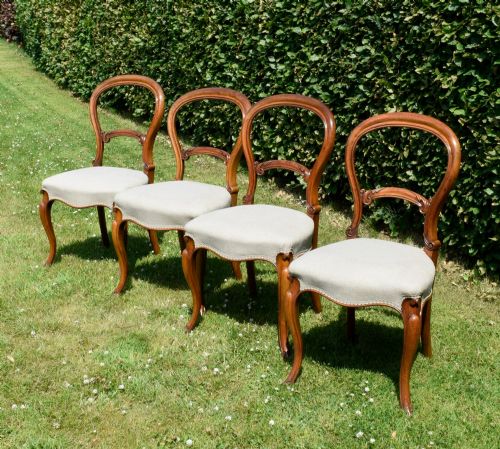
Most examples found here appear in sets of four or more, alongside occasional pairs and individual bedroom chairs. The form primarily functions as a dining chair, though lighter side variants suit sitting rooms and halls equally well.
How they were made
Makers shaped these chairs from solid walnut timber, frequently utilising mahogany as a secondary wood in framing structures. Carved details often adorn the knees and crest rails of Georgian and Victorian examples.
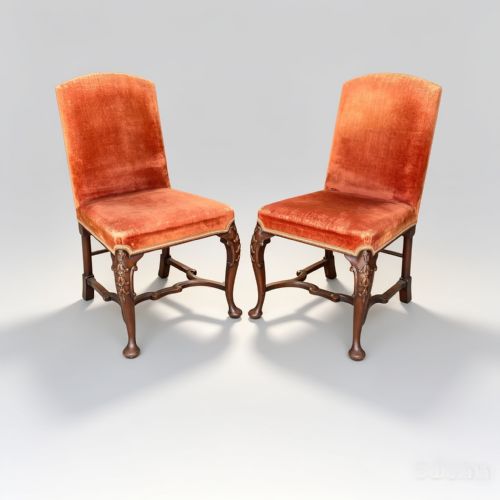
Upholstery techniques involve padding secured over webbing and frames, finished in textiles such as velvet and tapestry fabric. Brass tacks occasionally edge the fabric panels on earlier periods.
Padded Walnut Side Chairs Retail Price Guide 2026
Typical asking prices for padded walnut side chairs among the pieces listed under this phrase on Sellingantiques today, from the lower quarter to the upper quarter. They describe what is for sale here now, not the wider market.
Listings span from early Georgian pieces through Victorian and Edwardian eras up to Art Deco designs, featuring both walnut and mahogany.
What varies in quality
The sophistication of the timber grain and the crispness of any carved ornamentation distinguish finer examples from simpler workshop output. Deeper colour and heavier structural gauge signal superior craftsmanship.
Originality of the frame construction and the integrity of the joinery dictate the standing of individual chairs within their period. Later replacements or heavy restorations alter the character of the piece.
Blyth & Sons
The Padded Walnut Side Chairs Glossary
- Walnut
- A hard timber prized for its rich grain patterns and warm brown tone, widely utilised in furniture making across the eighteenth and nineteenth centuries.
- Side chair
- A chair without arms, traditionally designed to sit at the side of a room or along the edges of a dining table.
- Balloon back
- A rounded, oval-shaped chair back popular during the Victorian era that mimics the silhouette of a hot air balloon.
- Upholstery
- The padded and fabric-covered components of a chair that provide cushioned seating support.
Padded Walnut Side Chairs: Frequently Asked Questions
How do I date a walnut side chair?
Examine the stylistic cues in the woodwork and leg shape, comparing them against known periods like Georgian or Victorian. Construction methods and secondary timbers also offer clues to the decade of manufacture.
Early pieces often feature restrained carving and distinct joinery, whereas later Victorian versions display balloon backs or heavier frames. Checking for hand-cut joints helps confirm an earlier origin.
Can these chairs be used daily?
Most antique chairs remain sturdy enough for regular use provided the internal framing is secure. Checking the stability of the joints ensures they handle everyday sitting safely.
Heavily upholstered dining sets function well around modern tables when the webbing and padding are sound. Periodic checks of the leg fixings maintain their longevity.
Are replacement fabrics acceptable?
Re-upholstering antique seating is standard practice to maintain usability and clean presentation. Many surviving examples wear later velvet or tapestry fabric applied during restoration.
Original textiles rarely survive intact on older pieces, so quality replacement upholstery is generally expected. Choosing traditional fabric weights helps preserve the visual balance of the frame.
How should I care for walnut furniture?
Keep wooden frames away from direct sunlight and extreme heat sources to prevent timber splitting. Gentle dusting with a dry cloth preserves the polished surface without moisture damage.
Avoid chemical polishes that build up wax layers over time. Natural wax applied sparingly maintains the lustre of the walnut grain.