


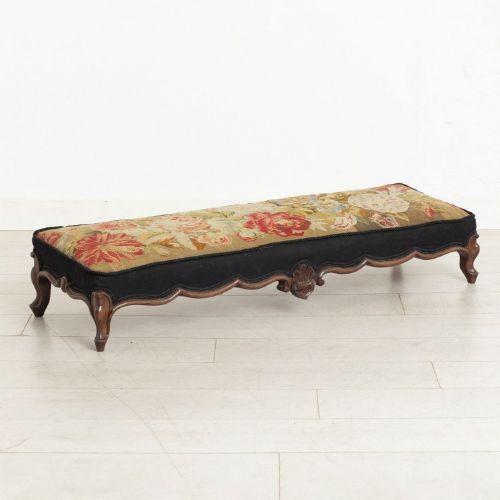
Padded Walnut Footstool
A padded walnut footstool brings tactile comfort and period character to a room, offering a low seat or rest finished in timber and textile.
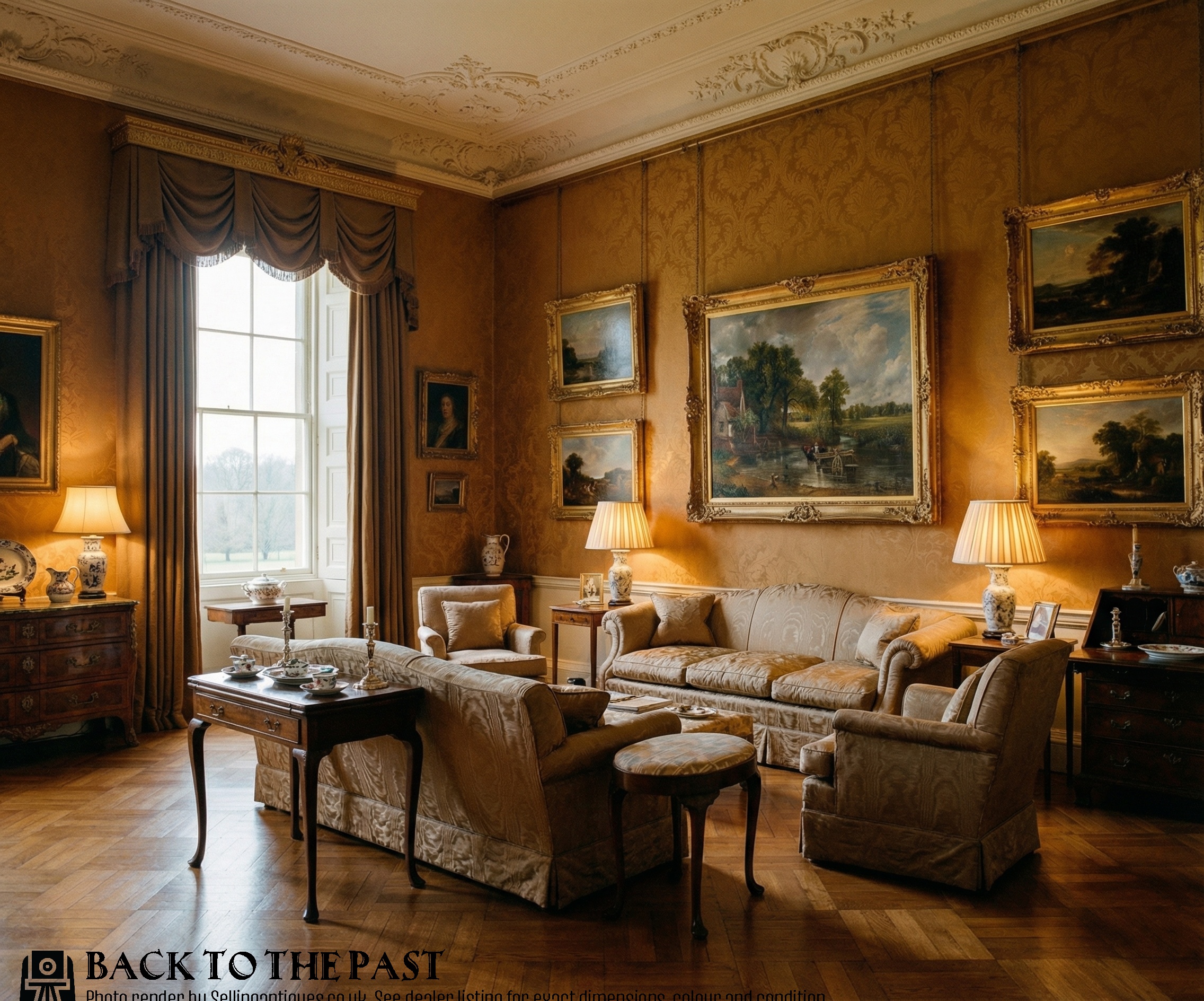
Padded Walnut Footstool
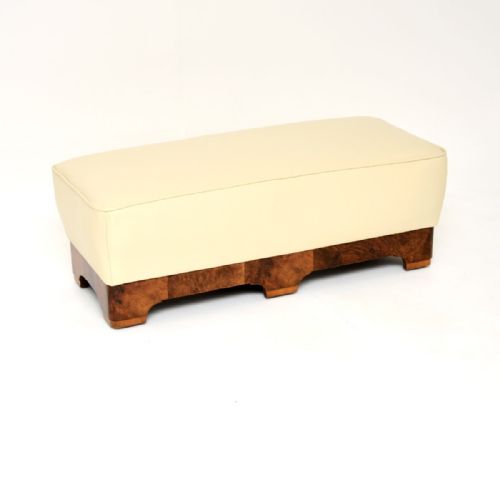
A padded walnut footstool is a low seat designed for resting feet or sitting, constructed primarily from walnut timber with upholstered surfaces. These pieces emerge across periods from the 18th century through the Victorian era and into the 20th century, encompassing styles such as Queen Anne, George I, and Art Deco.
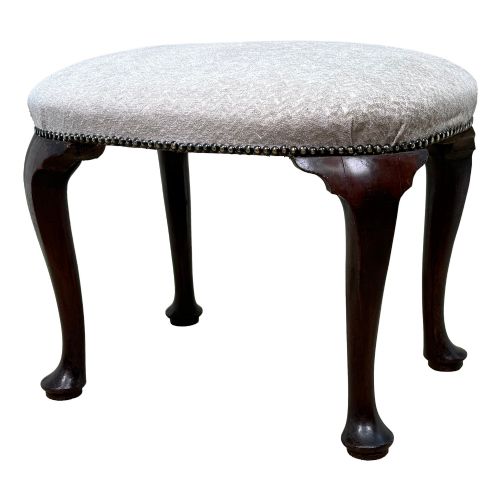
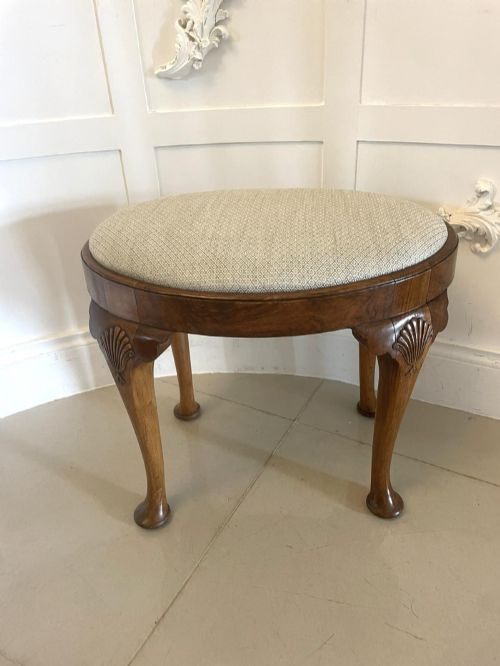
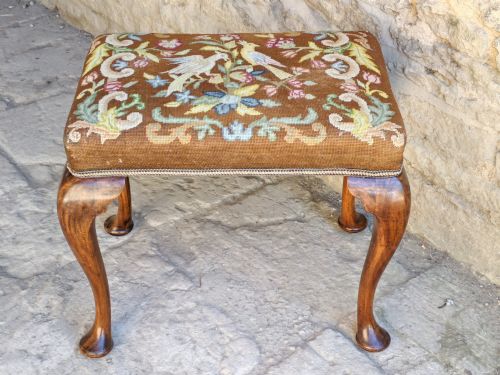
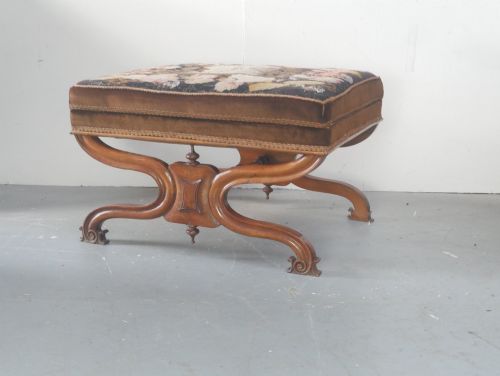
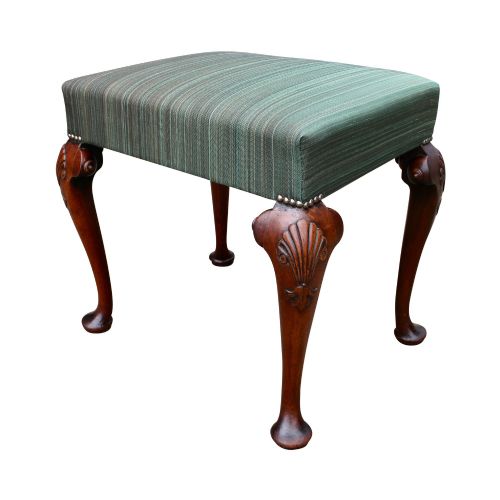
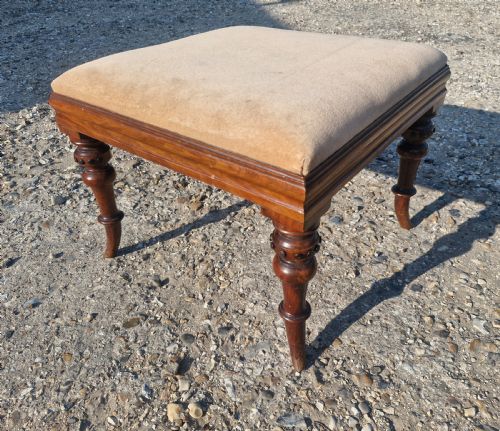
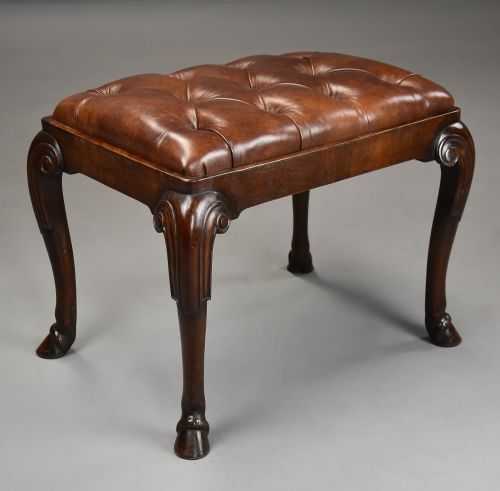
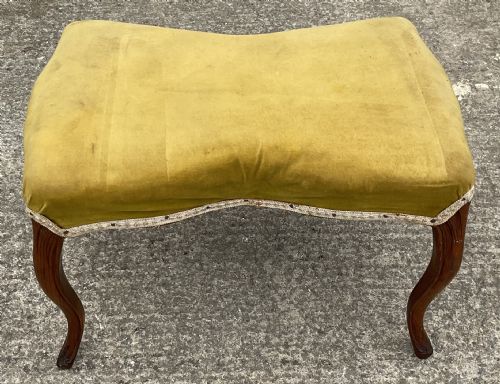
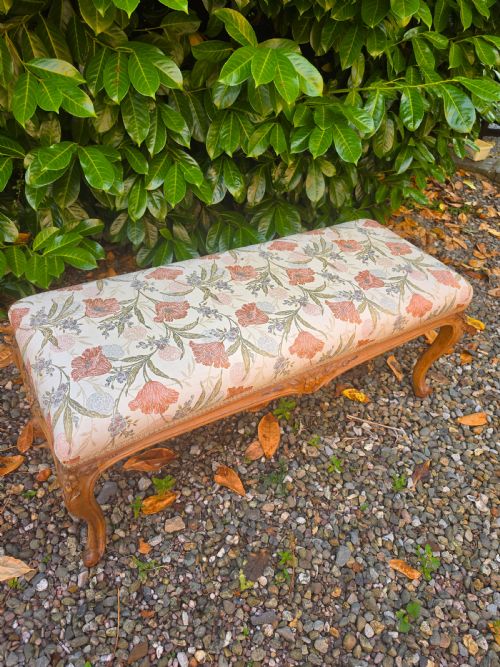
The version most commonly encountered on this page is the Victorian walnut footstool, often featuring carved frames, cabriole legs, and varied upholstery including needlepoint, velvet, and leather. Alongside these, buyers find larger dressing table stools, fender stools, and window seats sharing the same foundational timber and padded design.
How they were made
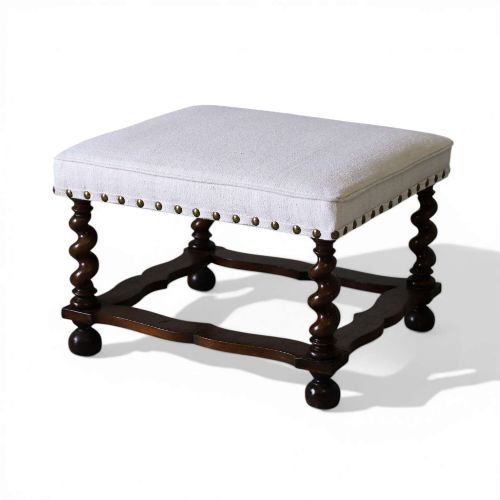
The construction of a padded walnut footstool relies on solid walnut or burr walnut frames, frequently shaped with cabriole legs, claw and ball feet, or barley-sugar turnings. Woodworkers shaped the timber to support upholstered tops, occasionally incorporating oyster veneers and carved ornamentation.
Upholstering materials varied widely across the eras, combining traditional textiles such as tapestry, needlepoint, leather, velvet, and standard fabric padding held with brass elements. Makers secured these covers over internal padding to create durable resting surfaces for fireside or dressing room use.
Certain low gout stools from the mid 19th century were specifically engineered to accommodate swollen ankles with sympathetic elevation.
What varies in quality
Quality in a padded walnut footstool rests upon the crispness of the timber carving and the integrity of the walnut frame. Pieces displaying refined cabriole legs, detailed ornamentation, and robust structural joinery stand apart from simpler domestic examples.
The standard of the upholstery also defines the piece, with original or period-appropriate needlework, leather, and tapestry elevating the craftsmanship. Finer examples retain cohesive proportions between the carved walnut base and the padded top.
The Padded Walnut Footstool Glossary
- Cabriole leg
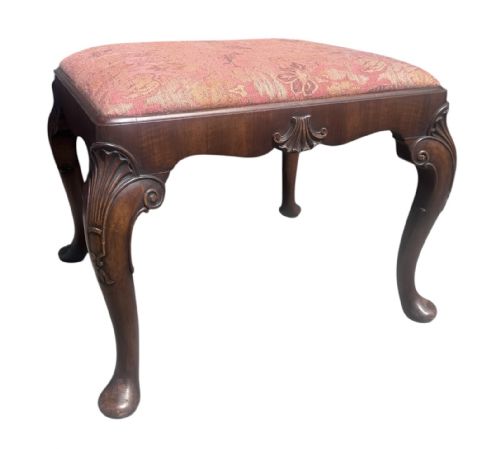
- A furniture leg that curves outward and then tapers inward, mimicking an animal's limb. This form appears frequently on walnut frames from the Queen Anne style and Victorian periods.
- Needlepoint
- A type of canvaswork embroidery used extensively for upholstering footstool tops. It provides a textured, patterned surface common on 19th-century and early 20th-century pieces.
- Fender stool
- A long, narrow footstool designed to sit in front of a hearth fender. These pieces accommodated multiple people warming their feet by the fire.
- Burr walnut
- A specialised timber cut from walnut tree growths, yielding intricate swirling grain patterns. It was utilised on decorative surfaces during the Art Deco era and earlier periods.
- Oyster veneer
- Circular slices of branch wood arranged in patterns resembling oyster shells. This technique decorated early stretcher bases.
Padded Walnut Footstool: Frequently Asked Questions
How do I use a padded walnut footstool?
These pieces serve primarily as low rests for feet beside armchairs or sofas, or as compact seating in dressing rooms and window bays.
Their sturdy walnut frames and padded tops also allow them to function as occasional decorative surfaces in living spaces.
What periods do these footstools come from?
The selection spans from the 18th century, including George I and William and Mary eras, through the 19th century and Victorian period.
Later examples extend into the 1920s and Art Deco period, showing continuous revivals of earlier styles like Queen Anne.
What materials are used for the upholstery?
Upholstery materials include traditional needlepoint, tapestry, leather, velvet, and standard woven fabrics.
Some pieces retain original textile covers, while others feature restored or updated upholstery applied during later conservation.
How do I identify a Queen Anne style stool?
Queen Anne style stools typically feature characteristic cabriole legs that curve gracefully downward to simple feet without heavy bracing.
The walnut frames often display restrained shaping and smooth lines rather than dense Victorian carving.