
Padded Cabriole Seat
A padded cabriole seat brings graceful, curved legs together with soft upholstery, offering an enduring blend of comfort and traditional form.
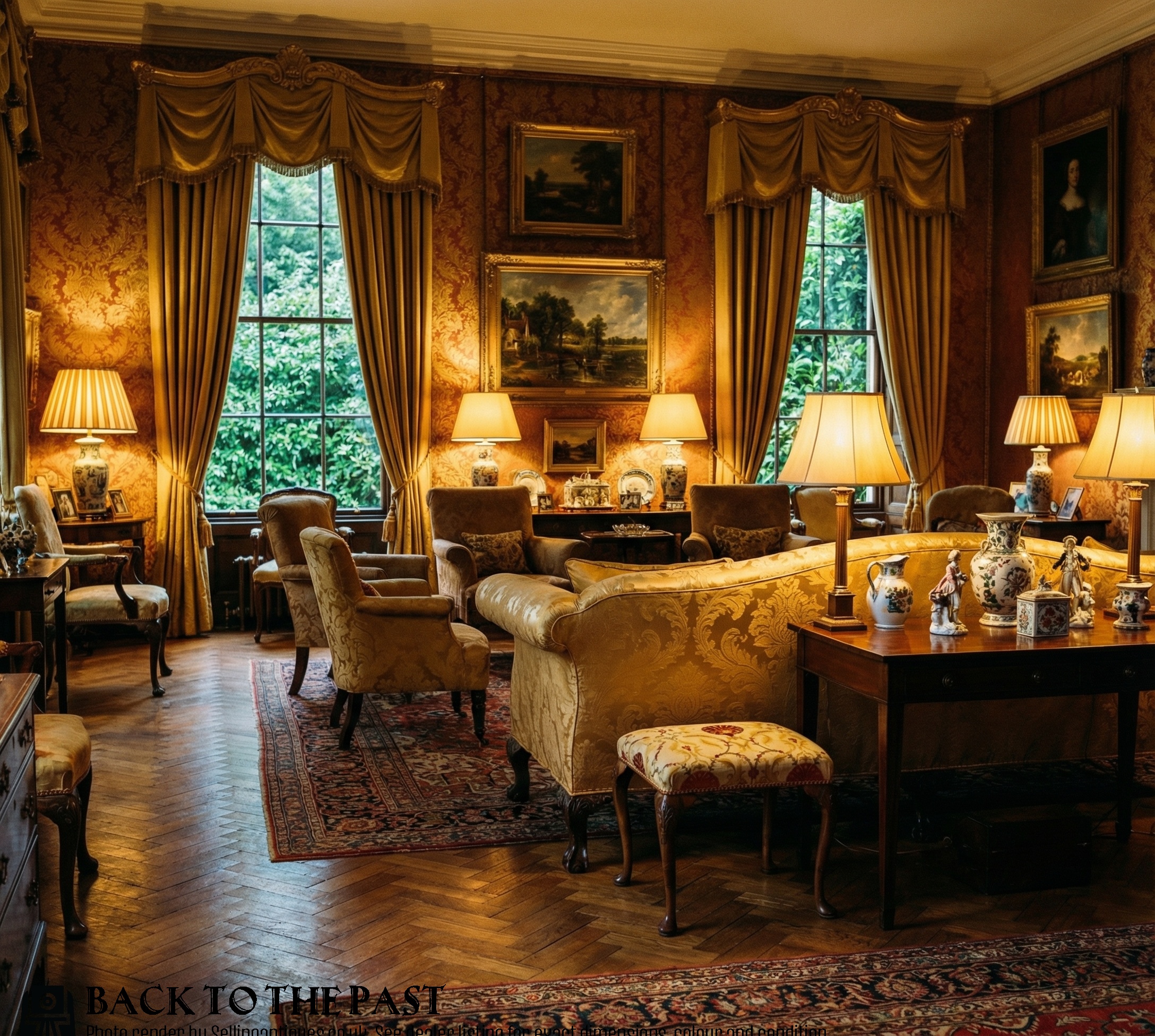
Padded Cabriole Seat
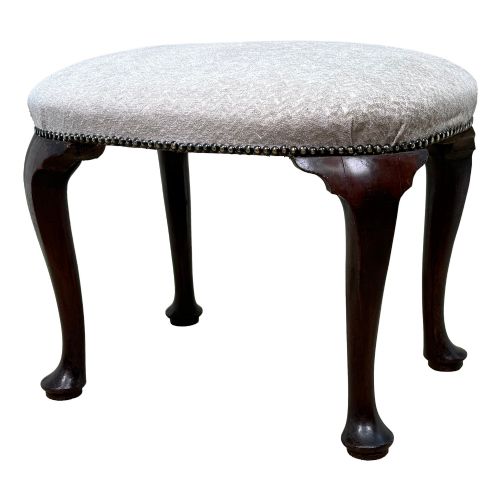
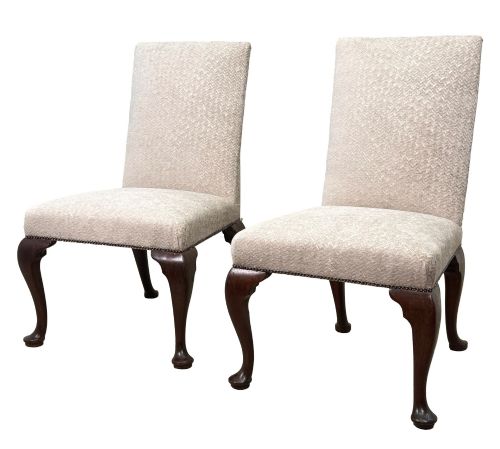
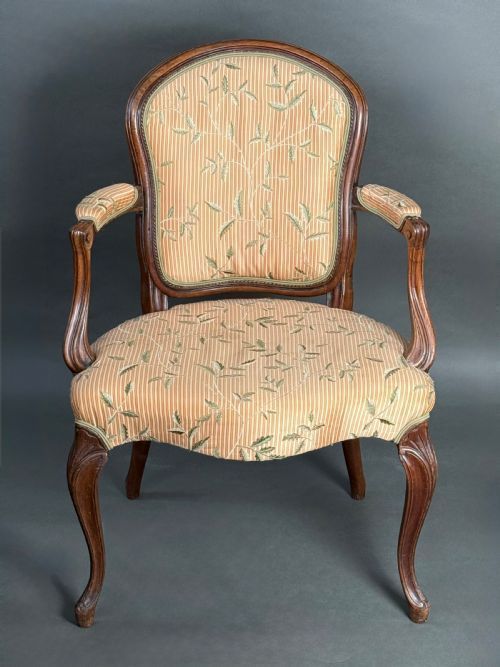
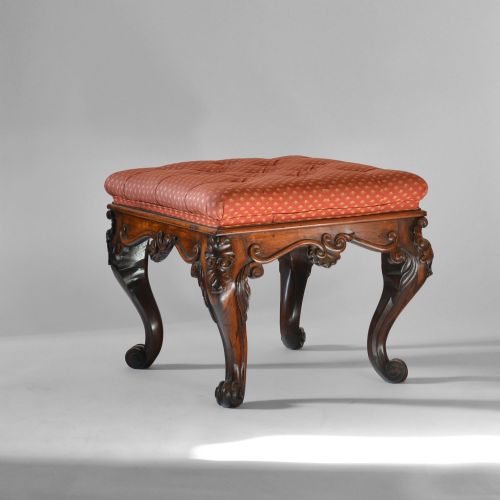
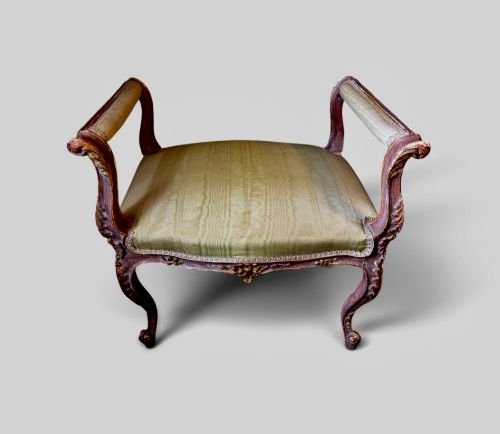
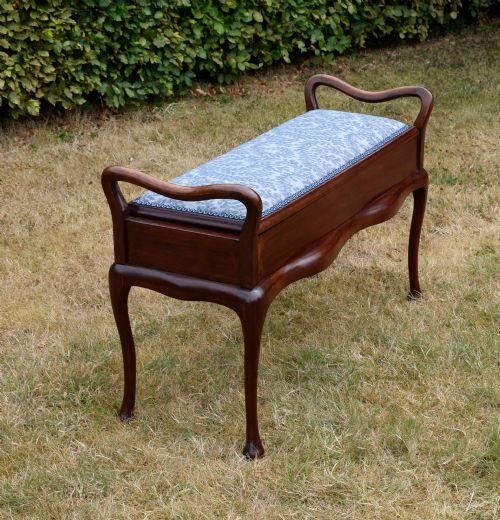
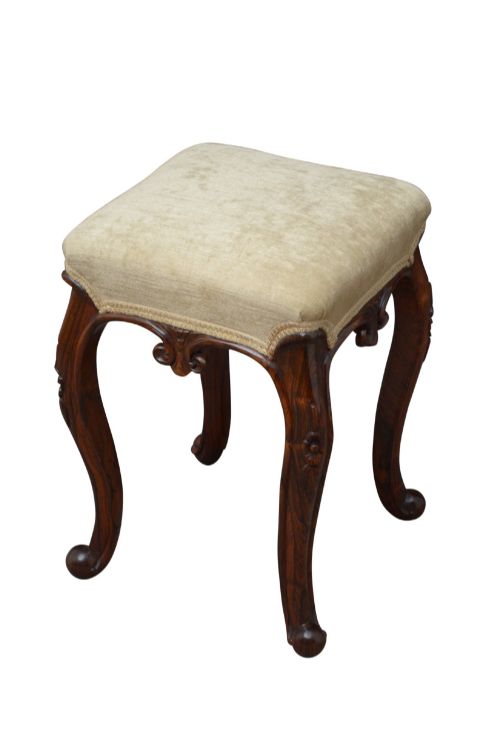
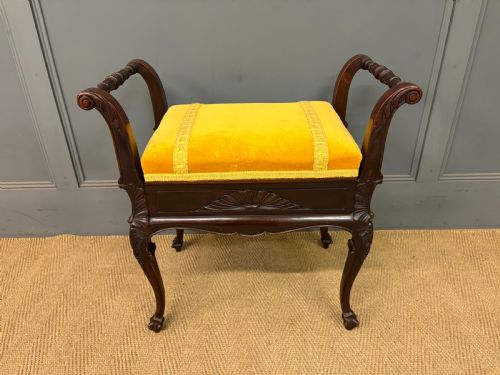
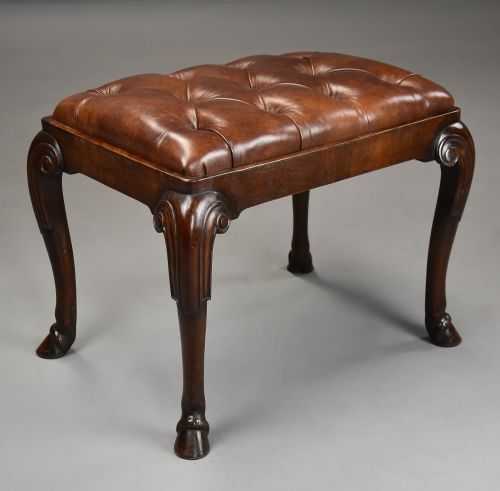
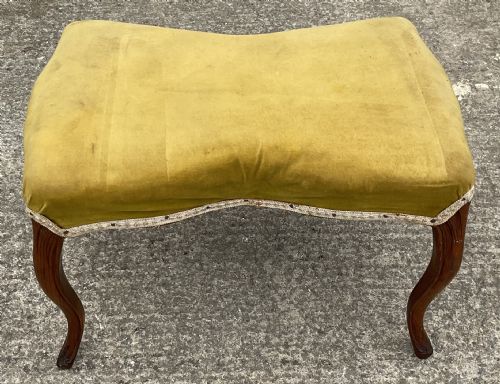
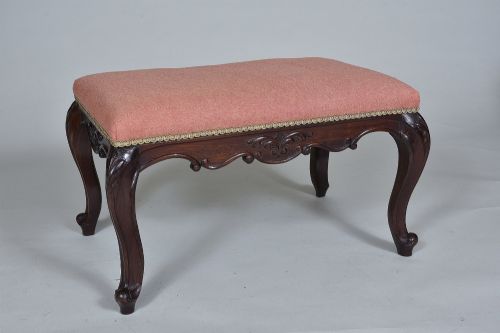
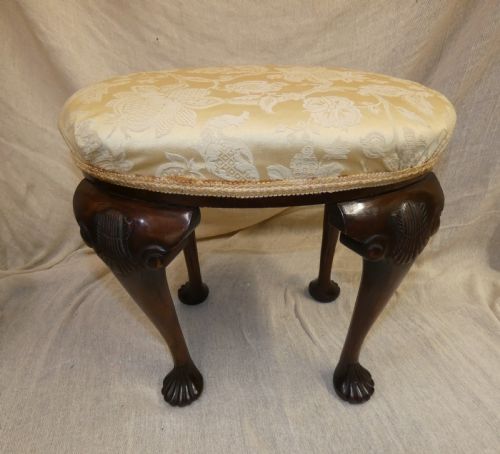
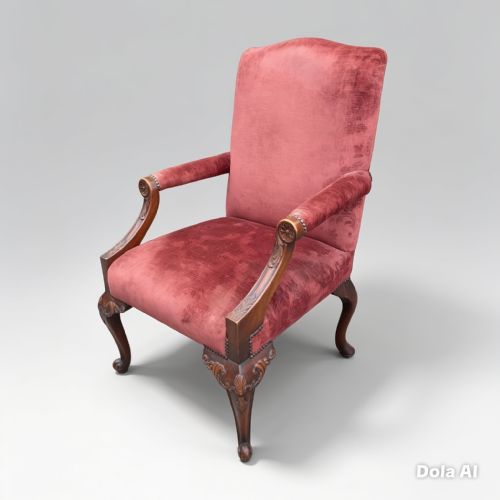
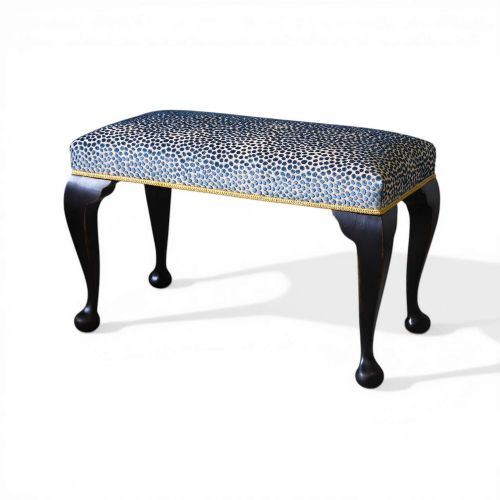
A padded cabriole seat encompasses a variety of forms including stools, dressing stools, window seats, and armchairs resting upon distinctive curved legs. These pieces emerge across multiple eras, spanning from the 18th century through the Georgian and Victorian periods into the early 20th century.
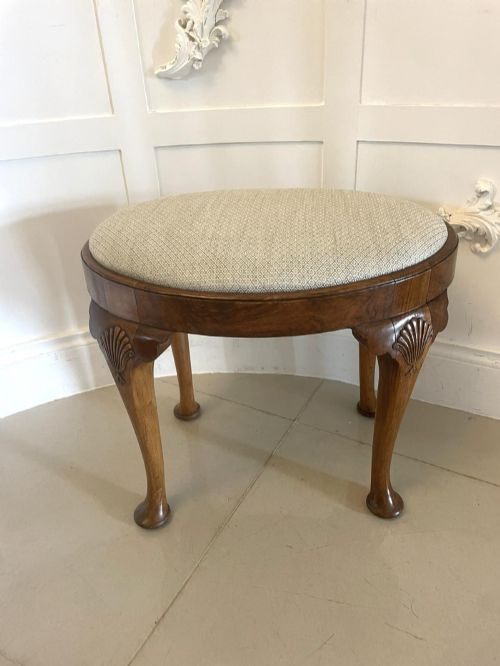
Stools and dressing stools dominate the selection, often rendered in walnut or mahogany with upholstered tops in textiles, velvet, or needlepoint. Alongside these smaller forms, occasional armchairs and window seats appear, reflecting the enduring popularity of the Queen Anne style and its later revivals.
Materials and Construction
Cabinet makers utilised dense hardwoods such as walnut, mahogany, and rosewood to shape the signature curving supports that define the cabriole form. These durable timbers provided the necessary strength to sustain the sweeping lines of the legs without heavy bracing.
Upholstery completed the pieces, employing traditional textiles, velvet, fabric, and needlepoint secured over padding. Brass details occasionally supplemented the wooden frames, adding structural or decorative accents.
The inventory records pieces from the Georgian and Victorian eras, alongside Queen Anne revivals and Edwardian examples.
Judging Quality
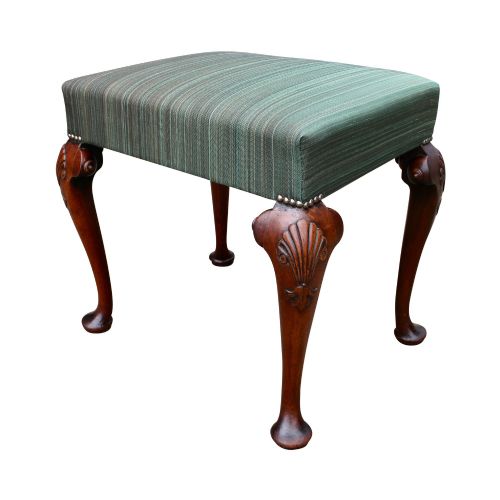
The refinement of the wooden frame dictates the distinction between standard examples and finer pieces. Crisp carving along the knees and feet of the cabriole legs demonstrates superior craftsmanship by the maker.
The choice of primary timber and the integrity of the upholstery materials further separate the pieces. Dense grains of walnut and mahogany paired with period-appropriate textiles reflect a higher standard of original production.
The Padded Cabriole Seat Glossary
- Cabriole leg
- A furniture leg that curves outward at the knee and tapers inward toward the ankle, typically ending in a pad or claw foot. This profile mimics an animal's leaping leg and gained prominence during the early 18th century.
- Window seat
- An elongated bench designed to fit within the recess of a window, often featuring upholstered padding. These forms range from simple rectangular stools to elaborate seats with scrolled ends.
- Walnut
- A heavy, durable timber prized for its rich dark brown colour and decorative grain patterns. It served as a primary material for high-end seating furniture during the Georgian era and later revivals.
- Needlepoint
- A form of counted thread embroidery stitched onto canvas to create durable, patterned coverings for seats. This technique frequently appears on the tops of dressing stools from the 19th and early 20th centuries.
- Giltwood
- Timber treated with a thin layer of gold leaf or metallic powder to create a brilliant decorative surface. This finish appears on select window seats and formal frames.
Padded Cabriole Seat: Frequently Asked Questions
What periods do these seats come from?
The selection includes pieces originating from the 18th century, including the Georgian era, alongside later 19th-century Victorian examples and early 20th-century revivals.
Craftsmen across these periods repeatedly returned to the curved leg form, meaning original antique pieces sit alongside later interpretations built in older styles.
How do I identify a Queen Anne style piece?
Queen Anne style seating is primarily characterised by the use of cabriole legs, double-curved splats on chairs, and overall smooth, flowing lines without excessive ornamentation.
Many examples found today are actually later 19th or early 20th-century revivals inspired by the original 18th-century aesthetic.
Where were these seats placed in a home?
Smaller stools and dressing stools typically resided in bedrooms or dressing rooms in front of vanity tables. Window seats found their purpose positioned in hallways or beneath large windows for casual sitting.
What woods are most common?
Walnut and mahogany represent the primary timbers utilised for these frames, chosen for their strength and rich grain. Rosewood, ebonised wood, and occasional exotic hardwoods also appear among the offerings.