
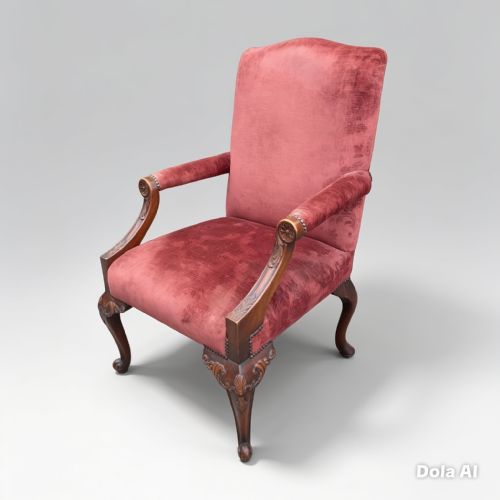
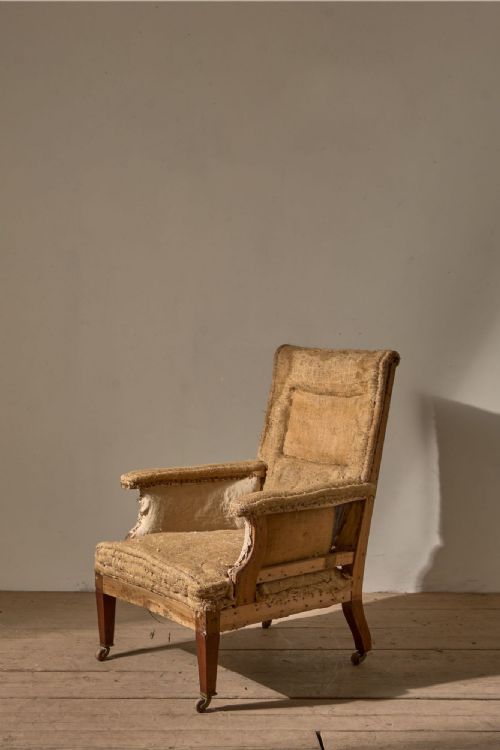


Padded Arm Accent Chair
A padded arm accent chair brings structured comfort and period character to a room, offering tactile upholstery paired with timber framing.
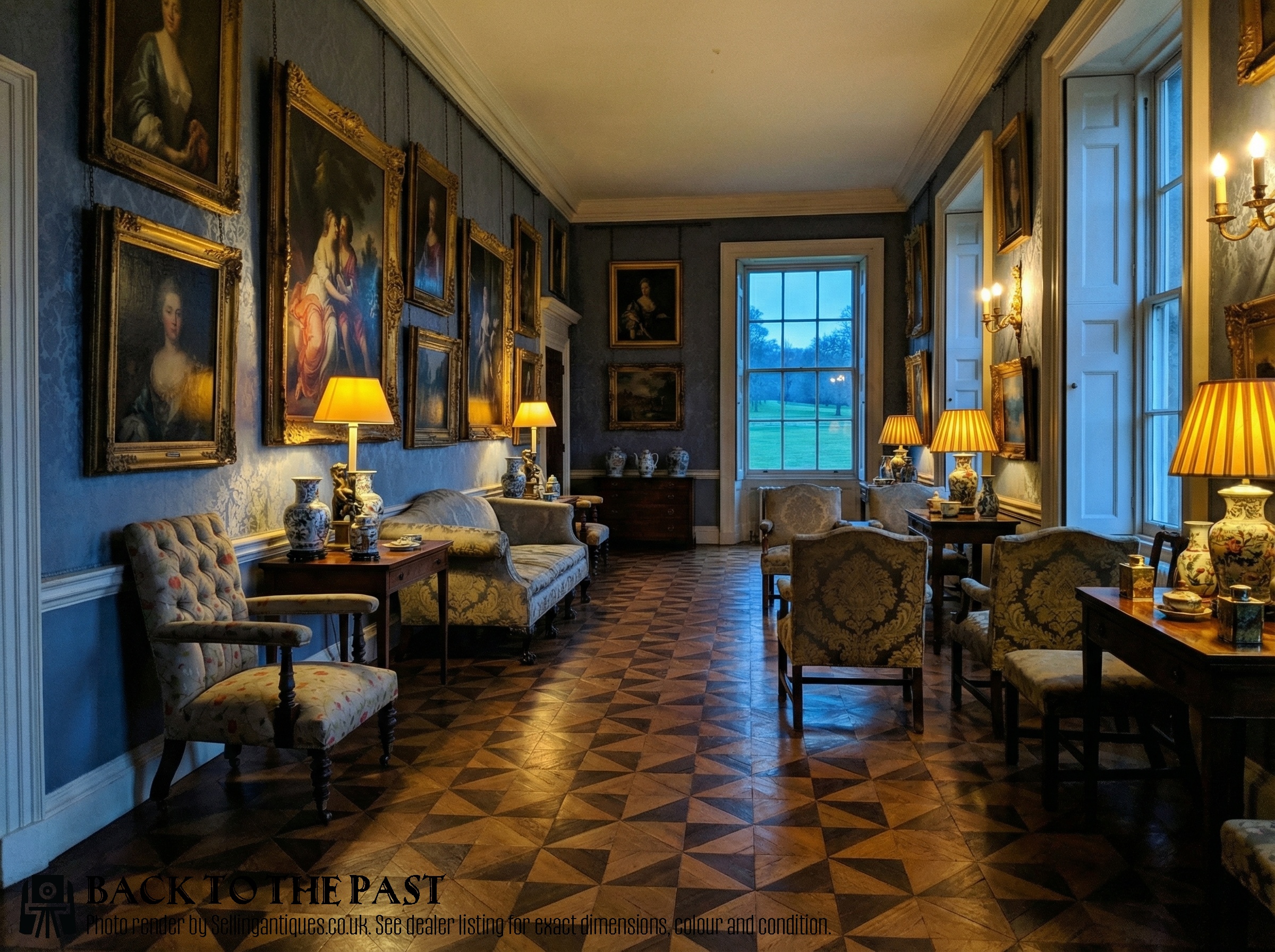
Padded Arm Accent Chair
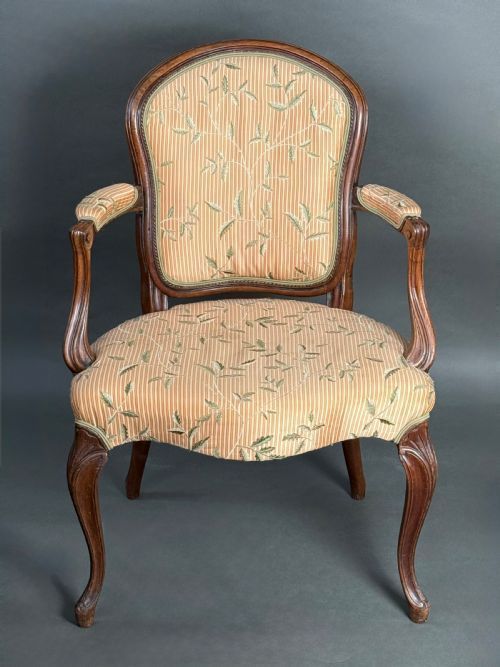
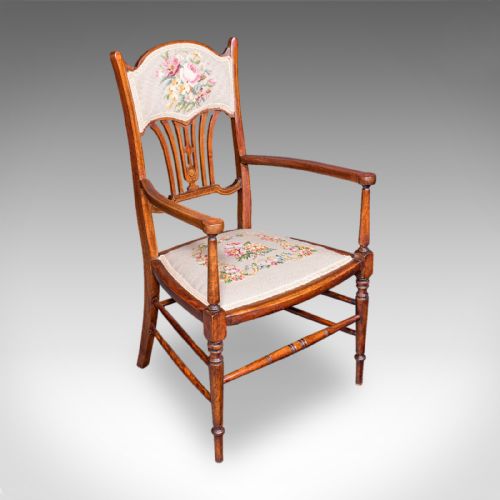
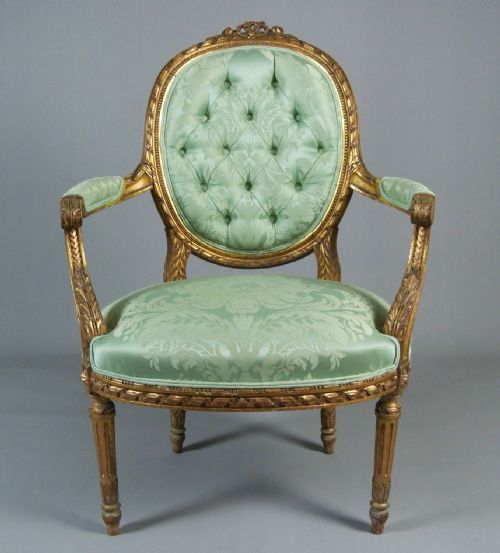
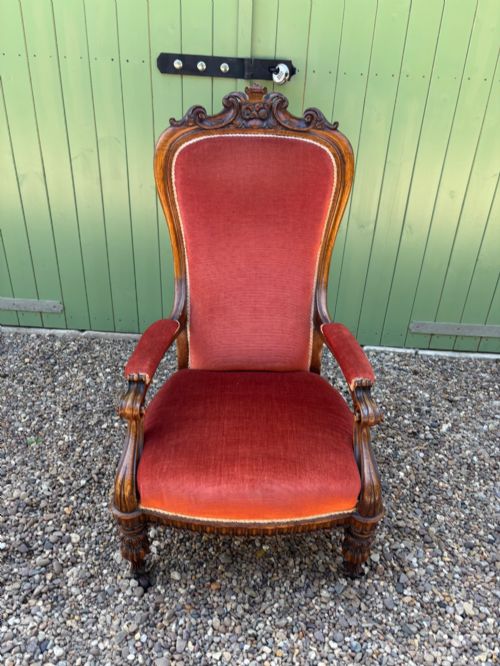
A padded arm accent chair combines supportive armrests with upholstered seating, serving as both a functional seat and a decorative focal point in a room. These pieces span several centuries of cabinetmaking, drawing on Georgian, Victorian, and continental design traditions.
The versions most commonly found here include open-arm library chairs, mahogany or walnut carvers, and French-influenced fauteuils upholstered in silk, velvet, or needlework. Makers of these seating forms utilised exposed timber frames alongside padded armrests to balance aesthetic elegance with physical ease.
Materials and construction methods
Frames rely on dense hardwoods such as mahogany, walnut, oak, beech, and rosewood, selected for their structural stability and capacity for intricate carving. Cabinetmakers shaped these timbers into show frames, cabriole legs, and curved arm supports using traditional joinery.
Upholstery techniques involved stuffing internal compartments with horsehair or natural fibres before securing textile covers with brass tacks or piping. Silk, velvet, and needlework textiles were applied to provide cushioned contact points on the backrests, seats, and arm pads.
Padded Arm Accent Chair Retail Price Guide 2026
Typical asking prices for padded arm accent chair among the pieces listed under this phrase on Sellingantiques today, from the lower quarter to the upper quarter. They describe what is for sale here now, not the wider market.
Listings feature periods ranging from the 18th century through the Victorian era, utilising mahogany, walnut, beech, and rosewood.
Factors influencing craftsmanship
Quality rests in the crispness of the timber carving and the integrity of the underlying frame construction. Superior examples exhibit tight joinery, balanced proportions, and well-executed decorative motifs without structural weakness.
The grade of the upholstery materials and the fidelity of the period style further distinguish finer pieces. Original show frames retaining their early or primary surface finishes command greater appreciation among collectors.
Thomas Chippendale·Howard & Sons·Colefax and Fowler
The Padded Arm Accent Chair Glossary
- Fauteuil
- An open-armed upholstered armchair originating in France, typically featuring an exposed wooden frame and padded armrests.
- Gainsborough chair
- A wide, upholstered armchair with open padded arms, short cabriole legs, and a high back, popular during the Georgian period.
- Carver chair
- A sturdy wooden armchair, often placed at the head of a dining table or used as a desk seat, featuring integrated armrests.
- Show frame
- The exposed wooden skeleton of an upholstered chair that surrounds the padded elements and displays the carved details of the timber.
- Bergere
- An enclosed upholstered armchair featuring cane or fabric sides and a loose seat cushion.
Padded Arm Accent Chair: Frequently Asked Questions
What defines a padded arm accent chair?
A padded arm accent chair is a seating piece featuring upholstered armrests designed to provide additional physical comfort while serving as a decorative element in an interior scheme.
These chairs combine timber frames with textile or leather padding on the arms, back, and seat, drawing on design influences from the eighteenth century onwards.
How do I identify a Georgian armchair?
Georgian armchairs typically feature solid mahogany or walnut frames, straight or cabriole legs, and disciplined carved details such as ribbon backs or scroll terminals.
They emphasise structural symmetry and restrained ornamentation compared to the more exuberant curves found in later continental or revival styles.
Where should I place a library chair?
Library chairs suit reading corners, studies, or drawing rooms where their supportive padded arms and ergonomic proportions can be fully utilised.
Their decorative timber frames and upholstered covers allow them to anchor a seating arrangement or function as a standalone accent piece.
How do I care for antique upholstery?
Antique upholstery requires gentle vacuuming with a soft brush attachment and protection from direct sunlight to prevent textile degradation and colour fading.
Professional conservation cleaning preserves delicate silk, velvet, or needlework covers without disturbing the underlying stuffing materials.