

Overmantel Mirror Brown
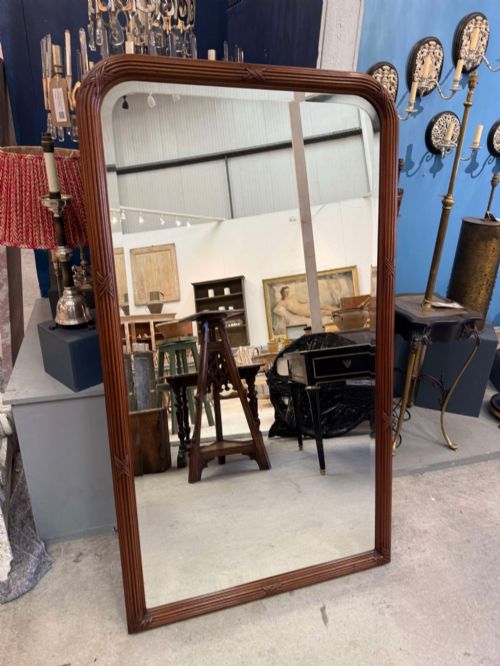
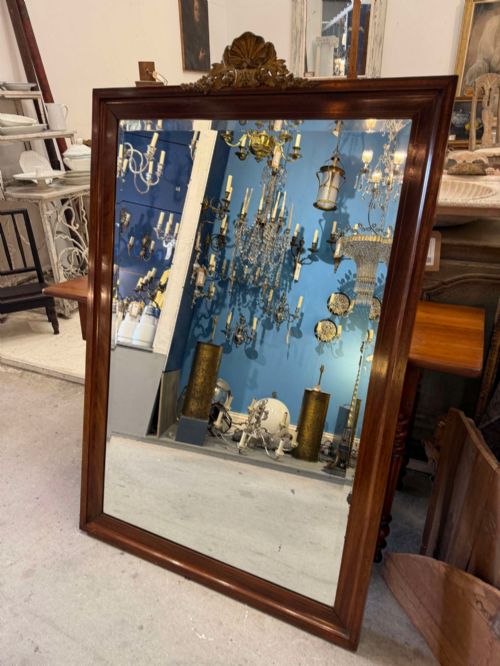
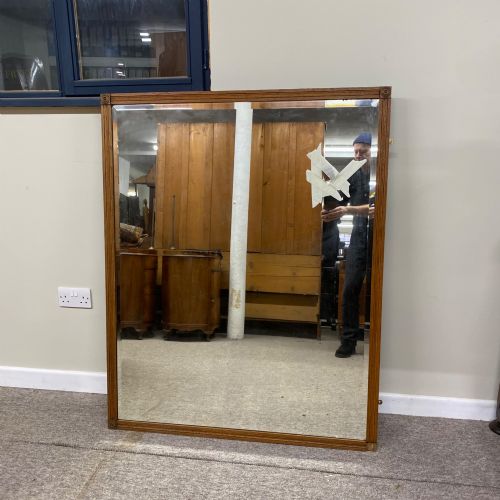
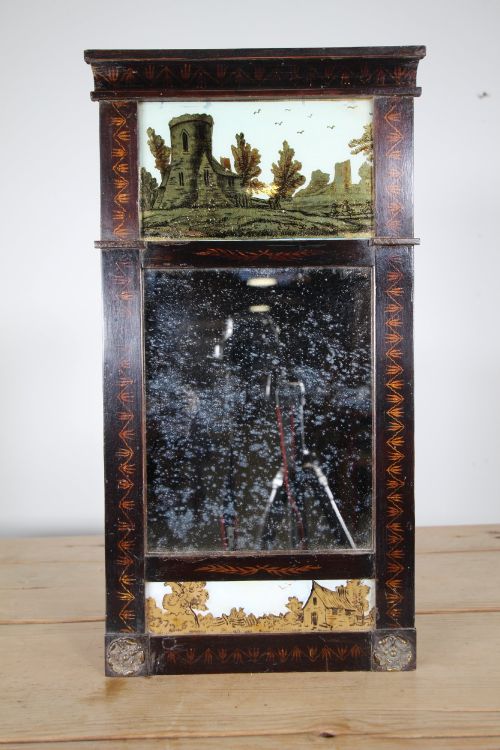
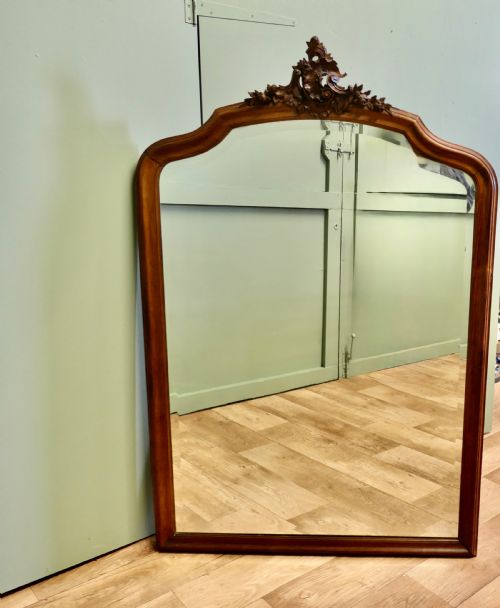
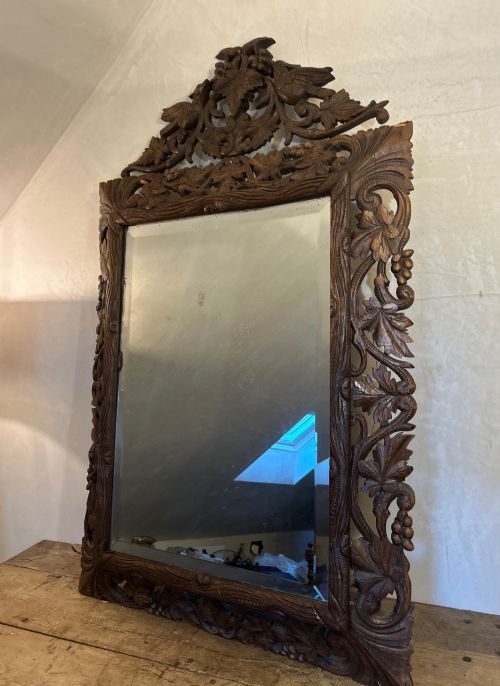
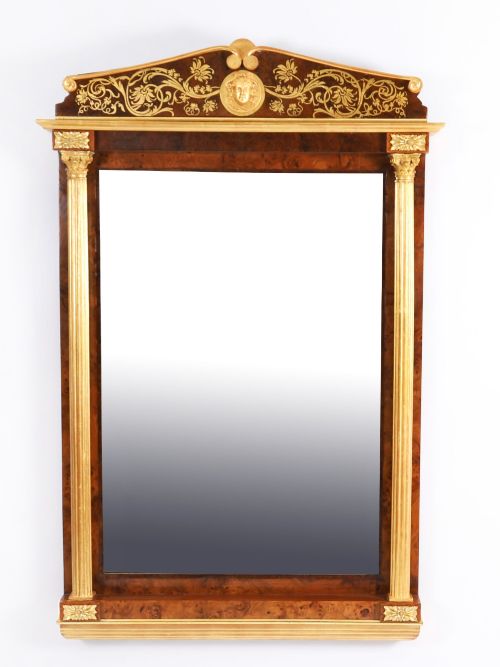
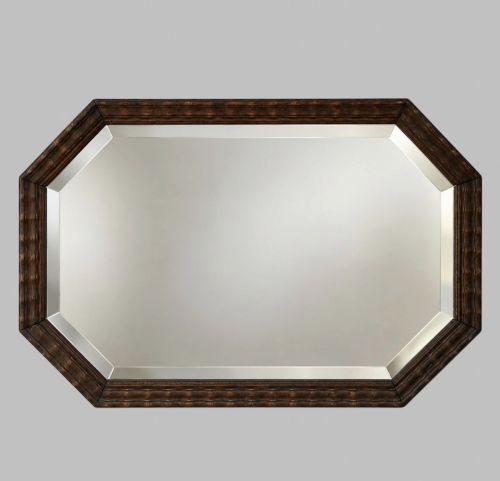
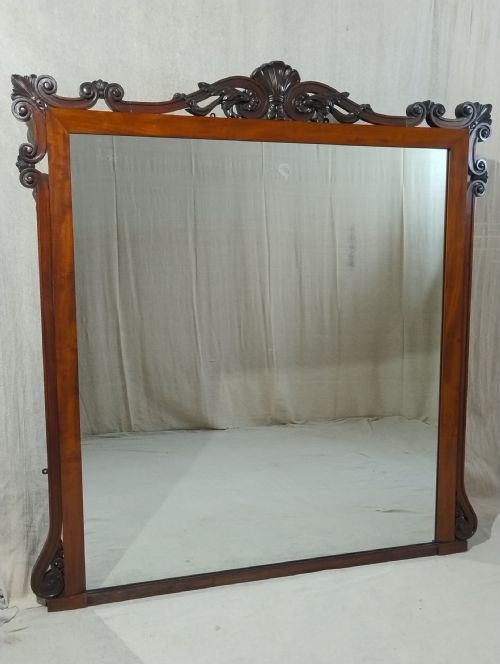
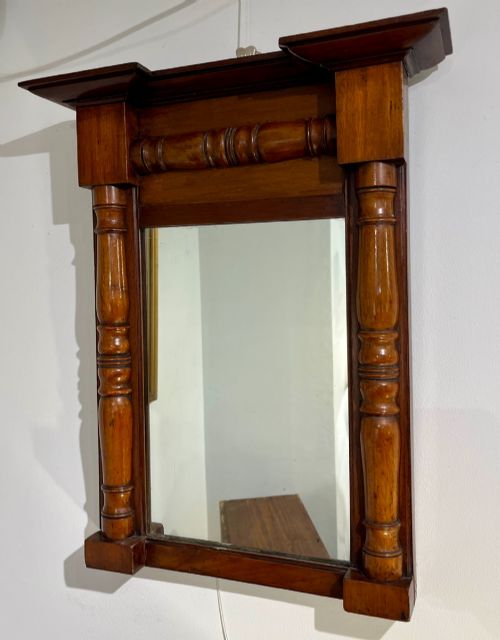
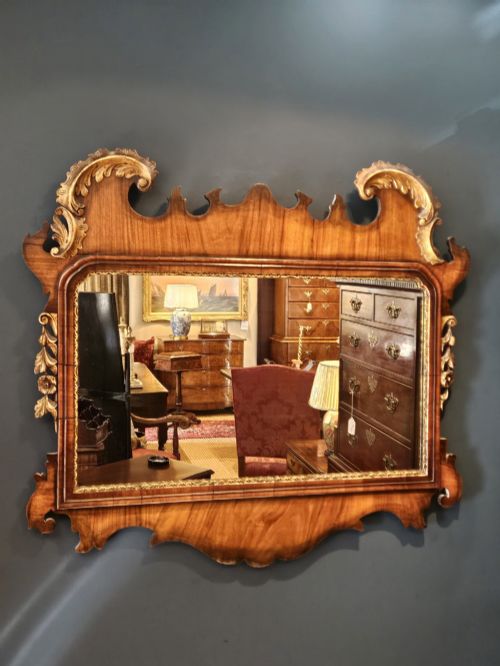
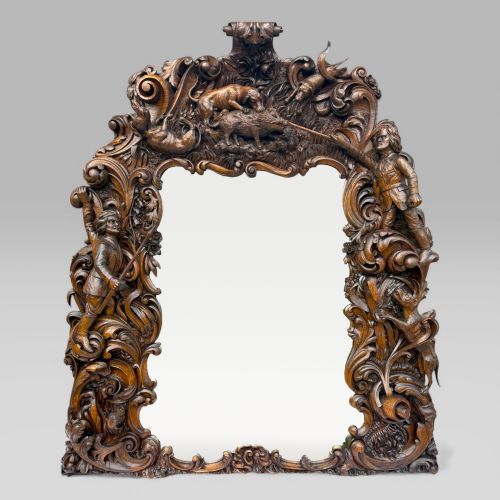
An overmantel mirror brown offers a substantial wooden frame designed to sit above a fireplace, anchoring a room with period character.
Overmantel Mirror Brown
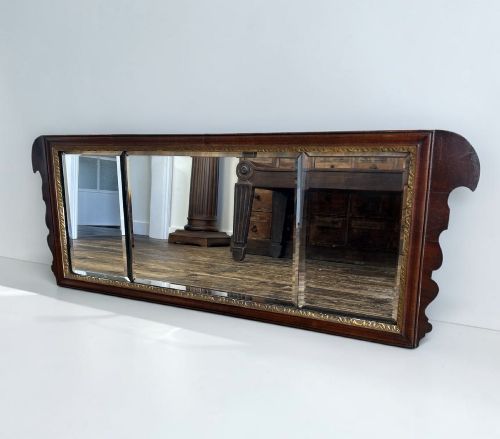
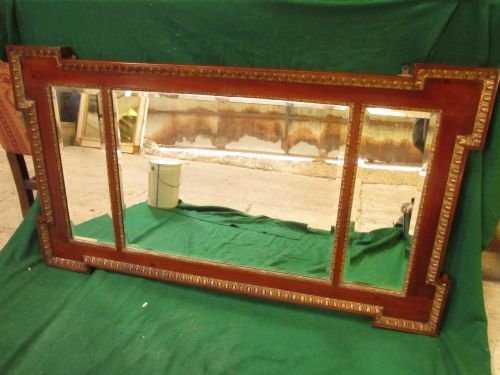
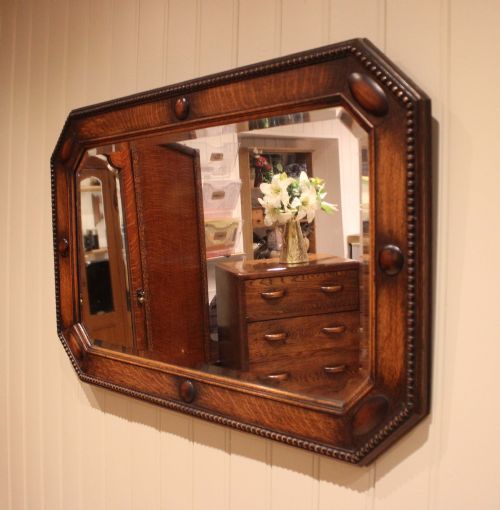
An overmantel mirror brown brings together heavy timber frames and reflective glass, designed historically to hang above fireplace mantels. When searching for this style, buyers encounter pieces originating from the nineteenth century, the Victorian era, and the early twentieth century.
The selections available here showcase significant timber construction, frequently rendered in rich dark woods. These objects reflect the domestic interior trends of past decades, serving both functional dressing purposes and decorative architectural statements.
Many examples span specific regional aesthetics, including French carved designs and British vernacular cabinet-making. Buyers will find variations ranging from plain rectangular formats to arched profiles and triple-plate configurations.
Materials and construction methods
Cabinet-makers utilised dense hardwoods such as mahogany, oak, walnut, and burr walnut for the primary structural frames. These timbers were selected for their durability and capacity to take deep surface polishing.
Decorative detailing often incorporated giltwood, parcel gilding, brass fittings, or applied carved motifs. Glass plates were bevelled by hand in many nineteenth-century workshops, whilst backing boards typically relied on tongue-and-groove softwood planks.
Overmantel Mirror Brown Retail Price Guide 2026
Typical asking prices for overmantel mirror brown among the pieces listed under this phrase on Sellingantiques today, from the lower quarter to the upper quarter. They describe what is for sale here now, not the wider market.
Several mirrors include hidden equestrian oil paintings and hunting lodge motifs, proving that Victorian gentlemen took their horses very seriously indeed.
Distinguishing quality in timber mirrors
The calibre of an overmantel mirror brown rests upon the selection of timber and the precision of the joinery. Superior examples display carefully matched wood veneers, such as burr walnut or burr yew-wood, demonstrating deliberate grain alignment across the frame.
Carved ornamentation reveals the hand of the maker through crisp relief work rather than cast composition substitute. Furthermore, the clarity of the original mirror glass and the integrity of the structural joints dictate the overall tier of craftsmanship.
Waring & Gillow·Liberty & Co
The Overmantel Mirror Brown Glossary
- Overmantel mirror
- A large wall glass specifically proportioned to hang on the chimney breast above a mantelpiece. These pieces often feature landscape orientations to suit the width of the hearth below.
- Pier mirror
- A tall vertical glass traditionally hung on the narrow wall space between two windows. They share many construction traits with mantel glasses but differ in their vertical proportions.
- Trumeau
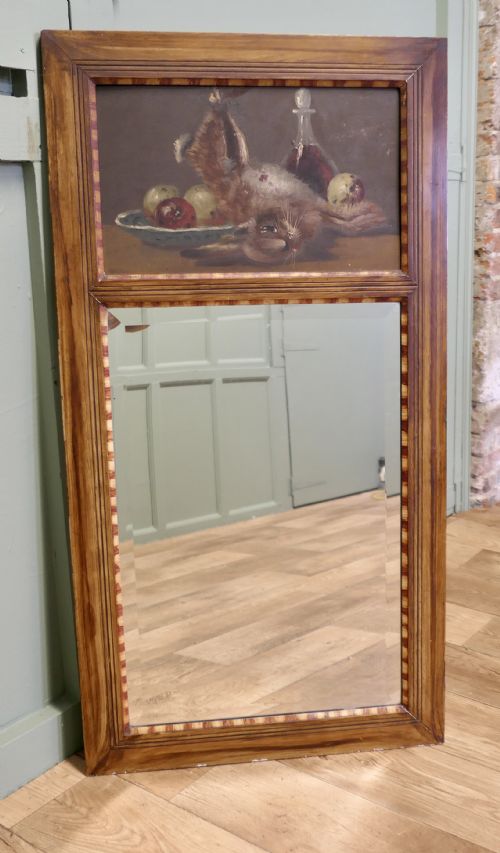
- A decorative wall mirror combined with an oil painting or panel artwork within a single frame. Originating in French interior design, they bring architectural elegance to a room.
- Triple plate
- A mirror construction utilising three distinct glass panels set side by side within the frame. This technique was popular in nineteenth-century overmantel designs.
- Parcel gilt
- A finishing method where specific carved details of a wooden frame are selectively highlighted with gold leaf. The remaining timber surfaces retain their natural polished colour.
Overmantel Mirror Brown: Frequently Asked Questions
Where should an overmantel mirror brown hang?
These mirrors traditionally anchor the chimney breast directly above a fireplace mantelpiece. Their broad proportions suit wide wall spaces in living rooms and dining rooms.
Alternatively, they can hang above a large sideboard or low cabinet to replicate the spatial balance of a fireplace setting in rooms without a functional hearth.
How do I date a wooden mirror?
Dating relies on examining the timber species, construction joints, and the mirror glass itself. Nineteenth-century pieces often show hand-bevelled edges and heavy timber backing boards.
Stylistic cues such as Victorian walnut carving or Art Deco geometric framing provide further chronological markers alongside any maker labels.
What woods were used for frames?
Cabinet-makers predominantly relied on dense hardwoods including mahogany, oak, and walnut. Decorative variations occasionally incorporated burr walnut, burr yew-wood, or chestnut.
Frames were finished with French polish, wax, or partial gilding to highlight the natural grain patterns of the timber.
Are these mirrors very heavy?
Due to their solid timber frames and large glass plates, these pieces possess considerable weight. Proper wall anchoring into structural studs or masonry is essential for secure hanging.
Professional installation is recommended to support the substantial load of antique wooden frames safely.