





Oval Sapphire Gold Ring
An oval sapphire gold ring brings together rich blue stones and warm precious metal in designs spanning Edwardian delicacy to mid-century boldness.
Oval Sapphire Gold Ring
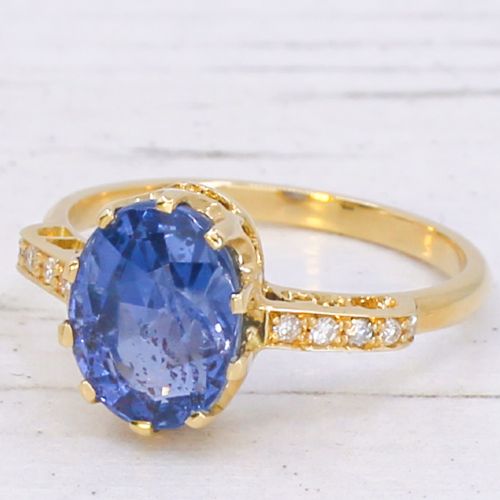
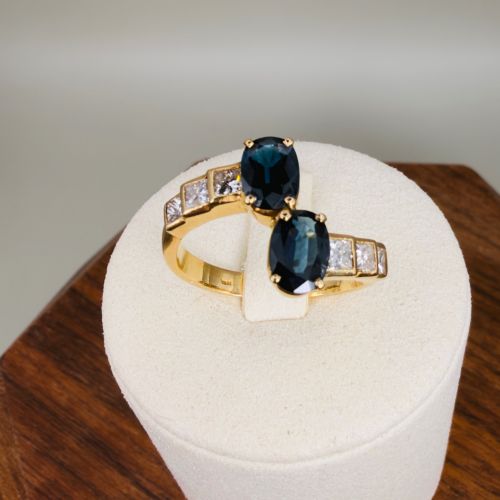
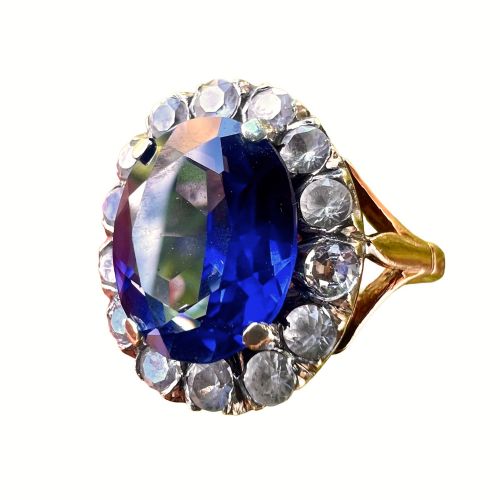
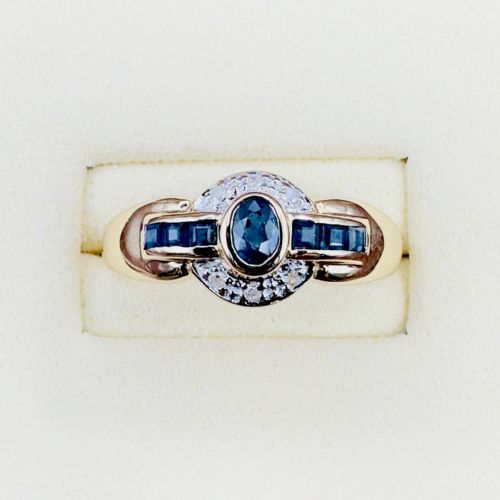
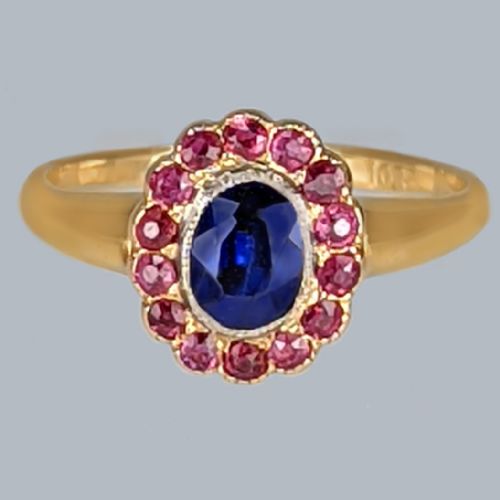
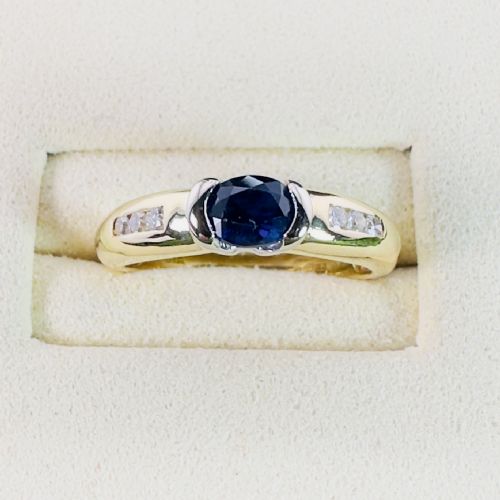
An oval sapphire gold ring is a classic piece of jewellery defined by its central oval gemstone set within yellow, white, or rose gold bands. You will most frequently meet cluster designs framed by diamonds, alongside traditional trilogy settings and clean solitaires.
The pieces on this page draw from twentieth-century aesthetics, notably the geometric lines of Art Deco and the flowing motifs of the Edwardian era. Mid-century examples also appear regularly, showing substantial stone sizes and robust gold or platinum mountings.
Origins range from British workshops to international origins, with Ceylon stones appearing often alongside Burmese varieties. Buyers look for these rings to secure wearable history with distinctive gemstone cuts and period character.
How They Were Made
Goldsmiths shaped these rings using high-carat yellow and white gold, frequently pairing them with platinum settings to securely hold accent diamonds. Stones were cut by hand into oval proportions, sometimes left unheated to preserve their natural saturation and inclusions.
Cluster arrangements relied on precise claw or bezel settings to surround the central sapphire with smaller diamonds or pearls. Artisans integrated filigree work, pierced galleries, and engraved shoulders particularly during the Edwardian and Art Deco periods.
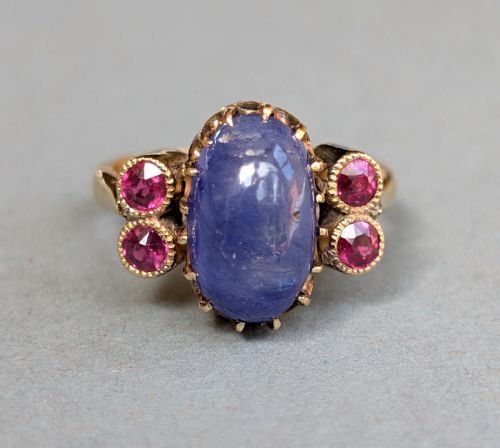
One exceptional piece pairs a vibrant star sapphire with rose-cut diamonds, catching light from every conceivable angle.
What Varies in Quality
The distinction between tiers rests primarily on the natural origin, heat treatment status, and clarity of the central sapphire. Stones with deep cornflower blue hues or certified unheated status elevate a piece above standard commercial examples.
Metalwork execution and diamond matching further divide the range, from simple cast bands to intricate hand-fabricated platinum and gold mounts set with closely matched princess or rose-cut diamonds.
The Oval Sapphire Gold Ring Glossary
- Cluster ring
- A setting style featuring a central gemstone surrounded by a border of smaller stones, usually diamonds. This layout maximises visual impact and light reflection.
- Trilogy ring
- A design incorporating three stones set side by side in a row, often symbolising the past, present, and future. Sapphires frequently occupy the central position flanked by diamonds.
- Unheated sapphire
- A natural gemstone that has undergone no thermal enhancement to improve its colour or clarity. These stones are prized by collectors for their untransformed geological integrity.
- Cabochon
- A gemstone cut with a smooth, rounded convex surface rather than faceted edges. This technique highlights the depth and internal characteristics of specific sapphires.
- Cornflower blue
- A specific, highly desirable shade of medium-vivid blue associated with premium sapphires. The term denotes a velvety saturation without dark or grey undertones.
Oval Sapphire Gold Ring: Frequently Asked Questions
How do I care for my ring?
Clean your gold and sapphire jewellery gently using warm soapy water and a soft brush to remove daily oils. Avoid harsh chemical cleaners that can damage softer accent stones or weaken older metal settings.
Store the ring separately in a fabric-lined box to prevent harder diamonds from scratching the gold shank or the sapphire surface. Periodic professional checks ensure the claw settings remain secure.
Can these rings be resized easily?
Most gold and platinum bands allow for resizing by a skilled jeweller, depending on the band's thickness and the presence of intricate shoulder engraving. Complex gallery work or stones running down the entire band may limit adjustment possibilities.
Consult a specialist who can alter the shank without compromising structural integrity or historic hallmarks. Proper assessment protects both the metal and the security of the central stones.
What does unheated mean?
An unheated sapphire has emerged from the earth with its colour and clarity entirely natural, untouched by human-applied high temperatures. Laboratories examine internal crystal structures to confirm this absence of artificial treatment.
Because earth-formed perfection is scarce, unheated stones command particular attention from collectors and enthusiasts. Their optical characteristics remain precisely as nature formed them.
How do I identify the period?
Period identification relies on examining the mounting style, metal combinations, and the specific way diamonds are cut. Edwardian pieces often use platinum-topped yellow gold with delicate pierced work, while Art Deco designs favour sharp geometric lines.
Mid-century examples introduce heavier gold construction and prominent solitaire or cluster proportions. Hallmarks stamped inside the band provide official clues regarding the assay office and year of manufacture.