



Oval Porcelain Painting
These oval porcelain painting pieces bring hand-painted artistry and fine ceramics together on plates, plaques, and serving dishes.
Oval Porcelain Painting
An oval porcelain painting typically manifests as a decorative dish, serving platter, or framed wall plaque featuring hand-painted motifs. The form spans several centuries, touching both European factories and Asian export traditions.
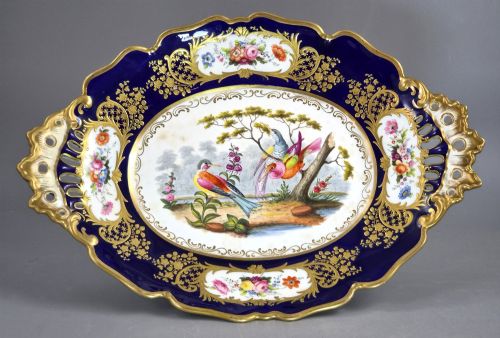
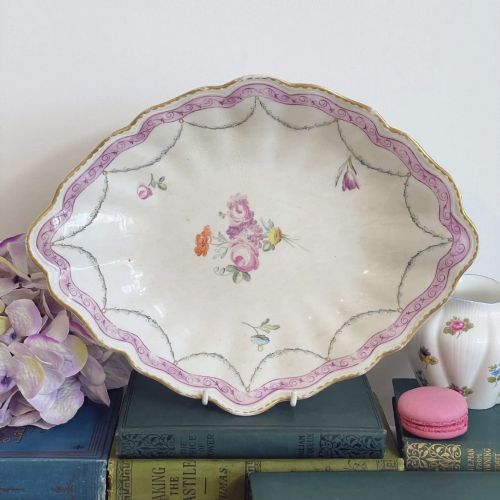
English and continental potteries dominate the selections here, with pieces shaped as oval plates, platters, and dedicated wall plaques. English examples often highlight birds or floral studies, while continental works lean towards classical scenes or botanical detail.
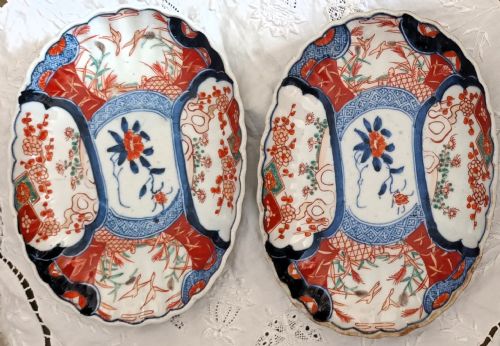
Far Eastern items introduce distinct aesthetics through Japanese Meiji Imari wares and Chinese export platters. These items combine sturdy porcelain bodies with intricate cobalt blue and polychrome enamel palettes.
Materials and production methods
The foundation relies on fired porcelain or bone china, shaped into oval dishes or flat panels suited for detailed imagery. Potters applied enamel glazes to the white surface before introducing pigments for the painted designs.
Artists executed the paintings by hand, utilising polychrome enamels and cobalt blue pigments that required secondary firings to fuse with the glaze. Gilding and gold leaf accents frequently highlight the rims and borders of these plates and plaques.
Oval Porcelain Painting Retail Price Guide 2026
Typical asking prices for oval porcelain painting among the pieces listed under this phrase on Sellingantiques today, from the lower quarter to the upper quarter. They describe what is for sale here now, not the wider market.
Birds appear to hold a persistent fascination for ceramic artists, staring out from eighteenth-century serving dishes with permanent curiosity.
Judging quality in painted porcelain
Quality rests primarily on the execution and fineness of the hand-painted details across the porcelain surface. Skilled brushwork in floral studies, avian subjects, or figural scenes separates ordinary tableware from exceptional cabinet pieces.
The clarity of the glaze and the preservation of the original gilding dictate the overall condition and visual impact of each piece. Maker marks and factory attributions also influence the standing of an item within its respective period.
H and R Daniel·Coalport·Samson Paris·Royal Worcester·Royal Crown Derby·Sevres·K P M·Meissen·Berlin
The Oval Porcelain Painting Glossary
- Polychrome
- Decorated in several colours. This technique allows artists to render complex floral and figural scenes across the porcelain surface.
- Imari
- A style of Japanese export porcelain characterised by a palette of underglaze blue, iron red, and gold. It gained significant popularity in European interiors.
- Canton
- A type of Chinese export porcelain featuring colourful hand-painted enamel decoration, typically produced for Western markets.
- Gilding
- The application of gold leaf or gold paint to surfaces. It frequently outlines the rims and borders of fine ceramic dishes.
- Enamel glaze
- A glassy substance fused to the porcelain body during firing. It provides a smooth, durable base for detailed miniature paintings.
Oval Porcelain Painting: Frequently Asked Questions
What is an oval porcelain painting?
An oval porcelain painting is a ceramic dish, plaque, or platter featuring hand-applied artwork fired directly onto the glaze.
These items range from functional serving pieces to dedicated decorative plaques meant for wall display.
How do I care for antique porcelain?
Antique porcelain requires gentle hand washing with mild soap and warm water to protect surface painting and delicate gilding.
Avoid dishwashers and abrasive scrubbers, and keep framed plaques away from direct moisture.
How are different periods identified?
Periods are identified through factory marks, pigment styles, and the specific characteristics of the porcelain body.
Eighty-century pieces often display hand-painted floral motifs with underglaze blue marks, while later nineteenth-century items introduce bolder enamels and distinct manufacturer stamps.
Were these pieces used daily?
Many oval porcelain items served as functional tableware for serving fish, dessert, or large courses at formal meals.
Others, particularly plaques and smaller trays, were created strictly for decorative display in period interiors.