

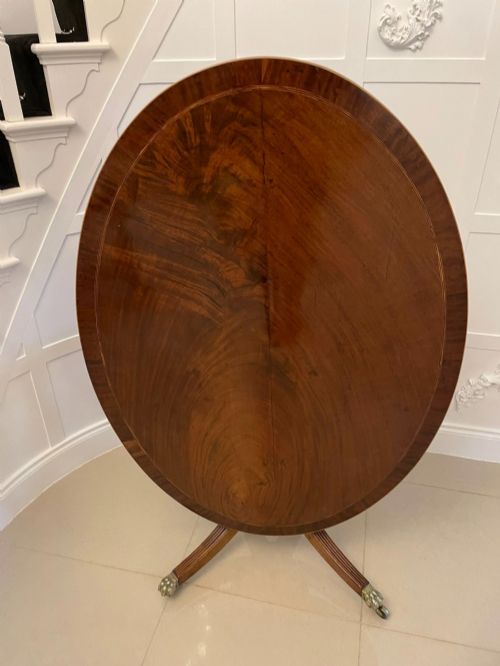
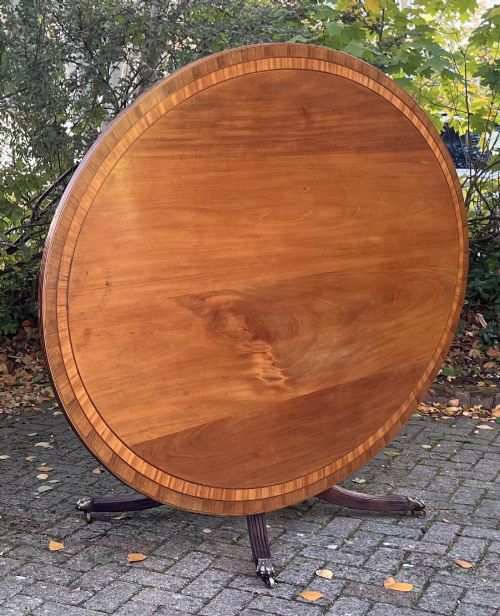
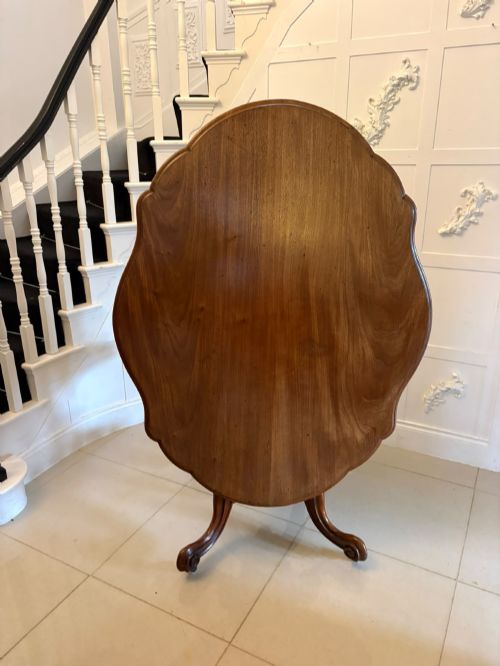
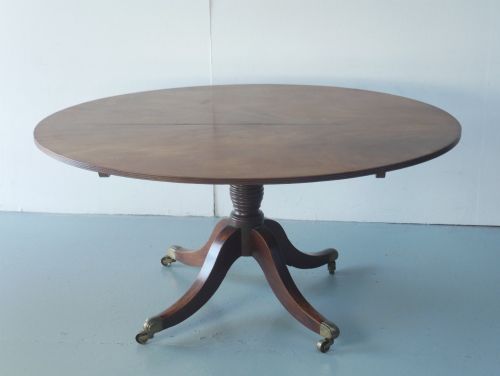


Oval Mahogany Breakfast Table
An oval mahogany breakfast table brings the warm grain and versatile proportions of Georgian, Regency and Victorian craftsmanship directly into your morning routine.
Oval Mahogany Breakfast Table
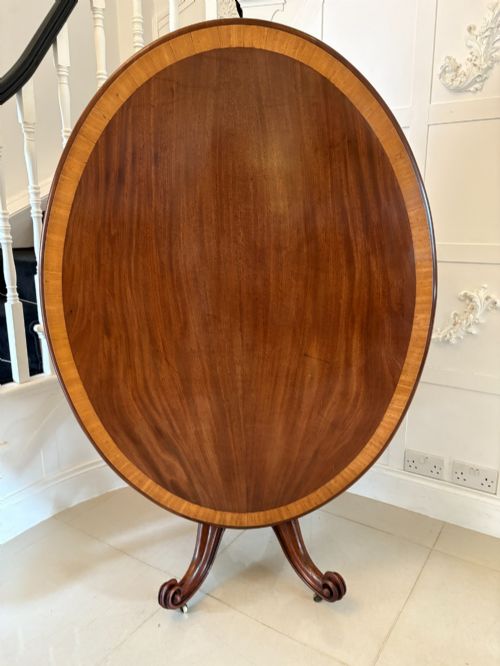
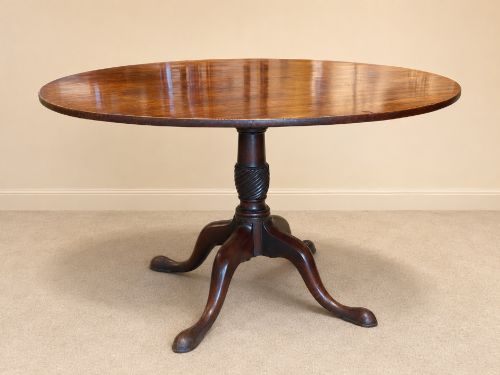
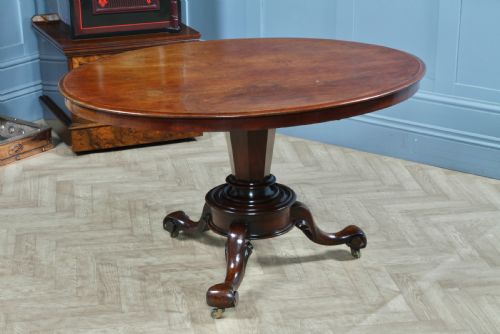
When you search for an oval mahogany breakfast table, you encounter pieces spanning the Georgian, Regency, and Victorian periods, alongside later revival pieces. The most common form on this page is the pedestal-supported tilt-top table, often designed to stand against a wall when not in use.
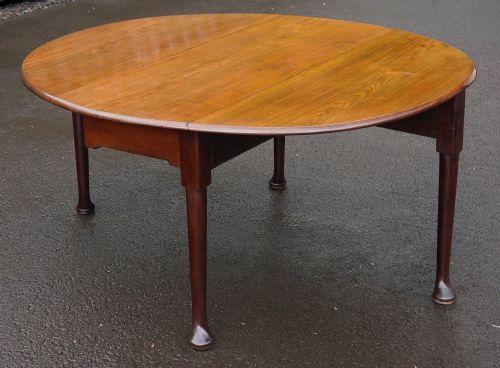
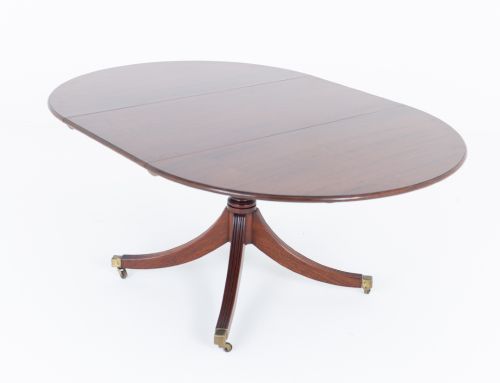
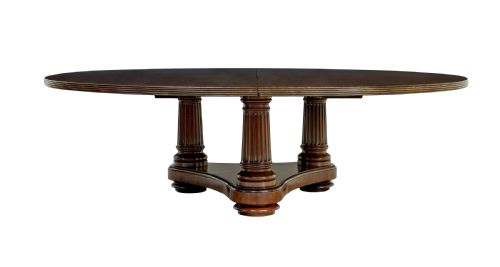
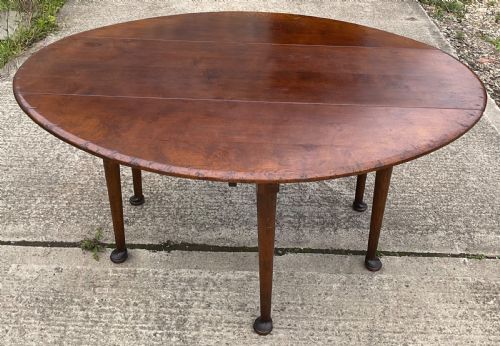
Many examples arrive as dropleaf or Pembroke tables, while larger dining and centre table variants also appear across the listings. These tables utilise timber ranging from plain solid mahogany to highly figured veneers, sometimes enriched with satinwood or boxwood details.
Origins stretch from the 18th century through the 19th century, reflecting stylistic shifts from George III restraint to ornate Victorian carving. Buyers frequently select these tables for their combination of generous surface area and curved edges that soften a room's geometry.
Construction materials and techniques
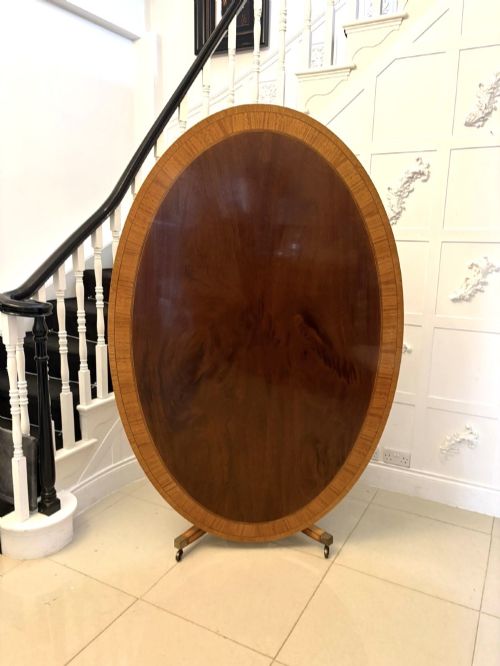
Cabinet makers relied heavily on solid mahogany and figured mahogany veneers, frequently supported by central turned pillars or pedestals with brass fittings. Wood inlay, satinwood crossbanding, and ebony lines added decorative contrast to the borders of the tabletop.
Tilt-top mechanisms allowed the surface to pivot upright on a catch mechanism, letting the table stow compactly against a parlour wall when finished. Drop-leaf and Pembroke configurations employed hinged flaps supported by swing brackets or gate legs.
Carving appeared on pillar bases, paw feet, and friezes, executed by hand with chisels on Victorian and Georgian models alike. Pad feet and brass castors finished the legs on many pedestal and drop-leaf variations.
Oval Mahogany Breakfast Table Retail Price Guide 2026
Typical asking prices for oval mahogany breakfast table among the pieces listed under this phrase on Sellingantiques today, from the lower quarter to the upper quarter. They describe what is for sale here now, not the wider market.
Listings feature pedestal tables, dropleaf designs, and Pembroke forms spanning the Georgian, Regency, and Victorian eras.
Distinctions in quality and execution
Quality rests significantly on the choice of timber, with highly figured mahogany veneers and contrasting satinwood crossbanding marking out the superior examples. The crispness of hand-carved details on the pedestal and pillar supports further separates standard production from finer cabinet work.
The integrity of the tilt mechanism and the seamless alignment of drop leaves dictate the mechanical success of the piece. Superior tables maintain a stable stance on their pedestals without wobble, retaining original brass fittings and castors where applicable.
Gillows
The Oval Mahogany Breakfast Table Glossary
- Tilt-top
- A tabletop mounted on a pivoting mechanism that allows the surface to be turned vertical when not in use. This clever design saved valuable floor space in historical dining rooms.
- Crossbanding
- A border of veneer laid with the grain running perpendicular to the main surface timber. It creates a neat, framed edge around mahogany tabletops.
- Pembroke table
- A small rectangular or oval table featuring two hinged side flaps and usually a single drawer. They served varied functions in domestic sitting rooms.
- Pad foot
- A simple rounded foot shape found at the base of cabriole or straight legs on earlier tables. It distributes weight gently onto the floorboards.
- Drop-leaf
- A table equipped with hinged flaps that drop down at the sides when unfastened. Brackets or swing legs support the leaves when raised for dining.
Oval Mahogany Breakfast Table: Frequently Asked Questions
How do I use an oval mahogany breakfast table today?
These tables function brilliantly as central dining spots for smaller households or as occasional desks in a study. Their curved outlines allow people to circulate freely around them in compact rooms.
By tilting the top upright, you can easily push the table against a perimeter wall to free up floor space. They adapt readily to both traditional dining spaces and contemporary living areas.
How do I tell a Georgian table from a Victorian one?
Georgian pieces generally exhibit cleaner lines, lighter proportions, and understated satinwood inlay or crossbanding. George III examples often rely on simple elegance and neat pedestal supports.
Victorian models tend toward grander proportions, heavier pedestal bases, and more robust hand-carved ornamentation. They frequently utilise solid figured mahogany and substantial brass castors.
Where did breakfast tables sit in a house?
Historically, these tables stood in private breakfast parlours or morning rooms where families gathered for the first meal of the day. Their smaller scale compared to grand dining tables suited intimate morning dining.
Over time, owners moved them into drawing rooms and libraries to serve as centre tables or reading surfaces. Their versatility ensured placement wherever a flexible table was required.