

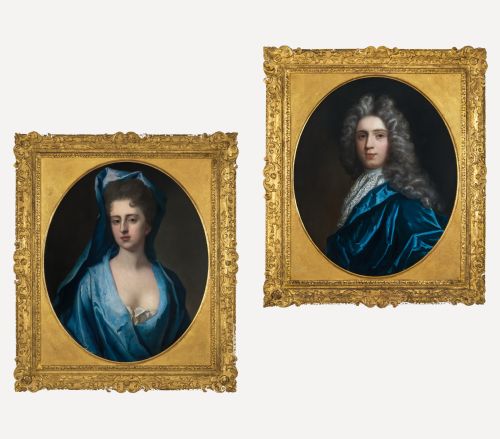
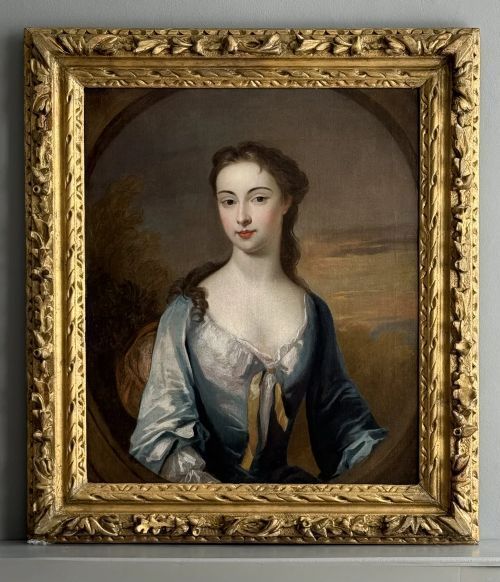
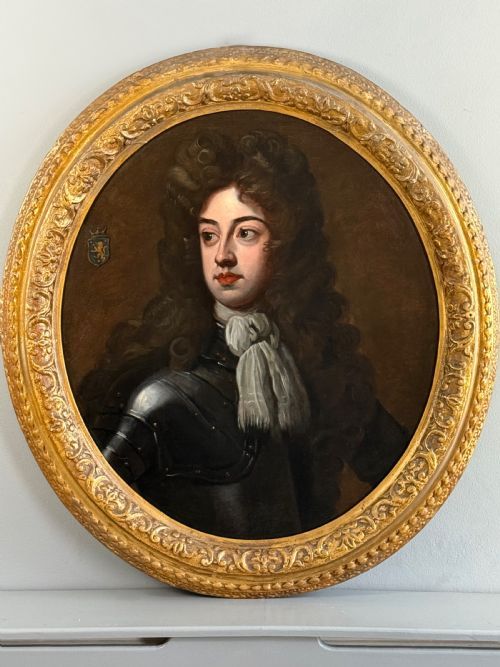
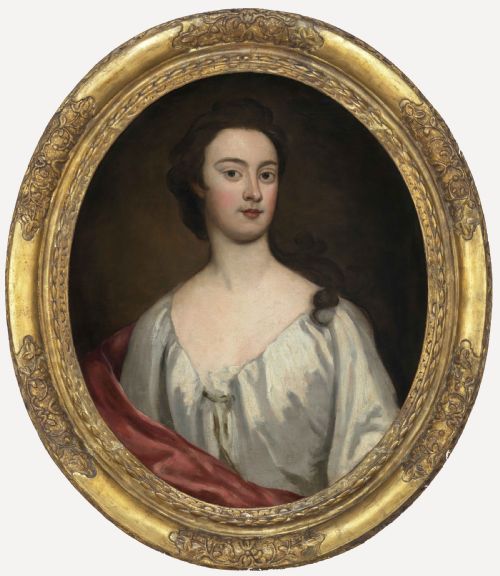

Oval Giltwood Framed Art
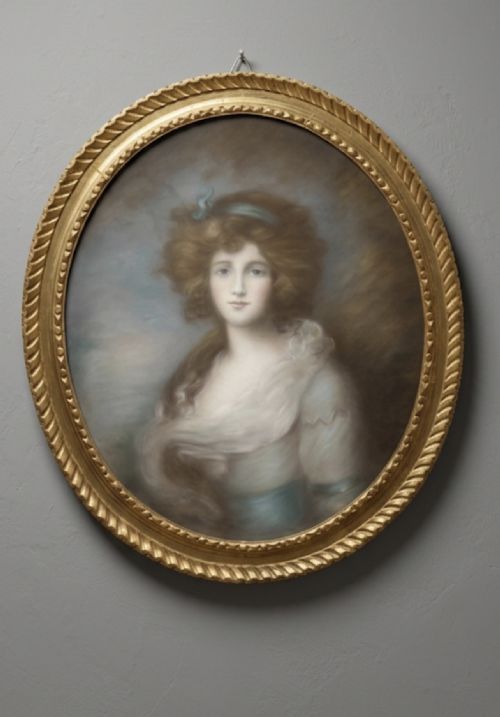
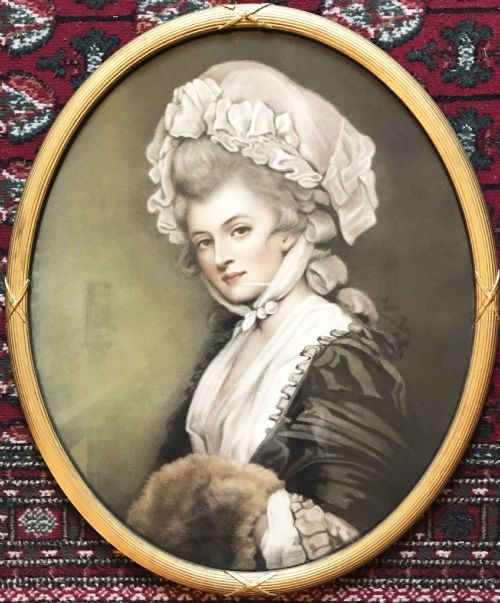
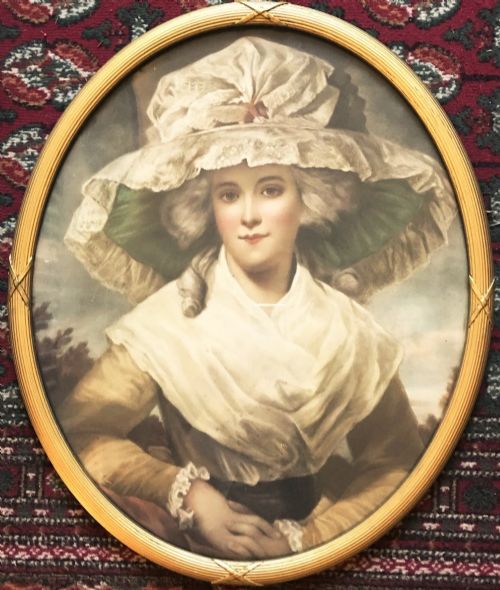
Oval giltwood framed art brings together historic portraits and intricate gilded surrounds spanning the seventeenth century to the Edwardian era.
Oval Giltwood Framed Art
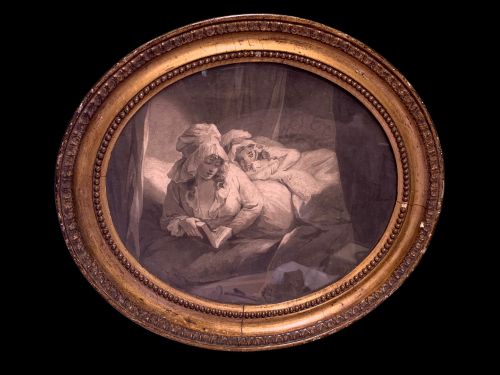
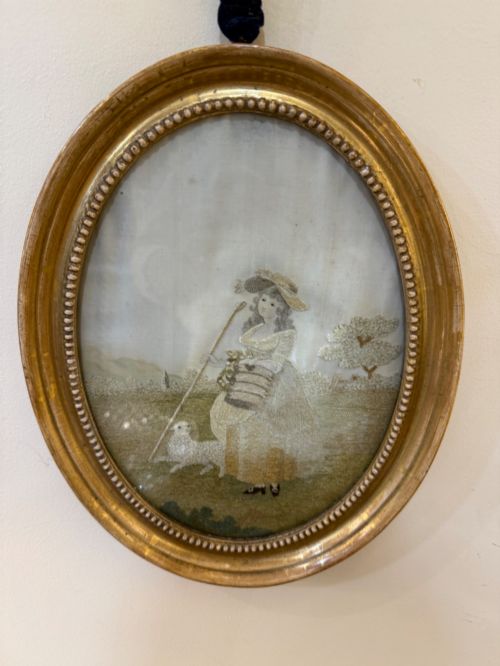
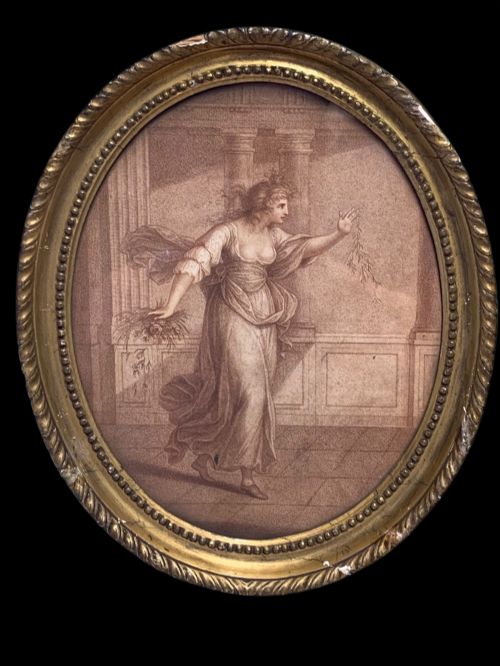
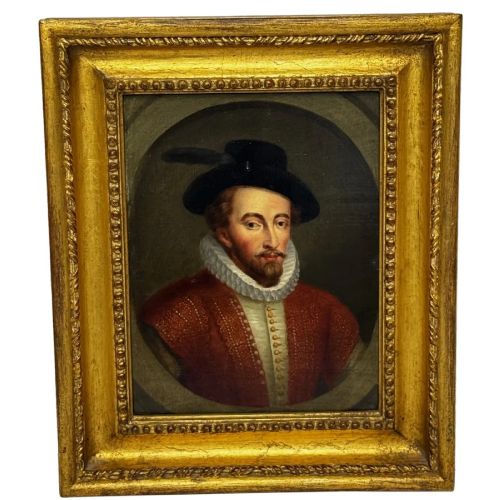
Oval giltwood framed art encompasses historical portraits, engravings, and silk works enclosed within curved wooden surrounds. These pieces range from seventeenth-century oil paintings to Edwardian prints, each designed with a distinct vertical or horizontal sweep. Buyers frequently encounter eighteenth-century British and European school portraits alongside nineteenth-century French and English works.
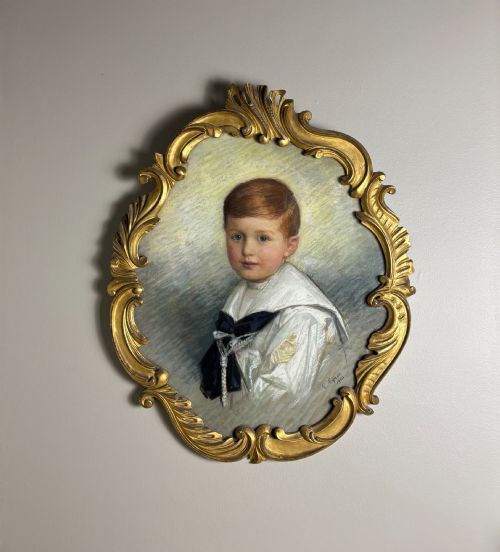
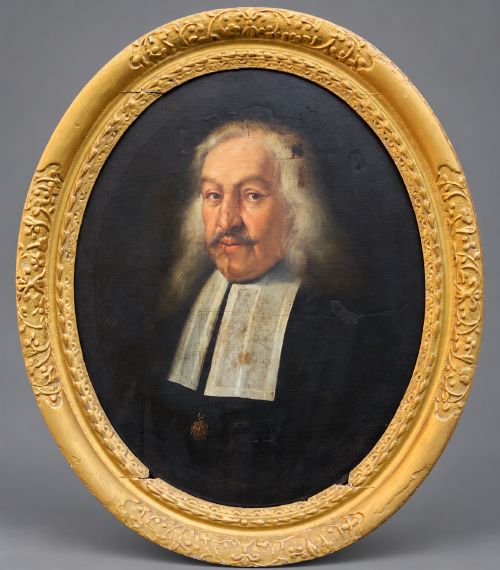
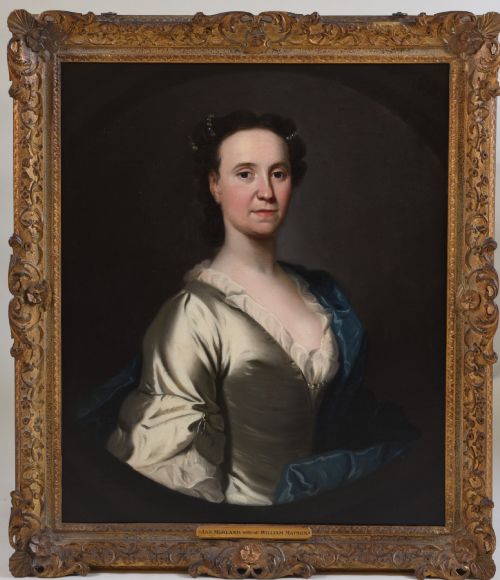
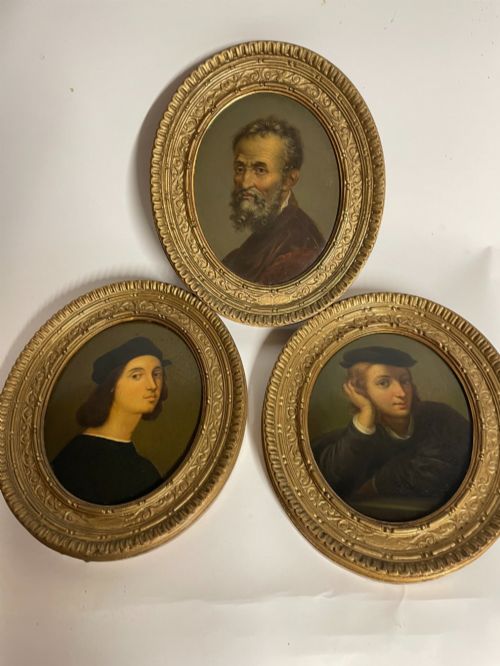
The format serves primarily to house intimate likenesses, from gentlemen in periwigs to elegant female beauties and children. The curving boundary softens the subject, drawing the eye toward the painted or printed surface within. Most examples rely on historic portraiture traditions, capturing sitters through oil on canvas, pastel, watercolour, or silk work.
Surrounds shape the overall character of these objects, utilising gold leaf and gesso applied to wooden bases. The combination of a curved picture plane and a gilded frame creates a cohesive visual unit that reflects period interior aesthetics. Collectors seek these pieces to anchor wall displays with centuries of craftsmanship.
Materials and Construction
Makers built these frames using timber bases shaped into continuous curves, then applied layers of gesso to smooth the surface before gilding. Gold leaf was laid meticulously over the prepared ground, sometimes burnished to create contrasting matte and reflective areas. Wood and gesso formed the rigid structure necessary to support glass, canvas, or paper securely within the curved rebate.
Artistic execution varied according to the medium, encompassing oil on canvas, pastel portraits, stipple engravings, and Berlin silk work. Pigments were applied to stretched canvas or heavy paper, capturing fine details in costume and expression. Framed prints and watercolours received protective glass coverings, preserving delicate paper and silk surfaces from atmospheric degradation.
Oval Giltwood Framed Art Retail Price Guide 2026
Typical asking prices for oval giltwood framed art among the pieces listed under this phrase on Sellingantiques today, from the lower quarter to the upper quarter. They describe what is for sale here now, not the wider market.
Several portraits feature sitters peering out wearing elaborate periwigs, bonnets, and blue cloaks, bringing centuries-old fashions directly into modern rooms.
Markers of Quality
Quality rests significantly on the preservation of the original giltwood surface and the integrity of the gesso mouldings. Retained gilding depth and crisp detail in carved or applied ornaments separate superior frames from those with heavy losses or unsympathetic repainting. The interaction between the curved frame profile and the artwork dictates the visual harmony of the piece.
Artistic skill defines the inner work, distinguishing master portraiture from standard workshop output. Subtle handling of light in oil portraits or precise needlework in silk pieces indicates the creator's proficiency. Provenance and attribution to documented artists further elevate the standing of individual items within this category.
Thomas Murray·Emily Eyres·William Edward Frost·Robert Kemp·Enoch Seeman the Younger·Frans van der Mijn·George Knapton·Robert Byng·John Riley·Andrea Soldi·Arthur H Buckland·Sir Peter Lely·Arnold van Boonen·Richard Cosway·John Closterman
The Oval Giltwood Framed Art Glossary
- Giltwood
- Wood decorated with gold leaf or gold powder applied over a prepared ground. This material provides the brilliant, reflective border characteristic of these historic frames.
- Gesso
- A plaster mixture applied to wood frames to create a smooth surface for gilding. It allows craftsmen to model crisp decorative details before applying gold leaf.
- Pastel
- A dry medium of powdered pigment used to create portraits on paper. Artists blended these pigments to achieve soft flesh tones and subtle fabric textures.
- Stipple engraving
- A printmaking technique using dots of varying density to render tonal gradations. This method produced delicate portraits popular in eighteenth-century framing.
- Berlin silk work
- Embroidery utilising dyed silk threads on canvas grounds. These textile pictures often occupied oval formats during the Georgian and Regency periods.
Oval Giltwood Framed Art: Frequently Asked Questions
How do I hang oval framed art securely?
Oval frames require stable hanging points attached firmly to the wooden backing or structural frame rather than relying solely on old cordage. Utilising two wall hooks distributes the weight evenly and keeps the curved piece straight.
Position the art at eye level where the gilt surface catches ambient light effectively. Avoid areas exposed to direct sunlight or moisture to protect both the gilding and the artwork inside.
What periods do these pieces represent?
The selection spans from the late seventeenth century through the Georgian and Regency eras into the Victorian and Edwardian periods. Each era brought distinct framing profiles and portrait styles, reflecting prevailing aesthetic tastes.
Early pieces often feature deep cavetto mouldings and robust oil portraits, while later examples embrace refined neoclassical lines or delicate watercolours and prints.
Can I replace the glass in an old frame?
Original glass, particularly in seventeenth and eighteenth-century pieces, often displays subtle distortions and bubbles that authenticate its age. Retaining historic glass protects the integrity of the piece and its components.
Replacement should only occur if the glass is cracked and threatens the artwork within. Consult a specialist framer to source appropriate historic-style glass if substitution becomes necessary.