
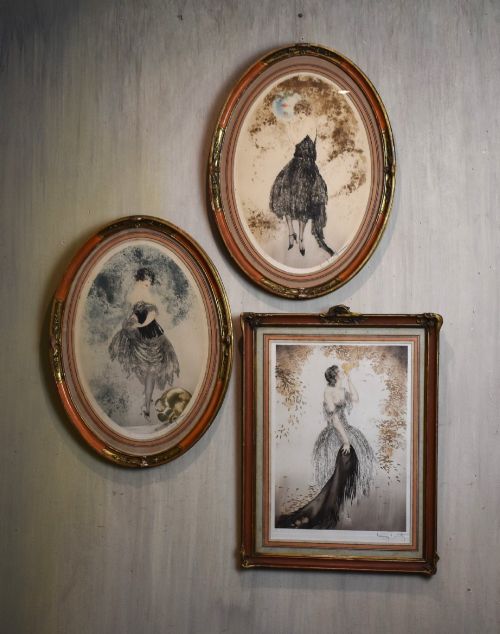
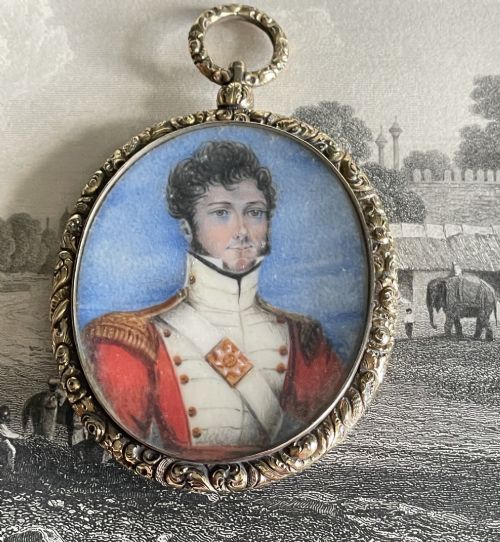
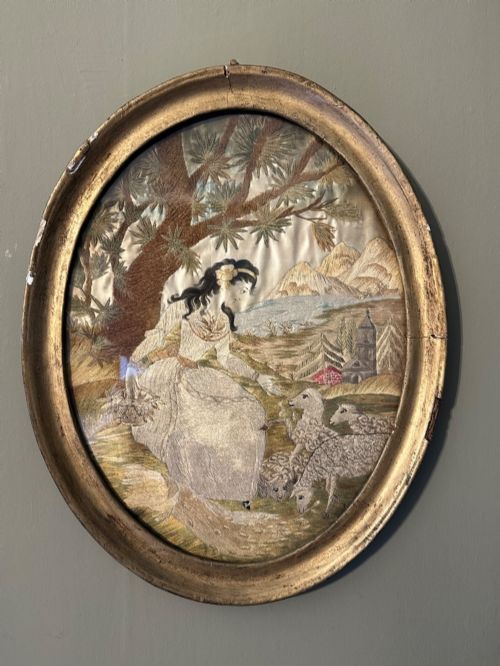

Oval Gilt Picture Frame
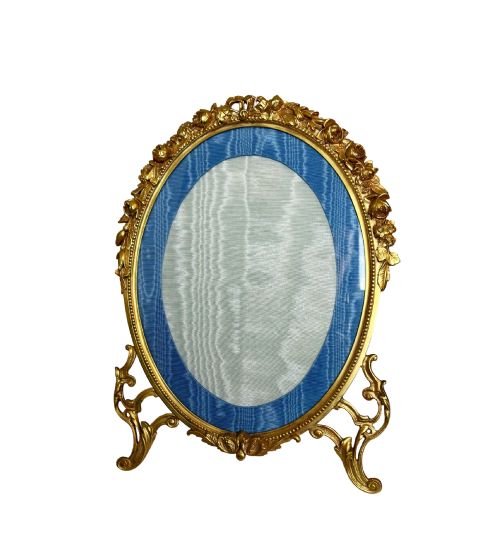
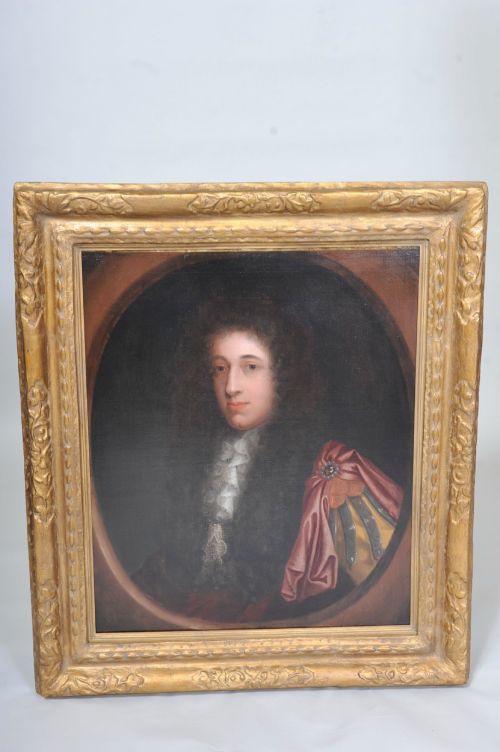
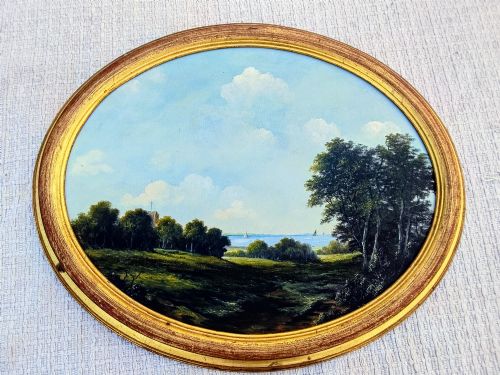
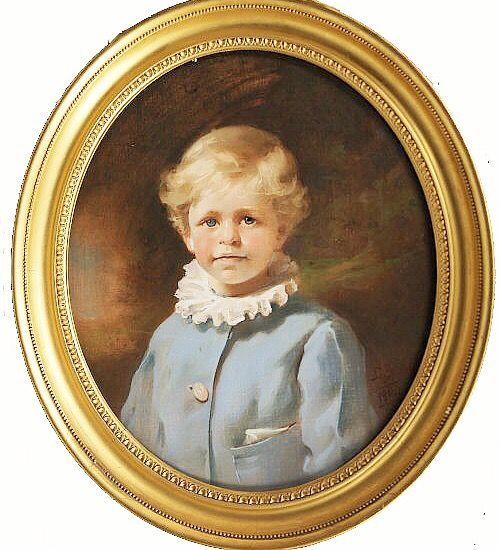
These oval gilt picture frame examples bring warmth and classical focus to a wall, offering distinct period character through gilded surfaces and curved timber or metal lines.
What an oval gilt picture frame is
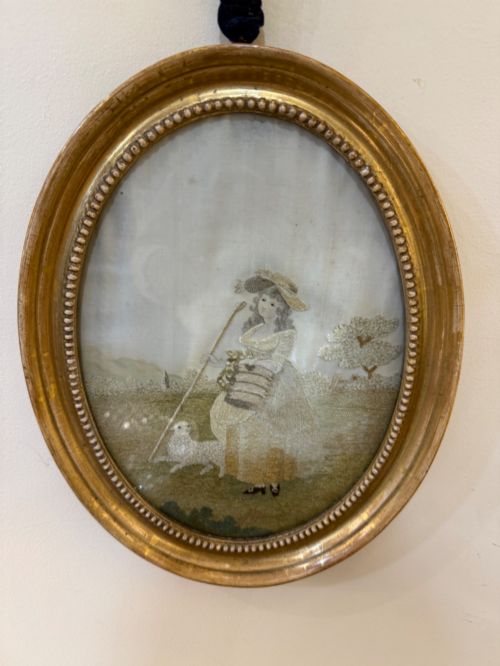
An oval gilt picture frame encompasses curved borders finished in gold leaf or gilt metal, designed to house portraits, prints, or mirrors. These pieces span from the eighteenth century through to nineteen hundred, showing Georgian neoclassical, Victorian, and French Louis XVI styles.
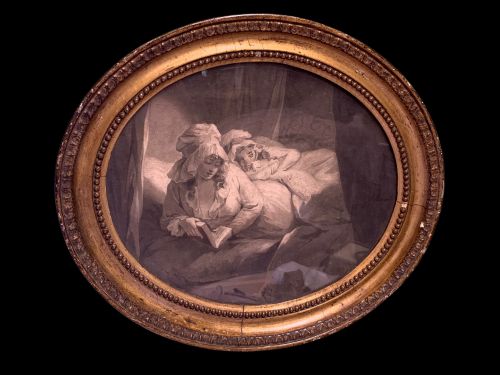
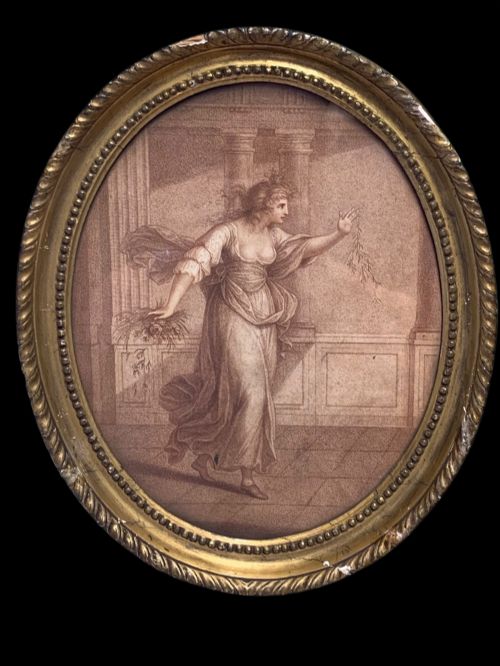
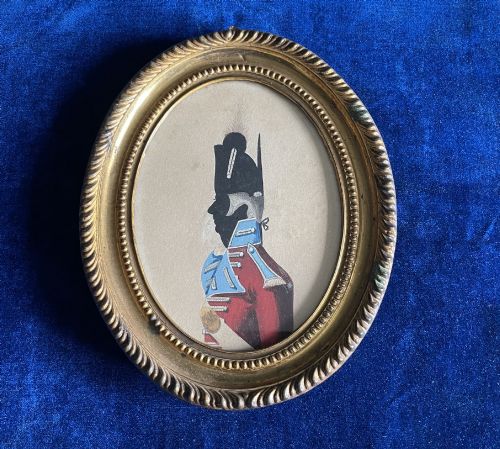
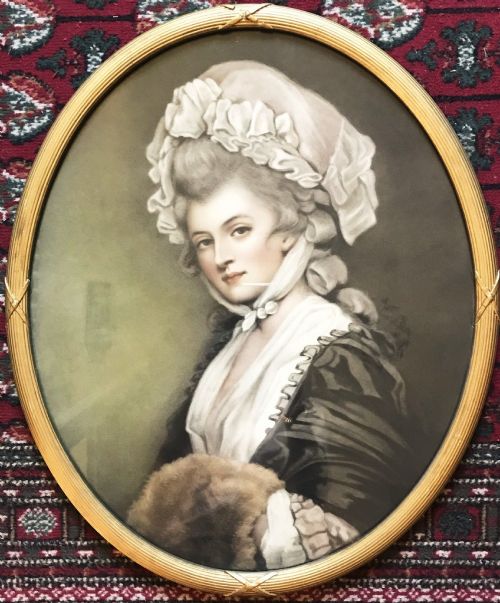
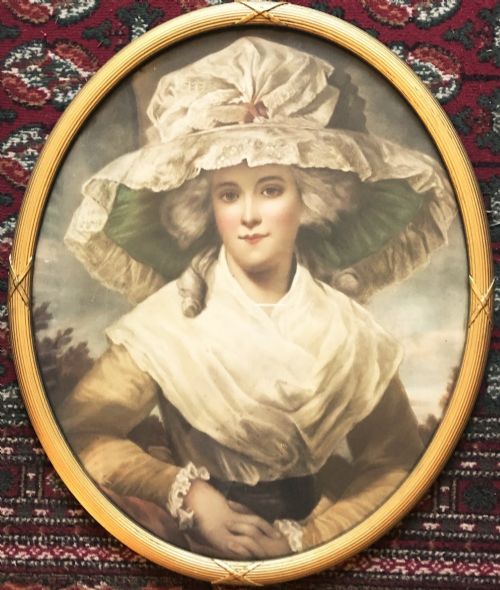
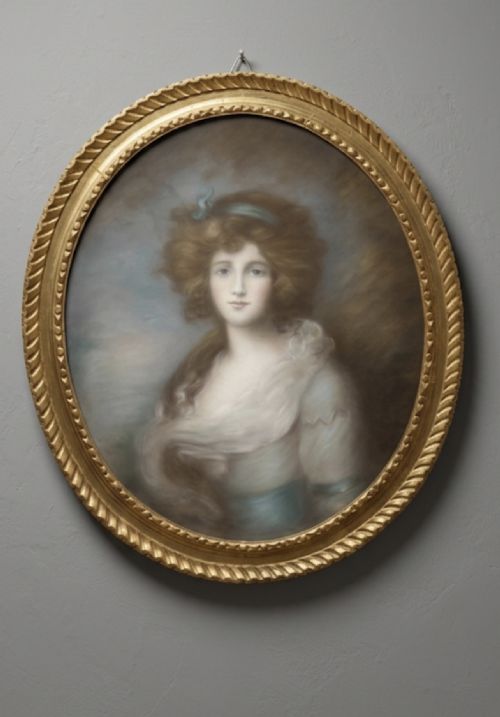
The selection includes timber frames carved in giltwood alongside metal variants in gilt brass and gilt bronze. Alongside empty or adapted frames, the listings contain contemporary artwork such as stipple engravings, pastel portraits, charcoal drawings, and wall mirrors.
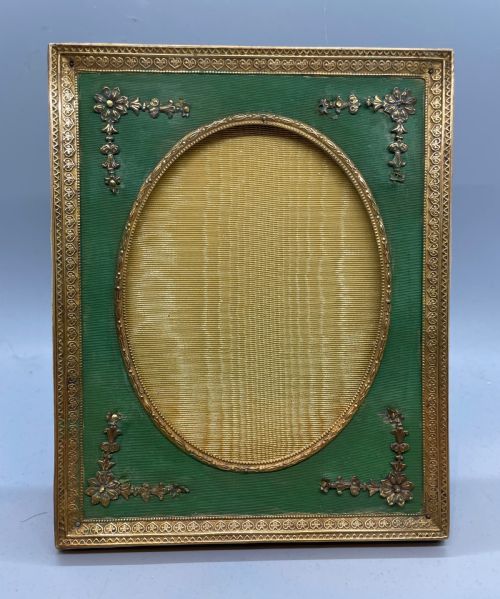
Buyers are most likely to encounter nineteenth-century timber frames and French brass photo frames among the current selection. Each item combines decorative gilding with the characteristic curved profile required to set off a portrait.
How they were made
Maker construction relies on carved wood foundations coated in gesso before the application of gilt leaf. Metal examples utilise cast brass or bronze, often incorporating easel backs or hanging rings into the primary structure.
Surface finish is achieved through traditional gilding methods applied over prepared bole, while backing materials incorporate paper and wood panels. Glazing utilises period glass to protect the pastel, charcoal, or engraved artwork held within.
Retail Price Guide 2026
Typical UK retail prices for oval gilt picture frame, calculated from the Sellingantiques database of over a million retail prices indexed since 2003. This retail price guide relies exclusively on Sellingantiques data; no external sources or auction records are used, so the figures do not describe the wider market.
Dame Ellen Terry watches over the collection from her drawing, framed and preserved alongside eighteenth-century stipple prints.
What varies in quality
Quality rests in the crispness of the gesso moulding and the depth of the underlying wood carving on giltwood pieces. Superior examples retain their original gold leaf surface with minimal restoration.
In metal frames, the weight of the cast brass or bronze and the intricacy of the chased ornamentation distinguish finer workshop production. The integrity of the original backing and glass further separates standard items from exceptional survivals.
Thomas Gainsborough·Reginald G. Eves R.A.
The Oval Gilt Picture Frame Glossary
- Giltwood
- Wood that has been coated in gold leaf or powder. This material defines the traditional carved frames of the eighteenth and nineteenth centuries.
- Gesso
- A plaster mix applied to wood frames to create a smooth surface for gilding. It allows for intricate relief moulding before the application of gold leaf.
- Stipple engraving
- A printmaking technique using dots to create tonal gradations. It appears frequently in period portraits housed within these frames.
- Louis XVI style
- A neoclassical aesthetic characterised by straight lines, symmetry, and classical motifs. French pieces from this tradition often feature ribbon crests or beaded borders.
Frequently Asked Questions
How do I hang a heavy giltwood frame?
Heavy giltwood frames require secure wall fixings anchored directly into masonry or wall studs using heavy-duty picture wire.
Avoid relying solely on decorative plaster hooks, as the combined weight of the timber and glass demands robust structural support.
Can I polish the brass on these frames?
Polishing gilt brass or bronze is generally discouraged because it removes the aged patina accumulated over decades. Cleaning should be limited to gentle dusting with a soft, dry cloth to protect the metallic finish.
What artwork fits an oval frame?
Oval frames suit portrait miniatures, pastel drawings, and stipple engravings created specifically to match the curved aperture. Landscapes and rectangular prints lose their corners and do not sit comfortably within this format.
How do I date a gilt picture frame?
Dating relies on examining the construction of the wooden corners, the composition of the gesso, and the style of the gilding. Eighteenth-century pieces display hand-carved details, while later nineteenth-century examples often use standardised moulded ornamentation.