

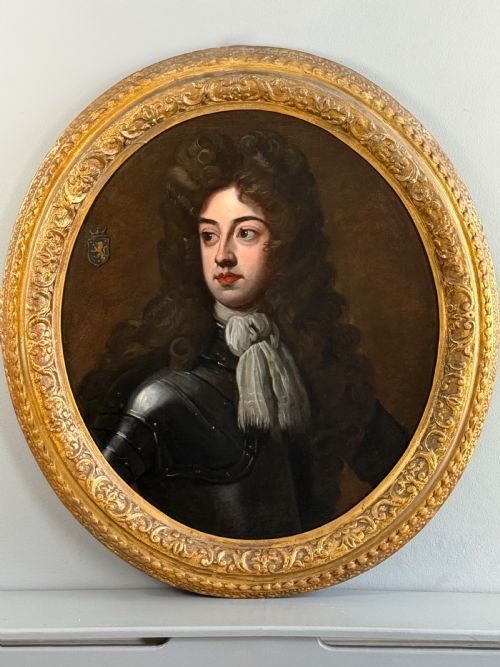
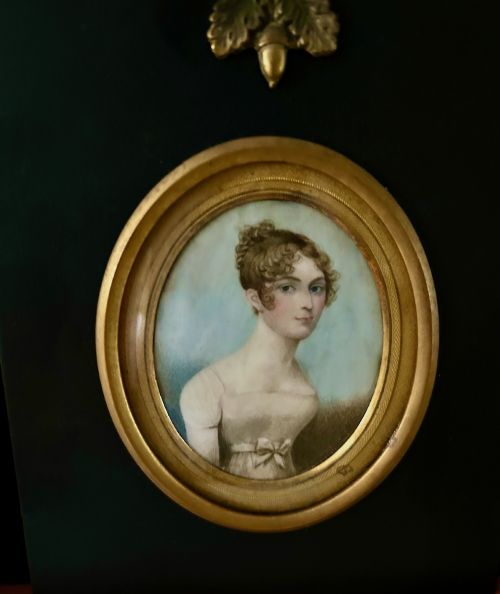
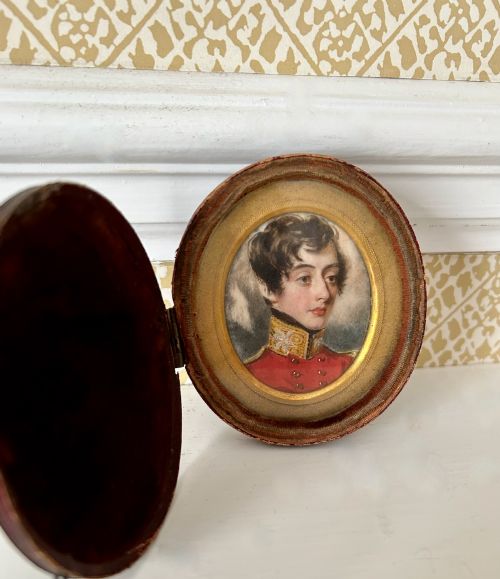
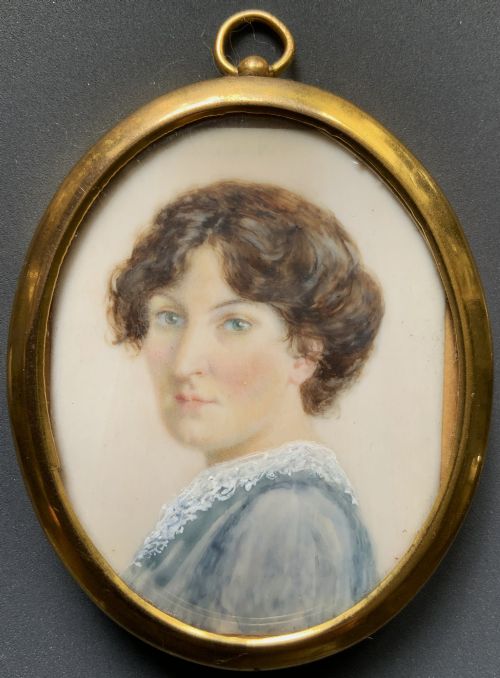
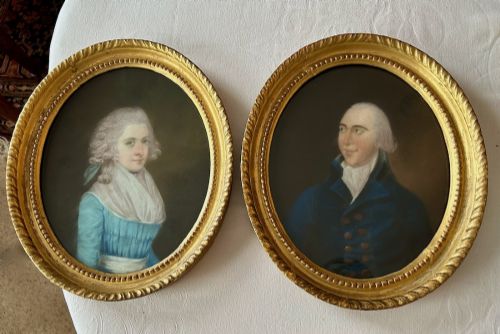


Oval Gilt Framed Art
Oval gilt framed art brings together centuries of portraiture and decorative painting housed within curved, gilded boundaries.
Oval Gilt Framed Art
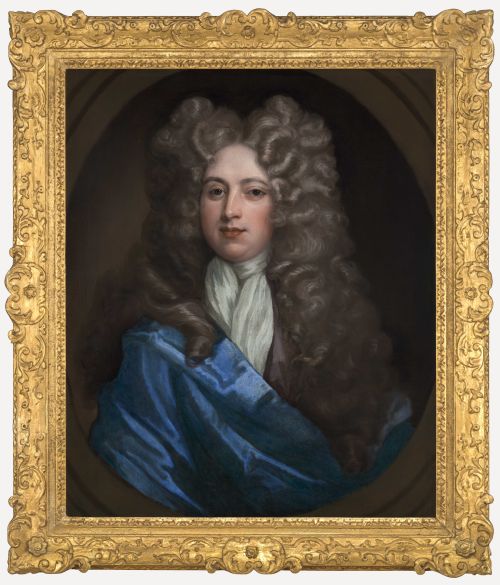
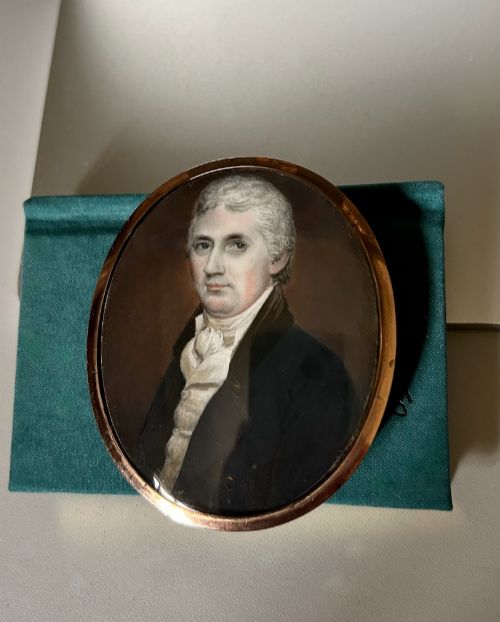
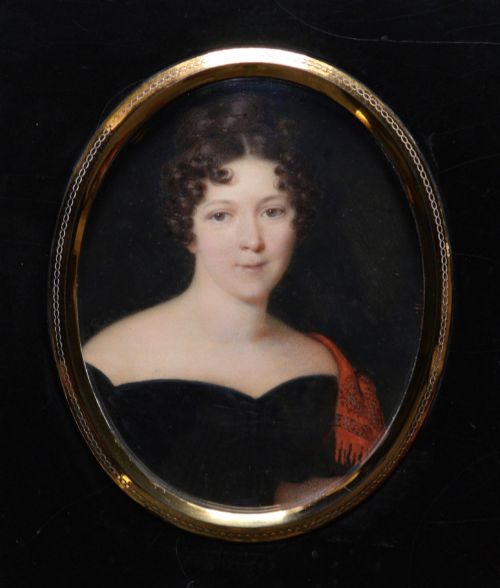
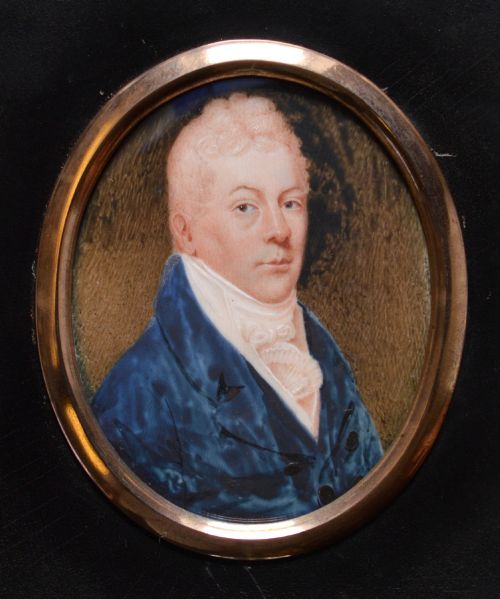
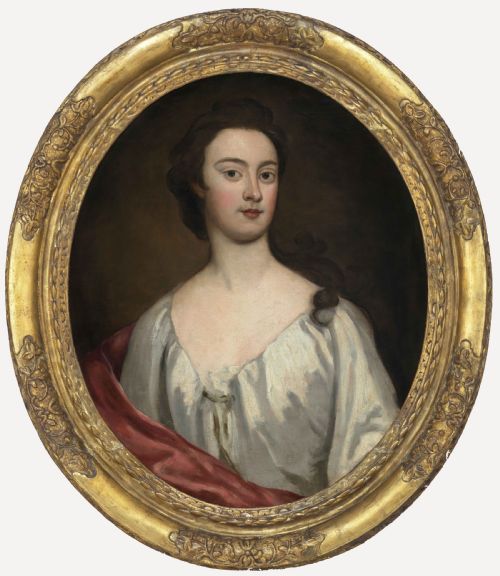
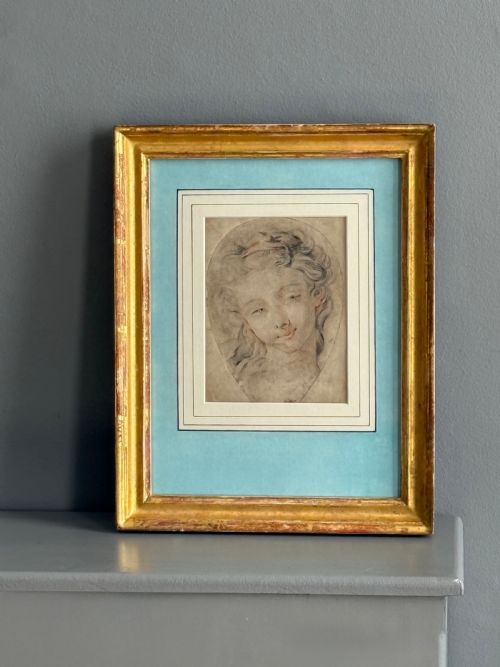
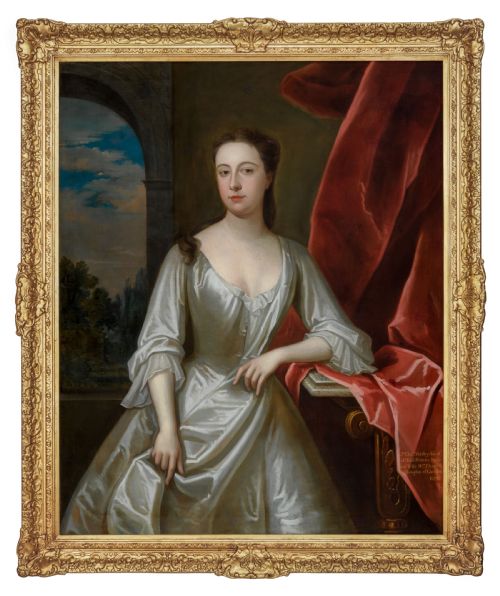
Oval gilt framed art encompasses historical portraiture, fine art paintings, watercolours, prints, and miniatures enclosed in curved frames finished with gold leaf or giltwood. When exploring this selection, buyers frequently encounter 17th, 18th, and 19th-century oil portraits, pastel works, and silhouette miniatures.
The assortment relies heavily on British and European portraiture from the Georgian, Regency, and Victorian periods. These pieces range from grand oil on canvas depictions of nobility to intimate pastel sketches and paper engravings preserved under glass.
Makers and schools represented span traditional British portraiture, Dutch style still life works, and French school paintings. Each item merges pictorial representation with the specific curvature and moulding of its period enclosure.
Materials and Construction
Artworks within these listings utilise oil on canvas, paper, pastel, watercolour, and needlepoint. Canvases are stretched over curved wooden supports while works on paper or silk are secured within protective glass enclosures.
Frames are constructed from wood and finished with gold leaf or giltwood, employing carved or moulded profiles suited to the aesthetic of the respective century. Gilding techniques apply thin sheets of gold or metallic leaf to prepared wooden surfaces to achieve lasting luminescence.
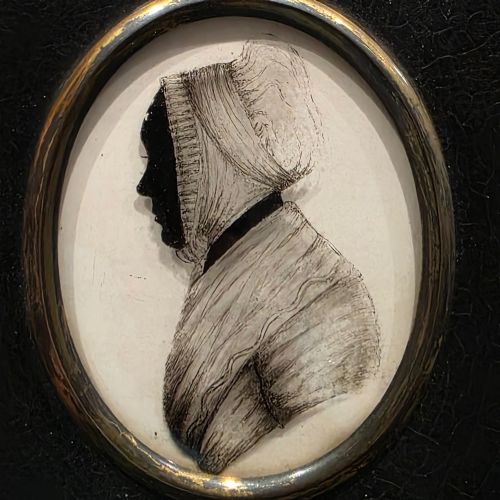
Miniatures and silhouettes incorporate specialised mediums such as reverse painting on glass or fine ink and wash on paper, requiring meticulous hand-workmanship scaled for intimate viewing.
The selection includes needlepoint samplers alongside traditional oil paintings, demonstrating varied applications of the oval format across different domestic crafts.
Distinctions in Quality
Quality rests primarily on the fidelity of the brushwork, the depth and nuance of the subject's expression, and the integration between the artwork and its specific curved housing. Superior pieces demonstrate confident handling of light, fabric, and anatomy by the artist.
The integrity and originality of the surrounding gilt frame heavily influence the standing of a piece. Hand-carved wooden mouldings and undisturbed period gilding elevate an object above later replacements or compromised surfaces.
Condition of the primary medium - whether oil, pastel, or silk - determines longevity and visual impact. Stable paint layers free from heavy overpainting maintain the historical authenticity prized by collectors.
Sir Godfrey Kneller·Michael Dahl·Thomas Murray·James Sharples·John Russell·Dumini Leopoldo·Leon Sprinck·John Scougall·Jeremiah Davison·Pieter Borseler
The Oval Gilt Framed Art Glossary
- Giltwood
- Wood that has been treated with a thin layer of gold leaf or metallic powder. This finish provides a reflective golden surface characteristic of formal decorative frames.
- Silhouette
- A solid dark profile portrait, usually cut from paper or painted in monochrome. These works often appear in miniature format within oval surrounds.
- Portrait Miniature
- A small, highly detailed painting on vellum, card, or copper. They were produced extensively during the Georgian and Regency eras.
- Stipple Engraving
- A printmaking technique where an image is rendered through a multitude of tiny dots. It allows for subtle tonal gradations particularly useful in portraiture.
- Reverse Painting on Glass
- An artwork applied directly to the back of a glass panel and viewed from the front. This method imparts a glossy, preserved finish to silhouettes and decorative scenes.
Oval Gilt Framed Art: Frequently Asked Questions
How do I date an oval frame?
Dating relies on examining the construction joints, the composition of the gesso beneath the gold leaf, and the wood species used in the carcass. Earlier frames often feature hand-carved wooden profiles, whereas later examples utilise moulded composition ornaments.
The style of the rebate and the presence of old fixings or backboards also offer clues to the period of assembly. Comparing the mounting methods with known historical standards helps confirm the era.
Were these always made as ovals?
Many portraits were conceived specifically for curved surrounds to soften interior walls and complement Georgian and Regency architectural proportions. Artists painted directly onto oval stretchers or framed square canvases down to fit existing decorative schemes.
Prints and engravings were likewise trimmed or printed specifically to fit into pre-formed oval mounts. This format was chosen to create a sense of intimacy and visual focus.
How should I hang historic frames?
Historic gilt frames require secure wall fixings distributed evenly across the weight-bearing points of the structure rather than relying solely on fragile hanging rings. Professional picture hooks rated well above the weight of the piece ensure stability.
Placement should avoid direct sunlight and fluctuating humidity levels to protect both the artwork and the delicate gilt surface. Maintaining a stable environment prevents wood movement and flaking of the gold leaf.