

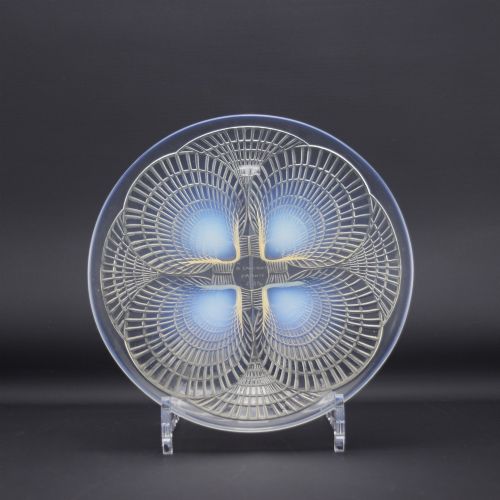
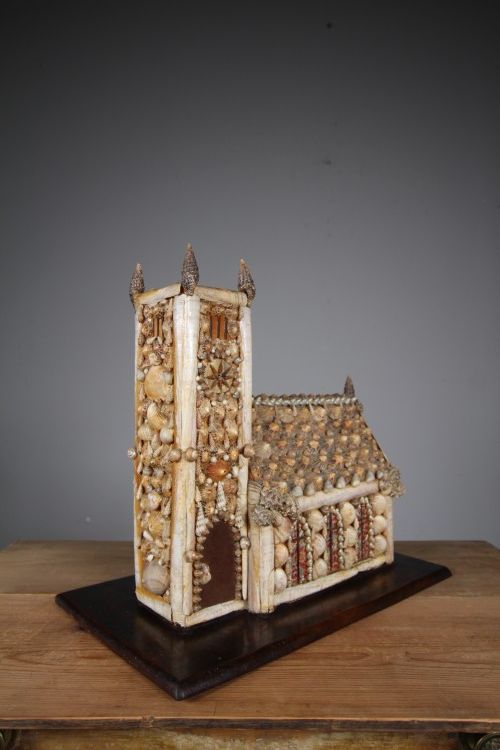

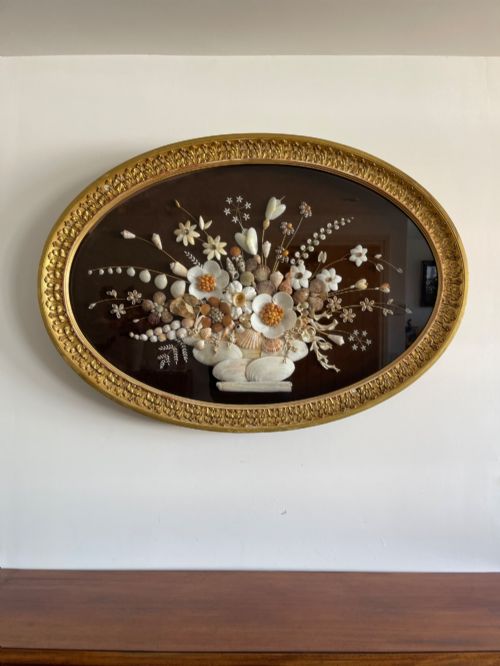
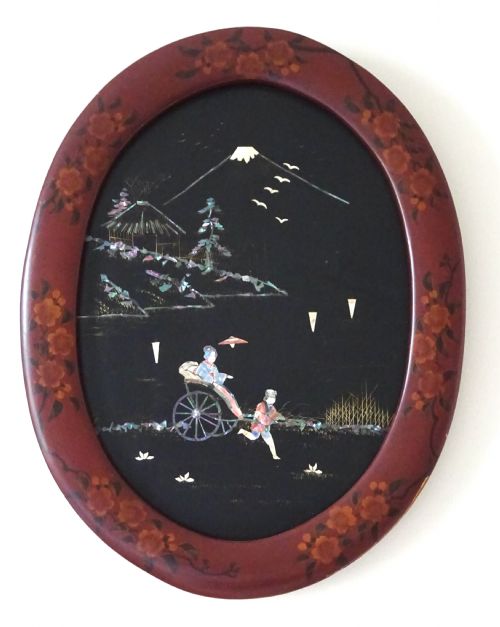


Antique Shell Art
When you search for antique shell art, you encounter diverse creations fashioned from natural marine specimens across the Victorian and Edwardian eras.
Antique Shell Art
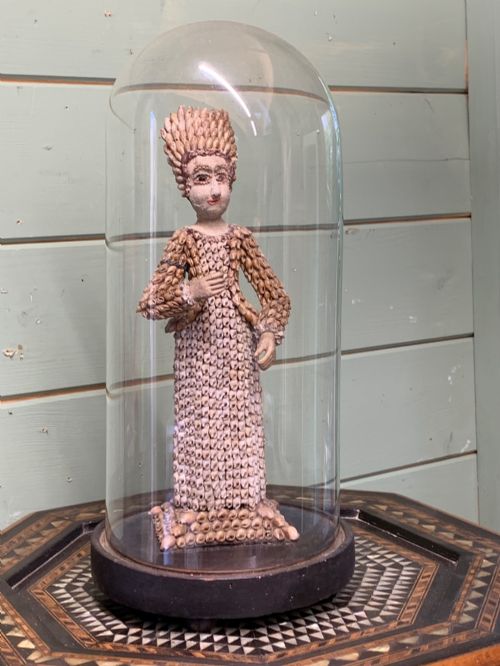
The term antique shell art covers an array of decorative objects, pictures, and folk art originating primarily from the nineteenth and early twentieth centuries.
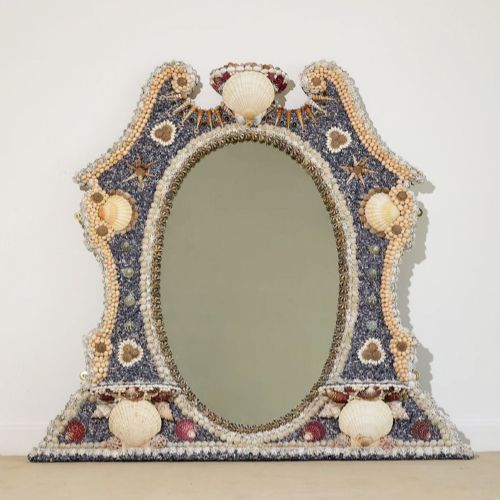
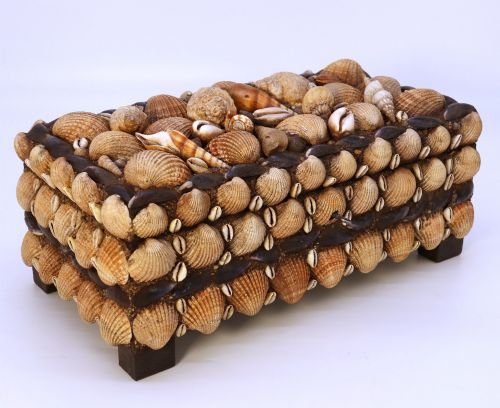
You are most likely to meet pieces such as folk art shellwork boxes, dioramas, framed marine pictures, and carved coconut flasks across these listings.
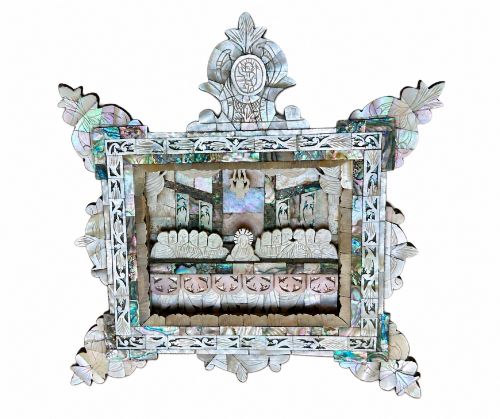
Examples range from domestic British and French sailor work to international pieces incorporating mother of pearl and tortoise shell.
Materials and construction methods
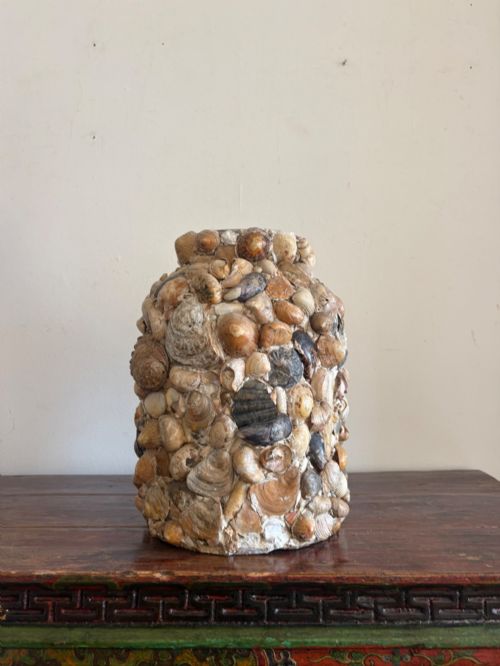
Maker construction frequently combines natural seashells and coconut shell with wood framing, glass protection, and metal mountings.
Folk art and marine objects often rely on meticulous hand placement of shells and mother of pearl inlay secured to structural bases.
A meticulous sailor spent his long voyages gluing tiny limpets into geometric patterns while the ship rolled.
Judging the range of quality
Quality varies according to the intricacy of the arrangement and the preservation of delicate organic components over time.
Superior examples demonstrate careful assembly and complete decorative surfaces without significant losses to individual shell elements.
James Deakin And Sons·Rene Lalique·Royal Dux·Oliver Goldsmith·Haruyama Shunzan
The Antique Shell Art Glossary
- Folk art
- Items created by self-taught makers using traditional domestic or maritime materials. These pieces reflect regional vernacular designs rather than formal academic studio work.
- Mother of pearl
- The iridescent inner layer of certain mollusc shells. Artisans utilise this lustrous material for inlay work and small decorative objects.
- Tortoise shell
- Material sourced from the shell of certain turtle species, historically worked into boxes and frames. This substance is frequently imitated in later decorative items.
- Diorama
- A three-dimensional scene enclosed within a glass-fronted case. Marine examples often depict intricate shell arrangements or model houses.
- Coconut shell
- The hardened husk used by carvers for flasks and decorative vessels. Artisans engrave or polish the dense material to create contrasting textures.
Antique Shell Art: Frequently Asked Questions
What is antique shell art?
Antique shell art encompasses decorative objects, framed pictures, and folk art constructed from marine specimens and mother of pearl primarily during the nineteenth and early twentieth centuries.
These pieces range from sailor work boxes and dioramas to inlaid picture frames and carved coconut flasks.
How were these pieces used?
Many items served as decorative domestic ornaments, souvenirs brought back from coastal travels, or sentimental tokens exchanged among families and sailors.
Framed pictures and boxes were displayed in parlours or utilised to store small personal treasures.
How do I care for shell art?
Keep delicate shell art away from direct sunlight and excessive moisture to prevent the natural materials from fading or destabilising.
Dust gently with a soft dry brush and avoid chemical cleaners that might damage organic surfaces.
How do I identify the period?
Dating relies on examining the underlying construction materials, backing woods, fixings, and stylistic characteristics typical of Victorian or Edwardian craftsmanship.
Accompanying documentation or hallmarks on incorporated silver mountings also assist in determining the age.