
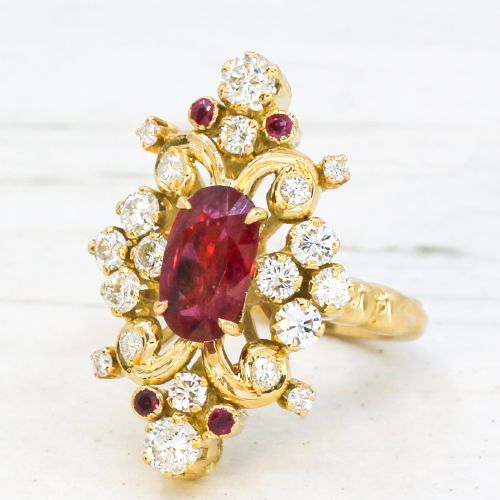
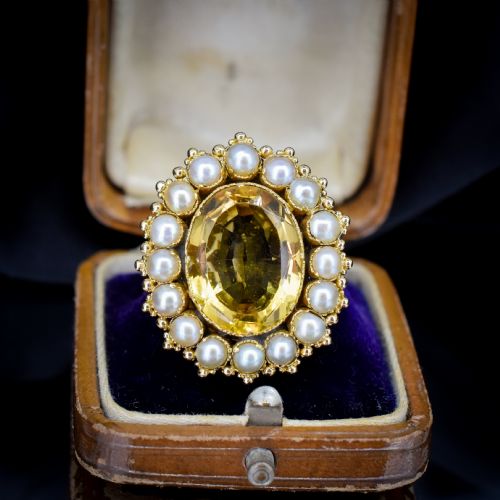
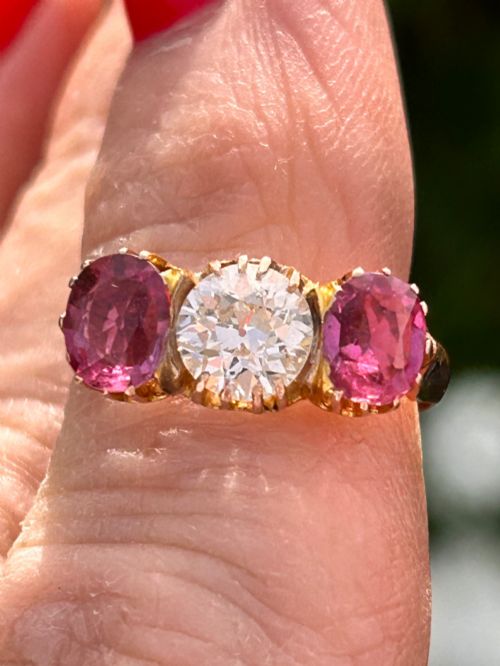
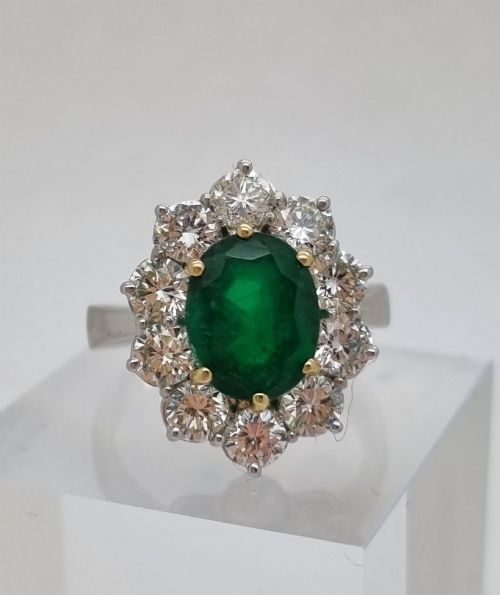
Oval Gemstone Gold Ring
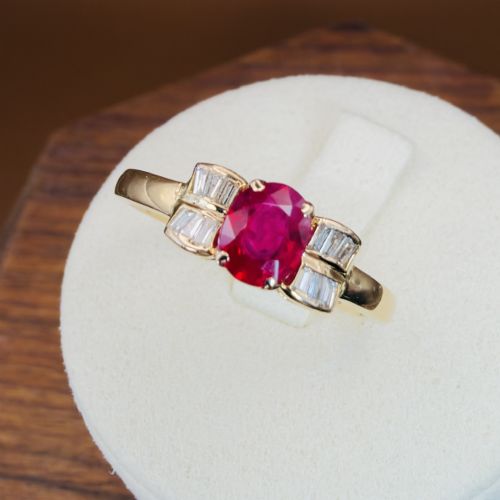
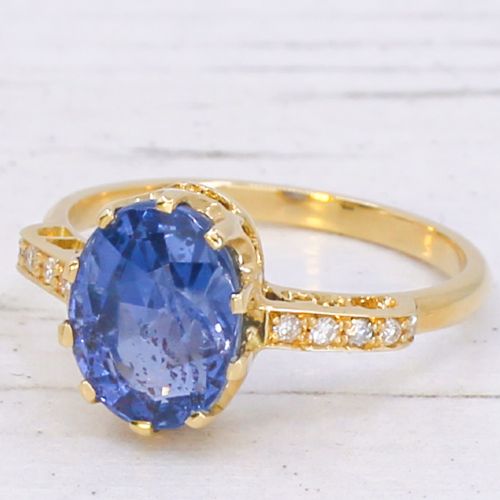
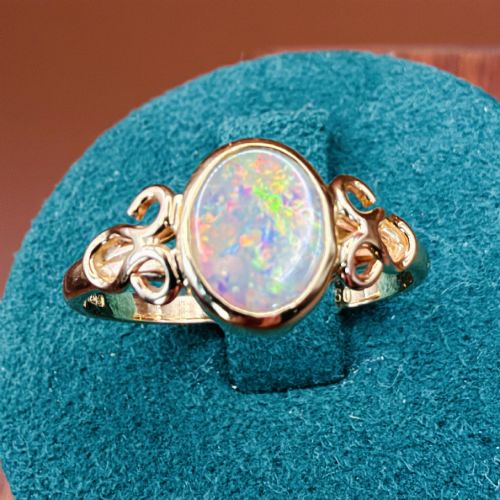
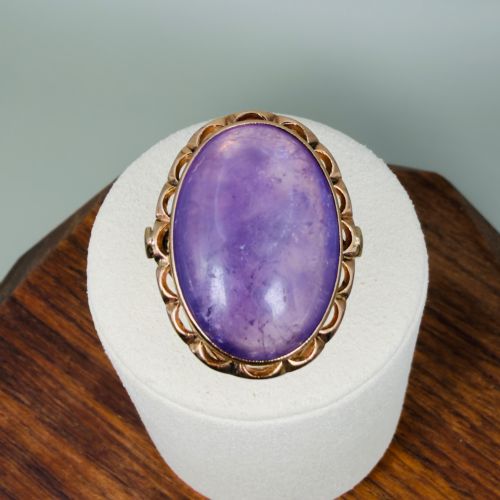
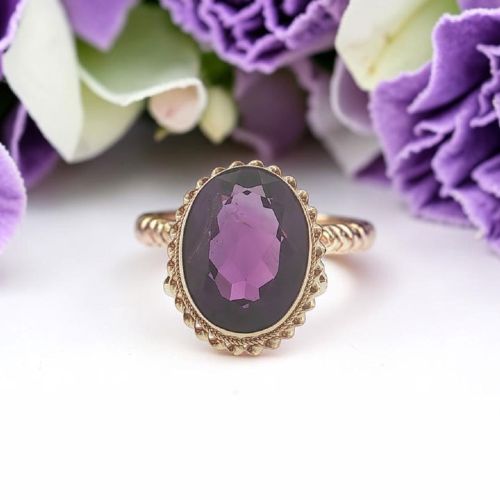
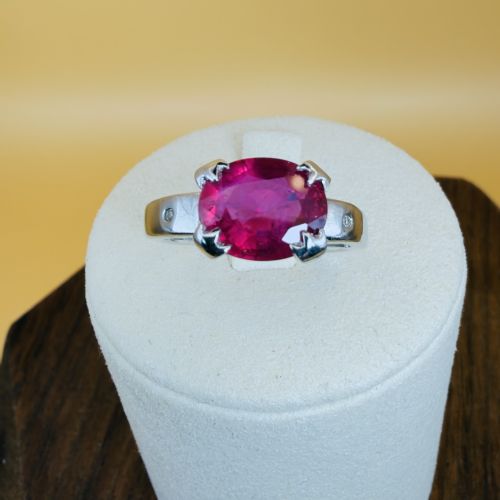
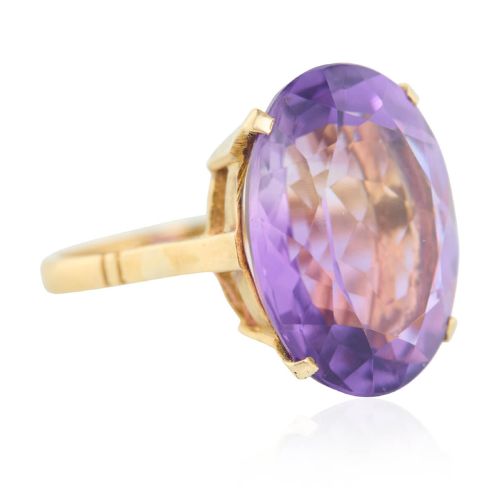
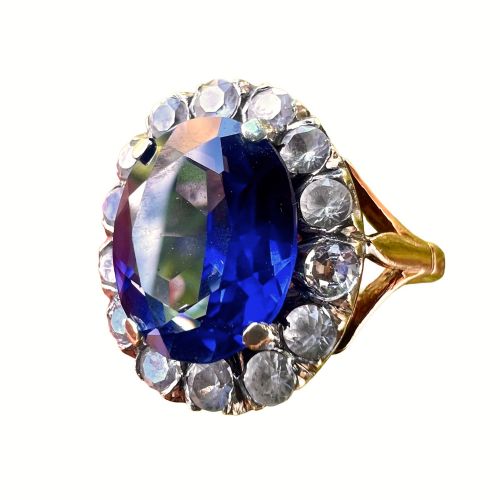
An oval gemstone gold ring carries a centring stone of sapphire, ruby, opal or emerald held in yellow, white or rose gold.
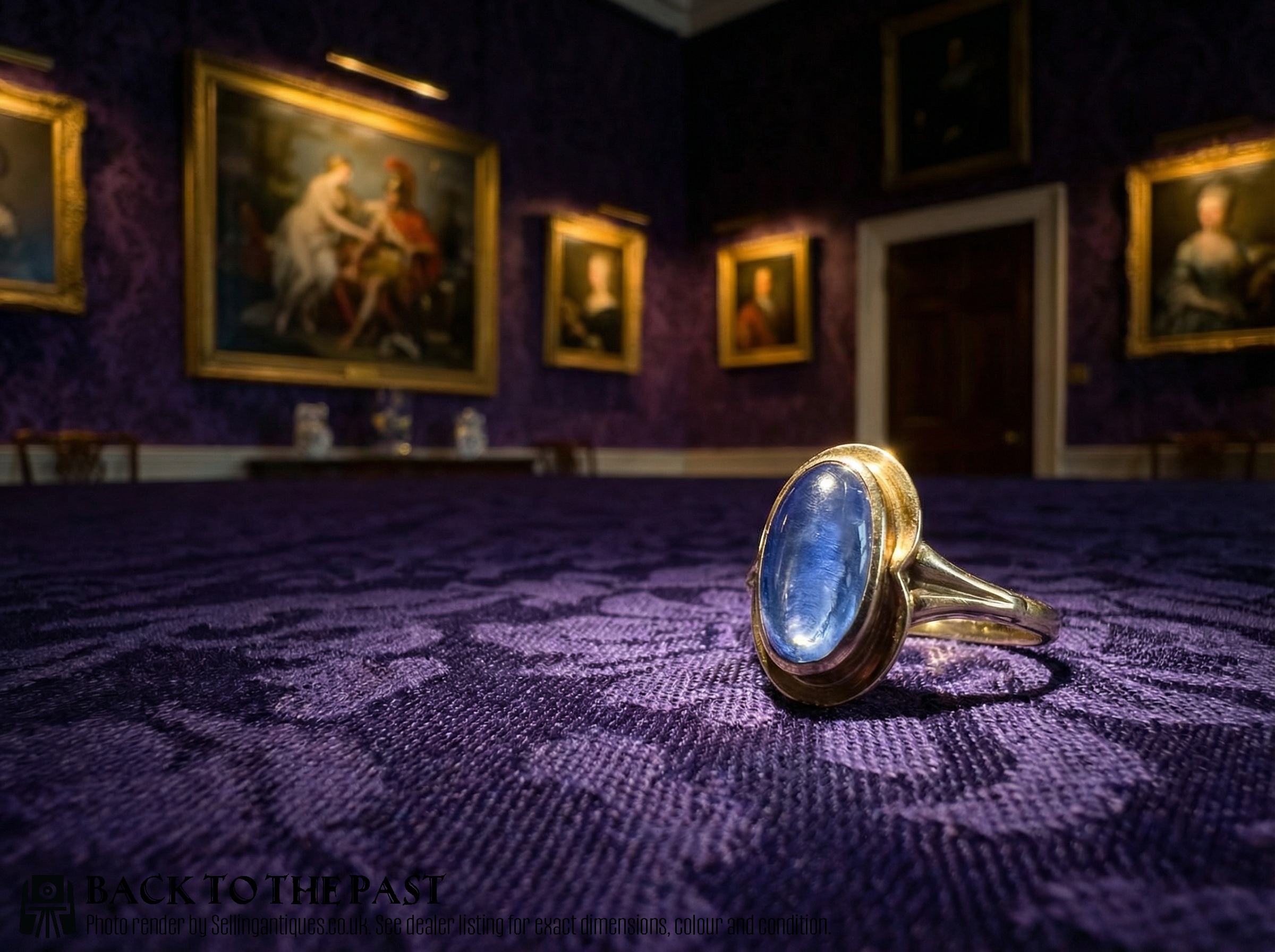
Oval Gemstone Gold Ring
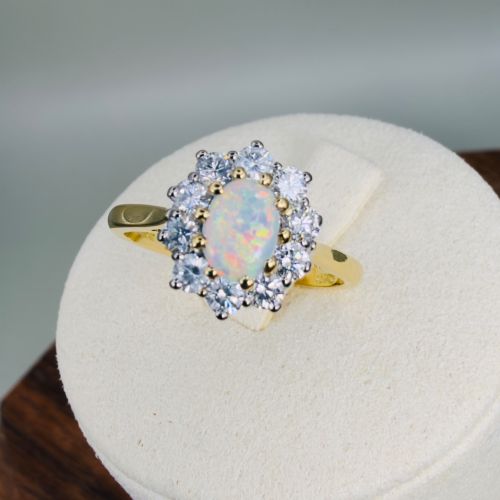
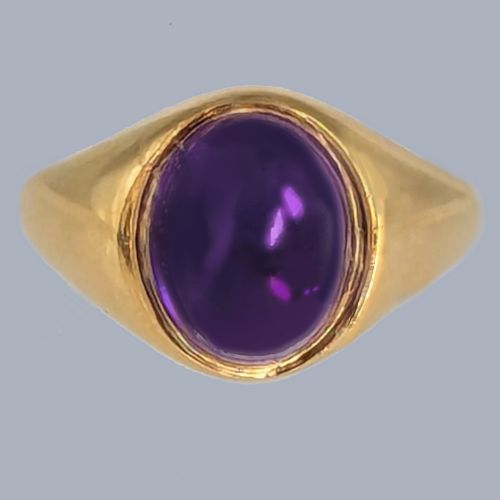
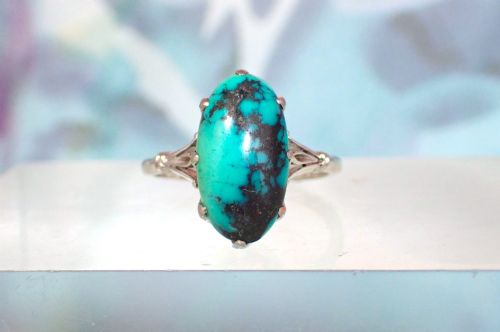
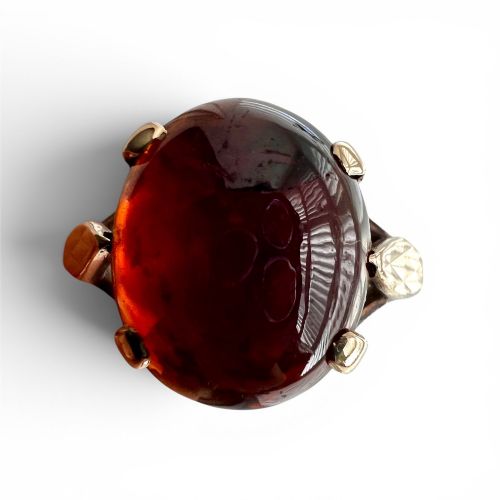
An oval gemstone gold ring brings together centred oval stones and precious metal bands in forms ranging from solitaire mounts to elaborate cluster rings. Buyers seeking an oval gemstone gold ring encounter pieces spanning the Victorian and Edwardian eras, through Art Deco designs and mid-century cocktail styles.
The selections span simple single-stone rings to dense halo arrangements incorporating diamonds, pearls and smaller accent gems. Such rings appear in 9ct and 18ct gold, alongside white gold and platinum-topped settings reflecting diverse historical periods.
How they were made
Goldsmiths constructed these mounts in yellow, white and rose gold, frequently utilising 9ct and 18ct alloys to secure central oval gemstones. Stones such as rubies, sapphires, opals and emeralds are held via claw settings, bezel mounts or cluster arrangements surrounded by diamonds.
A gentleman's profile carved into a nineteenth-century carnelian intaglio ring watches silently from history.
What varies in quality
Quality rests in the origin and treatment state of central stones, such as unheated Ceylon or Burma rubies versus standard commercial gems. Substantial stone carat weights and significant total gold gram weights elevate the construction standard.
The precision of stone cutting, secure prong or bezel placement, and the presence of formal gemmological reports distinguish superior examples. Finer pieces demonstrate harmonious proportions between the central oval stone and surrounding diamond clusters.
The Oval Gemstone Gold Ring Glossary
- Cabochon
- A gemstone shaped and polished with a smooth, rounded surface rather than faceted. This style highlights stones with optical phenomena like opals, star sapphires and jade.
- Cluster ring
- A ring featuring a prominent central gemstone encircled by a group of smaller stones, typically diamonds. This arrangement maximises visual impact and light reflection.
- Solitaire
- A jewellery setting designed to showcase a single gemstone without accompanying side stones. The focus remains entirely on the central oval cut or cabochon stone.
- Bezel setting
- A method of holding a gemstone in place by means of a metal rim that encircles the stone's perimeter. It offers secure protection for softer stones like opals.
- Intaglio
- A gem or metal surface carved with a design depressed beneath the plane, allowing it to leave a raised impression in sealing wax. These depict historical profiles and crests.
Oval Gemstone Gold Ring: Frequently Asked Questions
What periods do these rings represent?
The pieces span the nineteenth century through the Edwardian and Art Deco eras into the mid-twentieth century and later decades. Victorian and Edwardian examples sit alongside 1950s cocktail rings and 1960s designs.
Each period brings distinct mount styles, from delicate halo clusters to substantial single-stone settings in varying gold purities.
How are opals secured in these mounts?
Opals appear in both bezel settings and traditional claw mounts across various historical periods. Bezels encircle the stone edge to offer physical protection.
Claw mounts elevate the opal to catch light, allowing full display of the play of colour across the cabochon surface.
What distinguishes a cocktail ring?
Cocktail rings feature large, prominent central stones designed for visual prominence during evening wear. Examples incorporate substantial amethysts, jade or multi-carat sapphires.
These pieces frequently utilise heavy gold gram weights and wide shanks to support the sizeable oval gemstones.
Are unheated gemstones common?
Unheated stones appear among sapphire and ruby listings, denoting gems that have undergone no thermal enhancement. Gemmological reports often accompany these specific pieces.
Such documentation verifies the natural origin and untreated status of stones originating from sources like Burma or Ceylon.