




Oval Framed Wall Artwork
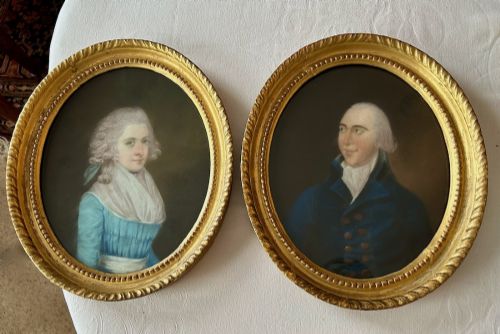
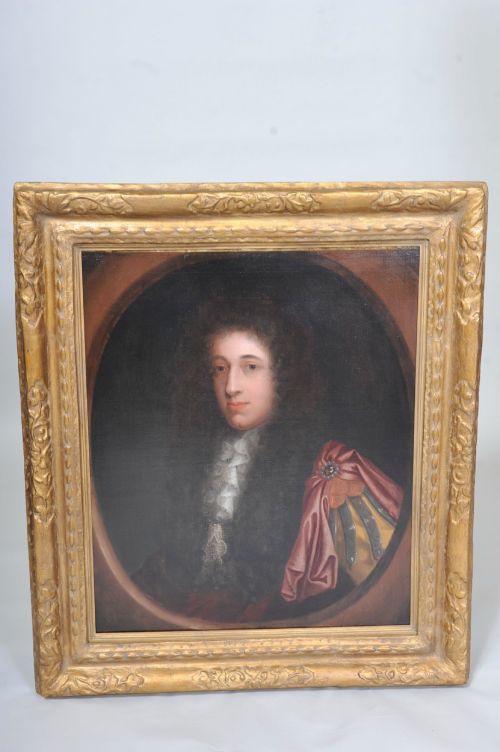
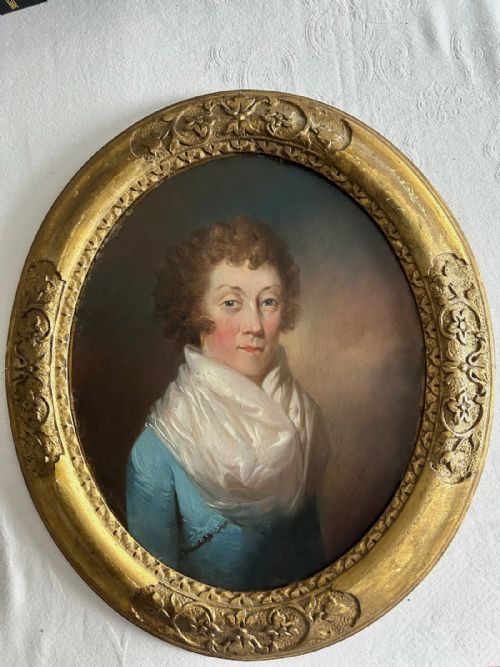
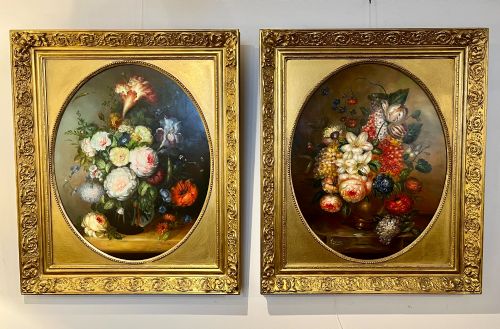
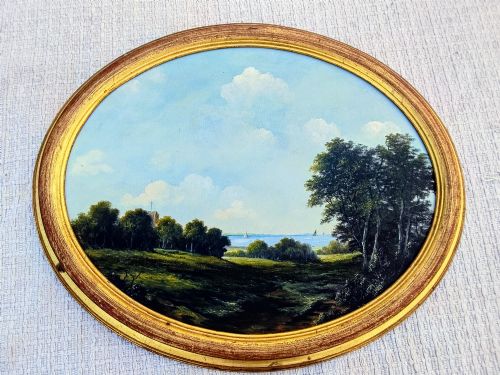
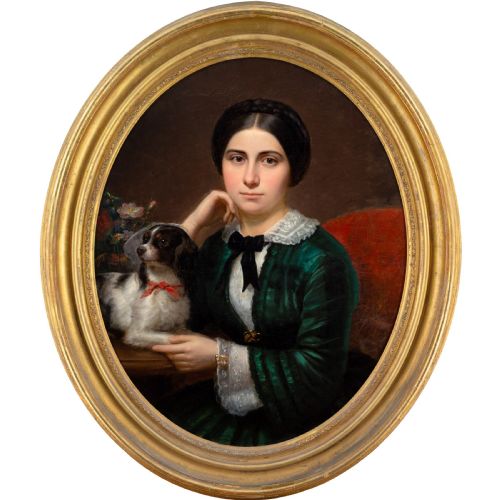
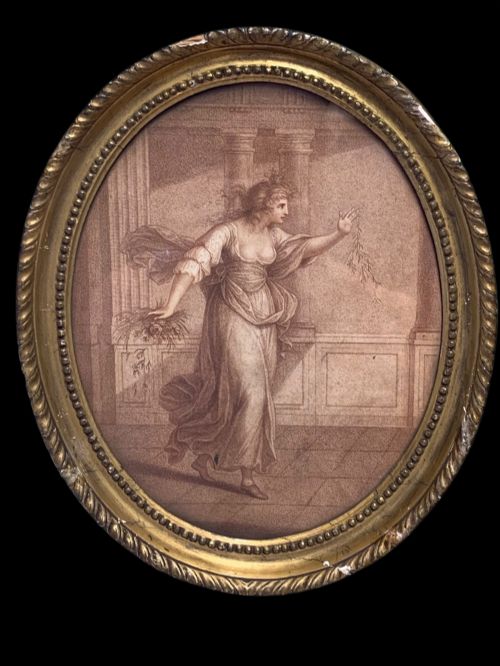
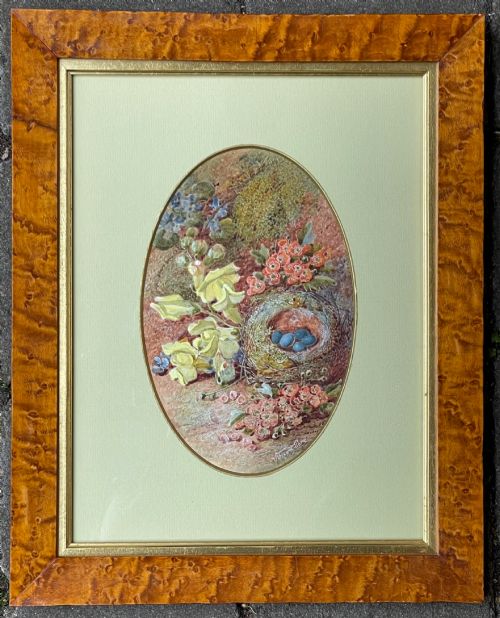
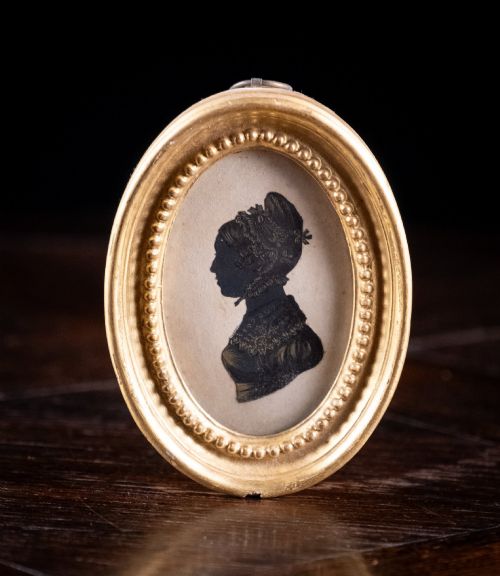
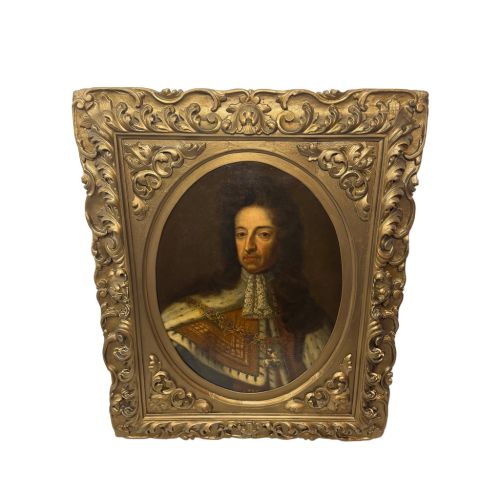
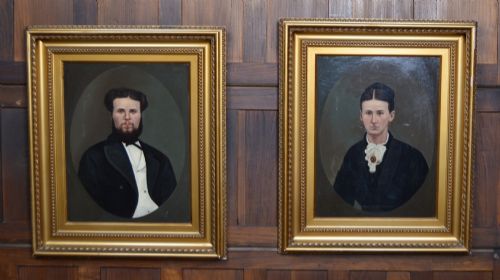
These pieces of oval framed wall artwork bring centuries of portraiture and still life into domestic interiors through curved timber and glass.
Oval Framed Wall Artwork
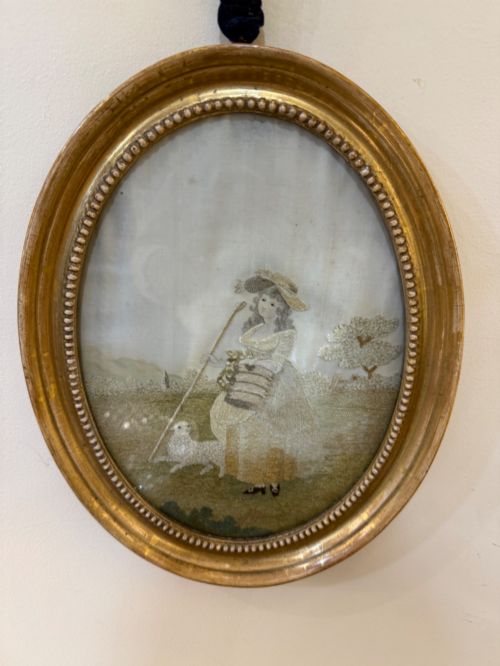
When buyers search for oval framed wall artwork, they encounter a diverse selection of historic portraits, still life compositions, and pastoral scenes enclosed within curved boundaries. These pieces span from the seventeenth century through the early twentieth century, encompassing periods such as the Georgian, Regency, and Victorian eras.
Origins vary from British and French schools to Dutch styles and Italian influences, demonstrating how artists adapted rectangular compositions to the softened geometry of an oval aperture. Buyers select these items to introduce historic character and intimate scale to wall spaces.
Materials and construction methods
Makers constructed these works utilising traditional media including oil paint, watercolour, pastel, pencil, and print on paper, canvas, or board. Frames were fashioned from timber, often enhanced with gold leaf, giltwood, red lacquer, or mother of pearl and abalone inlay.
Glazing with glass protected delicate works on paper, silk, and miniature painting from atmospheric degradation. Joiners and framers shaped wood specifically to fit curved apertures, applying finishes like ebonisation or gilding to complement the artwork within.
Listings include items spanning the 17th, 18th, 19th, and 20th centuries, utilising canvas, paper, wood, glass, and gold leaf.
Distinctions in quality
The construction and originality of the frame also dictate value, with hand-carved giltwood or period ebonised surrounds matching the exact age of the artwork outperforming later replacements or mass-produced substitutes.
John Smith·G. Kneller·Dumini Leopoldo·Vincent Clare·John Russell R.A.·Pieter Borseler·Jeremiah Davison·Louis Icart·Allan Ramsay·John Taylor·Raphael·J Bizo·Costantino Frixione
The Oval Framed Wall Artwork Glossary
- Giltwood
- Wood carved and coated with a thin layer of gold leaf or gesso and gold paint. This finish creates a reflective surface frequently utilised on decorative historic frames.
- Portrait miniature
- A small, highly detailed painting executed on vellum, card, copper, or ivory. These portable likenesses gained popularity during the sixteenth century and persisted into the Victorian era.
- Plumbago
- A drawing executed in graphite, taking its name from the Latin word for lead ore. Artists utilised this medium for monochrome portraiture during the seventeenth and eighteenth centuries.
- Stipple engraving
- A printmaking technique where an image is formed by a multitude of small dots applied to a copper plate. This method allowed printmakers to achieve subtle tonal gradients resembling chalk drawings.
Oval Framed Wall Artwork: Frequently Asked Questions
How do I hang heavy oval framed pieces safely?
Heavy frames require sturdy picture hooks screwed directly into wall studs or appropriate wall anchors. Utilising two fixing points on either side of the frame distributes weight evenly and prevents tilting.
Ensure the hanging wire or integrated rings on the back are structurally secure before mounting. Period frames often feature delicate wooden mouldings that should not bear the entire load without proper backing support.
Are these artworks watercolours or oil paintings?
The inventory encompasses both mediums, alongside pastels, silk embroideries, cut paper, and printed reproductions. Oil paintings are typically executed on canvas or board and lack glass protection, whereas works on paper, such as watercolours and pastels, sit behind glazed frames to prevent surface damage.
Examining the texture under natural light reveals the brushstrokes of oils or the matte finish of pigments on paper. Labels or dealer descriptions further clarify the exact medium utilised by the artist.
How do I clean antique frames without damage?
Dust giltwood and timber frames gently with a soft, dry brush or a feather duster to remove surface particles. Avoid liquid cleaners, chemical sprays, or abrasive cloths that can strip historic gilding or discolour aged wood.
If the glass requires cleaning, apply a small amount of glass cleaner to a cloth rather than directly onto the piece. This prevents liquid from seeping past the rebate and damaging the artwork behind.
How can I identify the age of an oval frame?
Age is determined by timber type, joinery techniques visible on the reverse, and the composition of the gesso or gilding. Earlier frames from the seventeenth and eighteenth centuries often exhibit hand-carved wooden mouldings and pegged corners.
Twentieth-century reproductions frequently utilise modern adhesives, uniform machine-cut profiles, or synthetic finishes. Comparing the construction methods of the frame with the period of the internal artwork provides reliable dating context.