
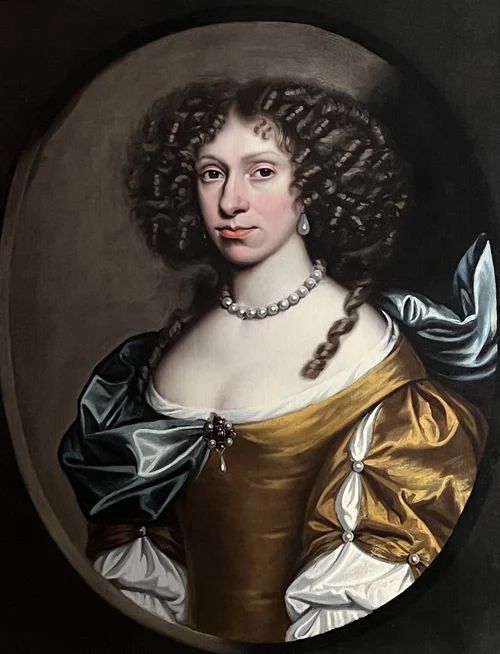

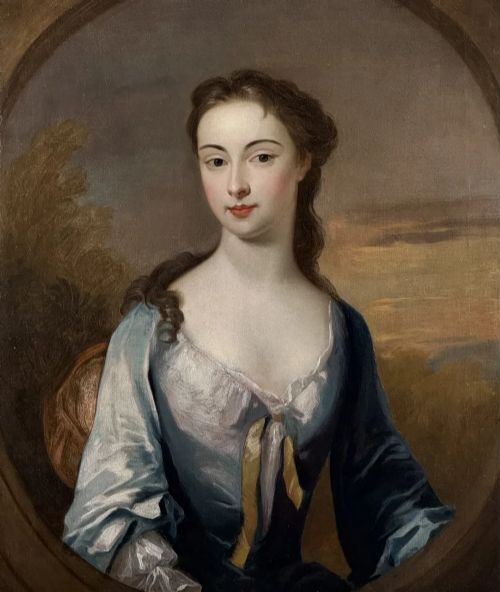
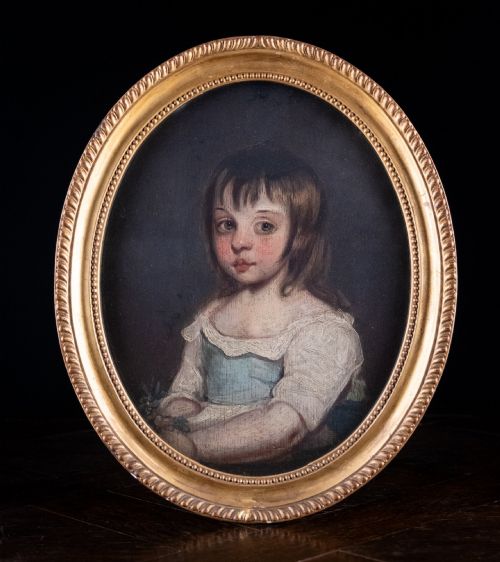
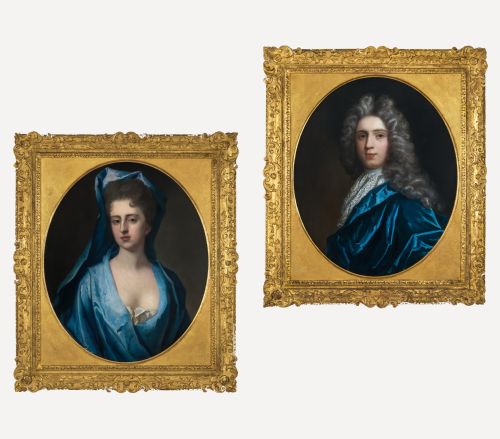

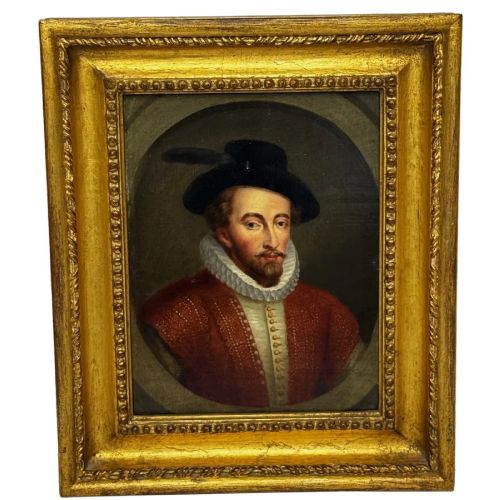
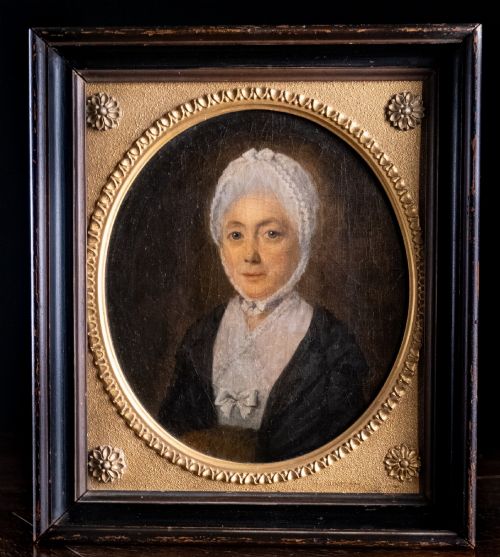
Oval Canvas Oil Painting
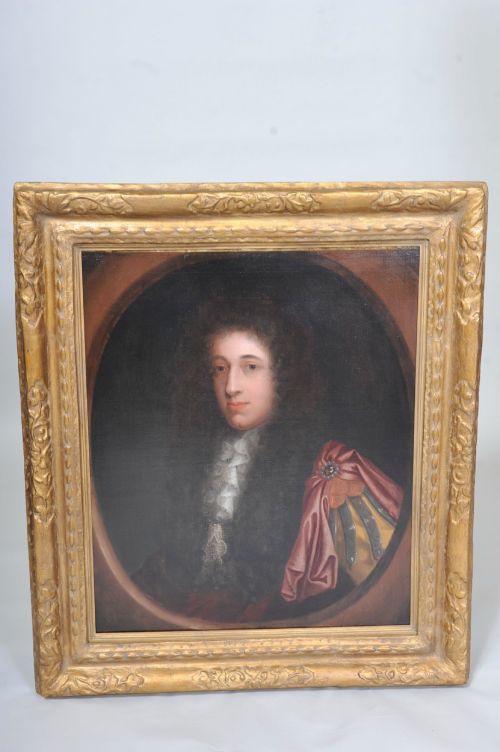
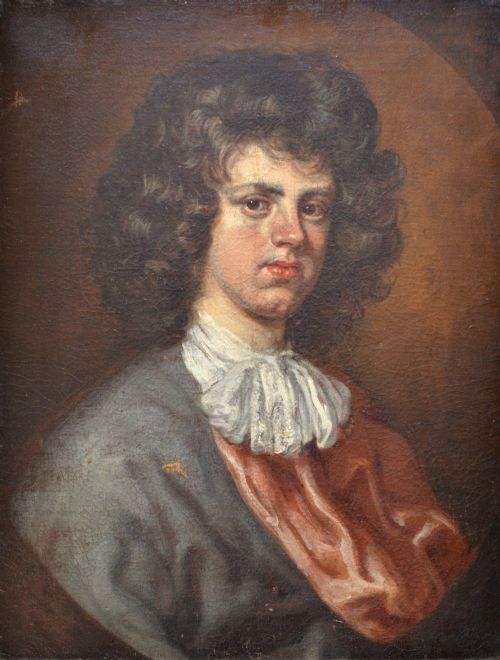
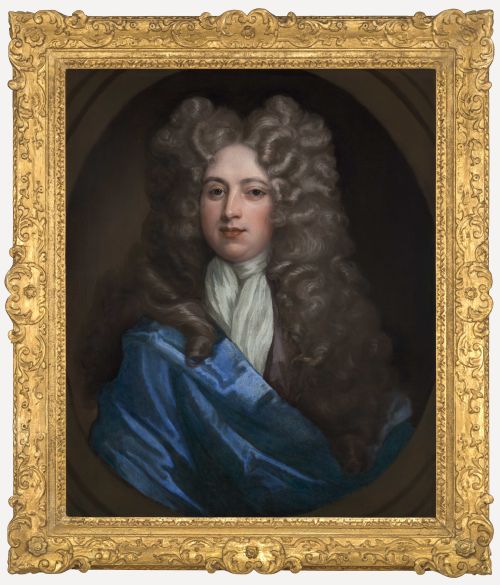
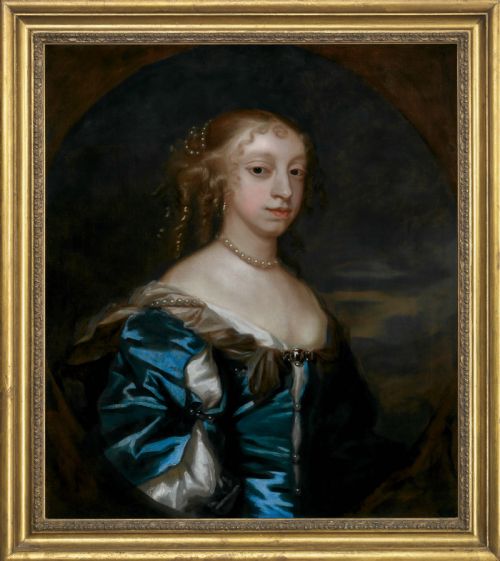
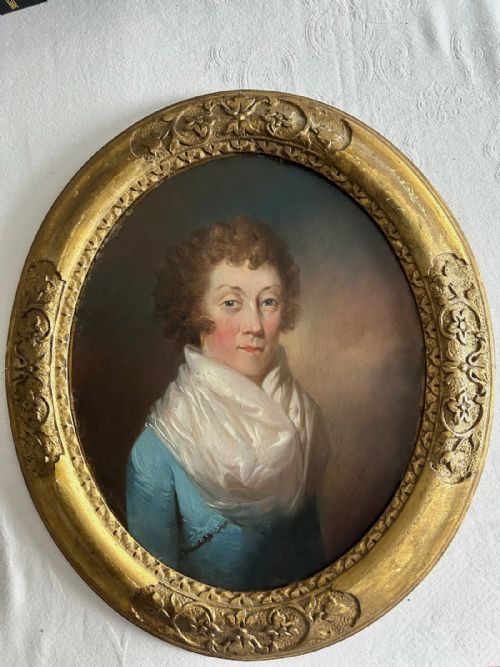
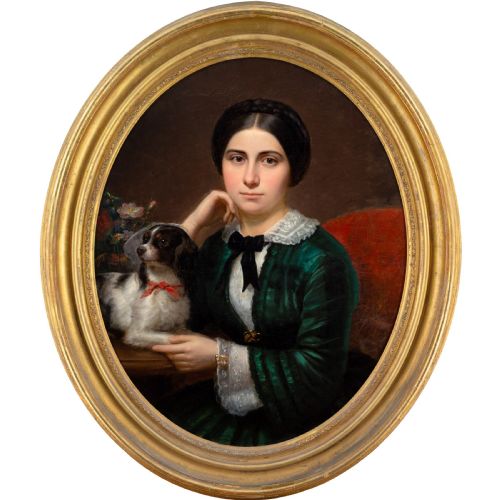
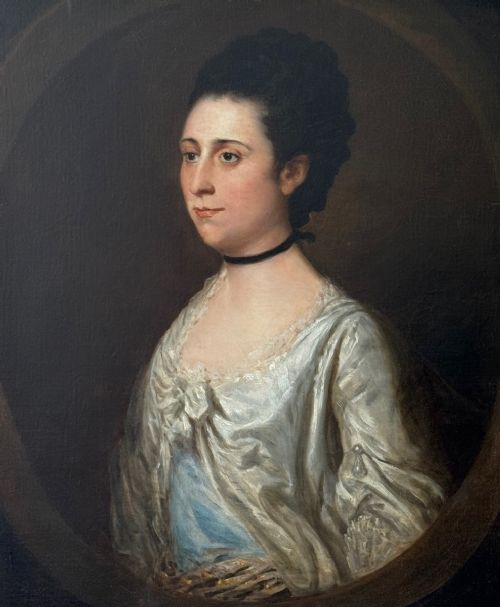
When you search for an oval canvas oil painting, you find historical portraits and landscapes framed by their distinctive curved format.
Oval Canvas Oil Painting
An oval canvas oil painting brings together curvilinear stretcher frames and oil pigment, a format chosen by artists across the seventeenth, eighteenth, and nineteenth centuries to soften compositions.
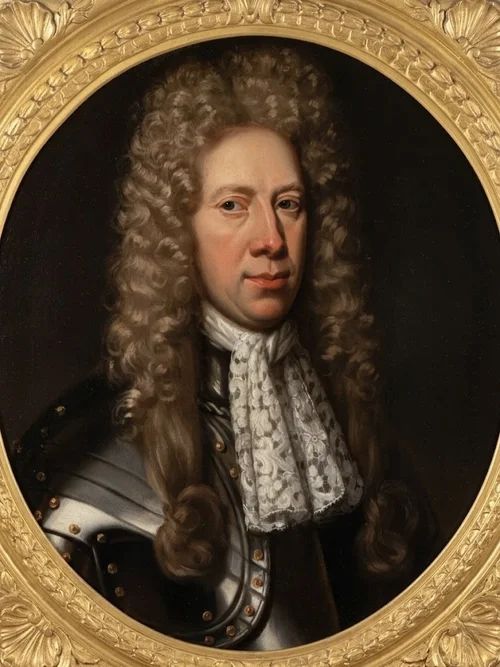
The pieces on this page are predominantly historical portraits depicting gentlemen, ladies, and children, alongside occasional landscapes and still-life studies.
Originating from British, European, and French schools, these works span periods from the seventeen-hundreds through the Regency and Victorian eras up to nineteen-sixty.
Materials and technique
Artists painted in oil on stretched canvas, often mounted to custom-curved wooden stretcher frames designed to maintain the tension required for an oval format.
Many of these works are housed in period surrounds constructed from giltwood, gold leaf, or gilded wood, which complement the shaped canvas.
Makers applied pigments and glazes in layers, utilising techniques characteristic of academic and regional European schools from the seventeenth century onward.
Listings feature works spanning the seventeenth century through to nineteen-sixty, executed in oil on canvas with giltwood frames.
Assessing quality
Quality rests in the handling of facial expression, drapery, and anatomical proportion by the painter, distinguishing master works from workshop output.
The integrity of the canvas and the preservation of the original giltwood frame significantly influence the standing of a piece.
Provenance and attribution to documented portraitists elevate specific canvases above anonymous school pieces.
David Scougall·Dumini Leopoldo·Charles Jervas·Michael Dahl·Thomas Murray·Mary Beale·John Scougall·Thomas Beach·Allan Ramsay·Jacob Philipp Hackert·Pieter Borseler·Joseph Vivienne·Jeremiah Davison·Arthur Percy Dixon·William Millar·Arthur William Devis·Costantino Frixione
The Oval Canvas Oil Painting Glossary
- Stretcher
- The wooden frame that holds a canvas taut. Curved corners require specialised joinery to maintain the oval geometry.
- Giltwood
- Wood decorated with gold leaf or gold paint. It frequently forms the heavy, ornate frames designed specifically for oval portraits.
- School
- A group of artists working in a similar style, region, or period, often used in attributions when an exact individual maker is unconfirmed.
- Periwig
- A voluminous man's wig popular in seventeenth-century fashion, frequently observed in the portraiture of that era.
Oval Canvas Oil Painting: Frequently Asked Questions
Why use an oval canvas?
Artists selected oval formats to create intimate compositions, drawing the viewer's eye naturally toward the centre of a portrait.
The curved boundary removes sharp corners, softening the appearance of sitters and integrating decorative frames more harmoniously into domestic interiors.
How do I date a portrait?
Costume, hair styling, and framing materials offer the most reliable clues for determining the period of execution.
Details such as periwigs, lace collars, and specific cuts of fabric align closely with the reigning fashions recorded across the seventeenth and eighteenth centuries.
Are these paintings restored?
Historical canvases frequently undergo conservation to address the natural ageing of oil paint and canvas.
Professional intervention preserves the underlying structure and pigment stability without compromising the integrity of the original brushwork.
How should I hang an oval painting?
Oval frames require secure wall fixings that match the weight of dense giltwood surrounds.
Consider eye-level placement where the unique geometry of the frame can be appreciated without competing with rectangular furniture or architectural lines.