



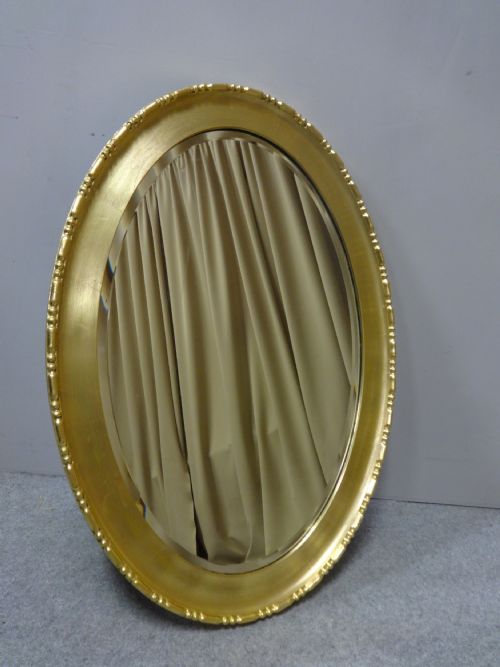


Oval Brass Framed Mirror
An oval brass framed mirror brings warmth and reflection to a room, offering graceful curves and polished metal that suit both traditional and modern spaces.
Oval Brass Framed Mirror
When you search for an oval brass framed mirror, you encounter wall-mounted looking glasses shaped by curved brass frames that date from the nineteenth century through the early twentieth century. These pieces range from simple Victorian designs to more elaborate continental interpretations and British reform movements.
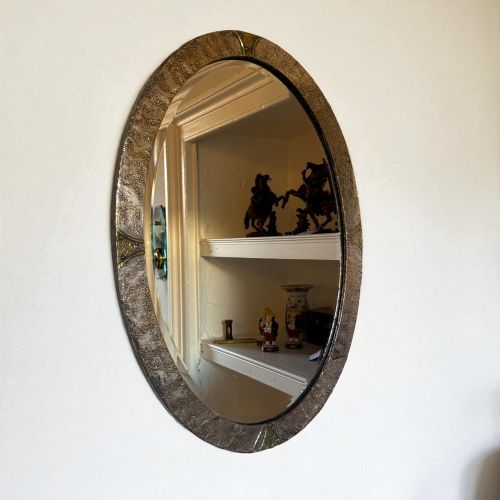
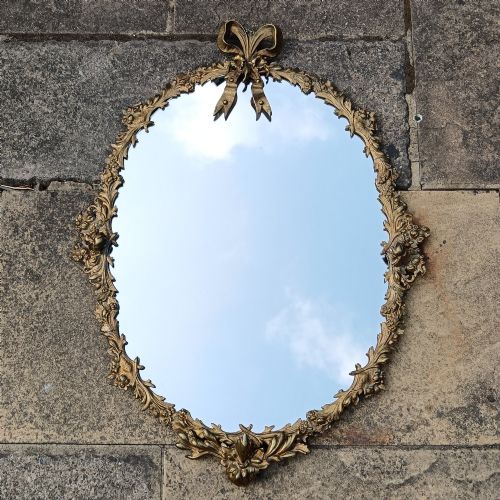
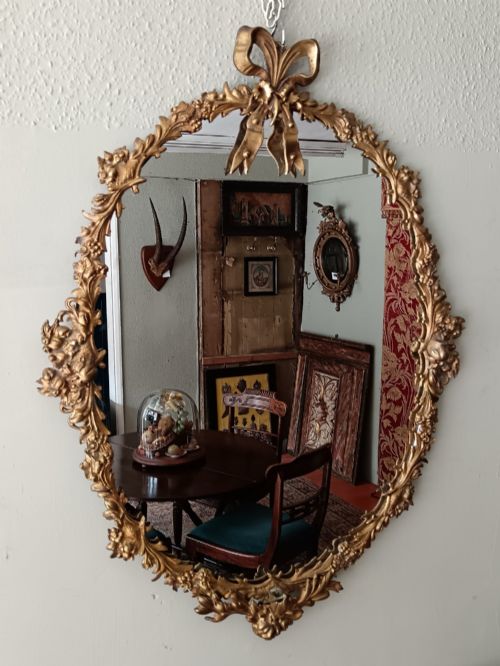
The versions you are most likely to meet on this page include simple Victorian and Edwardian brass frames alongside distinct Arts and Crafts interpretations featuring hammered details. French examples in gilt bronze also appear, alongside Regency style models that lean towards classical restraint.
Makers and workshops from periods such as the Regency, Victorian era, and Edwardian decades utilised brass, gilt bronze, and ebonised wood to create these wall mirrors. Each piece relies on the contrast between polished metal and glass to brighten dark hallways and principal rooms alike.
How they were made
Makers constructed these frames using sheet brass, cast gilt bronze, and wooden carcases overlaid with metal, employing techniques like hand-hammering for decorative texture. Arts and Crafts examples often display visible tool marks on the brass surface that record the hand of the artisan.
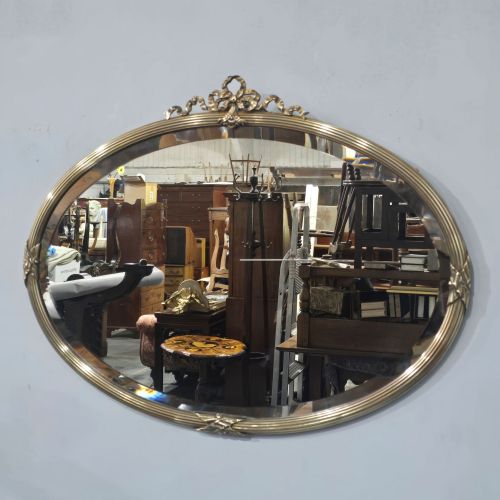
Glass plates within these frames frequently feature bevelled edges, reflecting light at angled planes and adding depth to the mirror glass. Backings typically consist of timber boards secured with traditional fixings to protect the silvered mirror plate within.
Oval Brass Framed Mirror Retail Price Guide 2026
Typical asking prices for oval brass framed mirror among the pieces listed under this phrase on Sellingantiques today, from the lower quarter to the upper quarter. They describe what is for sale here now, not the wider market.
Some Arts and Crafts frames feature cheeky brass peacocks keeping watch over your reflection.
What varies in quality
The calibre of an oval brass framed mirror rests in the weight of the metal, the crispness of any chased or hammered decoration, and the clarity of the original glass plate. Heavier gauge brass and deeply modelled frames indicate superior construction and greater attention to detail.
Subtle differences in proportion and the integration of motifs like peacocks or classical appliques separate standard production from more ambitious workshop pieces. Original bevelled glass and untouched patination on the brass further distinguish the finest examples.
The Oval Brass Framed Mirror Glossary
- Bevelled glass
- Glass with an edge ground and polished to an angle thinner than the rest of the plate. This creates a framed effect within the glass itself and refracts light.
- Gilt bronze
- An alloy of copper and zinc coated with a thin layer of gold, commonly used in French decorative arts. It provides a rich, durable metallic surface that resists tarnishing.
- Arts and Crafts
- A design movement valuing handcraftsmanship and simple forms over mass production. Pieces from this tradition often feature hammered metal surfaces and stylized motifs.
- Napoleon III
- A French stylistic period spanning the mid-nineteenth century, known for eclectic revivals and dark ebonised finishes. Mirrors from this era often combine heavy frames with restrained classical details.
Oval Brass Framed Mirror: Frequently Asked Questions
Can I polish the brass frame?
Light dusting is generally sufficient to maintain the surface, though some owners prefer to leave the aged patina untouched. If you choose to clean the metal, use a non-abrasive brass cleaner applied with a soft cloth, taking care not to touch the glass.
Avoid harsh chemical dips that strip away the historical darkening and character accumulated over the decades.
Are these mirrors suitable for bathrooms?
While these pieces function well in many rooms, high humidity environments can accelerate corrosion on vintage brass and degrade the silver backing of older mirror glass. Placing them in drier hallways or reception rooms helps preserve the materials.
Ventilation is key if you choose to place an antique mirror in a damp space to prevent moisture from creeping behind the glass plate.
How do I date an oval brass mirror?
Dating relies on examining the construction of the frame, the type of screws or fixings used at the back, and stylistic indicators such as Arts and Crafts hammering or Regency classical motifs. The character of the glass, including slight imperfections and hand-bevelling, also offers clues.
Comparing the manufacturing methods against known nineteenth and early twentieth-century examples helps narrow down the period of production.