



Outdoor Pub Table
An outdoor pub table brings enduring industrial character to a terrace or garden, offering a sturdy surface designed to withstand the elements.
Outdoor Pub Table
When you search for an outdoor pub table, you encounter robust utility pieces designed for hospitality and domestic use. These surfaces combine heavy metal bases with resilient tabletops suited for daily exposure.
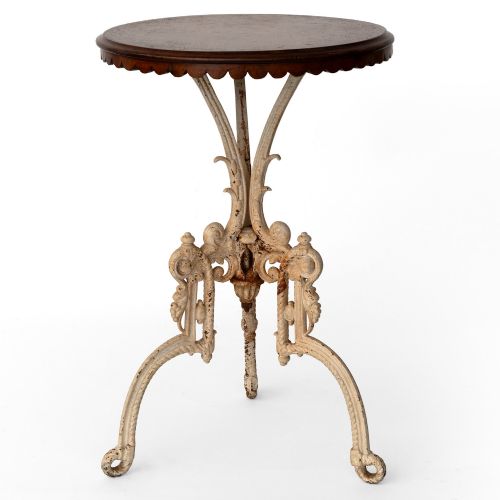
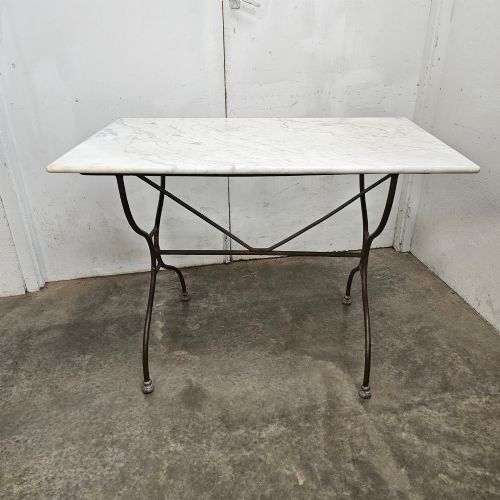
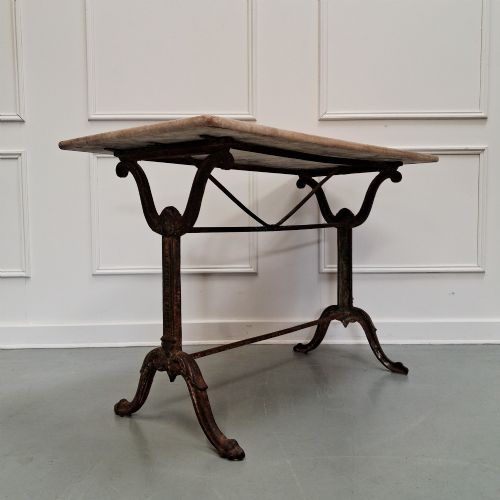
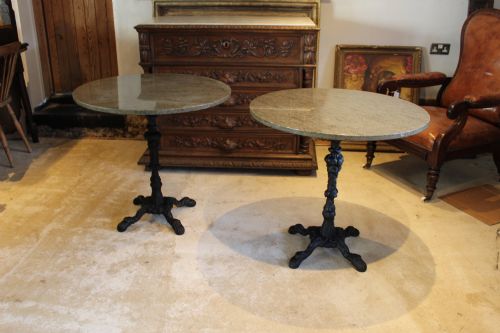
The selections on this page predominantly feature Victorian and nineteenth-century examples alongside French bistro forms. You will frequently find pieces combining cast iron frames with stone or timber tops.
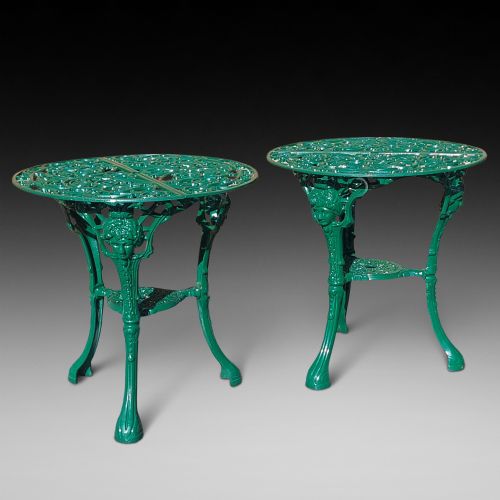
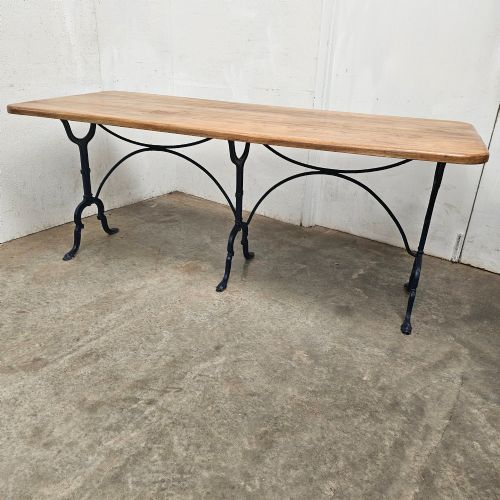
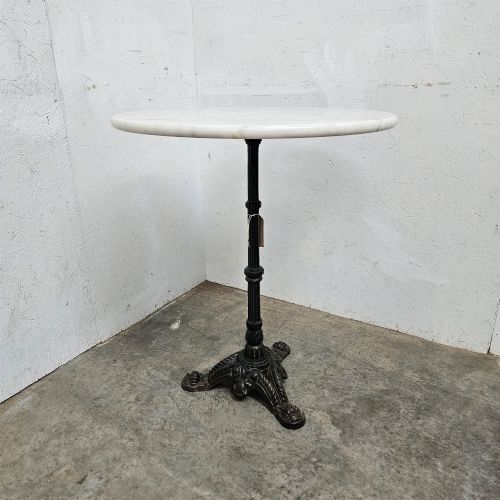
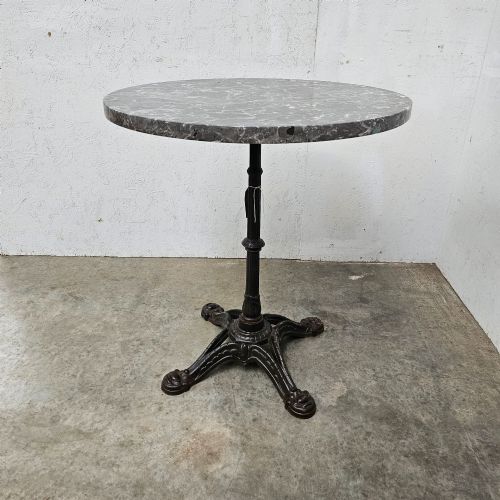
Common configurations include round garden tables, long dining formats, and smaller cafe variants. Their origins span English and French workshops of the nineteenth and early twentieth centuries.
Materials and construction
Foundries utilised durable cast iron for bases, moulding intricate legs and pedestals that provided substantial weight and stability. This metalwork often incorporates decorative pierced patterns or structural branding typical of period manufacturing.
Tabletops paired with these frames rely on weather-resistant materials such as white marble, grey marble, polished granite, elm, cedar, and general wood. These surfaces were selected for their resilience against regular use and outdoor conditions.
Outdoor Pub Table Retail Price Guide 2026
Typical asking prices for outdoor pub table among the pieces listed under this phrase on Sellingantiques today, from the lower quarter to the upper quarter. They describe what is for sale here now, not the wider market.
Many a cast iron base still carries the faint ghost of a nineteenth-century brewery's name beneath layers of old garden moss.
Assessing quality and craftsmanship
Quality in these pieces rests upon the crispness of the cast iron moulding and the integrity of the tabletop material. Finer examples display sharper detail in the metalwork and well-fitted stone or timber inserts without excessive wear.
The proportion and balance of the base relative to the top determine the overall success of the piece. Superior specimens maintain structural harmony alongside genuine age in both the metal frame and the working surface.
The Outdoor Pub Table Glossary
- Cast iron
- An iron-carbon alloy poured into moulds to create heavy, rigid structural components. This material forms the primary support structure for the tables on this page.
- Britannia table
- A nineteenth-century pub table featuring a heavy cast iron pedestal base, often associated with British brewing heritage. These pieces frequently incorporate sturdy wooden or stone tops.
- Bistro table
- A small cafe or dining table originating in France, designed for compact spaces inside and outside establishments. They combine metal bases with marble or timber surfaces.
- Elm
- A dense, tough timber used for tabletops due to its resistance to splitting and its distinctive grain pattern. It provides a robust surface for utilitarian furniture.
Outdoor Pub Table: Frequently Asked Questions
Can these tables stay outside?
Cast iron bases and stone tops handle outdoor environments well through seasonal changes. Timber elements require more attentive care to protect the wood from persistent moisture.
Storing wooden tops under cover during harsher months preserves the original finish and material integrity.
How do I clean a marble top?
Warm water and a mild, non-abrasive soap suit stone surfaces best. Avoid acidic cleaners that etch polished marble.
Dry the surface thoroughly after washing to prevent water spotting and maintain the stone's sheen.
Are these tables heavy?
Cast iron frames contribute significant weight to ensure stability on uneven ground. This density makes the pieces robust in outdoor settings.
Two people are usually required to move longer or stone-topped variants safely.
How do I date an iron base?
Mould seams, foundry marks, and the complexity of the cast ornamentation offer clues to the era of production. Victorian and nineteenth-century examples show particular casting techniques distinct from later reproductions.
Examining the underside of the top often reveals the method of attachment used by period makers.