



Outdoor Porch Lights
These outdoor porch lights bring period character to an entrance, spanning designs from Victorian gas conversions to Edwardian copper fixtures.
Outdoor Porch Lights
When searching for outdoor porch lights, buyers encounter a variety of forms including hanging lanterns, wall lights, pendant lights, and wall sconces. These fixtures originate from periods such as the Victorian era, the Edwardian period, and the early 20th century up to 1930.
Many specimens trace back to practical beginnings, such as garden and outside lanterns converted from gas. These pieces offer genuine historical utility for domestic exteriors.
How they were made
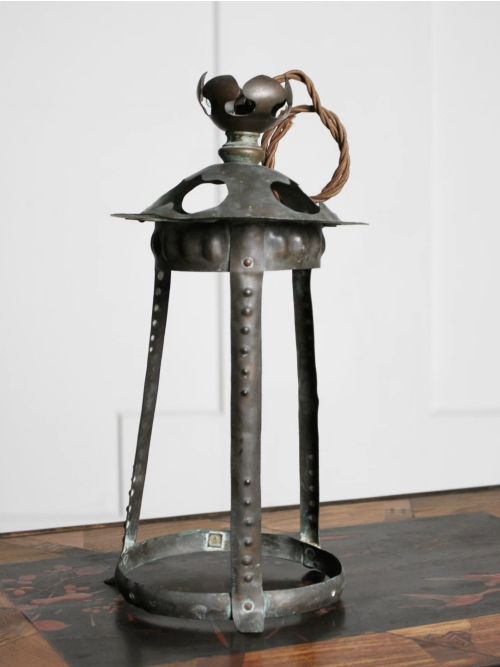
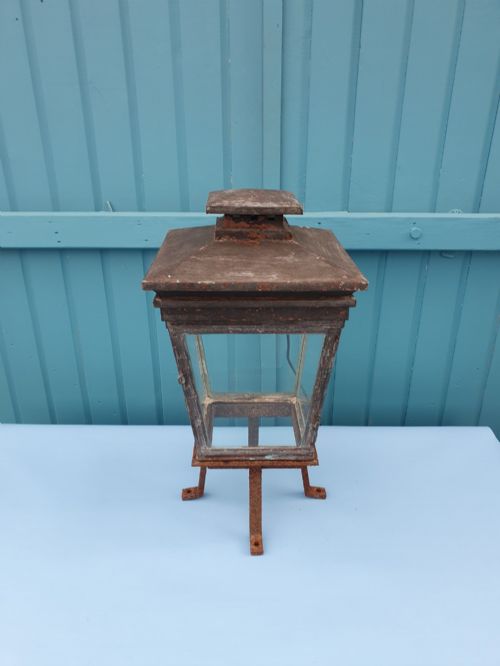
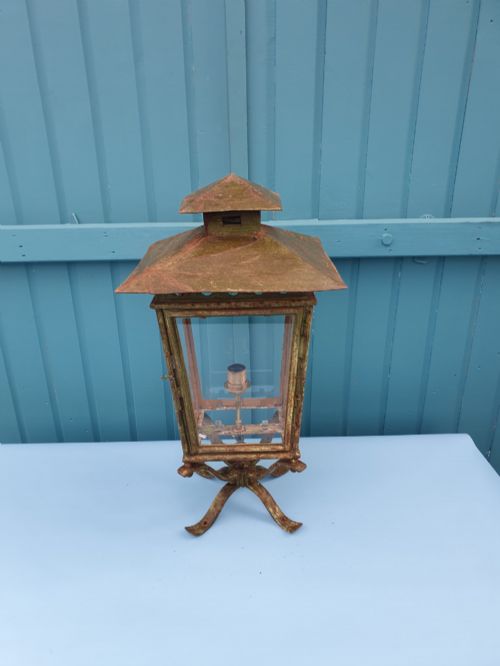
Construction relies heavily on metals combined with glass panels, utilising materials such as copper, brass, wrought iron, iron, steel, and zinc. Some fixtures also incorporate painted metal surfaces and frosted glass to diffuse illumination.
Makers shaped these metals into robust housings designed to withstand exterior conditions. Assembly methods include riveted or soldered joints holding the various glass panes securely within the metal frames.
Outdoor Porch Lights Retail Price Guide 2026
Typical asking prices for outdoor porch lights among the pieces listed under this phrase on Sellingantiques today, from the lower quarter to the upper quarter. They describe what is for sale here now, not the wider market.
Styles include Gothic Revival, Arts and Crafts, Industrial, and French Beaux-Arts.
What varies in quality
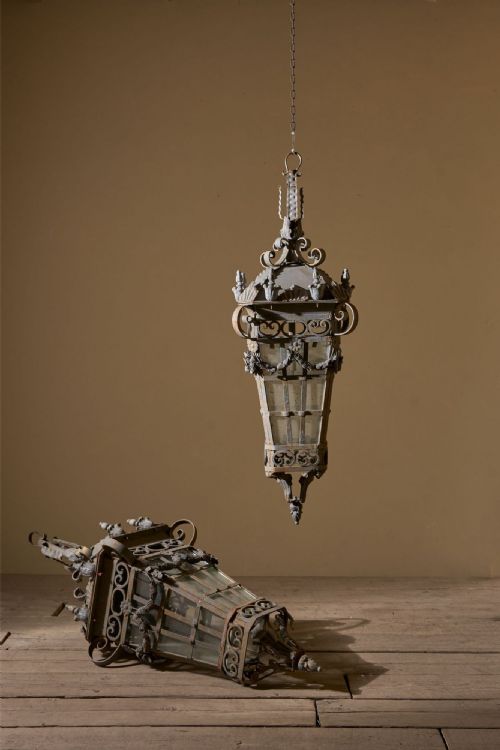
Quality shows in the substance of the metalwork and the complexity of the frame construction, whether cast in bronze or fabricated from sheet copper and iron. Heavier gauges of metal and intricate detailing, such as decorative shamrocks or octagonal geometry, distinguish finer examples.
The character of the glass also separates standard utilitarian models from more ambitious designs. Bevelled, frosted, or shaped glass panes integrated into Gothic Revival or French Chateau styles demonstrate superior craftsmanship.
The Outdoor Porch Lights Glossary
- Hanging lantern
- A light fixture suspended by a chain or bracket, designed for exterior porches and entranceways. They provide overhead illumination.
- Wall sconce
- A light fixture fixed directly to a vertical surface, casting light across an exterior wall. These pieces often feature bracket mounts.
- Gas conversion
- A historic lighting fixture originally fuelled by gas and later altered for electrical wiring. This process preserves the original metal casing while updating the internal function.
- Frosted glass
- Glass treated to create a translucent surface that softens the glare from the bulb. It appears frequently in period exterior lanterns.
- Wrought iron
- Iron beaten into shape by hand, known for its fibrous texture and resilience. It lends a sturdy structure to period wall lanterns.
Outdoor Porch Lights: Frequently Asked Questions
Are these lights suitable for modern wiring?
Most historic exterior fixtures are adapted to accept standard modern electrical fittings during restoration. This allows them to function safely on contemporary circuits while retaining their original appearance.
Buyers should consult a qualified electrician to ensure proper installation and weatherproofing for outdoor use.
How do I identify a gas conversion?
Gas conversions often retain internal remnants of burners or distinct supply pipes near the base of the fixture. These adaptations mark the transition from municipal gas lighting to domestic electricity.
Examining the upper collar or mounting point usually reveals where the old gas line connected.
What materials resist outdoor weather best?
Copper, brass, and zinc naturally form protective patinas when exposed to the elements, making them durable choices for exterior placement. Iron and steel require protective coatings or regular maintenance to prevent oxidation outdoors.
The choice of metal often dictates how the fixture ages in an open porch environment.
How do I date an antique lantern?
Dating relies on stylistic clues, manufacturing techniques, and the specific metals employed across different eras like the Victorian period or the 1920s. Arts and Crafts pieces exhibit distinct hand-worked details, whereas Edwardian models often favour polished brass and copper.
Comparing structural forms helps narrow down the decade of manufacture.