


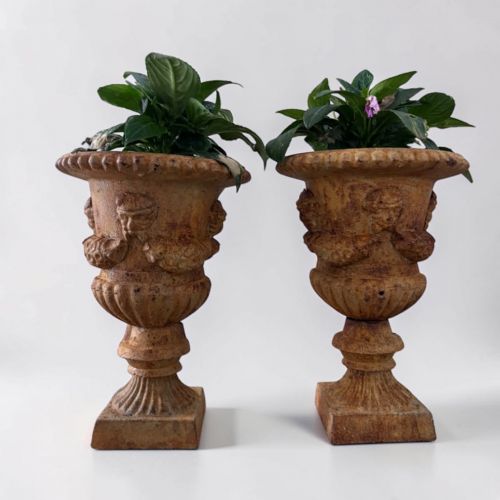

Outdoor Garden Pots
These outdoor garden pots bring classical dignity and rugged utility to lawns, terraces and courtyards, spanning centuries of craftsmanship.
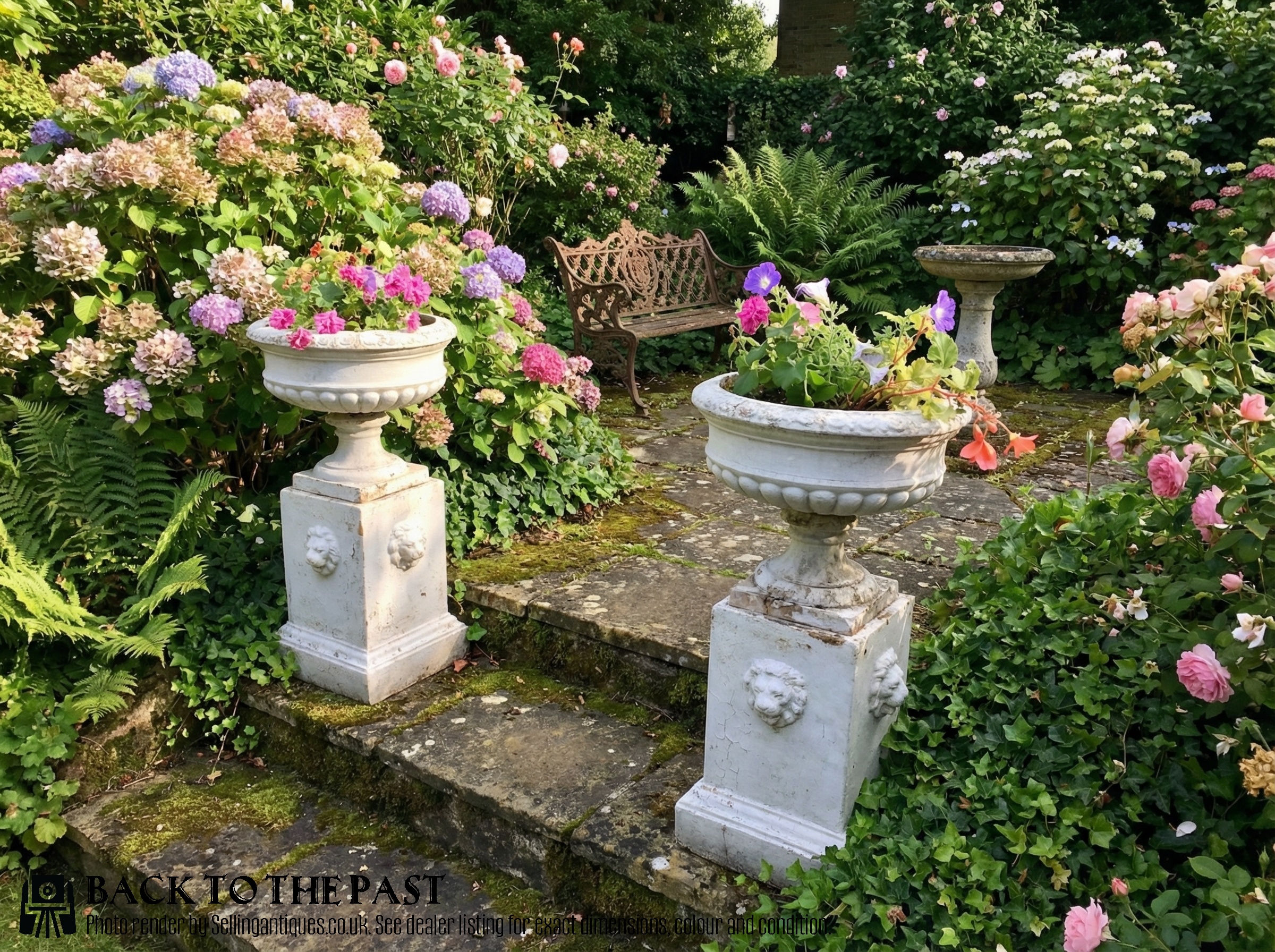
Outdoor Garden Pots
When you search for outdoor garden pots, you encounter a diverse array of vessels designed to hold plants and ornament domestic grounds. The selection spans the nineteenth century through to the mid-twentieth century, encompassing periods such as the Victorian era alongside early twentieth-century decades.
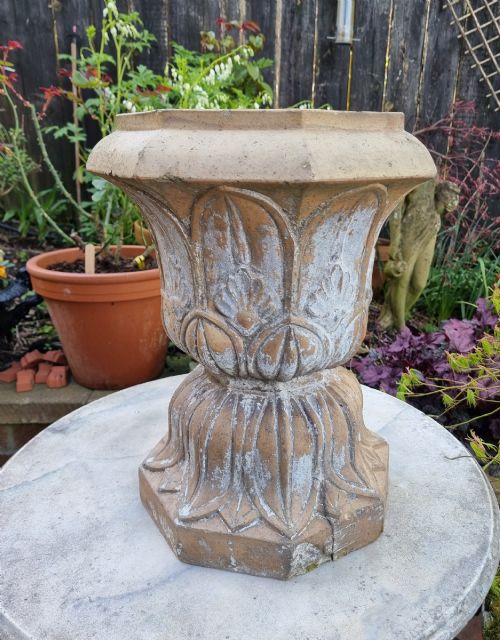
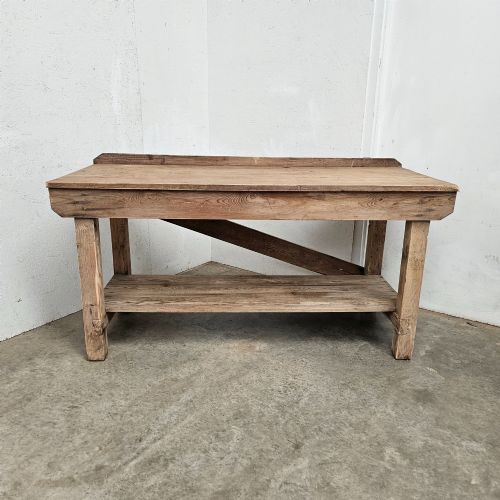
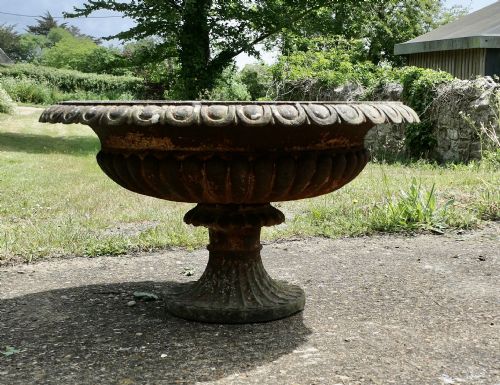
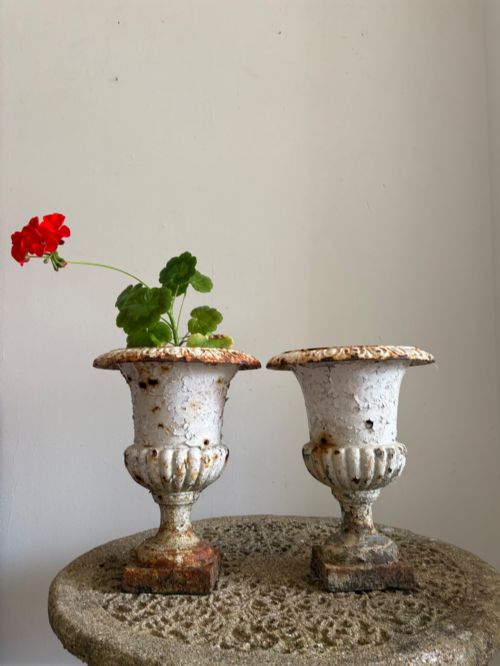
Forms vary significantly, featuring garden urns, planters, troughs, pedestals and potting tables. You will frequently find cast iron campana urns and terracotta vessels among the available pieces, originating from English, French, Scottish and Indian workshops.
Styles range from classical revival and neoclassical forms to gothic revival, french country and rustic country designs. These objects serve as focal points for outdoor spaces, displaying patinated surfaces earned through exposure to the elements.
Materials and construction
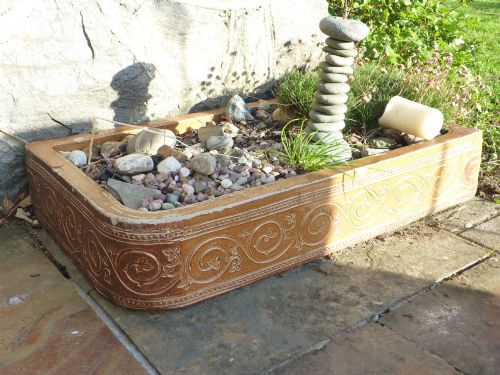
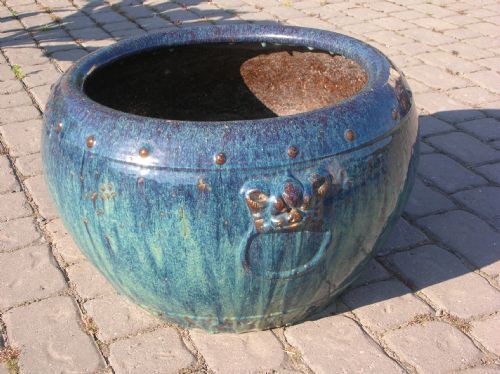
Foundry cast iron forms many of the durable urns and jardinieres, often finished with original paint or developing a natural oxidized surface over time. Terracotta and salt-glazed stoneware provide porous or vitrified alternatives shaped by potters for planting applications.
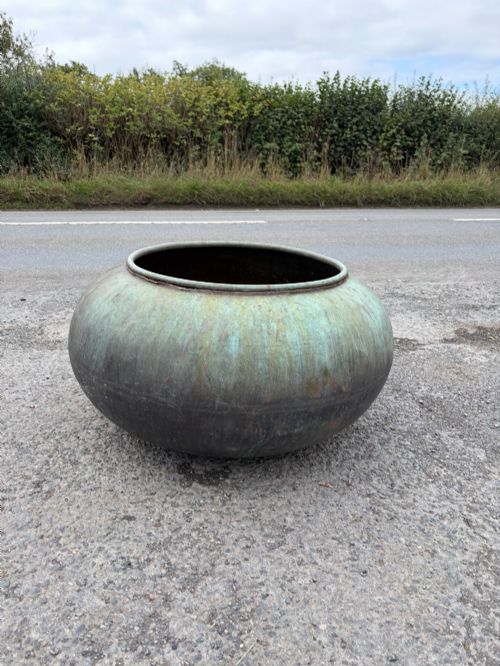
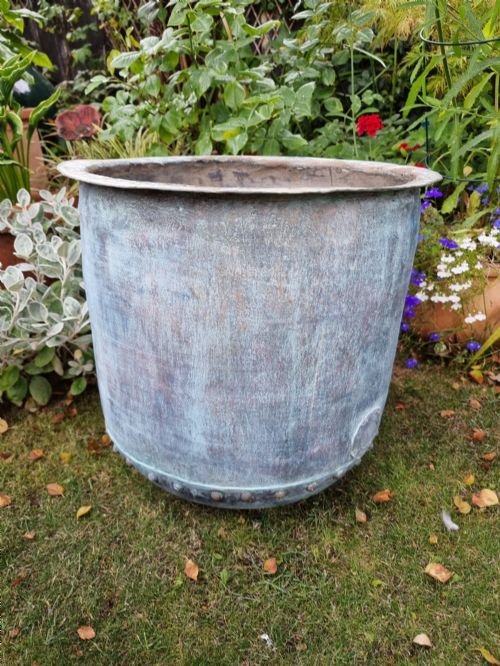
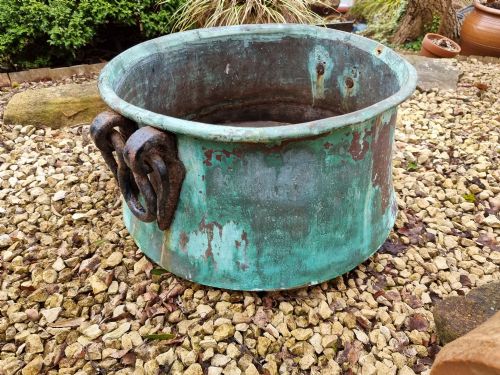
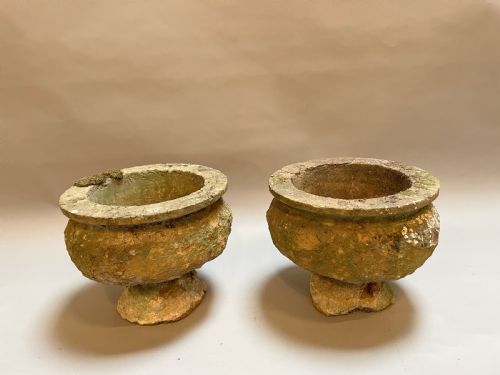
Stoneware and reconstituted stone offer robust masonry alternatives, sometimes shaped into faux bois designs or carved from soft stone and Indian stone. Copper and zinc provide metallic options for display pots and window planter troughs, joined by wrought iron details.
Makers utilised casting, throwing, salt-glazing and metal fabrication techniques suited to the specific medium. Surface treatments such as verdigris finish, applied paint or natural weathering define the exterior appearance of these garden objects.
Materials span cast iron, terracotta, copper, zinc, salt-glazed stoneware and various types of stone across multiple historical periods.
Indicators of quality
The sophistication of the casting work separates standard production from superior examples, particularly in cast iron campana urns where crisp relief detail on foliage and classical motifs indicates superior foundry skill. Original surface treatments and retained early paint layers hold greater merit than stripped or repainted modern metalwork.
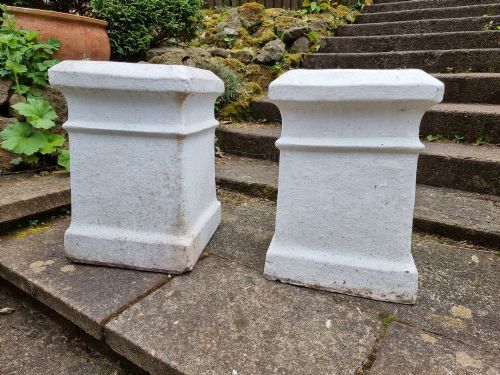
The integrity of the material influences the standing of a piece, whether dealing with well-fired salt-glazed stoneware, robust terracotta or properly patinated copper showing honest oxidation. Complete pairs and matching sets carry distinct advantages over single vessels for symmetrical garden placement.
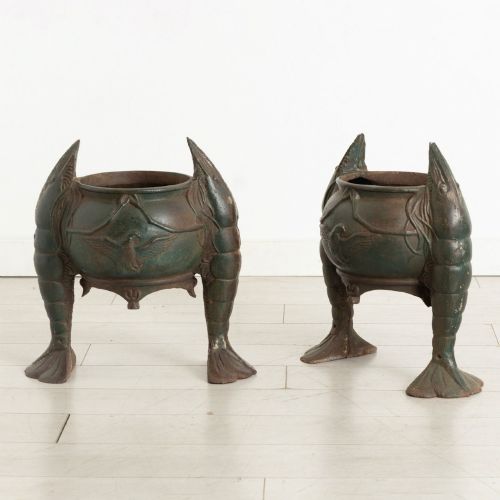
Design ambition and provenance elevate certain items, such as named foundry pieces or unusual forms like shrimp-shaped planters and faux bois strawberry pots. Weight, wall thickness and structural stability across pedestals and plinths reflect the underlying substance of the manufacture.
Andrew Handyside·Guichard Carriès
The Outdoor Garden Pots Glossary
- Campana urn
- A bell-shaped garden vessel with a flaring rim, often mounted on a pedestal base. These classical forms originated in antiquity and recur frequently in nineteenth-century cast iron and terracotta.
- Salt-glazed stoneware
- Pottery that develops a glossy, slightly pitted texture resembling orange peel when common salt is introduced into the kiln during high-temperature firing. This technique creates durable frost-resistant garden vessels.
- Jardiniere
- An ornamental pot or stand designed to hold flowering plants or foliage displays. They appear in ceramic, copper and cast iron across various historical periods.
- Faux bois
- An artistic imitation of wood grain or tree branches applied to materials like stone, concrete or stoneware. This rustic finish became popular for garden ornaments during the nineteenth century.
- Verdigris
- A green patina or crust formed on copper, brass or bronze through atmospheric oxidation over long periods. Garden collectors value this natural weathering for its aesthetic character.
Outdoor Garden Pots: Frequently Asked Questions
What periods do these garden pots represent?
The pieces span from the nineteenth century through the Victorian era up to the mid-twentieth century. You will find items dated across various decades including the 1860s, 1900s and 1930s.
Victorian cast iron and terracotta pieces sit alongside later twentieth-century examples. Each era brings distinct manufacturing methods and stylistic preferences to the garden.
How do I care for cast iron urns?
Cast iron garden vessels require minimal maintenance beyond monitoring surface finishes and ensuring drainage holes remain clear. Heavy iron urns tolerate outdoor exposure well throughout changing seasons.
Protecting the metal with appropriate paint or wax helps preserve original surfaces. Keeping containers raised slightly off damp ground prevents moisture retention at the base.
Are terracotta pots frost resistant?
Older terracotta and salt-glazed stoneware vary in density and water absorption capacity. Porous clay vessels can crack if saturated soil freezes inside them during severe winter weather.
Many gardeners empty vulnerable pots or move them under shelter during freezing months. Salt-glazed pieces generally offer greater resilience against frost damage.