
Outdoor Bench Seat
An outdoor bench seat anchors a garden path or terrace, offering a sturdy place to sit while weathering the seasons in cast iron and timber.
Outdoor Bench Seat
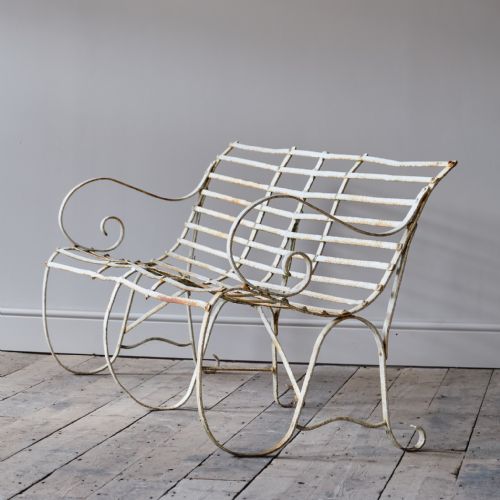
When you search for an outdoor bench seat, you find hard-wearing garden seating designed to endure the elements in metal or wood. The selections here span the nineteenth century up through the nineteen-thirties, ranging from heavy metal frameworks to timber slats.
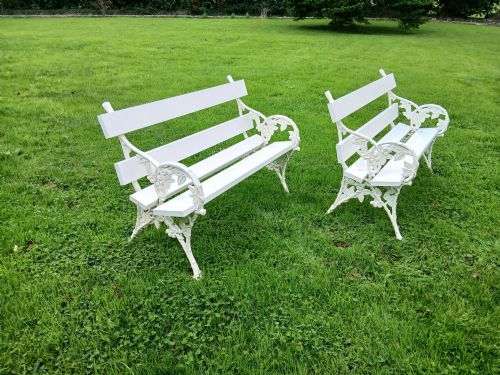
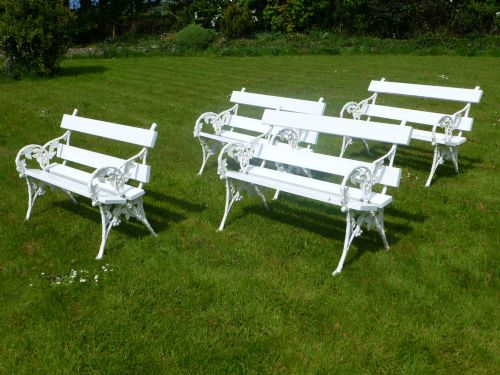
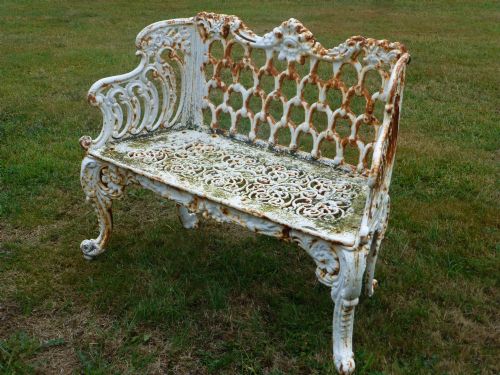
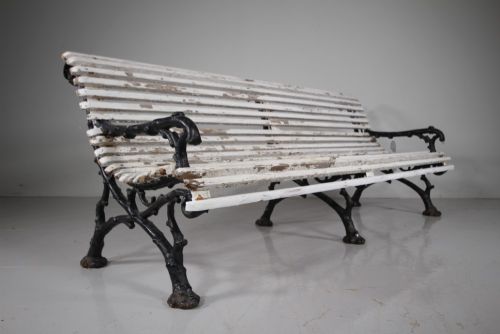
You meet Victorian cast iron examples featuring botanical motifs like blackberry and leaf patterns alongside simpler Edwardian and later teak versions. Forms vary from straight benches and settees to arched arbours and slatted tree seats that wrap around tree trunks.
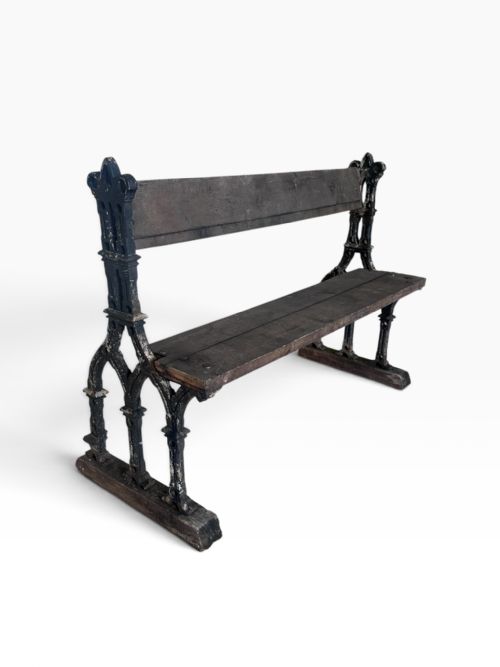
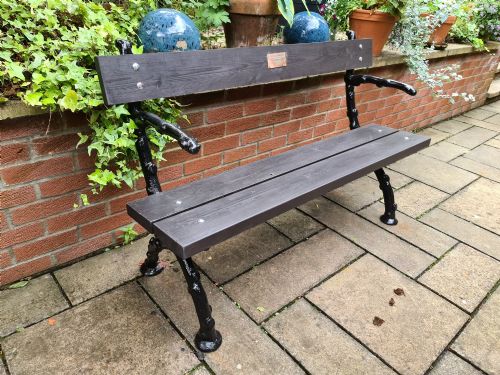
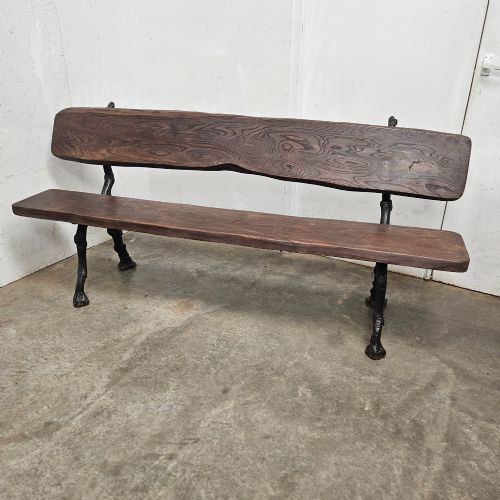
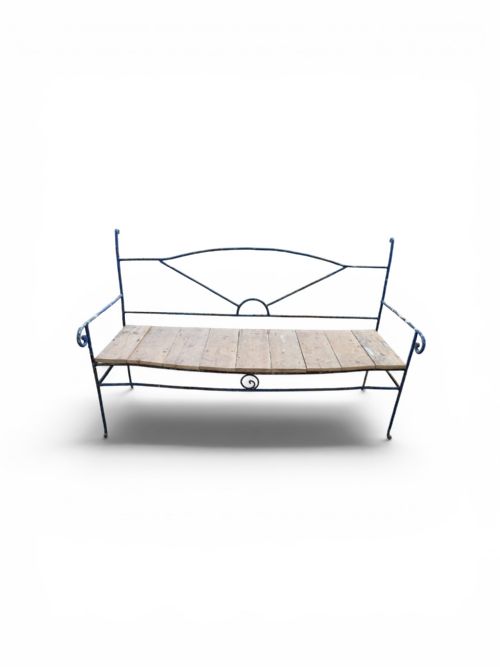
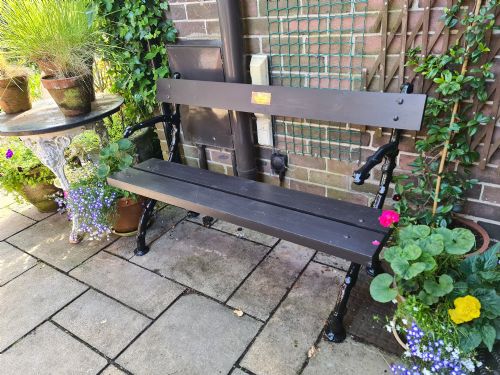
Many pieces combine materials, pairing cast iron ends with wooden slats or combining elm and iron for a faux bois finish. Others include architectural details like canopies or Gothic-influenced ironwork.
Materials and construction
Foundries shaped iron into intricate structural ends using casting and wrought techniques, producing sturdy scrollwork, strapwork, and relief patterns like lion masks or foliage. These metal components often received coats of paint or weathered to a natural patina over decades outdoors.
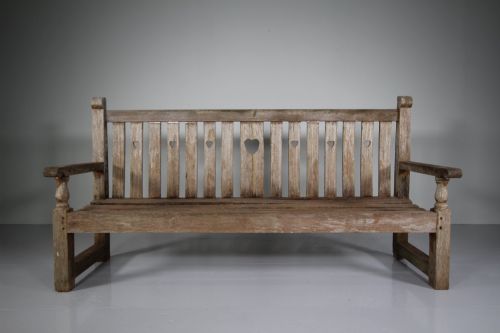
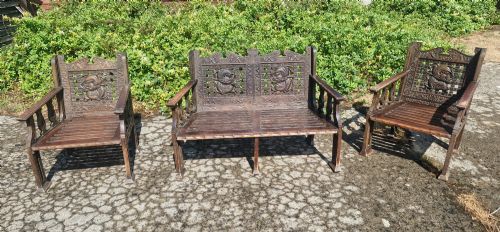
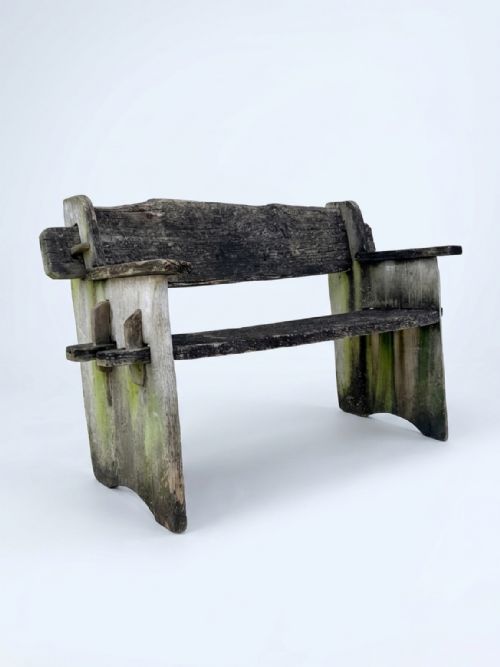
Carpenters and joiners worked with dense timbers such as teak and elm for slats and seats, selecting woods that handle moisture and sun. Wooden elements were joined to metal frames or built entirely from timber, sometimes featuring carved motifs like hearts or rustic bark effects.
Current listings feature nineteenth-century and early twentieth-century designs, utilising cast iron, wrought iron, teak, and painted timber.
Assessing quality and character
Quality shows in the crispness of the foundry casting and the depth of detail in motifs such as leaves, strapwork, or figural masks. Finer metalwork retains sharp edges and balanced proportions, whereas heavier or simpler castings lack that definition.
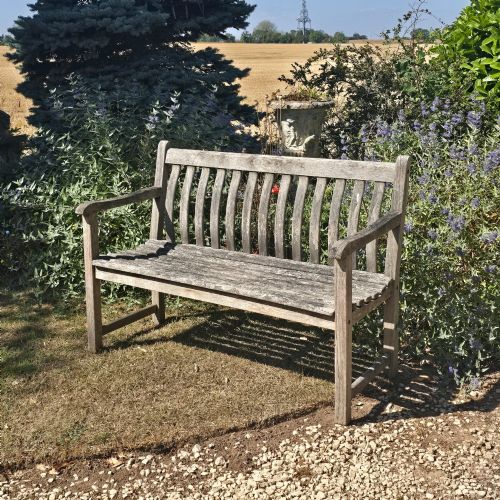
In wooden and hybrid examples, the condition of the timber and the integrity of the joints determine the piece's endurance. Well-weathered teak and sturdy slatted construction demonstrate how effectively the materials have resisted decades of exposure.
Falkirk Carron Foundry·Coalbrookdale
The Outdoor Bench Seat Glossary
- Cast iron
- Molten iron poured into a mould to create rigid, highly detailed decorative ends and frames for garden seats. This material defines much of the nineteenth-century metalwork seen on these benches.
- Faux bois
- A technique imitating wood grain in concrete, metal, or plaster. French makers applied this style to iron benches to create rustic faux bois garden seats.
- Teak
- A dense, oil-rich tropical timber prized for outdoor furniture because it resists rot and weathering. It turns a characteristic silver-grey shade over time.
- Strapwork
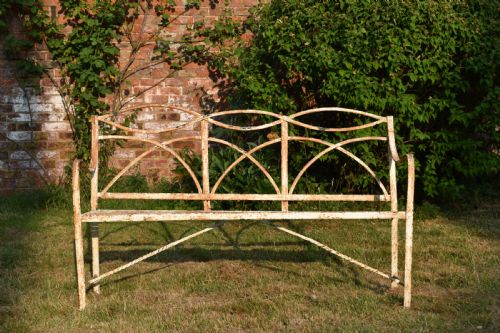
- Flat bands of metal arranged in geometric or interlaced patterns. Regency and Victorian iron benches frequently use this technique for backrests and seats.
- Arbour
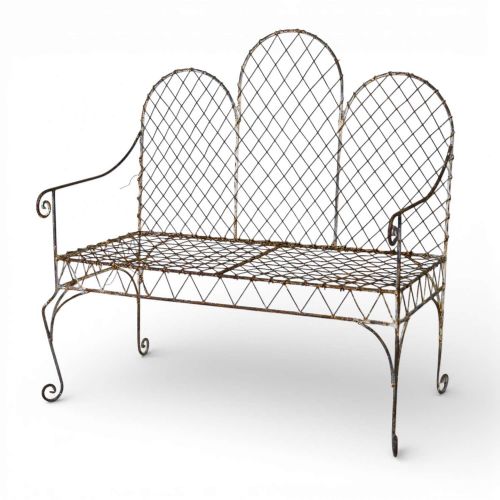
- A shaded garden alcove or seat topped with a lattice structure for climbing plants. Wirework and metal examples provide an architectural focal point in a garden.
Outdoor Bench Seat: Frequently Asked Questions
How do I care for a vintage teak outdoor bench seat?
Teak naturally weathers to a silver-grey finish when left exposed to rain and sun, requiring little more than an occasional wash down with soapy water to remove dirt.
Applying oil is optional and mainly serves to preserve the warmer honey colour if you prefer that look over the natural weathered patina.
Can cast iron garden seats stay outside all winter?
Cast iron is remarkably heavy and robust, making it well-suited for year-round outdoor placement on patios and lawns.
It is wise to check painted surfaces periodically for chips and touch them up to prevent rust from forming during wet winter months.
What is a faux bois garden bench?
Faux bois is a decorative style where metal or other materials are shaped and painted to resemble natural wood branches and bark.
French makers often used this technique in the nineteenth century to create whimsical, rustic seating that blended into garden landscapes.
How do I identify a Victorian iron bench?
Victorian iron benches typically feature heavy cast iron ends decorated with ornate botanical motifs, Gothic tracery, or strapwork patterns.
They often bear foundry designs or patent marks from the mid to late nineteenth century, distinguishing them from simpler twentieth-century furniture.