





Ornate Wooden Throne
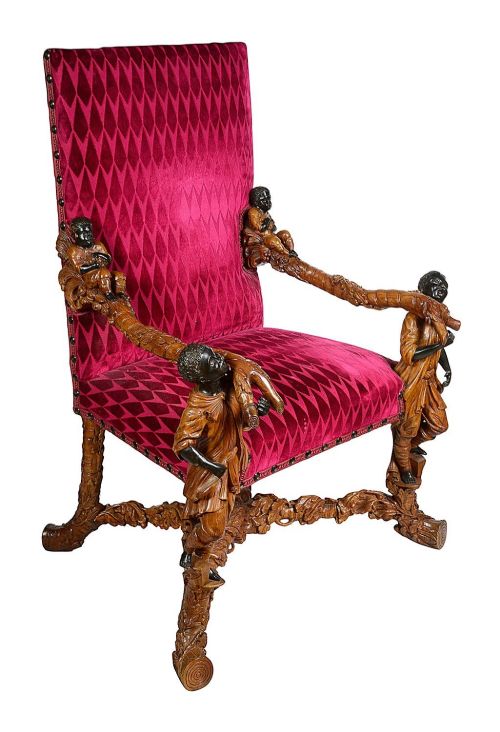
An ornate wooden throne commands a room with intricate carving and grand presence, offering a historic seat of distinction for your interior.
Ornate Wooden Throne
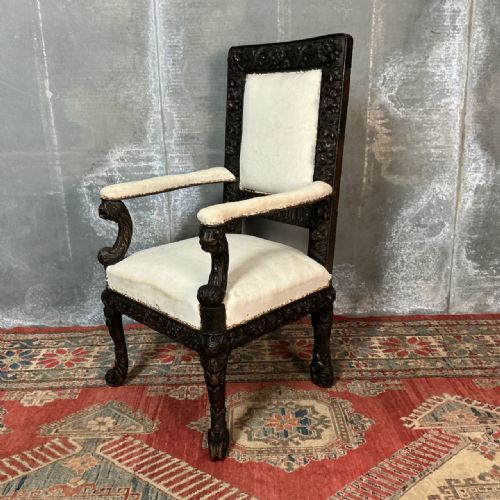
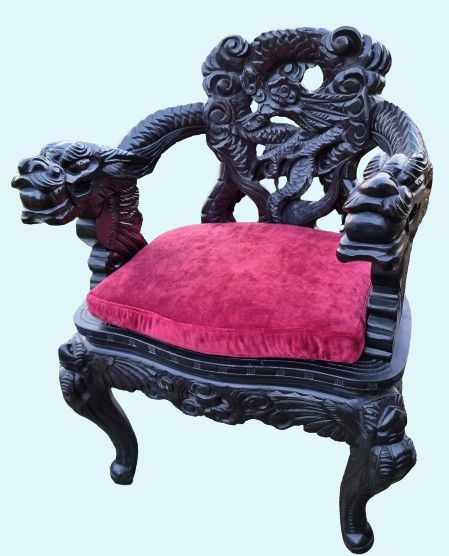
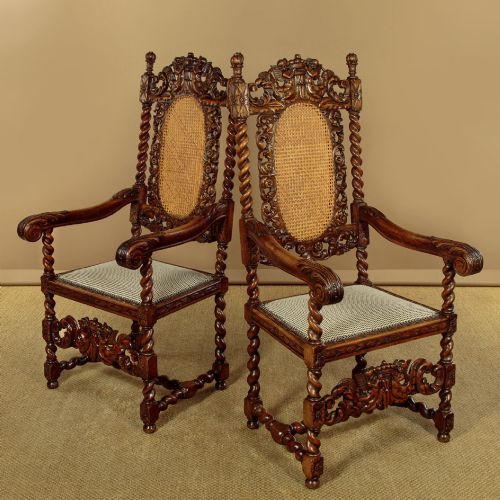
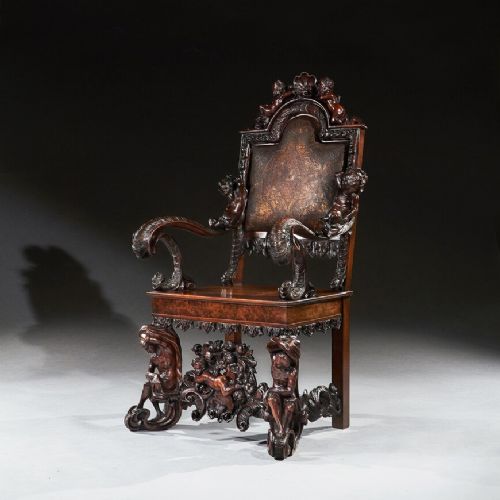
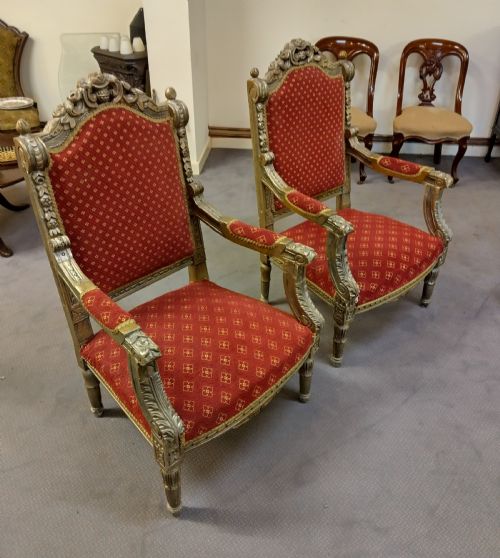
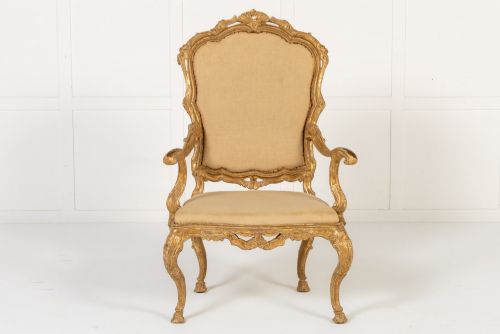
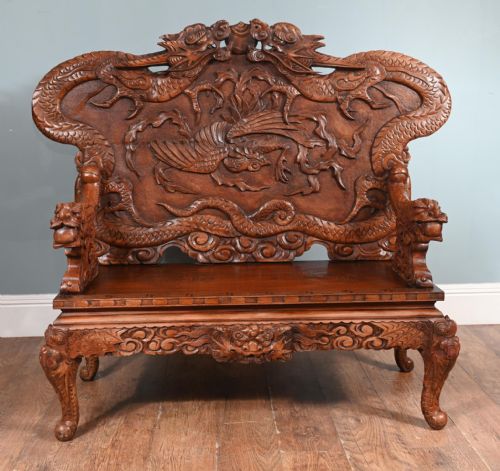
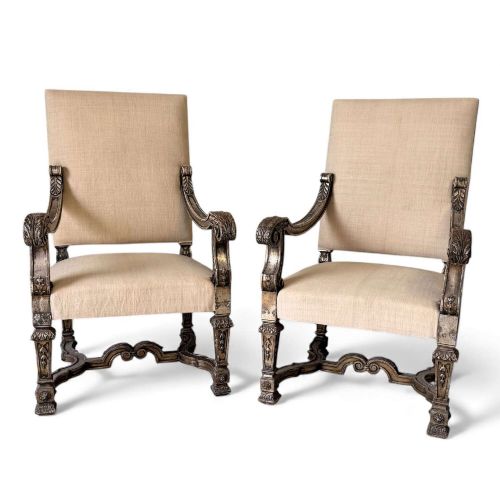
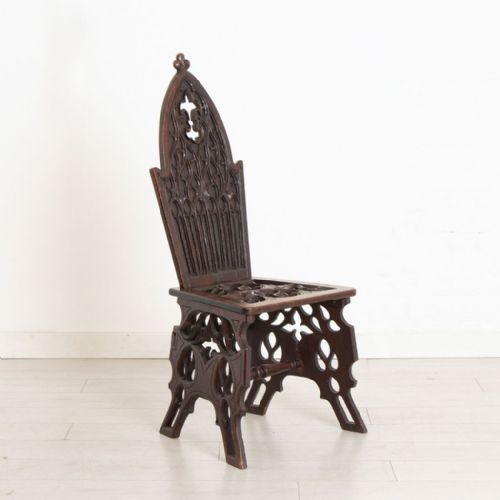
An ornate wooden throne represents a dramatic form of seating, drawing on centuries of historical revival and global craftsmanship. When you search for an ornate wooden throne, you encounter substantial armchairs, benches, and hall chairs designed to make a striking visual statement.
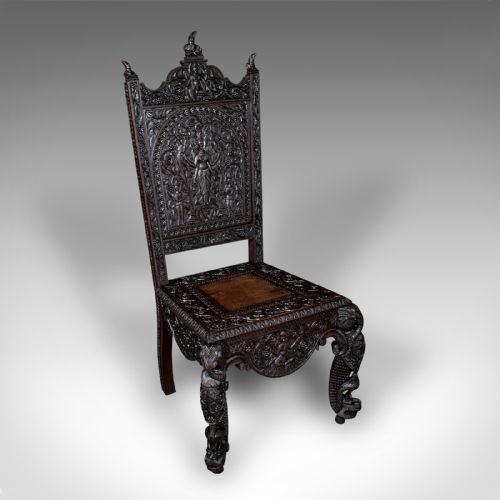
The selections available span multiple periods, most notably the nineteenth century, alongside eighteenth-century examples and Edwardian or Victorian interpretations. Revival styles dominate, ranging from Baroque and Renaissance motifs to Anglo-Indian, Chinese export, and Italian Rococo designs.
Most pieces function primarily as statement armchairs or decorative seating rather than everyday utility chairs. Their imposing frames and elaborate woodwork reflect a distinct lineage of regional carving traditions and European revivalism.
Materials and construction methods
Makers utilised solid timbers such as walnut, oak, teak, and various oriental hardwoods to build these substantial frames. Skilled carvers then worked directly into the dense material, producing deep relief motifs, figural elements, and intricate pierced ornamentation.
Surface finishes vary significantly between pieces, incorporating giltwood, gilt finishes, painted details, and cinnabar lacquer. Many examples are upholstered with rich textiles including velvet, fabric, and linen to complement the carved woodwork.
Ornate Wooden Throne Retail Price Guide 2026
Typical asking prices for ornate wooden throne among the pieces listed under this phrase on Sellingantiques today, from the lower quarter to the upper quarter. They describe what is for sale here now, not the wider market.
Distinctions in craftsmanship and design
The depth, precision, and continuity of the hand carving separate simpler regional pieces from exhibition-quality works. Superior examples display fluid, deeply undercut motifs and harmonious proportions across every visible surface.
Material selection and structural integrity also define the upper tier of these seats. Dense native hardwoods and well-preserved original gilt or lacquered finishes indicate a higher standard of original workshop production.
Andrea Brustolon
The Ornate Wooden Throne Glossary
- Giltwood
- Timber treated with gold leaf or a gold-coloured finish. This technique creates a brilliant reflective surface on prominent decorative carvings.
- Hardwood
- Dense timber derived from broad-leaved deciduous trees. Materials such as walnut and oak provide the structural strength required for deep carving.
- Cinnabar Lacquer
- A traditional Asian decorative technique involving multiple layers of red lacquer applied to a base and carved when dry.
- Anglo-Indian
- A descriptive term for furniture made in India by local craftsmen for British residents during the colonial period, often combining British forms with Indian carving.
Ornate Wooden Throne: Frequently Asked Questions
Where should I place an ornate wooden throne?
These commanding seats suit large entrance halls, studies, or principal reception rooms where their substantial scale and detailed carving can be fully appreciated.
Position them away from direct heat sources to protect the wood and any historic gilt or lacquered surfaces from drying out.
How do I care for the carved wooden surfaces?
Dust the intricate carvings regularly using a soft brush to prevent particulate buildup in the recesses of the woodwork.
Avoid liquid polishes and commercial sprays, relying instead on a dry microfiber cloth to maintain the natural finish of the timber.
What distinguishes an Anglo-Indian throne chair?
Anglo-Indian pieces typically feature dense, intricate foliage, animal motifs, or pierced panels carved from exotic hardwoods by regional artisans.
These chairs blend traditional British seating forms with distinctly Eastern decorative techniques and materials.
How can I tell a nineteenth-century revival piece?
Nineteenth-century revival furniture adapts historical styles from the Baroque, Renaissance, or Rococo periods using the manufacturing techniques of the Victorian era.
Inspect the joinery, tool marks, and wood ageing to understand the production period beneath the historic styling.