



Ornate Wooden Stand
An ornate wooden stand brings carved presence to a room, holding lamps, plants, and mirrors with period craft.
Ornate Wooden Stand
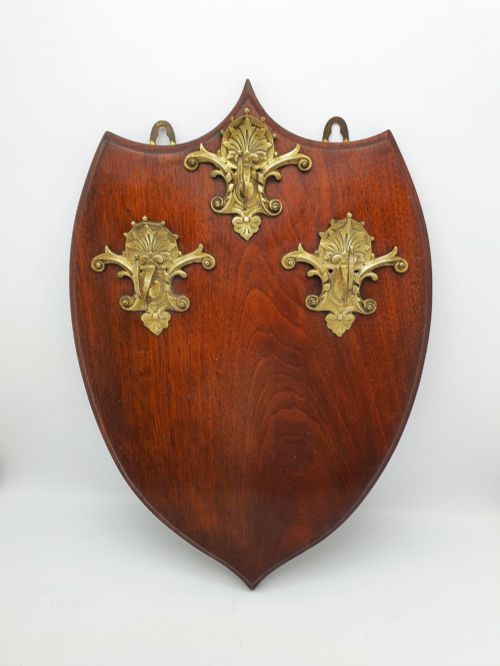
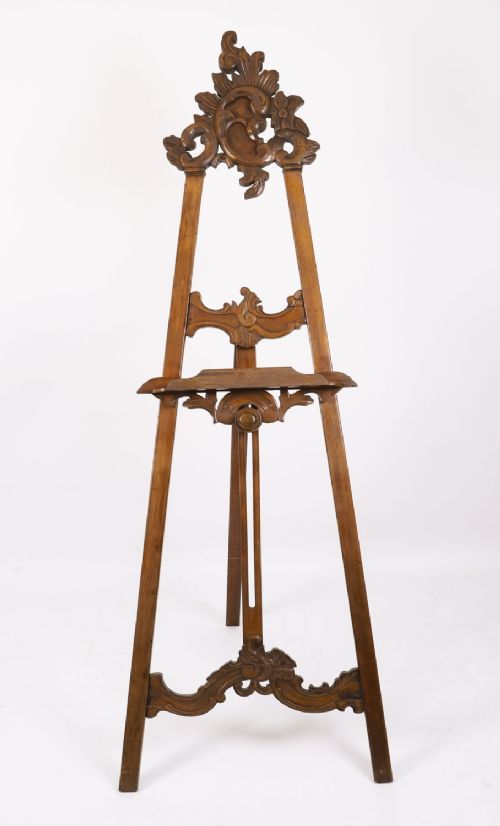
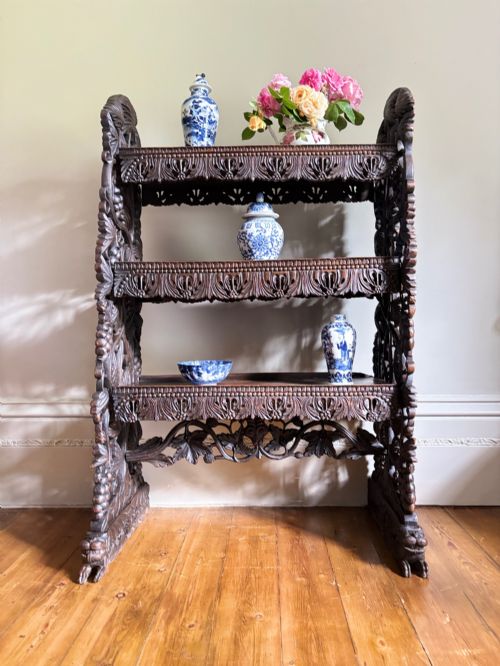
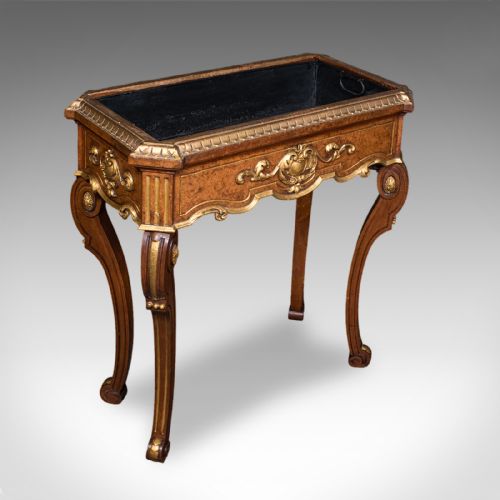
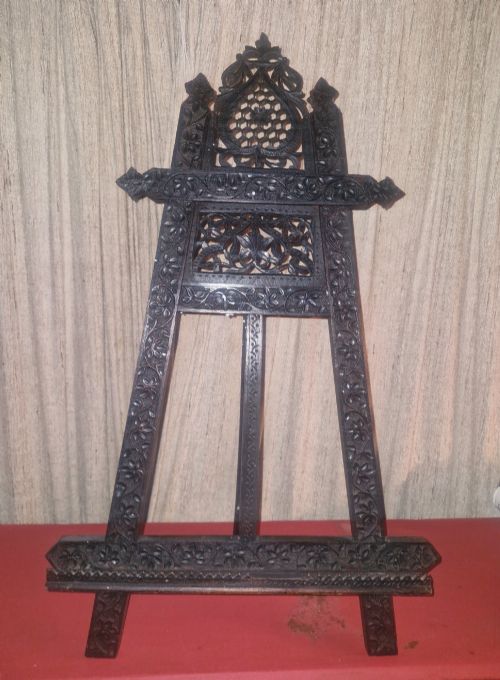
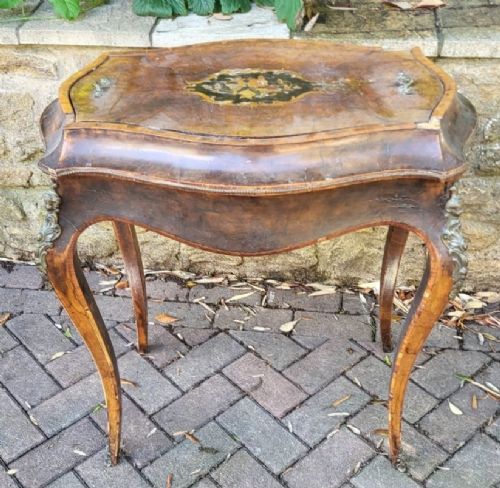
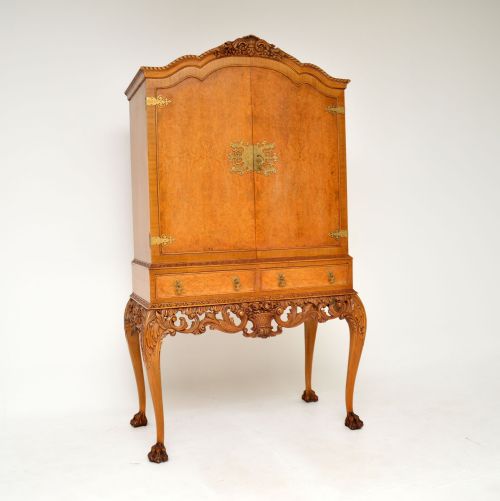
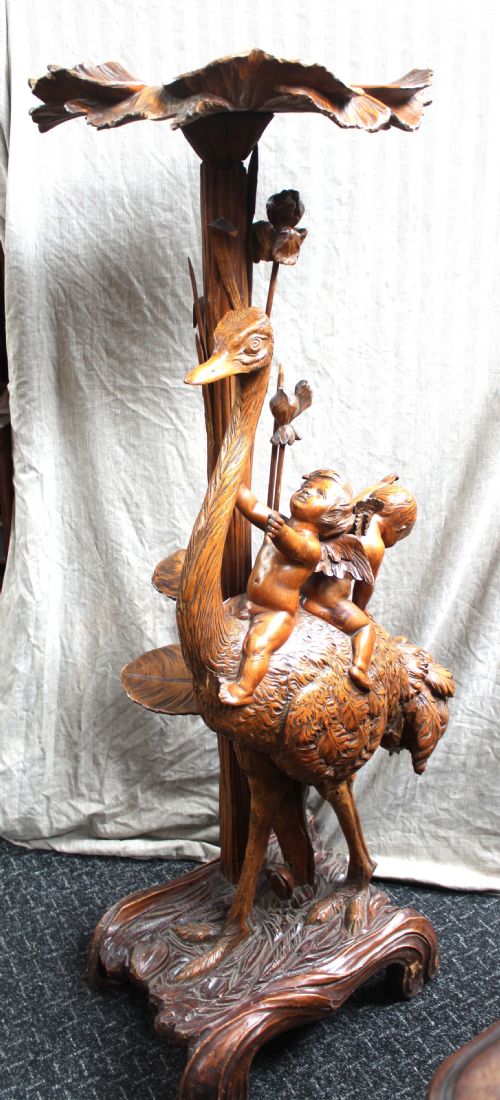
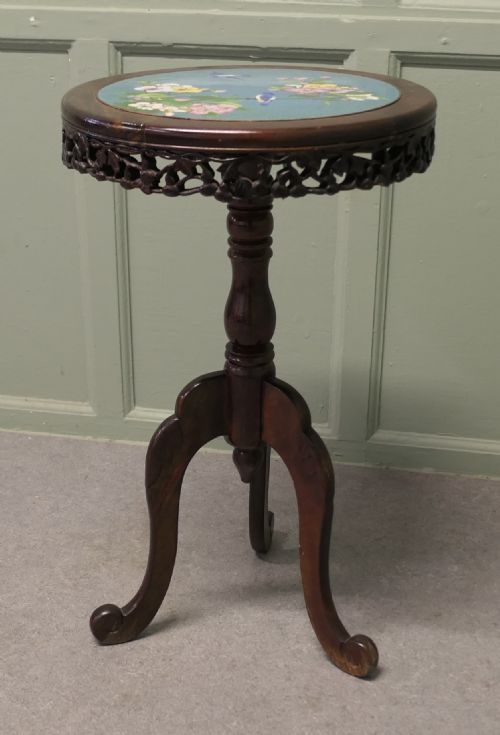
An ornate wooden stand encompasses carved furniture designed to elevate objects, ranging from torchere columns and planter stands to small display tables and easel bases. When searching for an ornate wooden stand, collectors meet pieces spanning the nineteenth century, Edwardian era, and Victorian period, originating from English, Italian, French, and Anglo-Indian workshops.
The forms vary widely across the listings, showing tripod bases, tall standard lamps, console tables, and carved pedestals. Walnut, mahogany, oak, and padauk provide the structural timber, often shaped with intricate relief carving.
Stylistic influences lean heavily toward Italian Baroque, French Rococo, Renaissance Revival, and Anglo-Indian traditions. These designs serve both decorative and practical roles, supporting displays in parlours, halls, and drawing rooms.
How they were made
Makers utilised solid timbers including walnut, mahogany, oak, and padauk, selected for density and grain pattern. Carpenters shaped these woods using hand chisels and gouges to achieve deep relief carving on legs, columns, and aprons.
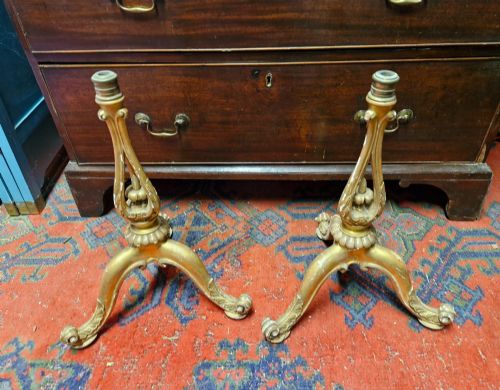
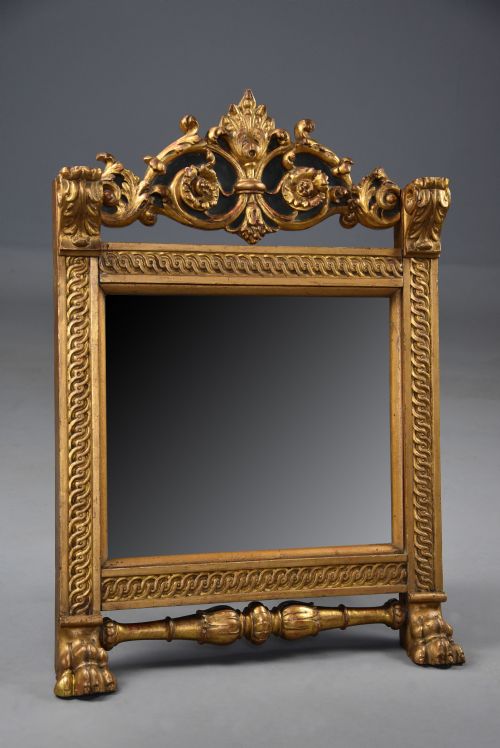
Surface finish often involved applied gesso subsequently covered in gold leaf to create giltwood effects. Inlaid details incorporate contrasting veneers, while lacquer and French polish seal the timber surfaces.
Ornate Wooden Stand Retail Price Guide 2026
Typical asking prices for ornate wooden stand among the pieces listed under this phrase on Sellingantiques today, from the lower quarter to the upper quarter. They describe what is for sale here now, not the wider market.
A solitary Rolls Royce-branded French walnut stand shares space with Blackamoor tables and fire screens.
What varies in quality
Depth and crispness of the hand carving separate standard items from finer examples, as skilled carvers achieve realistic undercut foliage and animal forms. The quality of the timber preparation and joinery determines structural integrity over decades of use.
Gilding technique dictates the visual richness of giltwood stands, with burnished gold leaf reflecting light differently than flat metallic paint. Proportion and balance in the turned columns and tripod legs also indicate the care taken during production.
The Ornate Wooden Stand Glossary
- Torchere
- A tall stand designed to hold a light, candle, or small decorative object. These slender pieces often feature tripod bases and carved wooden columns.
- Giltwood
- Timber coated with gold leaf over a prepared gesso ground. This technique creates a luminous metallic finish popular in baroque and rococo revival furniture.
- Padauk
- A dense exotic hardwood exhibiting a rich reddish brown colour. Makers utilised this durable timber in Anglo-Indian and colonial furniture pieces.
- Gesso
- A plaster mixture applied to wood surfaces to provide a smooth base for gilding or painting. It accepts fine incisions and relief moulding before leaf application.
Ornate Wooden Stand: Frequently Asked Questions
What is an ornate wooden stand used for?
These stands serve as decorative pedestals for lamps, planters, urns, and decorative bowls. They lift display items to eye level within period interiors.
Taller versions function as torcheres or standard lamps, while smaller tables hold mirrors and small ornaments.
How do I identify the period of a stand?
Dating relies on stylistic clues, timber selection, and construction methods visible in the frame. Victorian and Edwardian pieces often display revival styles referencing earlier baroque or rococo eras.
Examine the underside and joints for hand tooling marks and original surface treatments that indicate nineteenth-century production.
Where should I place an ornate stand at home?
Place tall torchere stands in empty corners or beside seating to provide height and ambient lighting. Shorter tables and plant stands suit entrance halls and drawing rooms.
Keep carved wooden pieces away from direct heat sources and strong sunlight to protect the polish and giltwood surfaces.
What woods were used for these stands?
Common timbers include walnut, mahogany, oak, and exotic padauk. Workshops also utilised softer woods as a base for gesso and giltwood finishes.
Inlays and veneers add decorative contrast using fruitwoods and burr walnut.