





Ornate Wooden Plant Stand
An ornate wooden plant stand brings architectural height and botanical display together, turning a simple corner into a formal focal point.
Ornate Wooden Plant Stand
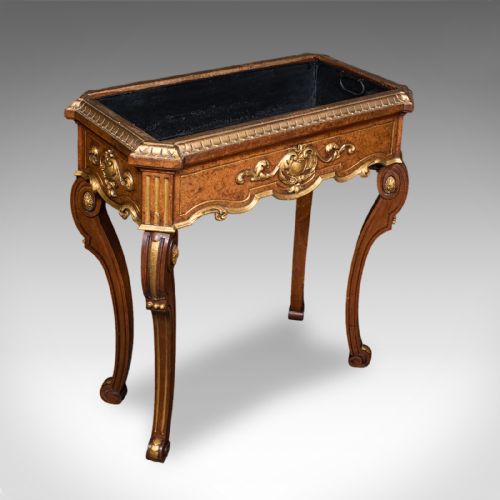
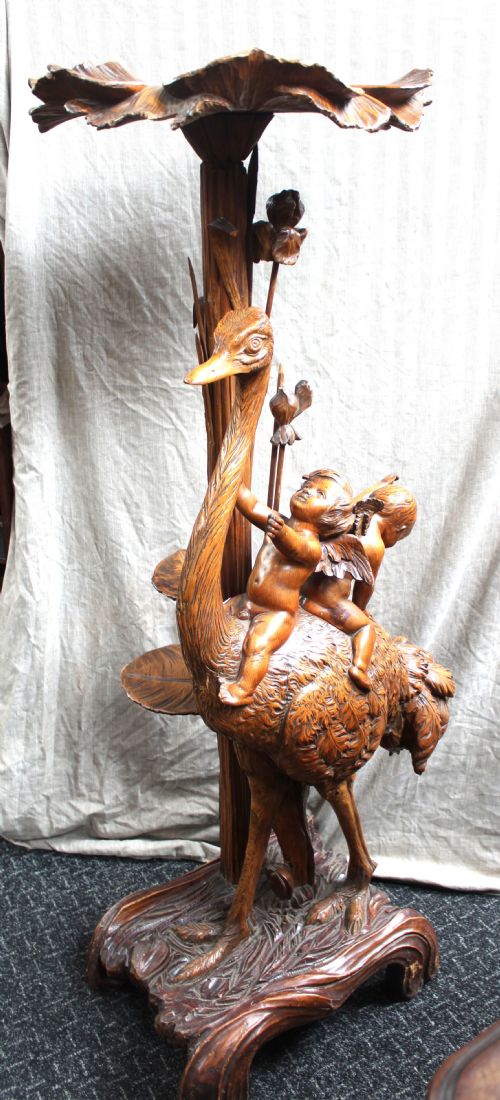
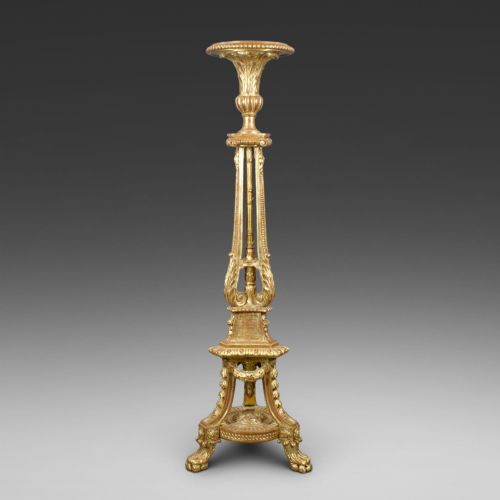
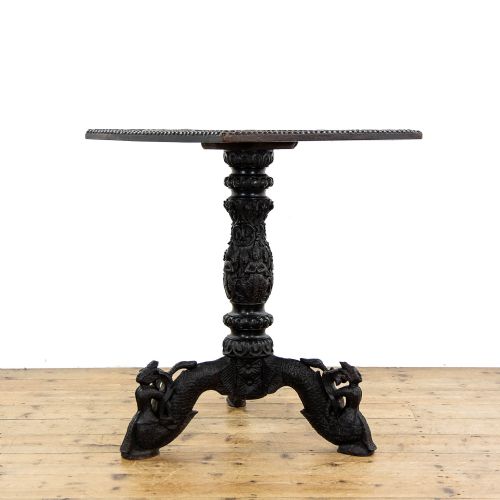
An ornate wooden plant stand takes many forms across this selection, appearing as carved pedestals, torcheres, and dedicated jardiniere tables. These elevated supports were designed to lift greenery and floral arrangements into the line of sight within formal Victorian and Edwardian interiors.
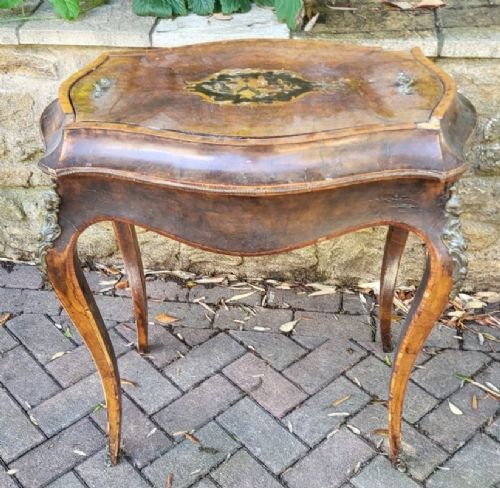
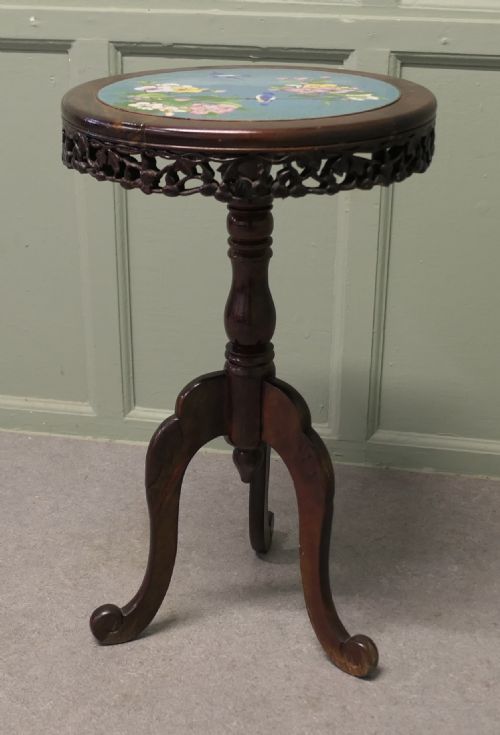
The versions met most frequently on this page span the nineteenth and early twentieth centuries, drawing heavily on revival styles such as French Rococo, Italian Renaissance, and Anglo-Indian design. Makers utilised rich timbers like walnut, mahogany, and teak, often pairing them with giltwood, gesso, or intricate inlay.
Beyond holding plants, many examples function as display tables for decorative objects, wine, or small decanters. Their varied origins range from British workshops to French salons and Venetian studios, each bringing distinct sculptural presence to a room.
How they were made
The construction of these stands relies on traditional timber framing, turning, and joinery executed in hardwoods such as walnut, mahogany, and teak. Carved elements demonstrate depth and undercut detail, particularly in pieces influenced by Italian Renaissance and Anglo-Indian traditions.
Surface ornamentation often involves intricate wood inlay, contrasting veneers like burr walnut, and applied gesso finished with gold leaf. French and Venetian pieces frequently incorporate gilded highlights or painted Chinoiserie motifs to accentuate the carved contours.
Ornate Wooden Plant Stand Retail Price Guide 2026
Typical asking prices for ornate wooden plant stand among the pieces listed under this phrase on Sellingantiques today, from the lower quarter to the upper quarter. They describe what is for sale here now, not the wider market.
One unexpected motor-themed walnut stand hints that even early automotive firms occasionally dabbled in stately domestic woodwork.
What varies in quality
The distinction between standard production and exceptional craftsmanship lies in the depth and crispness of the hand-carved detail. Superior examples display sharply defined foliage, figures, or scrollwork rather than soft, moulded resin or shallow stamping.
Material selection and surface finishing further separate pieces, with dense hardwoods, tightly fitted veneer work, and well-preserved gilding indicating superior workshop standards. The structural integrity of slender torchere shafts and the stability of pedestal bases remain central to overall execution.
Rolls Royce
The Ornate Wooden Plant Stand Glossary
- Torchere
- A tall, slender stand designed to support a lamp or decorative vessel. These elevated pieces usually feature carved wooden shafts and tripod or circular bases.
- Jardiniere
- A decorative receptacle or stand for holding plants and flowers. In these listings, they often include integrated liners or lift-off lids.
- Gesso
- A plaster-like mixture applied to wood surfaces to prepare them for gilding or painting. It allows craftsmen to carve intricate relief details before applying gold leaf.
- Inlay
- A technique where contrasting materials such as lighter woods or brass are embedded into the primary timber surface to create decorative patterns.
Ornate Wooden Plant Stand: Frequently Asked Questions
What is a torchere stand?
A torchere is a tall, slender support historically used to hold a light source and later adapted for displaying plants or decorative objects. Their elevated stature makes them useful for adding vertical interest to empty corners.
Unlike standard side tables, their primary purpose is display rather than surface utility, often featuring intricate carving along the shaft and tripod feet.
How do I style a plant stand?
Placing an ornate stand in a reception room allows you to elevate trailing foliage or heavy ceramic planters to eye level. They work effectively beside seating or framed within architectural alcoves.
Ensure the weight of the plant aligns with the structural footprint of the pedestal, particularly for slender tripod designs.
Are these stands waterproof?
Most antique wooden stands feature traditional polished or oiled finishes rather than modern waterproof seals. Direct moisture from watering plants can damage timber veneers and gilded gesso surfaces.
Using a protective liner or saucers inside removable jardiniere sections helps protect the historic woodwork from water rings and rot.
How do I date a wooden stand?
Dating relies on examining the timber species, construction methods, and stylistic revival cues such as Victorian Rococo or Edwardian Chinoiserie. Tool marks and fastener types beneath the base often provide further clues to the period.
Comparing the decorative vocabulary, such as the use of burr walnut or applied brass, helps place the piece within its nineteenth or early twentieth-century context.