


Ornate Wooden Frame
An ornate wooden frame delivers dramatic presence to any interior through deep carving and gilded surfaces.
Ornate Wooden Frame
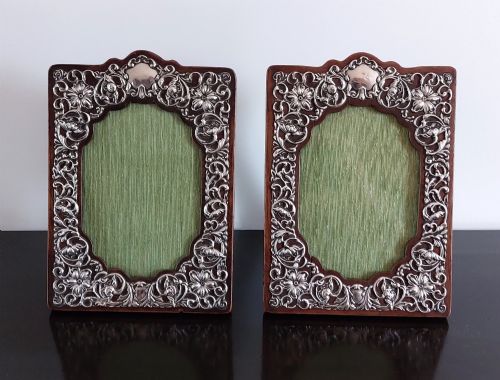
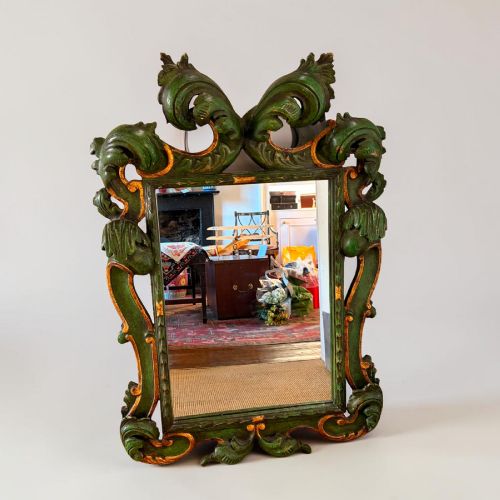
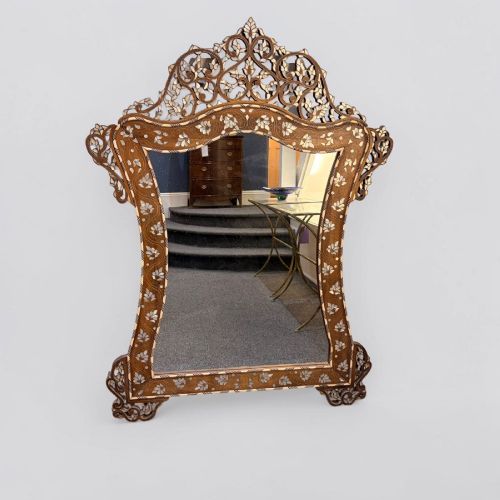
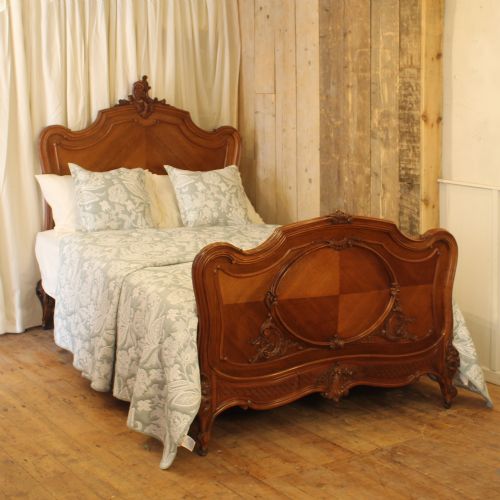
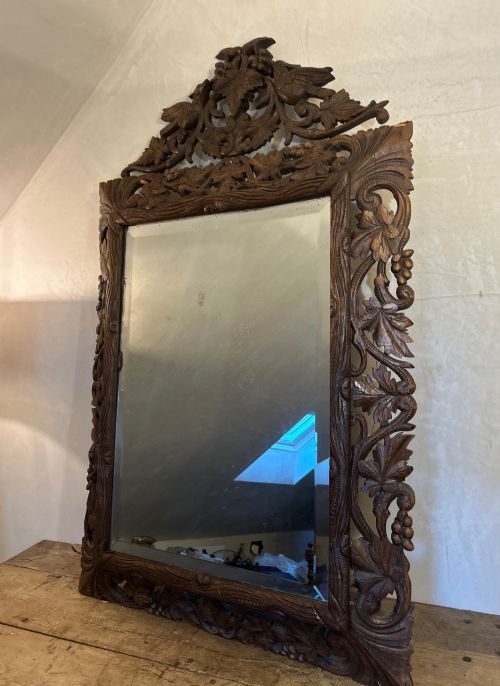
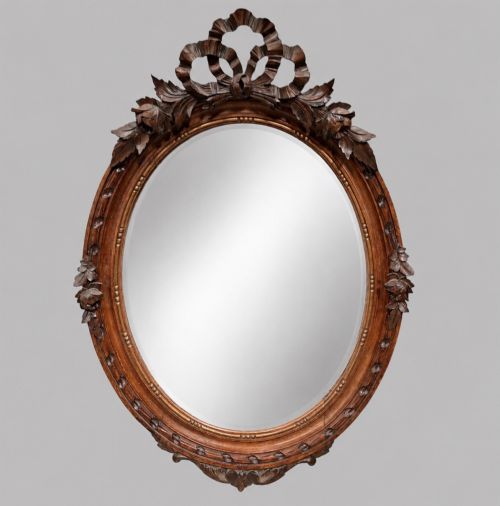
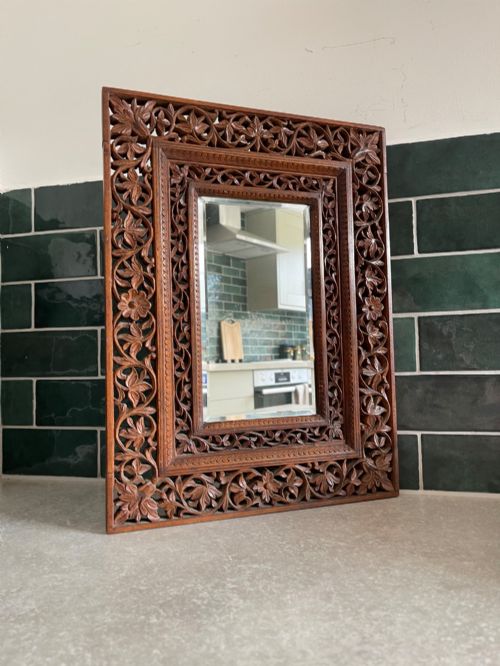
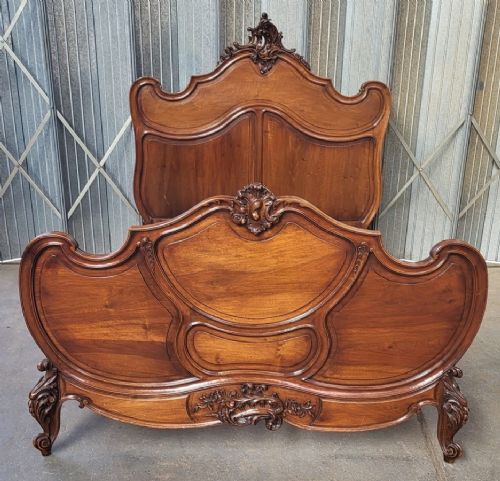
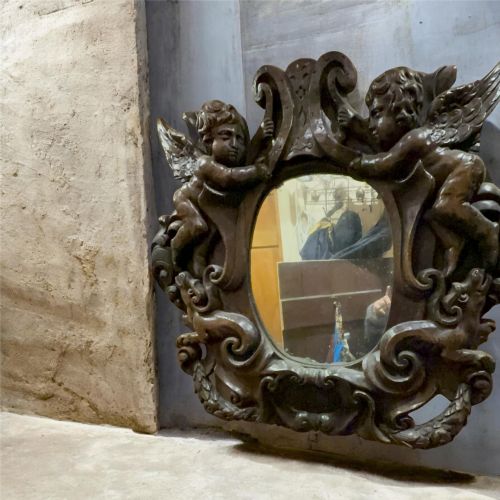
When you search for an ornate wooden frame, you encounter a diverse collection dominated by mirrors, picture frames, and substantial beds. These items span from the eighteenth century through to the early decades of the twentieth century, originating from British, French, Italian, and Indian workshops.
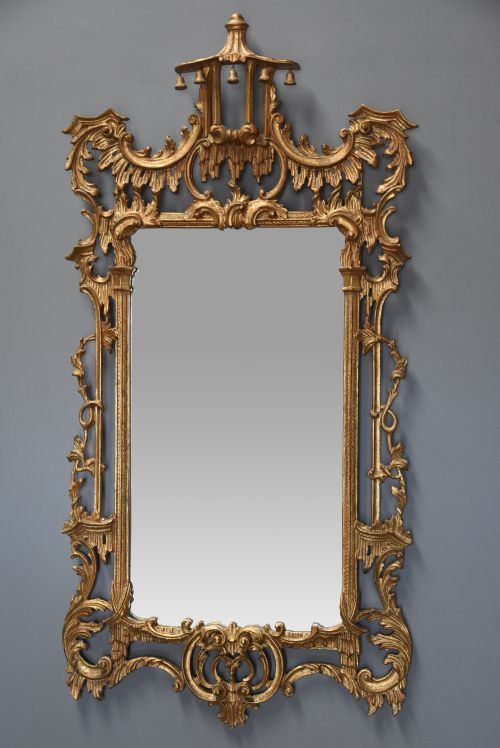
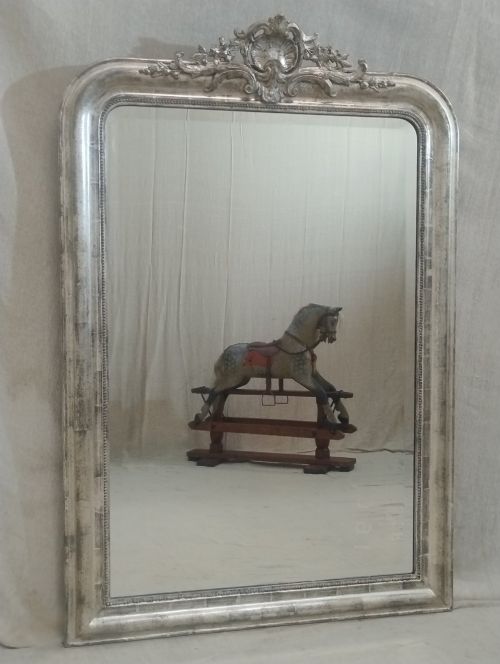
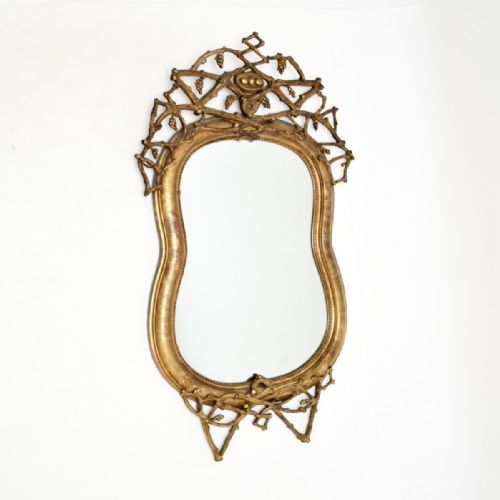
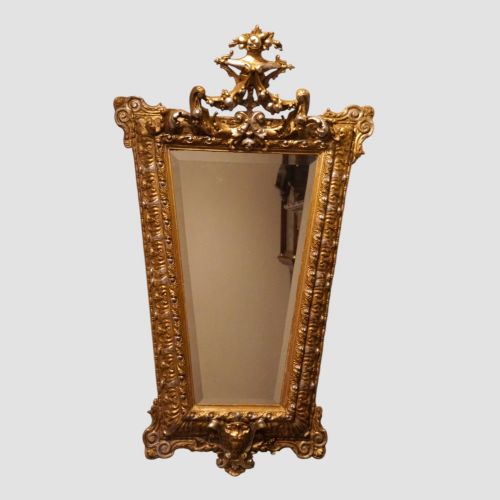
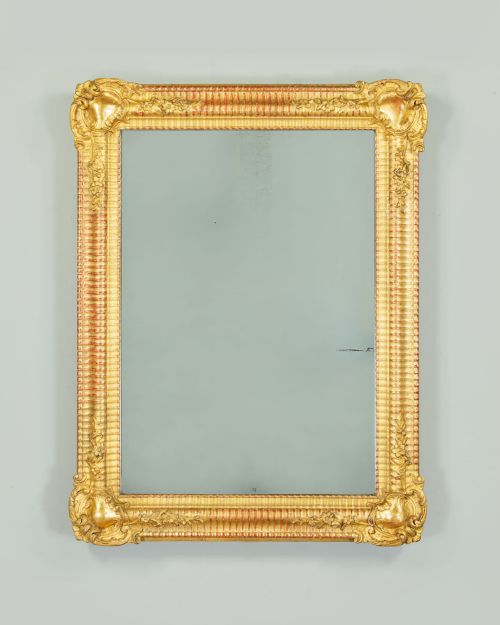
The wall mirror version is the form you meet most frequently on this page. These mirrors often feature elaborate carved wooden structures finished with gesso and gold or silver leaf, reflecting periods like the Victorian era and the French Rococo revival.
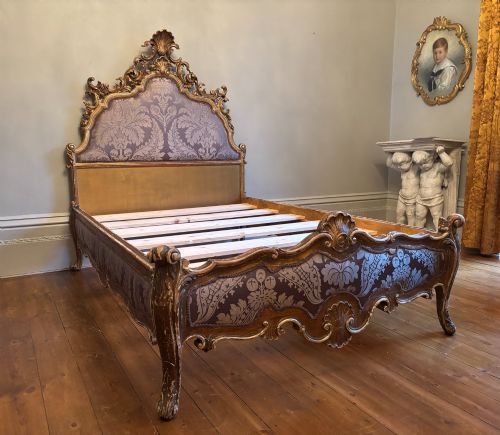
Beyond wall mirrors, the selection includes table mirrors, overmantel mirrors, and large wooden bedsteads. Each piece displays distinct regional styles, ranging from Italian Florentine carvings to Anglo-Indian woodwork.
How they were made
Carvers shaped these wooden structures primarily from walnut, oak, fruitwood, mahogany, and limewood using traditional hand chisels and gouges. The choice of timber determined the depth and crispness of the relief work, particularly in pieces influenced by Rococo and Renaissance styles.
Many surfaces received a layer of gesso, a plaster-like material applied to smooth the wood before gilding. Artisans then applied gold leaf, silver leaf, or paint to achieve the luminous metallic finishes seen on French and Italian mirrors.
Ornate Wooden Frame Retail Price Guide 2026
Typical asking prices for ornate wooden frame among the pieces listed under this phrase on Sellingantiques today, from the lower quarter to the upper quarter. They describe what is for sale here now, not the wider market.
Some mirrors hide sacred flaming hearts behind their glass, proving that eighteenth-century mortals needed divine intervention just to check their hair.
What varies in quality
The depth and fluidity of the hand carving separate standard pieces from exceptional examples. Skilled carvers created undercut foliage and scrolls that appear organic and dynamic, whereas lesser work remains stiff and shallow.
The preservation of the original gesso and gilt layer dictates the integrity of the object. Superior items retain their authentic surface texture without heavy modern overpainting masking the historic timber beneath.
The Ornate Wooden Frame Glossary
- Gesso
- A mixture of gypsum and binder applied to wood as a base for gilding or painting. It provides the smooth foundation necessary for metallic leaf application.
- Giltwood
- Timber that has been coated with gold leaf or gold paint. This finish creates a bright, reflective surface characteristic of formal decorative mirrors.
- Rococo Revival
- A nineteenth-century design movement mimicking the asymmetrical scrolls and shell motifs of the eighteenth century. It heavily influences the curves of these ornate frames.
- Overmantel mirror
- A large horizontal mirror designed specifically to hang above a fireplace mantel. These pieces often anchor the decorative scheme of a reception room.
- Reliquary mirror
- A devotional mirror incorporating religious iconography such as sacred hearts. These specialised items served spiritual functions in domestic settings.
Ornate Wooden Frame: Frequently Asked Questions
How do I hang a heavy wooden mirror safely?
Heavy carved mirrors require secure fixings anchored directly into wall studs or masonry. Using rated mirror plates distributed across the frame ensures the weight is supported evenly.
Avoid relying solely on decorative loops attached to the backboards of antique frames. Professional installation protects both the historic wood and the surrounding wall.
Can I place an antique mirror in a bathroom?
High humidity and fluctuating temperatures can damage historic gesso, glue grounds, and silvered glass backing. Bathrooms generally present too harsh an environment for sensitive antique gilding.
Dry hallways, bedrooms, and living rooms provide a stable atmosphere that preserves the original materials.
How do I distinguish French Rococo from Italian Rococo?
French Rococo pieces from the nineteenth century lean towards refined symmetry and delicate gesso ornamentation. They frequently employ oak or walnut carcasses finished with bright gilding.
Italian Rococo items often display deeper, more exuberant limewood carving and distinct regional motifs such as reliquary symbols. The handling of the foliage tends to be bolder and more theatrical.