
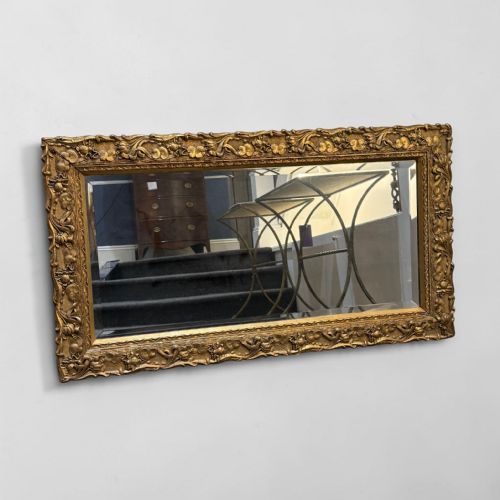
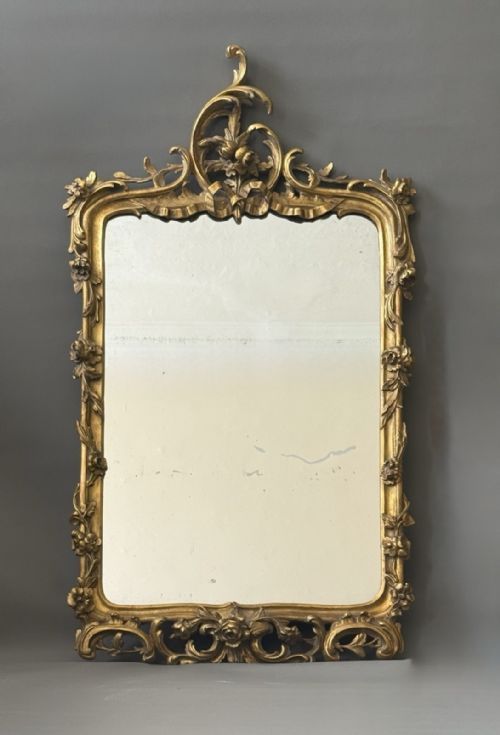
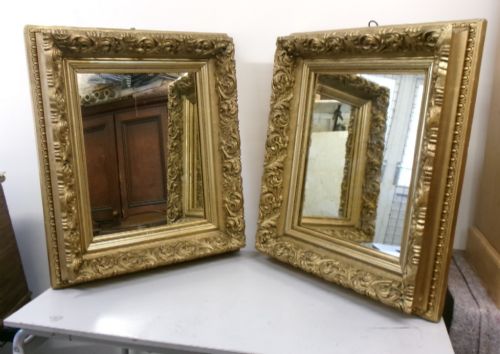

Ornate Wood Frame
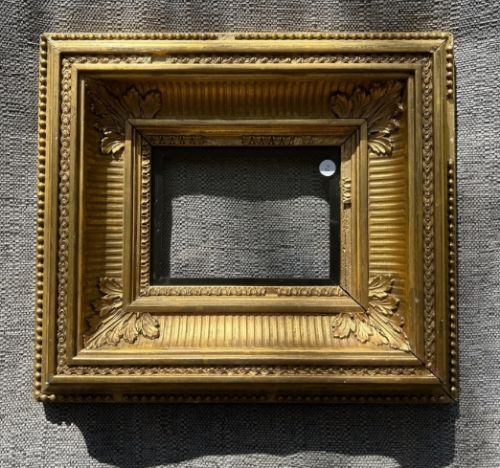
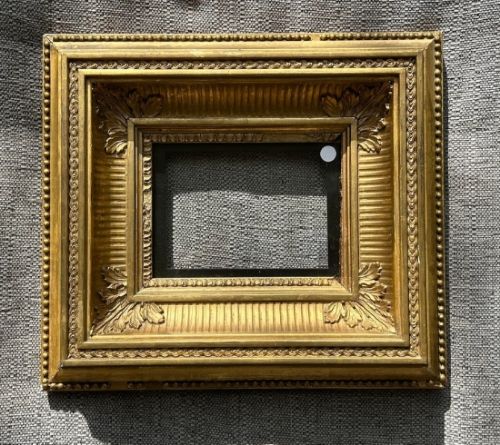
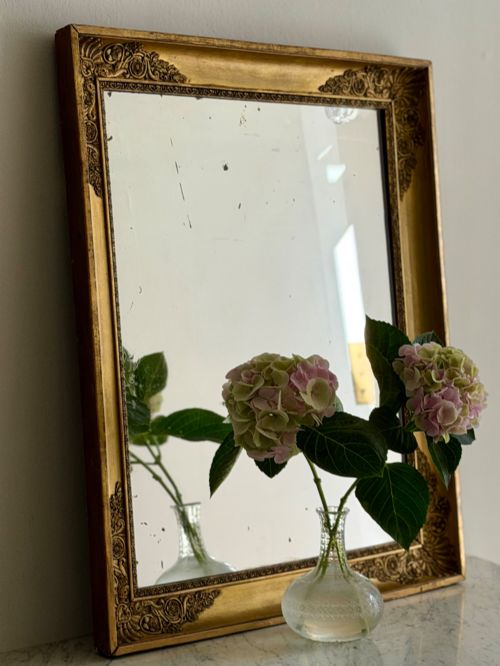
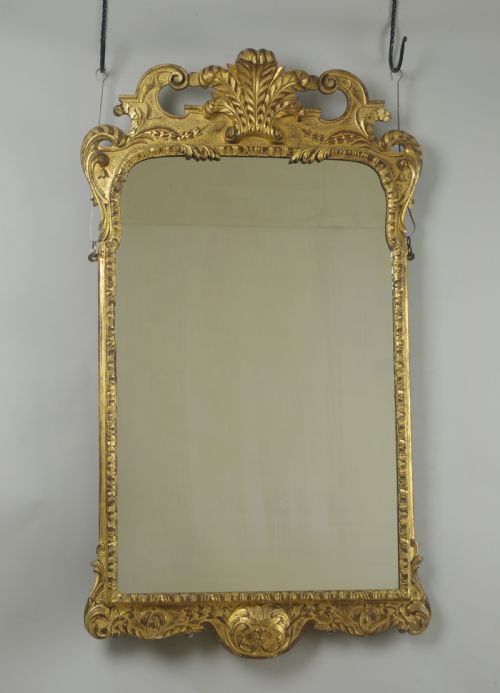
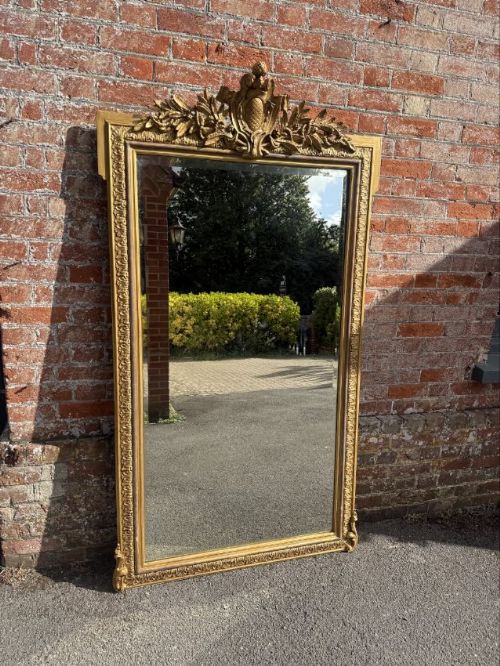
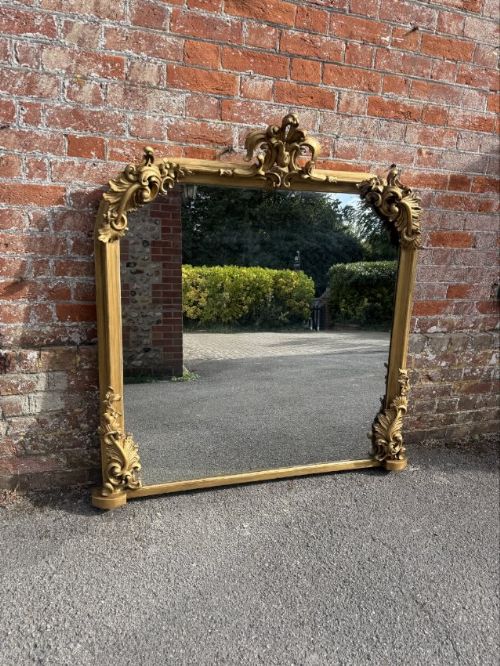
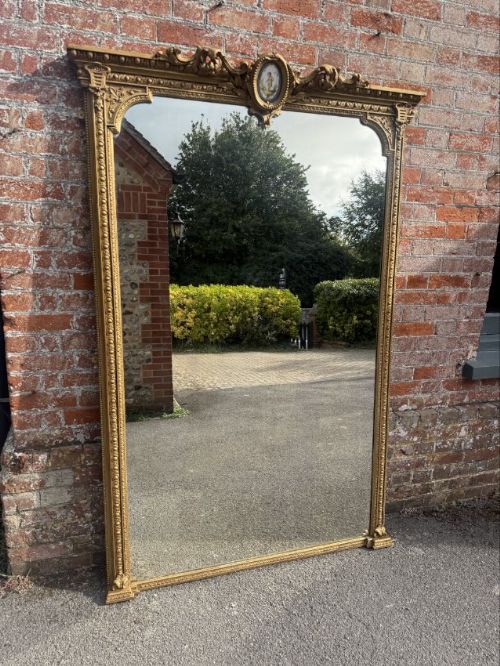
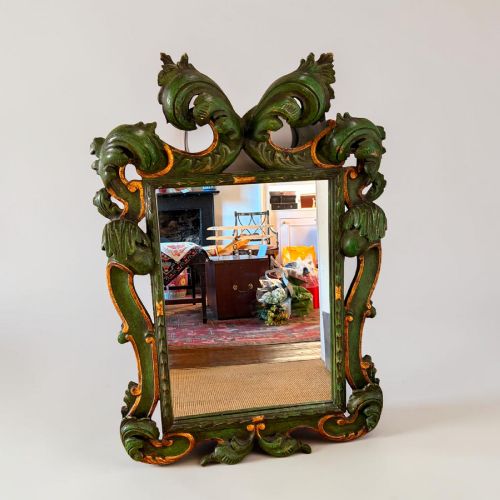
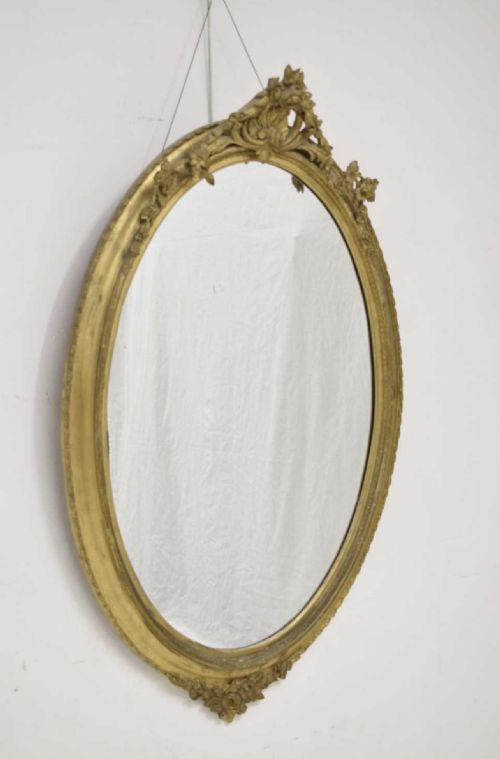
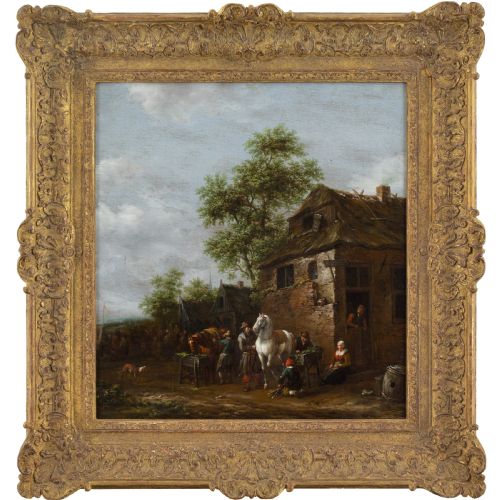
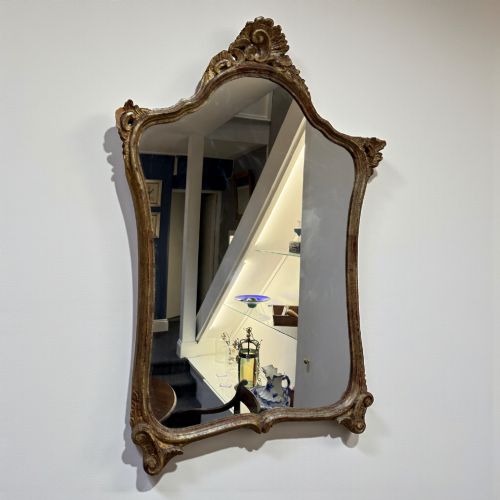
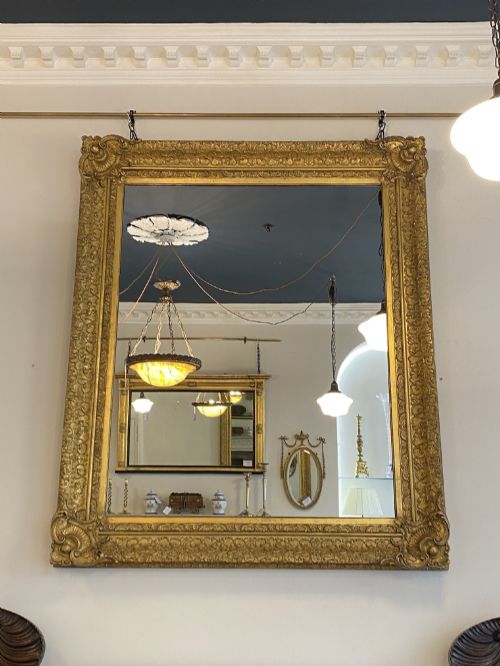
An ornate wood frame brings heavy carved detail and gilded surface into a room, holding mirrors and paintings with genuine period weight.
Ornate Wood Frame
When you search for an ornate wood frame, you encounter a selection centred heavily on nineteenth century mirrors, wall mirrors, and picture frames. These pieces emerge from Victorian, French, and Italian contexts, spanning styles like Rococo Revival and French Rococo.
The inventory consists predominantly of large wall mirrors, overmantel mirrors, and carved picture frames alongside oil paintings and framed prints. Pieces originate from diverse regions including England, France, and Italy, reflecting distinct regional carvers' hands.
Most items date from the nineteenth century, though eighteenth century examples and early twentieth century Florentine works appear. The forms range from rectangular and oval plates to shaped top overmantels and deep hollow picture frames.
Materials and construction
Carved wood forms the structural base of these pieces, utilising timber, oak, and carved wood substrates. Artisans shaped these foundations with hand tools to create deep relief scrolls, vines, and fluted hollow profiles.
Gesso and gold leaf complete the surface treatment, applied over the timber base to build up intricate ornamental details before gilding. Giltwood and gilt finishes catch the light, while original antique glass plates complete the mirror forms.
A solitary rose vine frame brings tangled timber briars indoors, letting you garden permanently on your living room wall.
Quality factors
The depth and crispness of the hand carving separate standard frames from superior examples, as deep relief work requires skilled carving rather than shallow moulding. The integrity of the gesso layer underneath the gilding also dictates longevity and visual richness.
The quality of the original glass plate or canvas sitting within the timber structure influences the overall historical value. Original mercury glass or untouched antique mirror plates retain greater character than modern replacements.
Barent Gael·William Howard Hardy·Jonny Gaston·Gian Paolo Pace
The Ornate Wood Frame Glossary
- Giltwood
- Wood that has been covered with a thin layer of gold leaf or gold paint. This technique gives frames a luminous metallic surface.
- Gesso
- A plaster mix used as a base for paint and gilding on wood. Carvers model this paste into relief ornament before applying gold leaf.
- Overmantel mirror
- A large mirror designed to hang directly above a fireplace mantel. These pieces often feature shaped tops and substantial carved wood frames.
- Girandole
- A decorative mirror equipped with attached candle sconces. The candle arms reflect light back into the room alongside the central glass.
- Pier glass
- A tall mirror designed to hang on the wall space between two windows. These vertical frames often match console tables positioned below them.
Ornate Wood Frame: Frequently Asked Questions
How do I hang a heavy wood overmantel mirror?
These large mirrors carry significant weight from their timber and gesso construction, requiring secure fixing directly into wall studs or masonry.
Professional mirror hangers utilise heavy-duty brackets to distribute the load safely across the frame structure.
What is the difference between an overmantel and a pier mirror?
Overmantel mirrors were built wide and horizontal to sit above fireplaces, anchoring the living space.
Pier mirrors utilise tall vertical formats designed specifically for narrow wall spaces between windows.
How can I date an antique carved frame?
The style of carving, timber types, and backing construction provide clear indicators of period origins.
Nineteenth-century pieces frequently display deep gesso relief work and heavy timber frames compared to later reproductions.