






Ornate Standing Glass
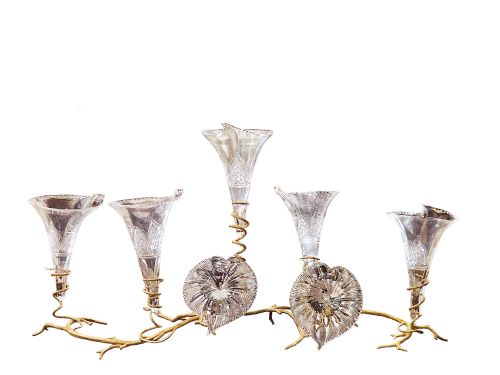
These ornate standing glass pieces are decorative mirrors, display stands and table frames that bring light and complex carved detail into a room.
Ornate Standing Glass
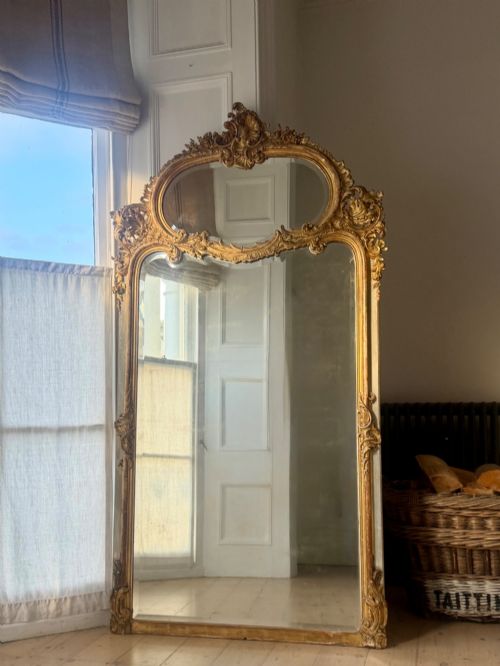
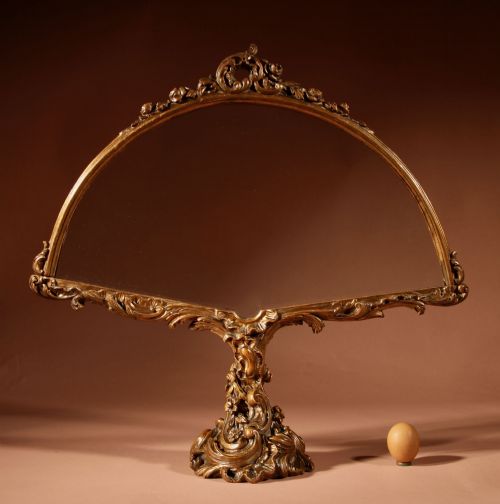
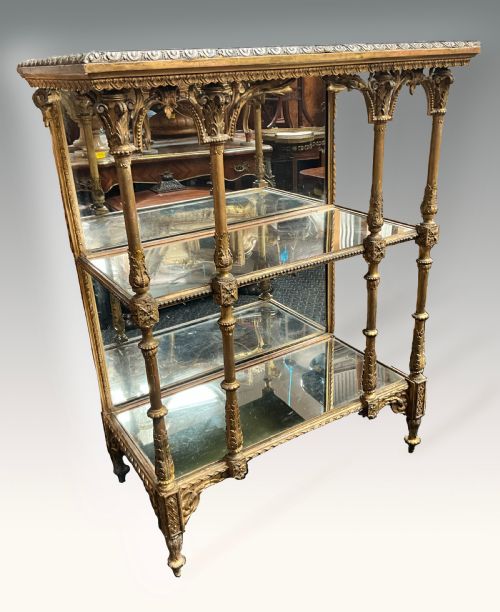
When you search for ornate standing glass, you encounter a selection of mirrors, display stands and fitted desk pieces spanning the Victorian era into the early twentieth century. The primary forms on this page include cheval dressing mirrors, table mirrors, wall mirrors and console table sets alongside desk accessories like silver-plated cruet sets and inkstands.
The aesthetic leans heavily towards French Rococo style, Italian Rococo revival and Victorian interpretations, with origins dating from the mid-nineteenth century up to the Edwardian period. These items function as focal points in a room, combining reflective surfaces with sculptural frames made from giltwood, brass and gesso.
Materials and construction
Makers built these pieces using supportive structural woods such as giltwood, carved timber and gesso, often applying elaborate surface gilding to achieve rich metallic finishes. Brass and silver plate form the primary framework for smaller desk accessories, decanter stands and table mirrors.
Reflective elements utilise cut glass and bevelled glass plates set securely within intricate frames. Artisans shaped the wooden and gesso components through detailed hand carving, particularly evident in the Rococo revival and French chateau styles seen across the inventory.
Ornate Standing Glass Retail Price Guide 2026
Typical asking prices for ornate standing glass among the pieces listed under this phrase on Sellingantiques today, from the lower quarter to the upper quarter. They describe what is for sale here now, not the wider market.
Some nineteenth-century desk sets include heavy brass inkwells designed to stay firmly planted while writing letters by candlelight.
Distinctions in quality
The standard of carving and the depth of the gilding set the baseline for quality among these items, with hand-carved wooden and gesso frames showing greater definition than simpler moulded versions. The clarity of the bevelled glass and the weight of the underlying brass or silver plate indicate the original manufacturing investment.
Makers such as documented metalworkers contribute distinct value through marked pieces like silver-plated frames and brass inkwells. The integration of marble tops on console tables or the presence of original glass domes and panels further elevate the standing of individual items.
Elkington·James Cartland and Sons
The Ornate Standing Glass Glossary
- Cheval mirror
- A freestanding full-length dressing mirror suspended on a vertical swivel frame. This design allows the glass to tilt at different angles.
- Gesso
- A plaster-based material applied to wood frames and carved or moulded into decorative relief patterns before gilding. It provides the crisp detail seen on nineteenth-century mirror frames.
- Ormolu
- Finely ground high-carat gold-mercury amalgam applied to a bronze or brass base. This technique produces a rich metallic finish found on mid-nineteenth-century French clocks and stands.
- Cruet set
- A matched collection of bottles or cruets held within an ornate silver-plated or metal stand for table condiments. These pieces often feature cut glass bottles.
- Bevelling
- The practice of angling the outer edge of a glass mirror plate to create a decorative tapered border. This catches the light differently than a straight-cut edge.
Ornate Standing Glass: Frequently Asked Questions
How do I date an ornate standing glass mirror?
You date these pieces by examining the construction of the frame, the backing materials, and the bevelling technique on the glass plate. Nineteenth-century examples often feature hand-applied gesso on timber substrates.
Makers' marks or stamps on brass and silver-plated components also help pinpoint the decade of manufacture. Stylistic clues like French Rococo revival motifs point to specific Victorian decades.
What is a cheval dressing mirror?
A cheval dressing mirror is a tall, freestanding glass plate mounted inside a pivoting wooden or metal frame. This allows the user to tilt the glass to various angles.
They originated as practical bedroom furnishings and remain popular for reflecting light into darker corners of a room.
How should I clean a giltwood and gesso frame?
You should clean giltwood and gesso frames with a soft, dry brush to gently remove accumulated dust. Avoid using water or liquid cleaning products, which can damage the delicate gilded surface.
For the glass plate itself, use a standard glass cleaner applied to a cloth rather than sprayed directly onto the mirror.
Where should I place a console table and mirror set?
Console table and mirror sets suit hallways, entrance foyers and living rooms where they create an immediate visual impact. Positioning them opposite a window maximises the natural light reflected by the glass.
Ensure the floor surface is level, particularly with older wooden furniture featuring marble tops.