


Ornate Silver Plates
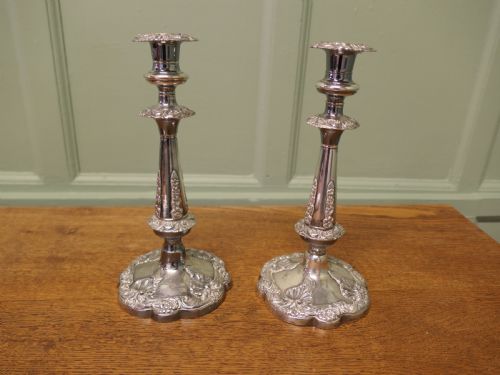
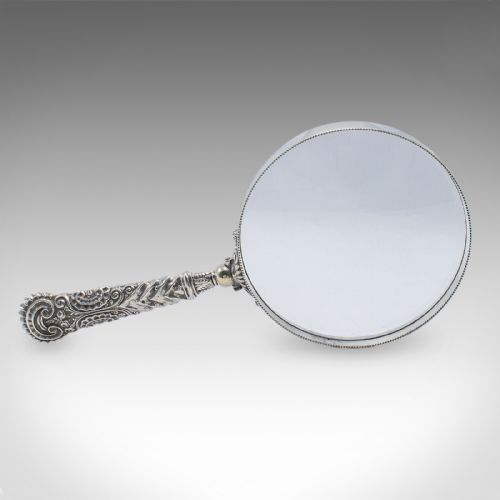
These ornate silver plates and related tableware bring heavy Victorian and Edwardian display pieces into modern dining rooms.
Ornate Silver Plates
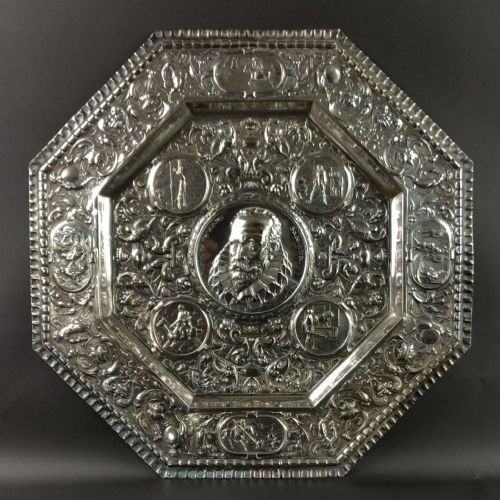
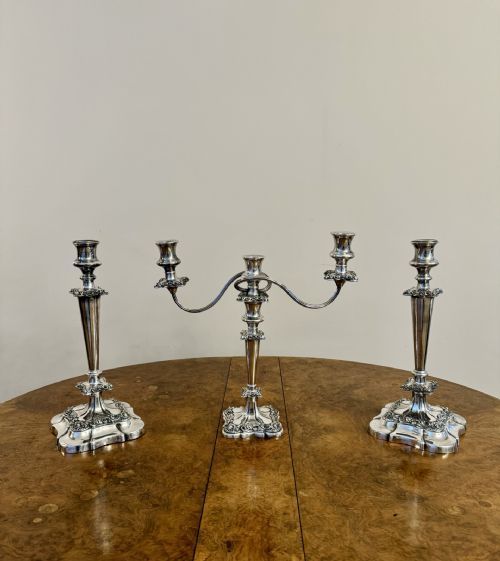
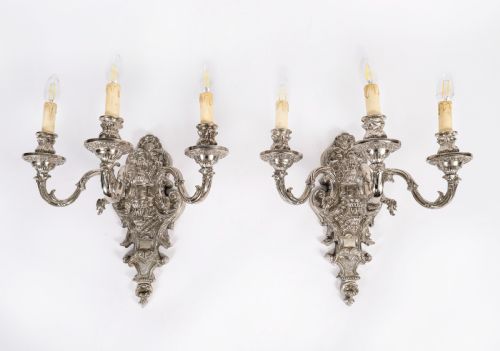
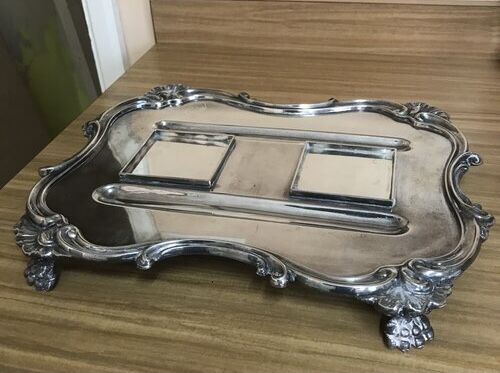
Ornate silver plates encompass chargers, trays, salvers, and platters spanning the nineteenth and early twentieth centuries. Makers applied elaborate revivalist decoration, from French Rococo scrolls to heavy Renaissance motifs, onto domestic tableware.
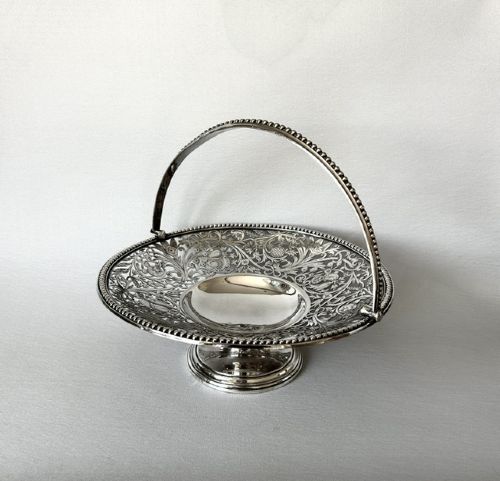
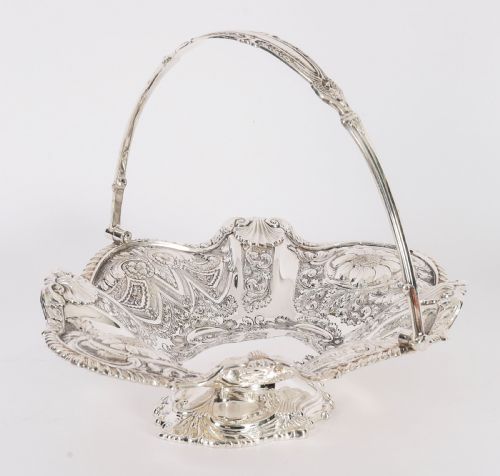
Most examples found here date from the Victorian and Edwardian periods, utilising silver plate and Old Sheffield plate over base metals like copper and brass. Forms range from flat decorative chargers depicting figures to pierced fruit baskets and table centerpieces.
How they were made
Silversmiths utilised electroplated nickel silver and traditional Old Sheffield plate methods, fusing thin layers of silver to copper or brass bases. Repoussé and chased techniques created deep, dimensional surface relief by hammering the metal from reverse and front sides.
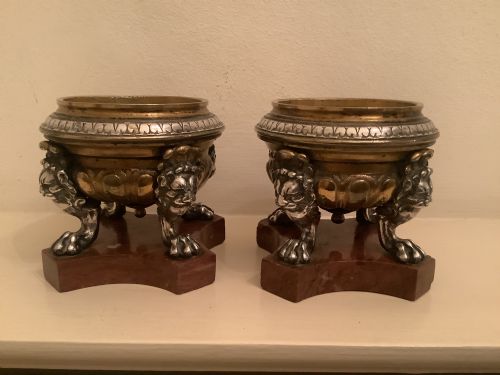
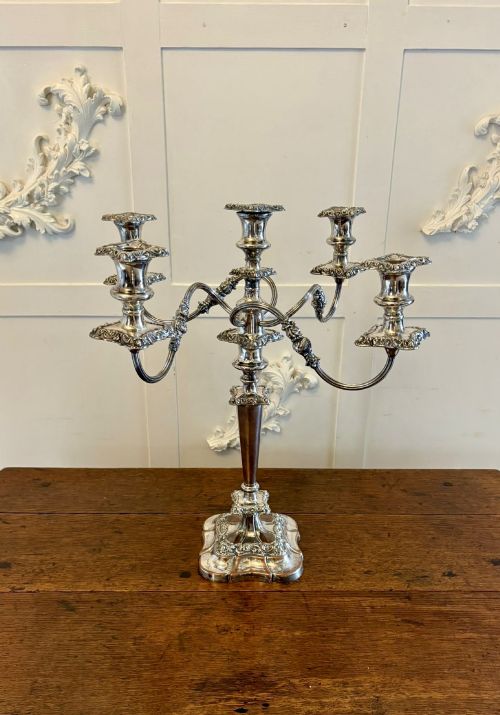
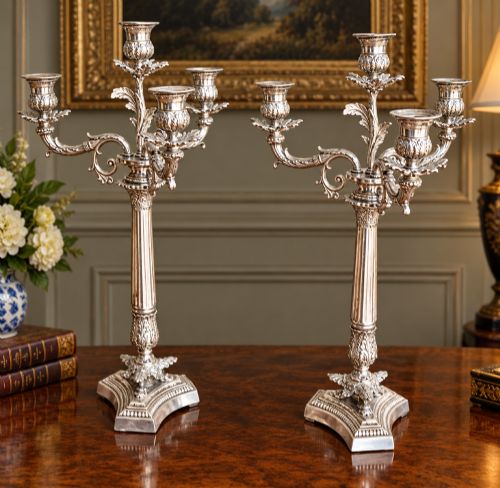
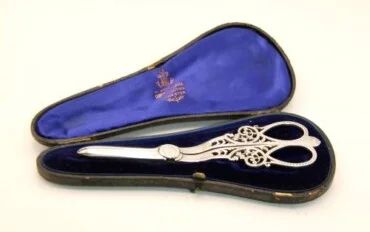
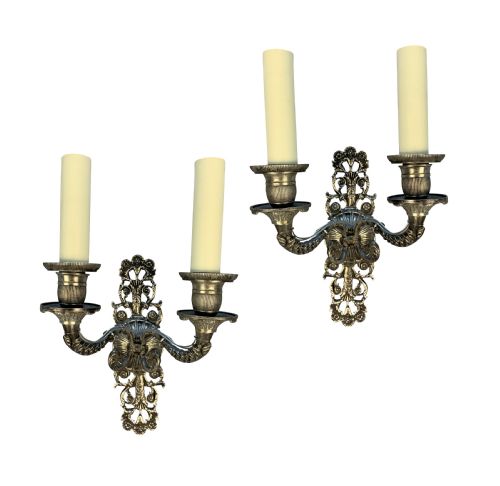
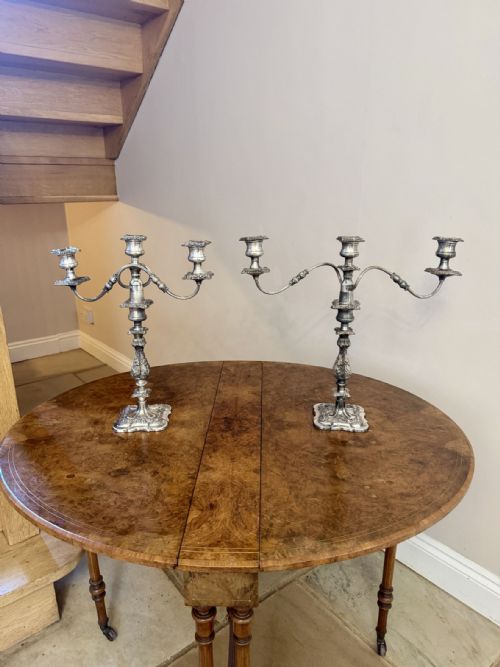
Casting provided heavier structural components like branches for candelabras and claw feet for bowls, while piercing saws cut intricate lattice patterns into baskets and dish rims.
Ornate Silver Plates Retail Price Guide 2026
Typical asking prices for ornate silver plates among the pieces listed under this phrase on Sellingantiques today, from the lower quarter to the upper quarter. They describe what is for sale here now, not the wider market.
Listings feature items spanning the Victorian, Edwardian, and early twentieth-century periods in silver plate and cut glass.
What varies in quality
Depth and crispness of the chased or repoussé ornament separate standard production from superior items. Sharply defined motifs retain their three-dimensional character without softening from excessive polishing.
Weight and structural integrity dictate execution standards, particularly in multi-branch candelabras and large platters where thick base metal prevents bending under pressure.
George W. Scott & Sons Ltd·John Harrison·Smith & Sissons & Co·Barker Ellis·Elkington·Robert & Belk
The Ornate Silver Plates Glossary
- Repoussé
- Metalworking technique where the artisan hammers a design into relief from the reverse side. This method creates raised pictorial scenes on chargers and platters.
- Old Sheffield plate
- Early fusing technique where a sheet of silver is fused to a copper core before rolling. Pieces made this way often reveal faint copper lines at the exposed edges.
- Salver
- A serving tray raised on small feet, typically used for presenting glasses or letters. Victorian examples frequently feature heavily engraved borders.
- Electroplated nickel silver
- Process introduced in the nineteenth century using an electric current to coat a nickel brass alloy with a thin layer of silver. This replaced earlier fusion methods for mass production.
- Charger
- A large decorative plate placed beneath other courses or displayed upright on a sideboard. These pieces often carry the most elaborate repoussé work in a collection.
Ornate Silver Plates: Frequently Asked Questions
How do I clean ornate silver plates?
Use a soft cloth and a specialised silver cream designed for plated items. Avoid harsh dips that strip the thin silver layer over the base metal.
Work gently around deep repoussé crevices to lift tarnish without pressing too hard into the recessed design.
Are these plates meant for food use?
Most antique pieces function primarily as decorative chargers, display trays, or fruit baskets rather than modern dinnerware. Frequent washing and cutlery contact will wear down the silver plate over time.
Display them flat on sideboards or mounted upright on walls to preserve the historical surface.
How do I spot Old Sheffield plate?
Look closely at the rims and edges of the piece for tiny lines of reddish copper peeking through the silver surface. This telegraphs the older sandwich construction method used before electroplating took over.
Heavier weight relative to size also points toward the older copper-core manufacturing process.
What styles dominate these pieces?
Victorian Rococo Revival and Edwardian neoclassical designs appear most frequently across these servers and trays. Makers also drew inspiration from French Empire and Renaissance motifs for heavy display pieces.
Heavily scrolled borders and pierced floral lattices define the aesthetic of these decades.