



Ornate Oval Frame
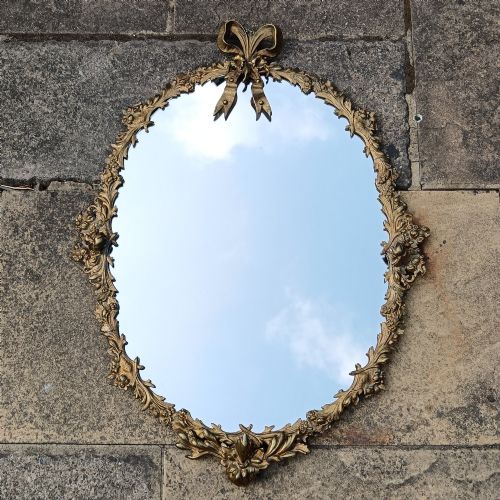
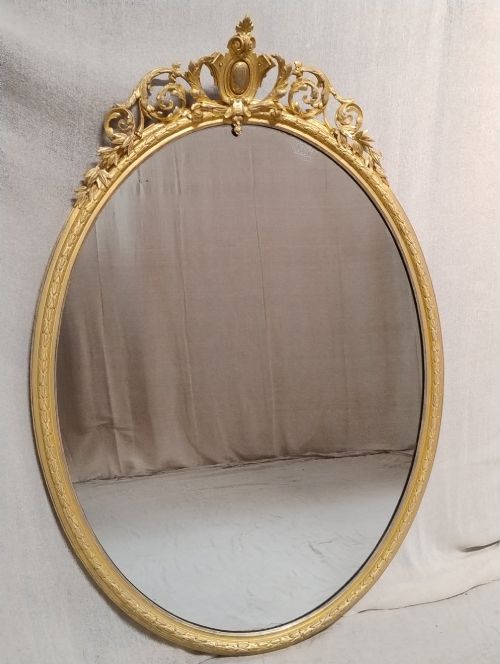
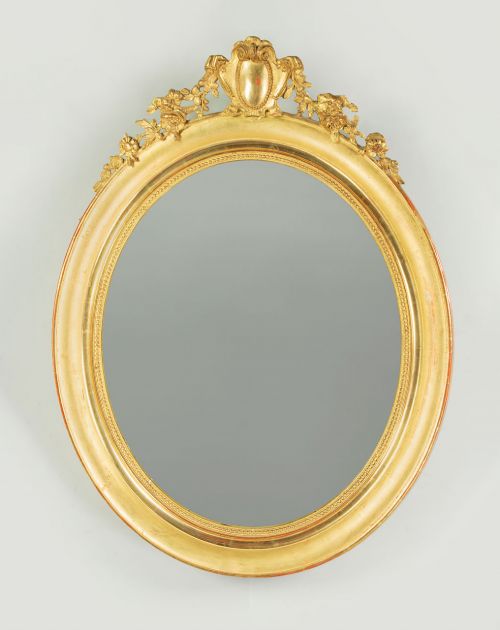
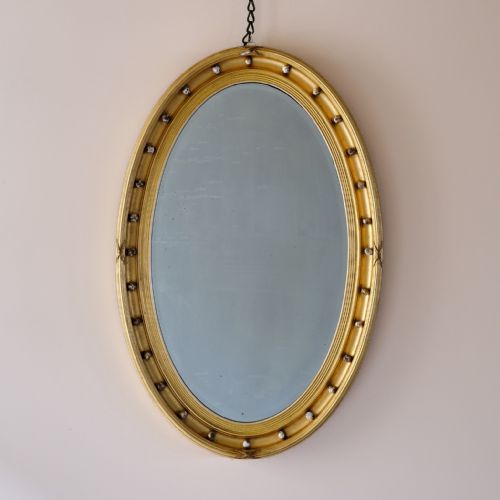
An ornate oval frame brings instant depth and curved elegance to a room, framing mirrors and portraits with historical presence.
Ornate Oval Frame
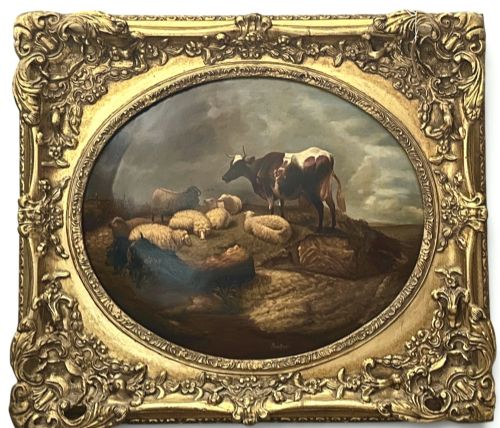
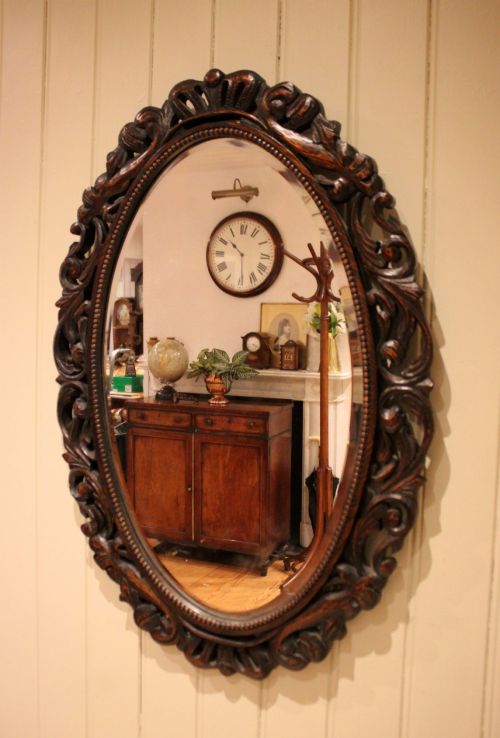
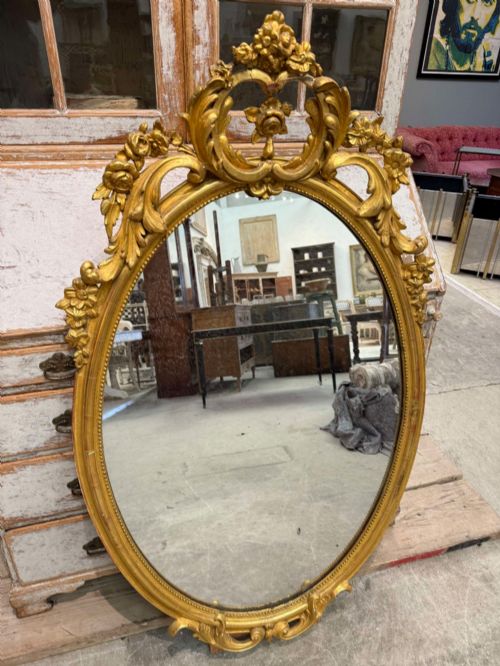
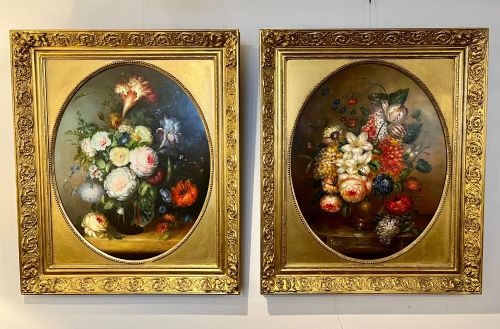
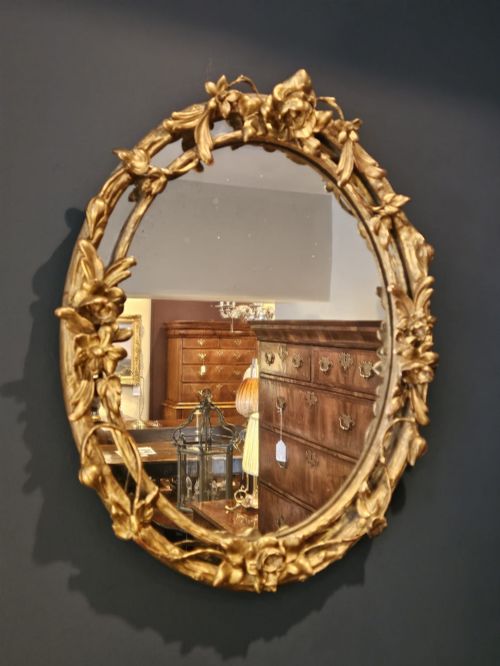
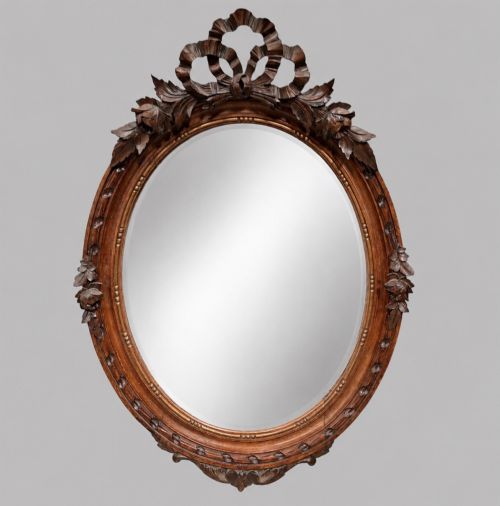
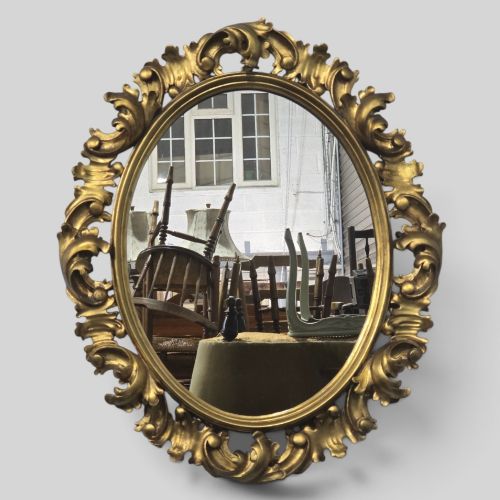
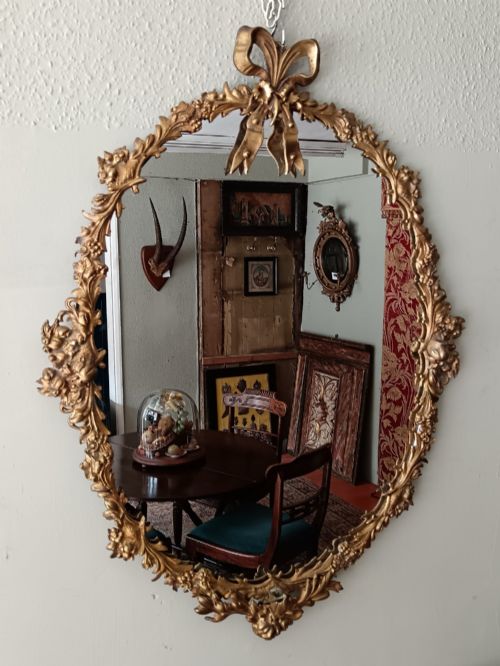
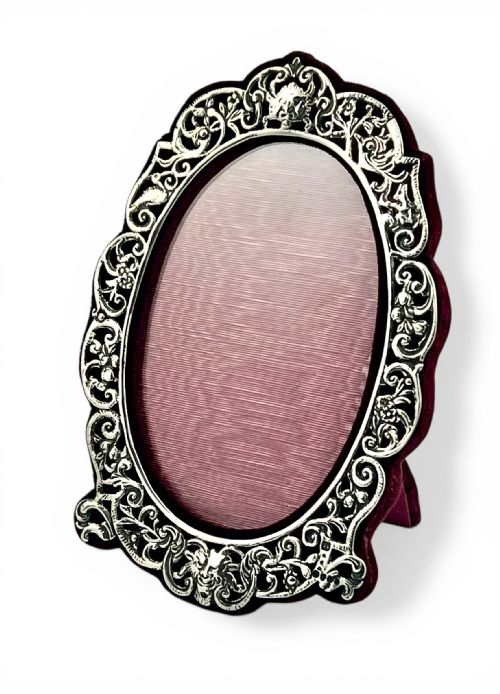
An ornate oval frame primarily houses wall mirrors, oil paintings, and portrait paintings from the Georgian, Victorian, and Edwardian eras. These pieces frequently appear in giltwood, gesso, and carved wood, reflecting styles from Rococo Revival to Louis XVI Revival and Venetian designs.
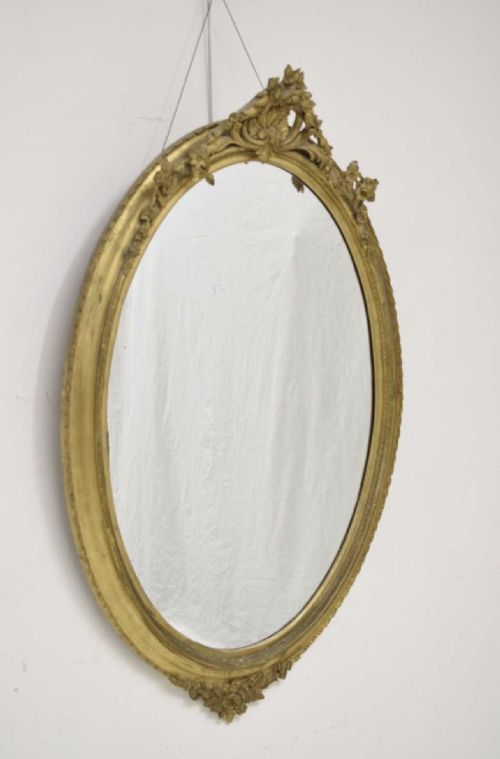
The most common examples on this page are nineteenth-century wall mirrors finished in gold leaf or composition over carved timber. Buyers encounter everything from large overmantle pieces to smaller cushion mirrors and picture frames.
Makers and makers' marks are rarely present on these decorative items, which rely instead on stylistic execution and material quality to indicate their origins. The curved format naturally softens room interiors, distinguishing them from rectangular alternatives.
How they were made
Makers carved timber bases directly or built up sculptural relief using gesso and composition moulded over a wooden core. Artisans then applied gold leaf or gilt finishes to create the characteristic metallic sheen seen across the listings.
Glass plates in these frames often include mercury plates or bevelled edges showing period characteristics such as foxing. Sterling silver and gilt bronze appear in specific frame types alongside traditional carved wood.
Ornate Oval Frame Retail Price Guide 2026
Typical asking prices for ornate oval frame among the pieces listed under this phrase on Sellingantiques today, from the lower quarter to the upper quarter. They describe what is for sale here now, not the wider market.
Current listings feature pieces spanning the Georgian, Victorian, and Edwardian periods, constructed from carved wood, gesso, and giltwood.
What varies in quality
Depth of carving and crispness in the gesso ornamentation separate exceptional examples from simpler production pieces. Hand-carved wooden details hold sharper relief than moulded composition ornament.
The preservation of the original gold leaf surface and the clarity or age of the mirror plate dictate the visual impact of the piece. Intricate frames retain structural integrity in their scrolling leafwork and crestings.
Arthur Percy Dixon
The Ornate Oval Frame Glossary
- Giltwood
- Wood that has been coated with gold leaf or a gold-coloured finish. This material forms the primary surface of many traditional wall mirrors.
- Gesso
- A plaster-like mixture applied to a wooden base and carved or moulded into ornate relief details. It provides the smooth substrate for gilding.
- Mercury plate
- An early type of mirror glass produced using a tin-amalgam backing method. It often displays characteristic speckling or foxing over time.
- Composition
- A moulded mixture of whiting, resin, and glue pressed into decorative motifs. Makers utilised it as a cost-effective alternative to deep hand carving.
- Overmantle
- A large mirror designed to hang above a fireplace mantelpiece. These pieces frequently feature grand proportions and substantial frames.
Ornate Oval Frame: Frequently Asked Questions
Where should I hang an ornate oval frame?
Hang these pieces above a mantelpiece, in a hallway, or as a focal point on a plain wall where the curved shape contrasts with vertical lines.
Ensure the wall fixings match the substantial weight of carved timber and glass.
How do I clean a giltwood frame?
Dust the surface gently with a soft dry brush to protect the delicate gold leaf and gesso ornamentation from damage.
Avoid using liquid cleaners or abrasive cloths which can strip the historic finish.
How can I date an antique mirror frame?
Examine the construction of the wooden backboards, fixings, and the characteristics of the glass plate such as bevels or foxing.
Stylistic cues like Rococo scrolls or Georgian symmetry also point toward specific manufacturing decades.
Are these frames suitable for modern interiors?
The curved lines and metallic finishes work well to soften minimalist spaces and add historical contrast to contemporary walls.
Their decorative presence bridges traditional craftsmanship with modern room layouts.