




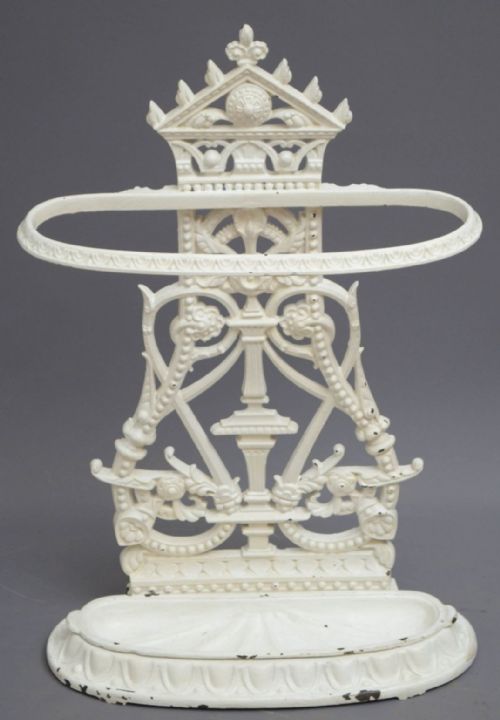
Ornate Metal Stand
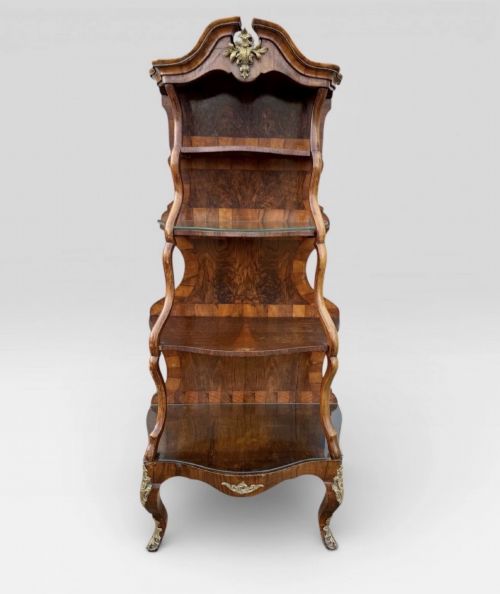
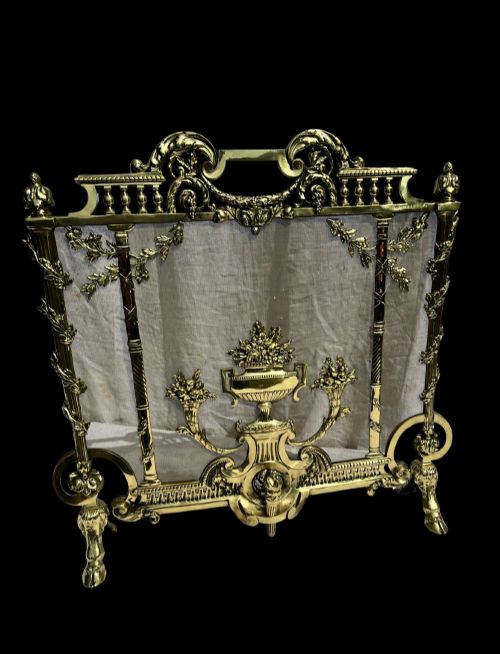
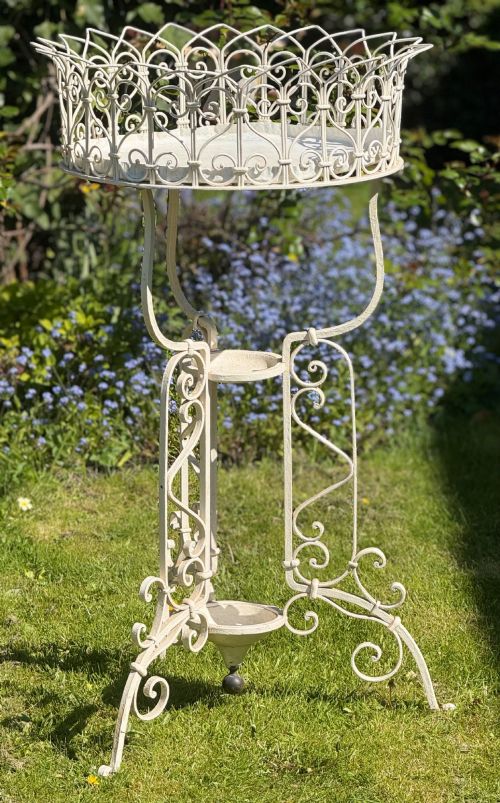
An ornate metal stand brings functional structure and decorative presence to a room, spanning useful plant holders, umbrella racks and sturdy tier designs.
Ornate Metal Stand
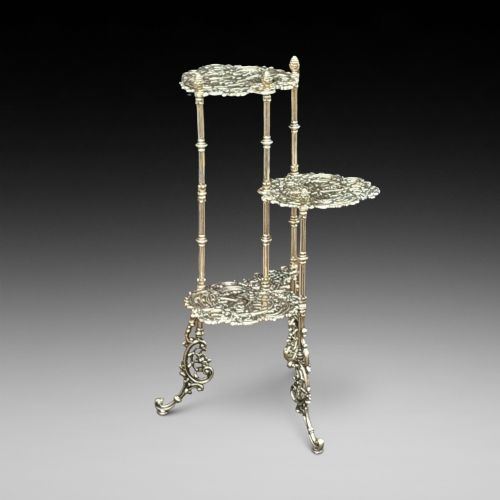
When searching for an ornate metal stand, buyers encounter a diverse selection of utility items engineered from robust materials during the nineteenth and early twentieth centuries. These pieces encompass practical hall furniture, plant holders, and tiered display units designed to organise domestic spaces.
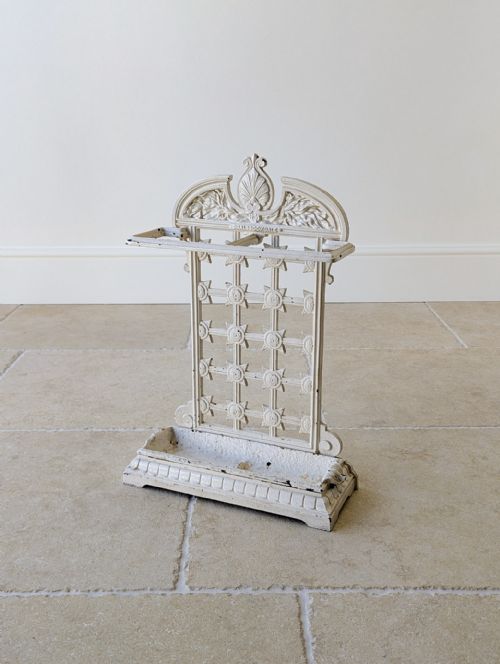
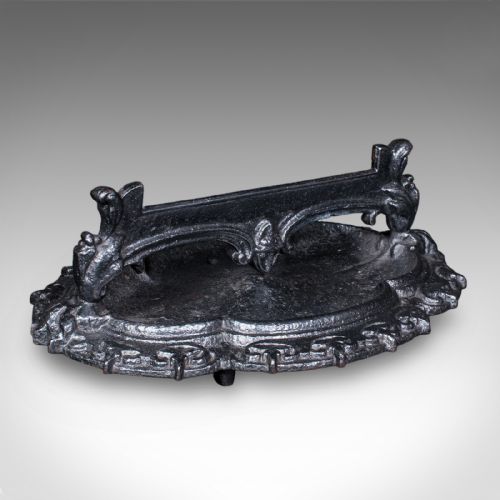
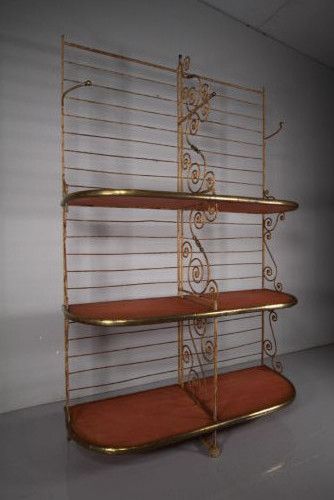
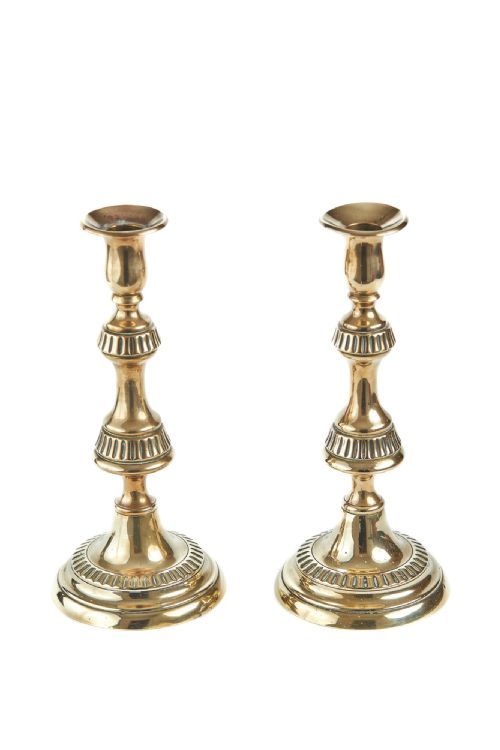
The versions most frequently met on this page originate from the Victorian era and the nineteenth century, reflecting prevailing tastes for decorative ironwork and polished brass. Forms range from heavy cast iron umbrella holders to multi-tiered brass plant stands intended for interior display.
Makers utilised these durable metals to produce items that combined everyday utility with elaborate surface ornamentation, drawing on French Rococo and classical revival styles. Each piece demonstrates how utilitarian household objects received careful artistic attention during periods of industrial expansion.
Materials and methods of construction
Craftsmen shaped these objects primarily using cast iron, wrought iron, and various forms of brass, employing techniques suited to each metal's specific properties. Ironwork often involved heavy casting or hand-wrought scrolling, while brass components relied on precision casting and detailed chasing.
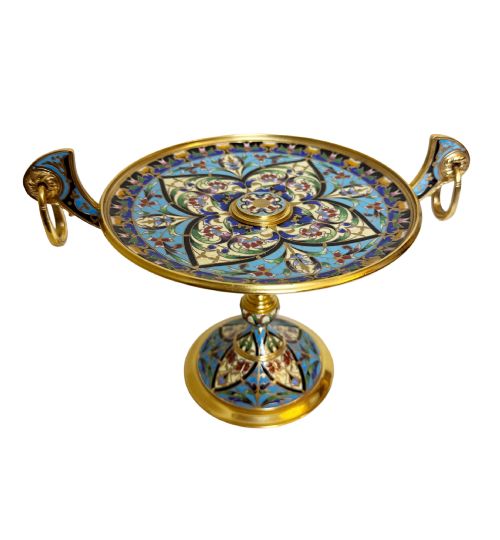
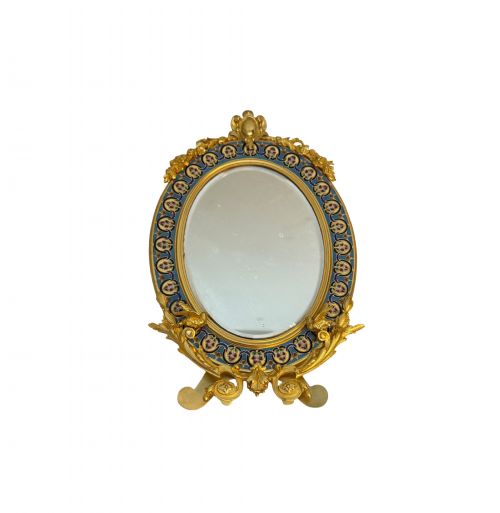
Surface finishes played a significant role in production, incorporating paint, gilt bronze accents, and champleve enamel work to enhance the visual appeal of the metal structure. Foundries utilised moulds to create repeated decorative motifs, complemented by hand-finishing and assembly of individual tiers or frames.
Ornate Metal Stand Retail Price Guide 2026
Typical asking prices for ornate metal stand among the pieces listed under this phrase on Sellingantiques today, from the lower quarter to the upper quarter. They describe what is for sale here now, not the wider market.
The listings span the nineteenth and twentieth centuries, incorporating brass, cast iron, and wrought iron across various plant and stick stands.
Distinctions in standard and execution
The distinction between standard examples and superior pieces rests upon the crispness of the casting and the depth of the chased or wrought details. Foundry work with sharply defined botanical motifs or intricate scrollwork demonstrates greater skill than mass-produced alternatives with softened edges.
Structural integrity and the quality of the original joins separate utilitarian items from exceptional decorative commissions. Heavier gauge metals and intact surface treatments, such as original gilding or specialised enamel work, indicate a higher grade of manufacture.
Coalbrookdale
The Ornate Metal Stand Glossary
- Cast iron
- Iron poured into a mould to take the shape of the cavity, commonly used for heavy structural hall stands and garden planters.
- Champleve
- An enamelling technique where troughs are carved into the metal surface and filled with vitreous enamel before firing.
- Ormolu
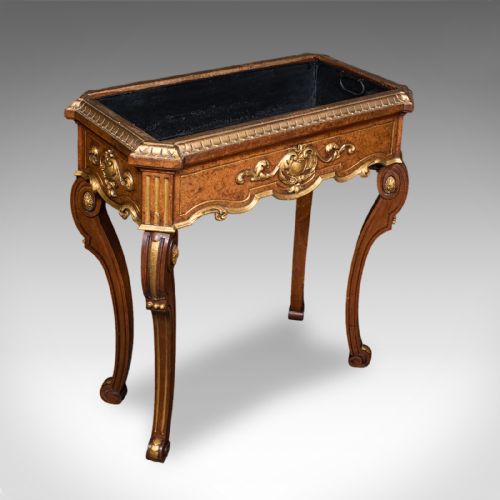
- Gilt bronze ornamentation applied to furniture and decorative objects, popular in French revival pieces.
- Jardiniere
- An ornamental pot or stand designed to hold plants or flowers within a domestic interior.
- Tazza
- A shallow saucer-like ornamental vessel mounted on a stem and foot, often utilised for display.
Ornate Metal Stand: Frequently Asked Questions
What is an ornate metal stand used for?
These items served various functional domestic roles, functioning as plant holders, umbrella storage, or tiered display furniture in nineteenth-century homes.
Their robust construction allowed them to bear heavy loads of water, soil, or damp outerwear while maintaining a decorative appearance in hallways and parlours.
How do I identify a Victorian metal stand?
Victorian examples typically display heavy cast iron or brass construction, often incorporating botanical motifs or industrial scrolling characteristic of nineteenth-century production.
Look for evidence of sand casting, foundry marks, and traditional assembly methods such as threaded bolts or riveted joints.
Where should I place a metal plant stand?
These tiered and circular frames suit conservatories, reception hallways, or living rooms where their elevated platforms hold potted plants or decorative objects.
Ensure the floor surface is protected if the piece lacks original feet or rubber pads, particularly with heavier cast iron models.
Are cast iron stands difficult to maintain?
Cast iron requires minimal upkeep beyond dusting and occasional checks for surface moisture to prevent oxidation or rust development in damp environments.
Preserving original painted or blacked surfaces involves gentle cleaning with dry cloths rather than harsh chemical polishes.